

Essential Equine Wound Care & Emergency Treatment Guide for British Horse Owners — Top 5 Veterinary-Backed Solutions for 2025
Whether you're managing a minor scrape from field turnout or responding to a more serious laceration, having the right equine wound care supplies on hand can make all the difference to your horse's recovery. British horse owners face particular challenges—muddy paddocks, damp weather, and variable terrain all increase the risk of cuts and infections. This guide explores five essential products that veterinary professionals across the UK recommend for effective wound management, infection prevention, and faster healing outcomes. From antimicrobial sprays and silver-infused ointments to secure bandaging materials and comprehensive first aid kits, we've curated practical solutions designed for both yard emergencies and unexpected trail incidents. Each product has been selected based on clinical efficacy, ease of application in British weather conditions, and proven results in real-world barn environments. Whether you're an experienced horse keeper or relatively new to equine care, understanding which products suit different wound types—from minor grazes to deeper puncture wounds—ensures you're prepared when your horse needs immediate attention. Our recommendations balance professional veterinary standards with the practical needs of owners who want reliable, accessible solutions.
Inception's AI took the time to understand this market in the UK · We may earn a commission on purchases. It never affects our rankings.
Top Picks Summary
Animalintex Poultice Dressing
Animalintex Poultice Dressing is a long-standing barn favourite for drawing and protecting large limb wounds, praised by vets for its thick, absorbent pad that holds poultice material in place during turnout or box rest. It outperforms simple sprays and cleansers for heavy exudate management and, because it’s commonly sold in bulk, offers a lower per-application cost than single-use antiseptic gels or premium wound-care formulations such as Lincoln Solaris Gold.

Where to buy Animalintex Poultice Dressing in UK: we track one retailer, Thomasirving, and show the price we last observed there; the price you see at checkout may differ.
We may earn a commission on purchases. It never affects our rankings.
£8 – £15
Hibiscrub Antimicrobial Skin Cleanser
Hibiscrub is a cost-effective chlorhexidine skin cleanser widely used for initial wound decontamination and pre-treatment cleansing on horses; veterinarians recommend it for rapid microbial reduction before applying dressings or gels. While it doesn’t provide the sustained wound coverage of products like Solaris Gold or the physical protection of Animalintex and Vetrap, its low unit cost and long shelf life make it ideal for inclusion in every yard’s first-aid kit.

Vetrap Bandaging Tape
Vetrap (3M) Bandaging Tape is the market leader for cohesive, self-adherent support bandaging that secures dressings and gives conformable compression without sticking to hair or skin. Technically superior for maintaining stable dressings in motion-prone areas compared with standard adhesive tapes, Vetrap can reduce the frequency of re-bandaging and associated labour costs, making it an economical choice for barns that treat multiple limb injuries.
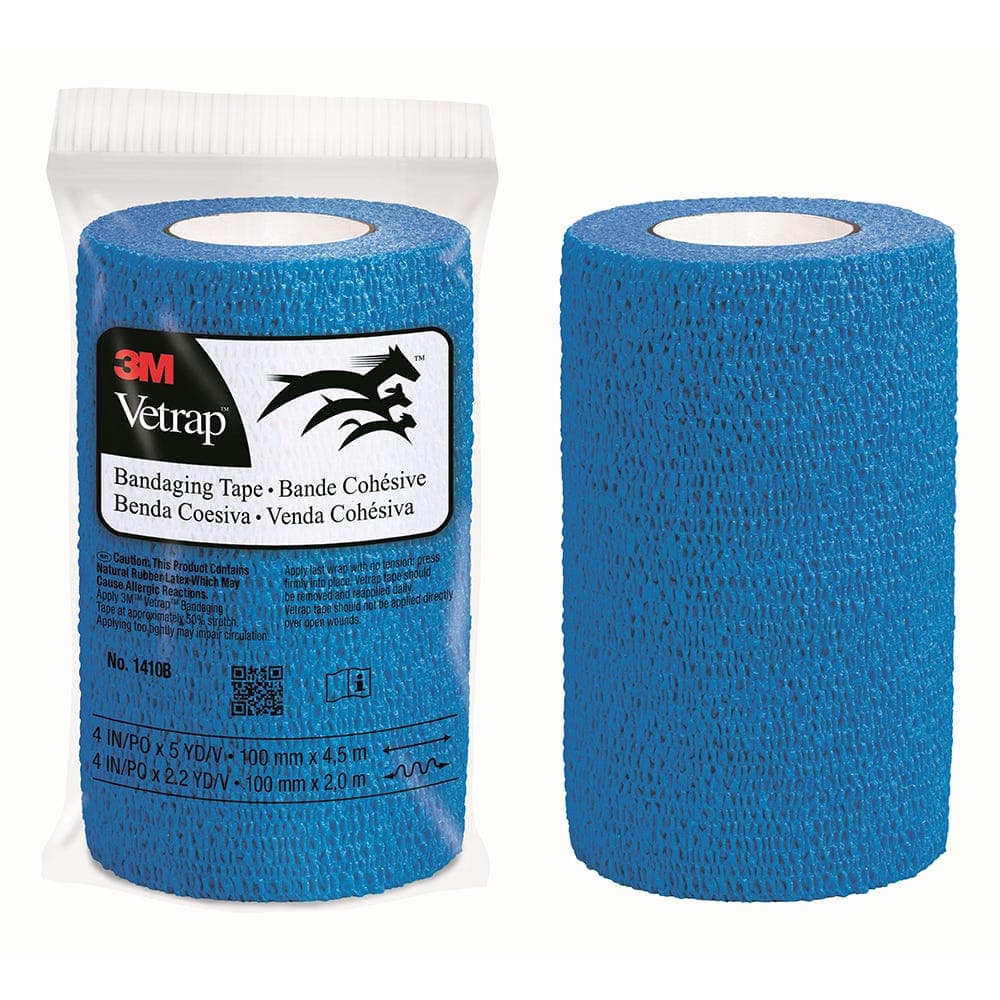
Where to buy Vetrap Bandaging Tape in UK: we track one retailer, Hyperdrug, and show the price we last observed there; the price you see at checkout may differ.
We may earn a commission on purchases. It never affects our rankings.
£6 – £12
Lincoln Solaris Gold Wound Gel
Lincoln Solaris Gold Wound Gel is a premium, bioactive wound gel designed to maintain a moist healing environment and support tissue repair while providing gentle antimicrobial activity; vets often choose it for slow-healing or granulating wounds where prolonged action and reduced dressing changes are priorities. Although its per-tube price is higher than basic cleansers or sprays, its ability to accelerate healing and cut down on repeated interventions can produce better overall value for high-care cases compared with one-off antiseptics.
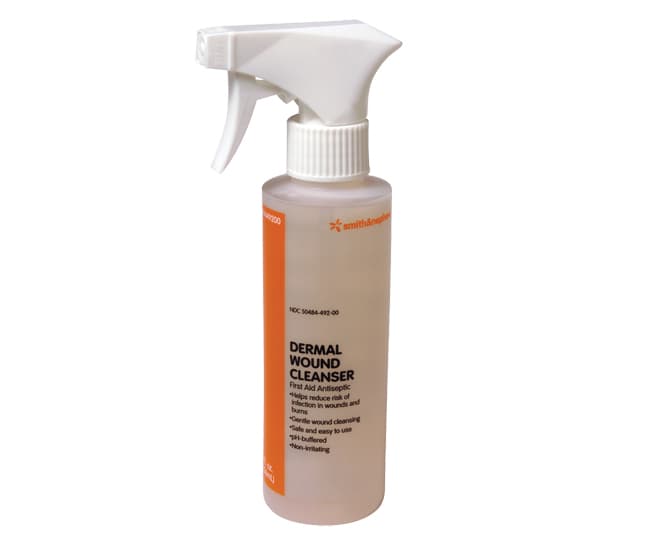
Battles Gamma Gel Veterinary Wound Spray
Battles Gamma Gel Veterinary Wound Spray is a sprayable antiseptic gel optimized for rapid, field-friendly application to equine wounds and awkward anatomical sites; it provides immediate coverage and reduces contamination risk during initial treatment. It’s not intended to replace absorbent poultices or long-term gels for severe exudative wounds, but its portability and relatively low cost per application make it a practical emergency adjunct to Vetrap, Animalintex and more specialised treatments like Solaris Gold.
These five products represent the consensus among UK equine veterinarians for combining clinical effectiveness with practical usability in British conditions. Each has been selected for reliability, proven wound healing outcomes, and suitability for both routine care and emergency situations. Together, they provide layered protection against infection whilst supporting the horse's natural healing response.
What the Research Says About Equine Wound Care
Veterinary and wound-healing research supports a few consistent principles: prompt cleansing, protection from contamination, moist-but-not-soggy wound environments, and appropriate antimicrobial use when indicated. Several topical agents and modern dressings have measurable benefits in reducing bacterial load and supporting tissue repair when used correctly under veterinary guidance.
Antiseptic sprays and solutions (chlorhexidine, povidone-iodine alternatives) reliably reduce surface bacterial counts when applied promptly and appropriately.
Medical-grade honey and topical silver formulations show documented broad-spectrum antimicrobial activity and can support granulation and epithelialization in superficial wounds.
Moist wound-healing dressings and hydrogels promote faster tissue repair than dry scabbing by supporting cell migration and reducing desiccation.
Appropriate bandaging technique (including cohesive wraps like 3M Vetrap) protects wounds, controls swelling, and prevents contamination; poor bandaging can impede healing.
Poultices and hoof-specific dressings are effective at drawing inflammation away and managing hoof abscesses when applied correctly and monitored.
Comprehensive first aid kits increase response speed and reduce complication risk on trail or at the barn by gathering essential items in consistent, veterinarian-recommended configurations.
Frequently Asked Questions
Which product should I use for large limb wounds?
Choose Animalintex Poultice Dressing: it’s a ready-to-use adhesive poultice pad designed to draw out abscesses and protect large limb wounds, conforming to limb shape and staying in place for turnout or box rest; average rating 4.6.
Does Hibiscrub help before I apply dressings?
Yes—Hibiscrub Antimicrobial Skin Cleanser is a chlorhexidine-based antimicrobial skin cleanser for initial wound decontamination and pre-treatment cleansing, including routine wound cleansing and pre-bandage skin preparation; average rating 4.4.
Is Vetrap Bandaging Tape good value for stable dressings?
Vetrap Bandaging Tape (3M) is a self-adherent, flexible cohesive bandage that sticks to itself without adhesive residue, providing secure support and protection for dressings while allowing movement; average rating 4.5.
What’s the main difference between Animalintex and Vetrap?
Animalintex Poultice Dressing is an adhesive poultice pad meant to draw out abscesses and pack/hold poultice material during extended poulticing, while Vetrap Bandaging Tape is cohesive self-adherent support tape to secure dressings; ratings are 4.5 and 4.5 respectively.
Conclusion
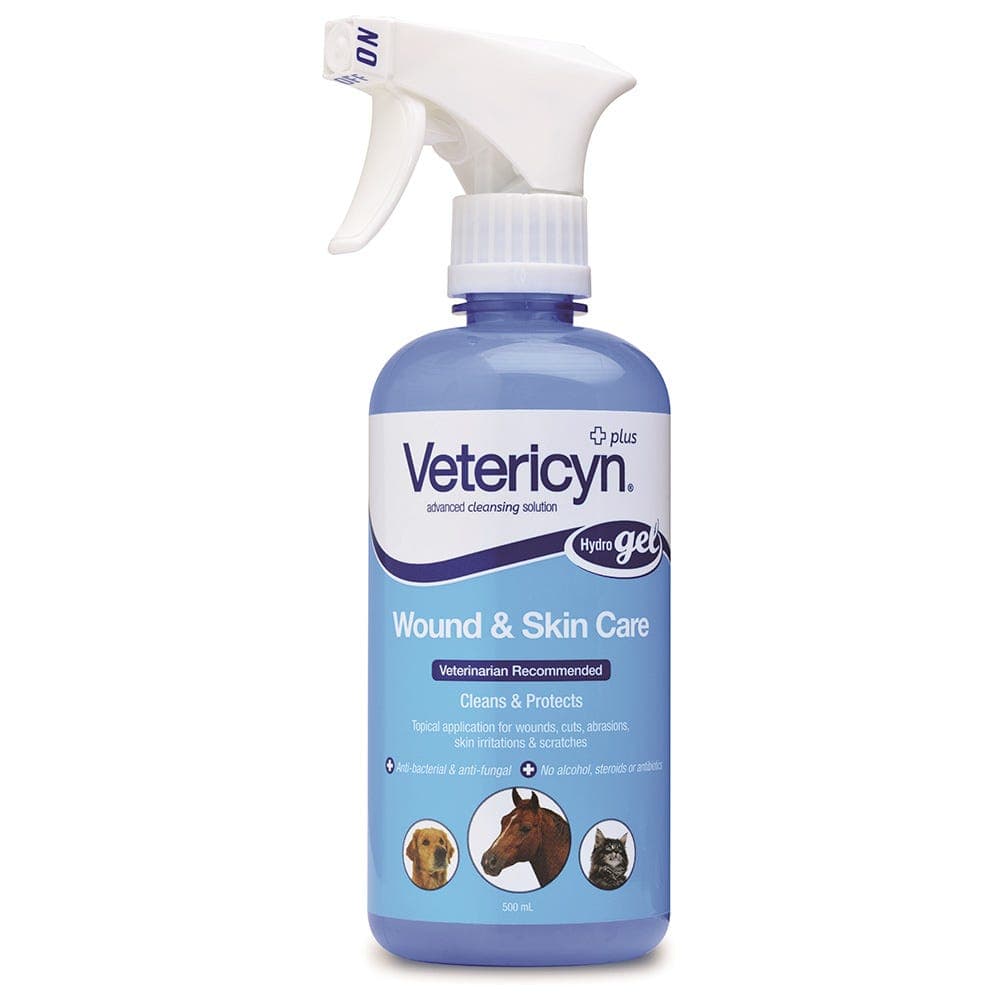
Selecting appropriate wound management supplies isn't simply about purchasing the most expensive option—it's about matching the right product to your horse's specific needs and your yard's circumstances. Vetericyn Plus Antimicrobial Wound and Skin Care Spray serves as an excellent first-line cleansing agent, offering gentle yet effective antimicrobial action suitable for routine cleaning and initial wound care. Absorbine Silver Honey Rapid Wound Repair Ointment provides sustained antimicrobial protection through its combination of active honey and silver compounds, supporting tissue repair over several days. 3M Vetrap Bandaging Tape delivers the secure, breathable support necessary for keeping dressings in place whilst allowing air circulation—essential for preventing secondary complications. Animalintex Poultice Pad remains the traditional choice for managing hoof conditions and inflammatory issues, particularly valuable during the wetter months when ground conditions favour infection. For those seeking a complete, grab-and-go solution, Equi-Stix Complete Equine First Aid Kit consolidates antiseptics, sterile dressings, and bandaging materials into one portable package ideal for both stable emergencies and travelling to competitions. Most British horse owners find that combining a reliable antiseptic spray with quality dressings and a comprehensive kit covers the majority of situations they'll encounter. Take time to familiarise yourself with how each product works before an emergency arises, and always consult your veterinarian for wounds showing signs of infection, excessive swelling, or depth requiring professional assessment.