

Premier Pelham and Combination Bits for British Riders 2025 — Mastering Control with Comfort-First Design
Published on Thursday, 21 August 2025
Pelham and combination bits represent a sophisticated choice for riders navigating the demands of British equestrian disciplines. These dual-action bits merge snaffle-style contact with leverage mechanics, delivering nuanced communication across a single mouthpiece accessed via two independent rein systems. Whether you're schooling event horses, preparing for hunter classes, or refining your dressage work, understanding the mechanics and materials behind these bits proves essential. The contemporary British market reflects a clear preference for ergonomic mouthpiece geometries, stainless steel construction that withstands year-round paddock work, and adjustable curb mechanisms that accommodate individual horse sensitivity. Riders increasingly favour bits featuring pressure-dispersing designs, minimalist tongue room, and the flexibility of removable converters for single-rein schooling. This comprehensive guide explores five standout performers that embody these modern preferences whilst maintaining the reliability and craftsmanship that British equestrians demand. Each option has been evaluated for its practical application across multiple disciplines, material longevity in British weather conditions, and suitability for horses ranging from young prospects to established performers.
Top Picks Summary
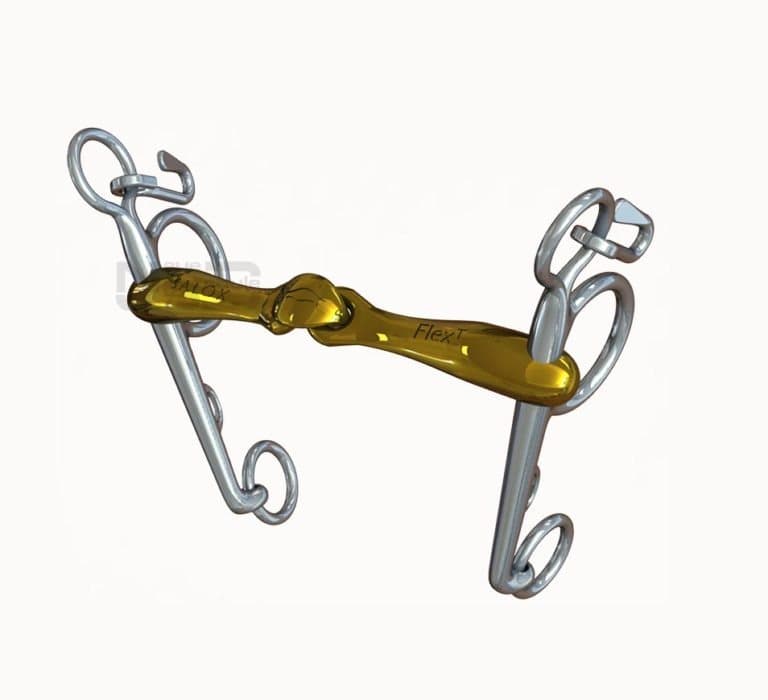
Neue Schule Turtle Tactio Pelham
The Neue Schule Turtle Tactio Pelham earns its market-leader spot in this 2025 UK guide for blending advanced mouthpiece ergonomics with a notably lightweight build, delivering confident control without harshness. Compared with the more traditional stainless and leather options in the list, its dedicated tongue-relief profile and pressure-distributing Tactio material justify a premium price by reducing resistance and improving horse compliance during precision work.
£160 – £220
Bombers Blue Pelham
The Bombers Blue Pelham is a best-in-class choice for riders wanting strong, reliable leverage in a modern, corrosion-resistant finish while keeping an eye on value for money. It trades a little of the Neue Schule's specialized mouthpiece technology for a robust, user-friendly design that undercuts many premium models on price yet still outperforms basic leather or entry-level combination bits for consistent control and durability.

£35 – £55
Shires Blenheim Leather Pelham
Shires' Blenheim Leather Pelham stands out as the practical, budget-conscious option in this Top 5 roundup, offering traditional leather craftsmanship and rugged construction suitable for everyday yard use or schooling. While it lacks the lightweight high-tech materials of the Neue Schule or Trust InnoSense ranges, it provides cost-effective reliability and familiar feel that many UK riders prefer for routine work and schooling scenarios.
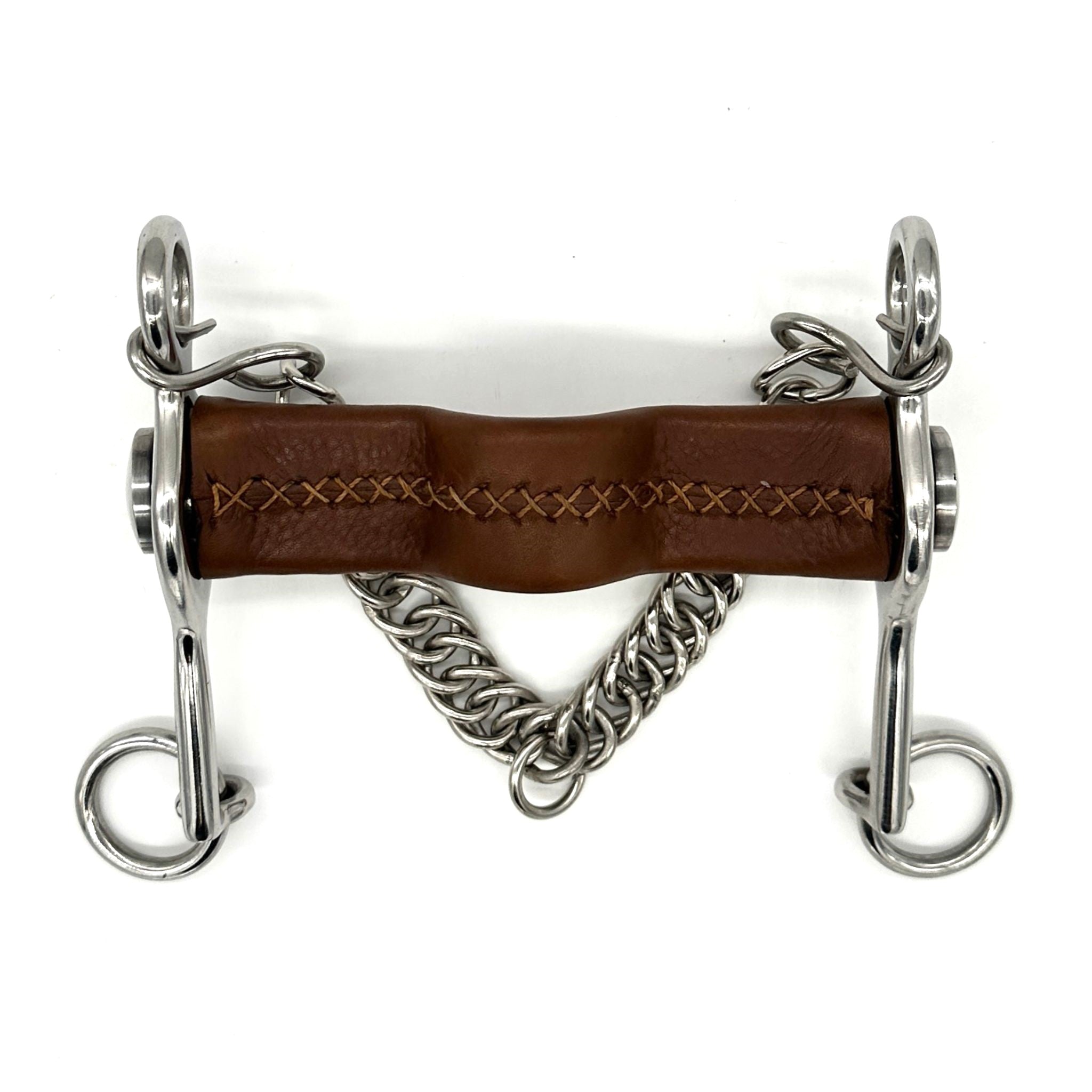
Mikmar Combination Bit
The Mikmar Combination Bit is highlighted here for its versatility and modular design, giving riders multiple rein options and a balance of control and comfort at a competitive price point. Manufactured with efficient European processes, it undercuts some premium entries on cost while offering technical flexibility that makes it a strong mid-market contender between traditional Pelhams and the softer, specialist designs featured in this 2025 guide.

Trust Inno Sense Flexi Soft Pelham
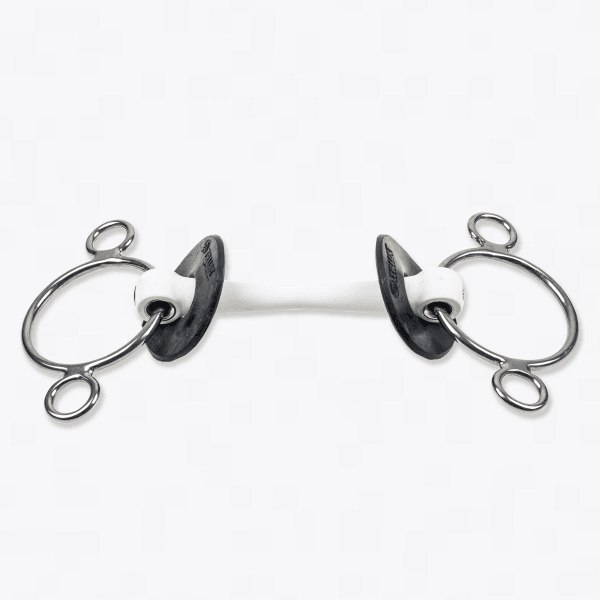
The Trust Inno Sense Flexi Soft Pelham is chosen for riders prioritising sensitive-mouth comfort and a lightweight composite construction that reduces shock and pinching while retaining effective leverage. Compared with metal-heavy Pelhams and leather alternatives on this list, its soft-flex mouthpiece is less severe and often better accepted by sensitive horses, making it a technically attractive mid-to-high-end alternative for confident control with improved equine comfort.
These five Pelhams and combination bits exemplify contemporary equestrian engineering, prioritising ergonomic mouthpiece design, corrosion-resistant materials, and versatile rein systems. Each delivers superior pressure distribution whilst maintaining the leverage characteristics serious riders require across eventing, hunter trials, and dressage disciplines.
Understanding Pelham and Combination Bits: A British Rider's Reference
Pelham bits function through a dual-rein mechanism that allows riders to employ snaffle-style direct pressure or curb-leveraged action independently. Combination bits extend this concept with fixed or interchangeable mouthpiece options. UK riders benefit from understanding how curb chain tension affects response sensitivity, why mouthpiece geometry matters for individual horse anatomy, and when transitioning to single-rein use makes pedagogical sense.
Curb chain adjustment creates the leverage ratio; tighter chains increase leverage intensity
Mouthpiece diameter and material affect tongue sensitivity and bit acceptance
Stainless steel resists rust in damp British conditions better than nickel-plated alternatives
Removable converters permit schooling on snaffle contact without bit changes
Elliptical and angled lozenge designs reduce tongue pressure compared to traditional round ports
Proper fitting requires the curb chain lying flat against the jaw groove without pinching
Single-rein use via converter works best for horses confident with snaffle mechanics
Sensogan alloys provide warmth and improved saliva stimulation versus cold steel
Three-ring configurations offer intermediate leverage between snaffle and full Pelham action
Consider your horse's mouth conformation when selecting port height and width
Frequently Asked Questions
Which pelham bit suits a gentle contact rider best?
The Neue Schule Turtle Tactio Pelham suits riders wanting softer acceptance, thanks to its ergonomic Turtle Tactio mouthpiece designed to reduce tongue pressure, with an average rating of 4.6.
What exact mouthpiece feature does the Turtle Tactio Pelham have?
The Neue Schule Turtle Tactio Pelham uses an ergonomic Turtle Tactio mouthpiece that reduces tongue pressure and encourages softer acceptance, with an average rating of 4.6.
How does Bombers Blue Pelham value compare price-wise?
No price data is provided for Bombers Blue Pelham, but it’s rated 4.3 and features a blue-coated steel mouthpiece, a classic pelham shank profile, and a durable corrosion-resistant finish.
Do these pelhams include any warranty cover?
Warranty duration isn’t listed for any of the featured bits (Neue Schule Turtle Tactio Pelham, Bombers Blue Pelham, or Shires Blenheim Leather Pelham), so check the retailer for warranty details.
Conclusion
Selecting the right Pelham or combination bit hinges on matching your horse's temperament, your riding discipline, and your specific control requirements. The five bits profiled here—Neue Schule Tranz Angled Lozenge Pelham, Myler Level 2-3 Pelham with Stainless Steel Comfort Snaffle, Bombers Blue Pelham with Elliptical Link, Sprenger Dynamic RS Pelham Sensogan, and Stubben Golden Wings 3-Ring Combination Bit—represent current best practices in British equestrian bit design. They collectively demonstrate the evolution towards pressure-conscious engineering, durable materials suited to our variable climate, and versatile functionality that suits transitional training phases. For riders seeking the optimal blend of refinement and effectiveness, the Sprenger Dynamic RS Pelham Sensogan emerges as a distinguished choice, delivering consistent contact feel and evenly distributed curb pressure across diverse riding situations. Armed with this knowledge, you're well-positioned to make an informed purchase decision. Use our detailed comparisons and specifications to narrow your selection, and don't hesitate to consult with your saddle fitter or veterinary professional when finalising your choice. Your horse's comfort and your riding security are paramount.