

Top 7 Synthetic and Soft Mouthpiece Horse Bits in the UK — 2026
Rubber, vinyl and polymer mouthpieces are chosen by British riders as softer-feeling alternatives to plain steel, and they suit many horses with tender mouths, dental sensitivities or a history of resisting metal. One thing most buying guides leave out matters more than the material itself: for the same nominal width, a rubber, vulcanite or apple-scented plastic mouthpiece is physically THICKER than a steel one, so a horse with a fat tongue, a low palate or a small mouth can find a soft bit less comfortable, not more. Thicker does not automatically mean kinder. A softer compound does spread rein pressure over a wider area of the tongue and bars, which often improves acceptance and relaxation — but only when there is genuinely room for the extra bulk. UK riders look for food-grade, non-toxic compounds, a reinforced steel core so the bit cannot fail if it is chewed, and shapes that either free the tongue (ported or curved) or deliberately lie flat across it (mullen). The British climate adds its own demand: wet, cold winters reward compounds that stay supple rather than going hard and brittle. Whether you are schooling at home, competing at affiliated level, or simply prioritising everyday comfort, matching mouthpiece thickness and shape to your own horse's mouth conformation is what separates a good synthetic bit from an expensive mistake.
Inception's AI took the time to understand this market in the UK · We may earn a commission on purchases. It never affects our rankings.
Top Picks Summary
Neue Schule Turtle Tactio Eggbutt
Important clarification: the Neue Schule Turtle Tactio is NOT a rubber or synthetic mouthpiece. Its mouth is Salox Gold, a high-copper alloy that Neue Schule formulates to reach and hold the horse's own mouth temperature quickly, so the horse is less inclined to fixate on the bit. Salox is a slightly softer metal than stainless steel, which lets it absorb impact and helps protect tooth enamel — but it is still metal. It is included here because it is the design riders most often weigh against a soft bit, and because at 16 mm it is noticeably slimmer than a rubber mouthpiece of comparable nominal size, which makes it a genuine option for horses with a low palate or a small mouth that cannot accommodate the bulk of a synthetic. It commands a premium price, and it is the wrong choice if you specifically need a soft, flexible compound — for that, look at the Nathe or Trust entries.

Trust Inno Sense Flexi Soft Eggbutt
Trust's Inno Sense Flexi Soft eggbutt combines an ultra-flexible synthetic mouthpiece with an ergonomic eggbutt ring to minimize poll and lip pinching—giving it a clear technical advantage for sensitive-mouthed horses. Financially positioned mid-range, it offers many of the comfort benefits of premium gel bits at a lower retail price, making it a smart choice for riders who want advanced flexibility without a specialist price tag. Against firmer Happy Mouth and Nathe rubbers, Trust delivers noticeably more movement and cushioning for nervous or reactive horses.

Bombers Blue Tongue Eggbutt
The Bombers Blue Tongue Eggbutt is prized for its soft, shock-absorbing polymer and distinctive tongue relief that encourages acceptance, offering a very horse-friendly feel at a competitive price. Compared with the more expensive Neue Schule and the high-tech Fager titanium/sweet-iron hybrid, Bombers delivers excellent tactile comfort and value for owners seeking immediate softness and good durability without the premium outlay.
Nathe Soft Contact Eggbutt Snaffle
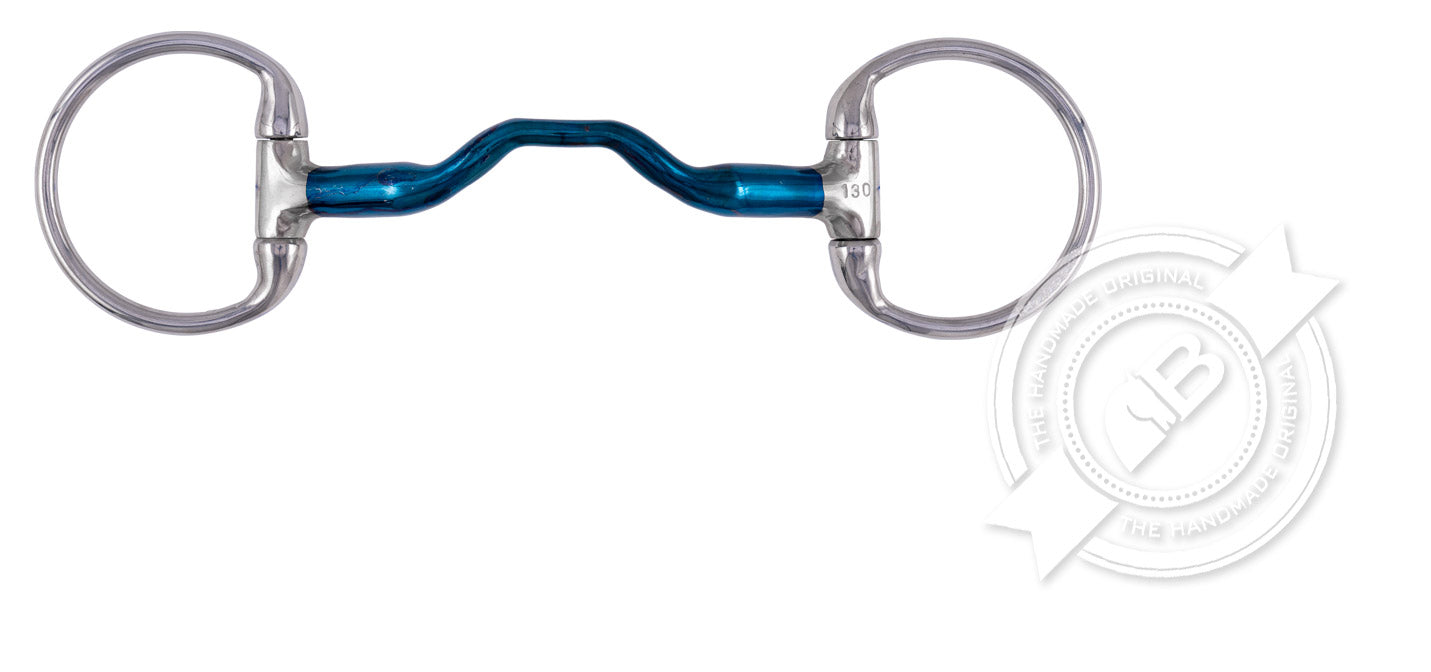
The Nathe Soft Contact Eggbutt Snaffle stands out for its highly elastic, food-safe thermoplastic mouthpiece over a continuous steel core, which creates an exceptionally even, gentle contact — one of the two genuinely soft synthetics on this page. Technically it sits between the Bombers feel and the premium Neue Schule ergonomics, often undercutting high-end prices while delivering superior elasticity and a more consistent mouthfeel than generic rubber snaffles like the Shires. Bear in mind that a soft mouthpiece of this kind is bulkier than a metal bit of the same stated width, so check that your horse has the palate and tongue room for it before committing.

Shires Blenheim Rubber Eggbutt Snaffle
The Shires Blenheim Rubber Eggbutt Snaffle is the budget-conscious, widely available option in Britain that still provides reliable, forgiving contact for sensitive mouths. It lacks the anatomical refinement of Neue Schule or the specialised tongue profile of Bombers and Nathe, but its low price and broad retail presence make it the practical choice for owners needing an effective, economical synthetic snaffle.
Fager Maria Titanium Sweet Iron Eggbutt
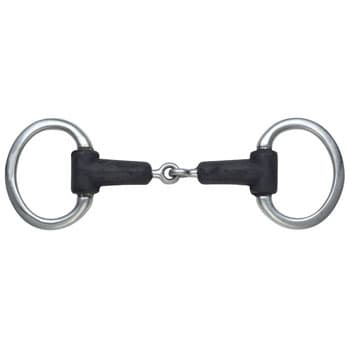
Important clarification: this is a metal bit, not a rubber or synthetic one — it is included on this page as the high-end metal comparison point. The Fager Maria combines a lightweight titanium core with a sweet-iron surface to encourage salivation and reduce the weight carried in the mouth, making it a technically sophisticated choice for sensitive horses that respond to taste stimulation. It carries a higher price than most full-rubber bits and the sweet iron is designed to rust lightly in use, which is normal and intended. Choose it if durability, low weight and a slim profile matter more to you than a soft compound; choose the Nathe or Trust entries if you specifically want a flexible synthetic.
JP Korsteel Flexi Mullen Mouth Pelham
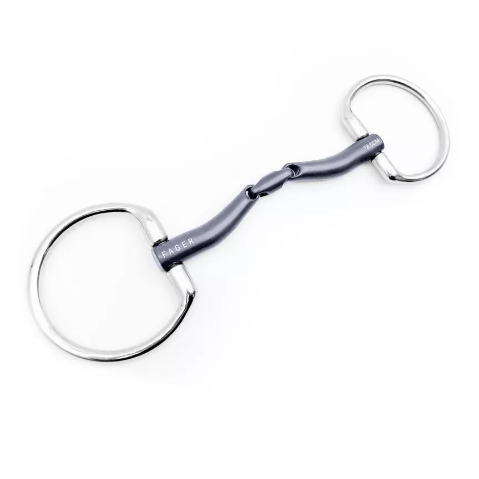
The JP Korsteel Flexi Mullen Mouth Pelham is the outlier for riders who need the curb leverage of a pelham but want to soften the effect with a flexible synthetic mullen mouthpiece that reduces sharp pressure. Technically distinct from the snaffles above, it is the logical option for horses requiring additional control without resorting to harsh metal; priced competitively, it offers a mid-range alternative to both minimalist synthetic snaffles and premium anatomically designed bits.

What actually matters when choosing a softer or synthetic mouthpiece
Softer mouthpieces are widely used and widely misunderstood. The evidence and the practical consensus among UK bit fitters point in the same direction: material is only one of three variables, alongside thickness and shape, and none of them substitutes for correct sizing and a quiet rein. The points below are the ones that change outcomes — including the safety check most competitor pages omit entirely.
Thickness is the trap, not the material: a rubber, vulcanite or plastic mouthpiece is bulkier than a steel one of the same stated size. Horses with a low palate, a thick tongue or a small mouth are frequently MORE comfortable in a thinner metal bit than in a soft one, so check mouth conformation before assuming soft equals kind.
Mullen and straight-bar rubber gives no tongue relief: a plain mullen or straight rubber bar lies flat across the whole tongue and cannot free it. If your horse's problem is tongue pressure, a mullen rubber bit will not solve it — a ported or curved profile is what creates clearance.
Inspect plastic and apple-scented mouthpieces for damage before every ride: flavoured plastic bits invite chewing, and they can be gnawed through or have pieces bitten out. Any bit showing tooth grooves, splits or exposed core should be retired immediately. This is the single most important upkeep point for synthetic bits and the one most buying guides skip.
Size is a width measurement, not a feel: measure the horse's mouth in millimetres or inches and allow roughly 5 mm of clearance beyond the lips on each side. Too narrow pinches the corners; too wide slides and lets a jointed bit collapse further into the mouth.
A reinforced core is a safety feature, not a marketing line: soft mouthpieces should be built over a continuous stainless steel or cable core so the bit stays intact even if the covering is damaged. Uncored soft bits are not suitable for ridden work.
Competition rules vary by discipline and body, and change: some rubber and plastic snaffles are permitted under British Dressage while FEI dressage rules restrict mouthpiece materials. Always check the current rulebook for your own discipline and level before competing rather than relying on a product description.
Fit and rider hand still dominate: even a well-chosen mouthpiece will not fix resistance caused by dental problems, an ill-fitting bridle or inconsistent contact. Rule out pain and check the basics first.
Frequently Asked Questions
Which genuinely synthetic eggbutt bit suits very sensitive mouths?
Of the truly synthetic options on this page, the Nathe Soft Contact Eggbutt Snaffle is the softest: a highly flexible, food-safe thermoplastic mouthpiece over a continuous stainless steel core, which stays supple in cold weather and moulds slightly to the mouth (rated 4.5). The Trust Inno Sense Flexi Soft Eggbutt is the other flexible synthetic, mid-priced and cushioned (rated 4.1). Note that the Neue Schule Turtle Tactio is NOT synthetic — it is a Salox Gold copper-alloy metal mouthpiece.
What actually reduces pressure on the tongue and bars?
Two things, and they are not the same. A softer or flexible compound spreads rein load over a wider area instead of concentrating it, which is what the Nathe and Trust Inno Sense mouthpieces do. Tongue CLEARANCE, however, comes from shape, not softness: a port or a curve lifts the mouthpiece off the tongue, which is what the Bombers Blue Tongue profile provides. A plain mullen or straight rubber bar such as the Shires Blenheim style gives no tongue relief at all. Also remember that a soft mouthpiece is thicker than a metal one of the same width, so in a small or low-palated mouth it can increase pressure rather than reduce it.
Is the Bombers Blue Tongue Eggbutt cheaper than the Neue Schule Turtle Tactio?
Yes, substantially. The Bombers Blue Tongue Eggbutt is listed here in the £55-85 range, while the Neue Schule Turtle Tactio Eggbutt sits at £200-280 — roughly three to four times the price. The Bombers is rated 4.6 and the Neue Schule 4.6. Prices vary by retailer and by size, so confirm the current figure before buying.
Will the Trust Inno Sense Flexi Soft Eggbutt pinch the cheeks?
It is designed not to. Eggbutt cheeks have fixed, sealed joints between the ring and the mouthpiece, which removes the pinch point that loose rings can create at the corners of the lips, and they give stable lateral guidance. The Inno Sense mouthpiece itself is a soft, food-grade flexible synthetic over a stainless steel core (rated 4.1). Correct width still matters more than cheek type: too narrow a bit will pinch regardless of design.
Conclusion
For 2026, the UK market offers a genuinely wide spread of soft and synthetic mouthpieces, plus a couple of metal designs that get recommended alongside them. Be aware that two entries on this page are NOT rubber or synthetic: the Neue Schule Turtle Tactio Eggbutt uses a Salox Gold high-copper alloy mouth, and the Fager Maria Titanium Sweet Iron Eggbutt is titanium and sweet iron — both are metal, and both are included here as the metal comparison points riders most often weigh against a soft bit. The genuinely synthetic options listed are the Trust Inno Sense Flexi Soft Eggbutt, the Bombers Blue Tongue Eggbutt, the Nathe Soft Contact Eggbutt Snaffle, the Shires Blenheim Rubber Eggbutt Snaffle, and the JP Korsteel Flexi Mullen Mouth Pelham. If you specifically want a soft mouthpiece, the Nathe Soft Contact and the Trust Inno Sense are the two flexible synthetics here with the most consistent feedback for sensitive mouths. Measure your horse's mouth first, allow around 5 mm clearance each side, and check any plastic mouthpiece for chew damage before every ride. I hope you found what you were looking for; you can refine or expand your search using the search box to compare materials, sizes, or specific riding disciplines.