

Best D-Ring Mullen Snaffles for British Horses 2025 — Comfort-Focused Bits for Sensitive Mouths
Published on Thursday, 21 August 2025
The mullen mouth D-ring snaffle represents one of the most thoughtfully designed bit options available to British riders today. Unlike jointed alternatives, this style features a gently curved solid bar that spreads contact evenly across your horse's tongue and bars, creating a softer communication channel without sudden pressure points. The D-shaped cheeks provide lateral stability whilst the mullen curve encourages relaxation and acceptance, making these bits particularly valuable for horses that find traditional snaffles uncomfortable or overly harsh. British equestrians appreciate mullen mouth design because it suits our variable climate conditions — quality stainless steel options resist rust from damp weather, whilst the consistent contact helps horses remain settled during schooling sessions, hacking, and lower-level competition. Whether you're working with a youngster, retraining a sensitive mount, or simply seeking a more sympathetic approach to rein contact, understanding the merits of mullen mouth D-rings can transform your riding experience. This guide examines five highly regarded options that have proven popular throughout British riding communities, from independent livery yards to established training establishments.
Top Picks Summary
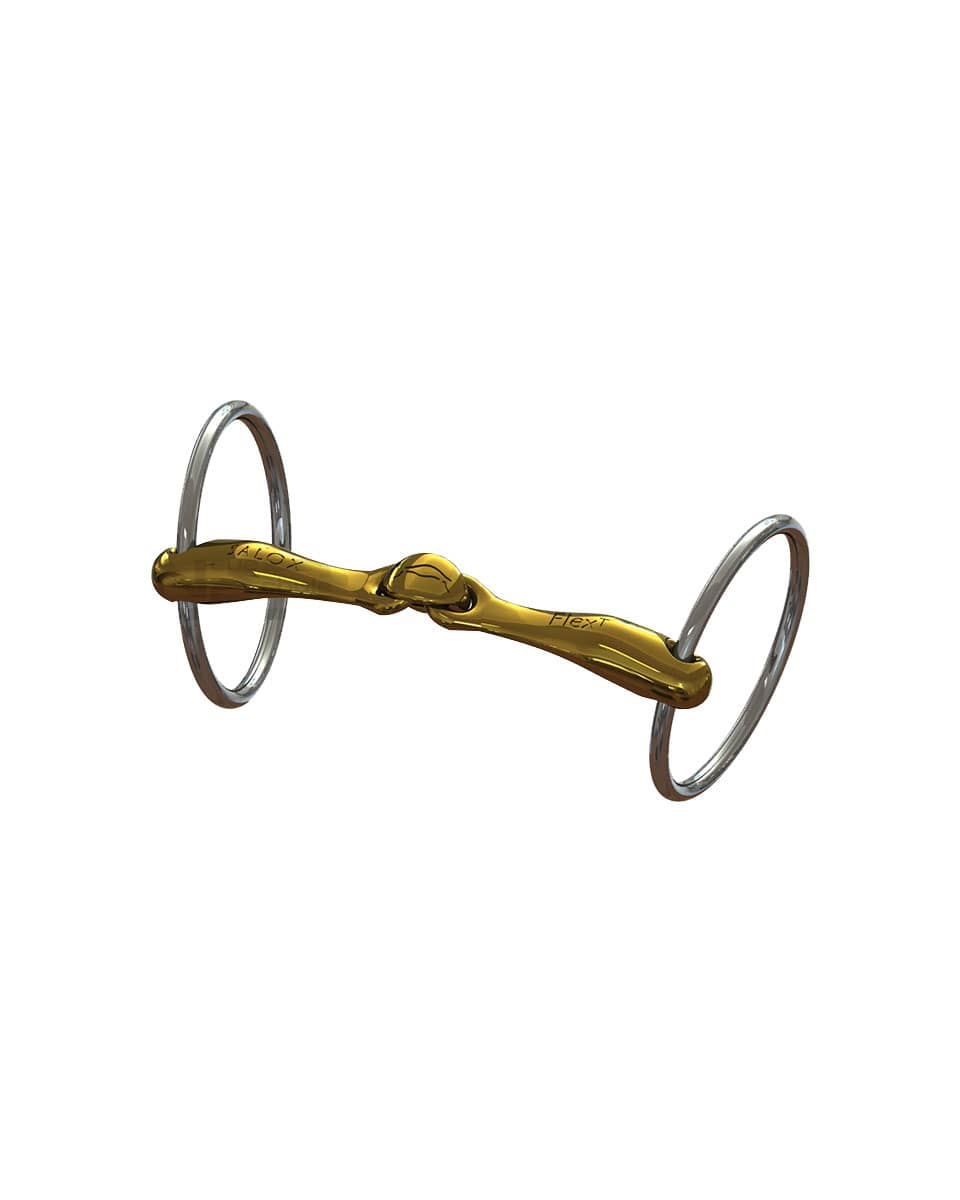
Neue Schule Turtle Tactio D-Ring Snaffle
The Neue Schule Turtle Tactio D-Ring Snaffle tops this list for 2025 thanks to its tactile 'Tactio' textured surface and ergonomically shaped mullen profile that encourages a steady, non-invasive contact for sensitive horses. It sits at a premium price point compared with the Bombers and Trust options, but its proven combination of subtle feedback and long-term mouth health makes it the choice for riders prioritising technical refinement over upfront cost.
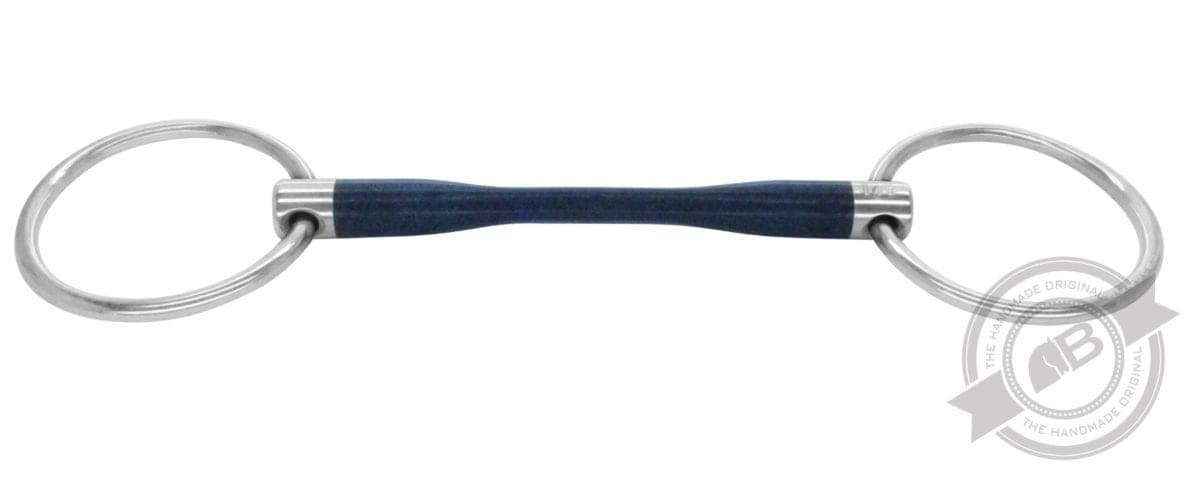
Bombers Blue Loose Ring Mullen
The Bombers Blue Loose Ring Mullen wins on value for money: its blue-coated alloy is designed to encourage salivation and a soft acceptance of the bit, delivering reliable, gentle contact at a lower price than the market-leading stainless or copper-mix options. While not as technically intricate as the Neue Schule Tactio or as mechanically refined as Sprenger's KK line, Bombers offers modern materials and broad availability that make it an economical first choice for riders seeking consistent results without a big investment.
Sprenger KK Ultra D-Ring Snaffle
Sprenger's KK Ultra D-Ring Snaffle is the durability and engineering benchmark — its precision-manufactured steel with copper alloy inserts promotes salivation and consistent positioning, giving riders a predictable, stable contact that justifies its mid-to-high market price. Compared with the softer Feeling and Trust composites, Sprenger focuses on tried-and-tested metallurgy and resale value, appealing to riders who prioritise long-term reliability and technical consistency in competition settings.

Feeling D-Ring Mullen Mouth Snaffle
The Feeling D-Ring Mullen Mouth Snaffle stands out for horses needing exceptionally gentle cushioning: its softer mouthpiece material and rounded mullen profile offer forgiving contact that reduces homework resistance and helps nervous or young horses accept the hand. Financially it often sits between Bombers and the high-end Neue Schule, making it a practical specialist option for riders wanting a softer feel without paying premium prices for niche technology.

Trust Inno Sense Flexi Soft D-Ring Mullen
Trust Inno Sense Flexi Soft D-Ring Mullen delivers modern, shock-absorbing flexibility through a composite core that smooths sharp transitions and encourages consistent acceptance — a cost-competitive alternative to metal mouthpieces for horses that need extra give. It undercuts many stainless offerings on price while matching them on comfort for sensitive mouths, making it an attractive choice for everyday schooling and riders balancing horse welfare with budgetary concerns.
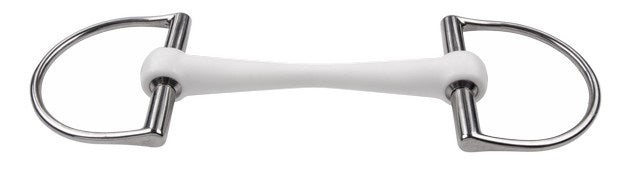
D-ring mullen snaffles excel at providing sympathetic contact without movement, featuring robust D-shaped cheeks for lateral control, weather-resistant stainless steel construction ideal for British conditions, and designs accommodating sensitive mouths through soft or coated materials. These bits suit multiple disciplines and work particularly well for horses requiring gentler communication.
What the research and field studies say about mullen mouthpieces
Scientific research and applied biomechanics studies support many of the practical benefits riders report for mullen mouthpieces. Work using pressure-sensing technology, behavioral observations, and rider-horse outcome tracking shows that a solid, slightly curved bar can reduce peak pressure points on the tongue and bars compared with some jointed bits. Material science and equine oral anatomy research also explain why different materials and cheek designs (like D-rings) affect stability, thermal perception, and salivation — all factors tied to comfort and acceptance. For beginners and experienced riders alike, these studies help translate bit design features into predictable riding outcomes.
Pressure mapping studies: pressure sensors placed under the tongue and on the bars show mullen designs often spread force more evenly, lowering peak pressures compared with certain single-jointed snaffles.
Behavioral outcomes: observational studies and trainer reports link even pressure distribution with fewer head tosses, less mouth gaping, and more consistent contact during flatwork.
Material effects: research on bit materials indicates stainless steel is durable and neutral-tasting but can feel cold in winter; covered or polymer-coated bits (like Happy Mouth) can increase salivation and acceptance for sensitive horses.
Cheek design and lateral stability: D-ring cheeks reduce lateral pinching and provide clearer, steadier rein aids, which is supported by rider feedback and biomechanical analyses of rein force transmission.
Training implications: for many horses, mullen mouthpieces are associated with easier transitions, reduced evasions, and more predictable responses when used as part of a consistent training plan.
Frequently Asked Questions
Which D-ring mullen snaffle suits sensitive British horses best?
For sensitive mouths, choose the Neue Schule Turtle Tactio D-Ring Snaffle, rated 4.4, because its anatomically contoured “Tactio” mouthpiece spreads pressure evenly and includes a turtle design for tongue relief and copper to encourage salivation.
What does the “Tactio” mouthpiece do on Turtle Tactio?
The Neue Schule Turtle Tactio D-Ring Snaffle uses an anatomically contoured Tactio mouthpiece that spreads pressure evenly for steady contact, with turtle tongue-relief shaping plus a copper element to encourage salivation; it’s rated 4.4.
Is Bombers Blue Loose Ring Mullen cheaper than others?
Yes—Bombers Blue Loose Ring Mullen is described as “wins on value for money” with a lower price than stainless or copper-mix options, and it’s rated 4.4; it features a slightly flexible Mullen shape and an enamelled blue finish.
Does Sprenger KK Ultra limit poll rotation for stability?
Yes: the Sprenger KK Ultra D-Ring Snaffle has D-ring cheeks that limit poll rotation and improve lateral response without harshness; it’s rated 4.8 and uses high-grade stainless steel with copper alloy inserts to promote salivation.
Conclusion
Selecting the right mullen mouth D-ring snaffle means considering your horse's individual sensitivity, your preferred discipline, and the practical demands of British weather conditions. The options featured here — including established brands like Shires alongside continental manufacturers such as Korsteel and Metalab — offer varying approaches to material composition, finish quality, and price accessibility. Should you prioritise reliability and value throughout changing seasons, proven British suppliers deliver dependable performance. For those seeking premium continental engineering, European options provide refined metalwork and precision manufacturing. Horses with particularly reactive mouths often respond beautifully to softer mouthpiece materials, whilst standard stainless steel suits the majority of riders effectively. Rather than viewing bit selection as a one-size-fits-all decision, consider your horse's feedback, your trainer's recommendations, and your own riding objectives when making your choice. Many successful riders keep several options available, recognising that different circumstances occasionally call for subtle adjustments to their equipment.