

4 Best Horse Transport & Travel Equipment in the UK for 2026 — Trusted Trailers, Flooring, Safety Tie-Downs & Comfort Gear for Confident Hauling
Transporting horses across the United Kingdom demands purpose-built equipment that protects the animal and keeps the handler confident on the road. This guide covers four core pieces of the transport puzzle — dividers, loading ramps, travel leg protection and in-cab safety monitoring — chosen for UK conditions rather than tested in a lab by us. Two legal points shape every purchase. First, since 16 December 2021 anyone holding a category B car licence may tow a trailer up to 3,500kg maximum authorised mass without sitting the old B+E car-and-trailer test, provided the plated gross train weight of car plus trailer is not exceeded; category BE is simply added when the photocard is next renewed. Second, under the Welfare of Animals (Transport) (England) Order 2006 and assimilated Regulation (EC) No 1/2005, anyone moving horses more than 65km in connection with an economic activity needs a transporter authorisation — Type 1 for journeys up to eight hours, Type 2 beyond that — and drivers or attendants moving equidae over 65km must hold a certificate of competence. Private movement of your own horse to a show is generally outside that requirement, but paid transport is not. British roads add their own demands: salt spray, mud, long motorway hauls and tight yard turns. Shock absorption, ventilation, non-slip flooring and quick-release restraint all matter more than badge appeal.
Inception's AI took the time to understand this market in the UK · · How we pickWe may earn a commission on purchases. It never affects our rankings.
Top Picks Summary
Equi-Trek's Quick Release Adjustable Divider earns its place as the best choice for operators who prioritise rapid reconfiguration and low kerb weight, using high-strength aluminium alloys and an intuitive quick-release latch to cut swapover times and reduce fuel penalty. Technically it undercuts the Ifor Williams by weight and installation speed and is usually more affordable than premium options like Cheval Liberté, making it a cost-effective option for mixed-use trailers and frequent multi-horse transport.
Show More Horse Trailers
Estimated£300 – £500
Woof Wear travel boots hold a best-in-class spot for combining rugged protection with good value — their durable construction and comfortable lining make them a practical choice when the specific needs are unclear. Compared with the premium finish of the LeMieux ProShell or the medical focus of Premier Equine, Woof Wear offers a balance of protection and affordability that suits a wide range of riders for the use case "undefined". This model is particularly strong on cost-to-durability, giving owners solid protection without the higher price premium of specialist boots.
Show More Tie-Down Systems
Road Angel Halo Ultra is a market-leading dashcam and connected driving assistant that combines high-resolution video, live alerts and an intuitive app at a consumer-friendly price point. In the context of the undefined use case, it offers superior driver-facing telematics and incident capture versus purpose-built trackers like Tracker and ScorpionTrack, making it a cost-effective choice for users who prioritize video evidence and on-board alerts over deep fleet telematics or animal-specific features.
Show More Dividers and Removable Partitions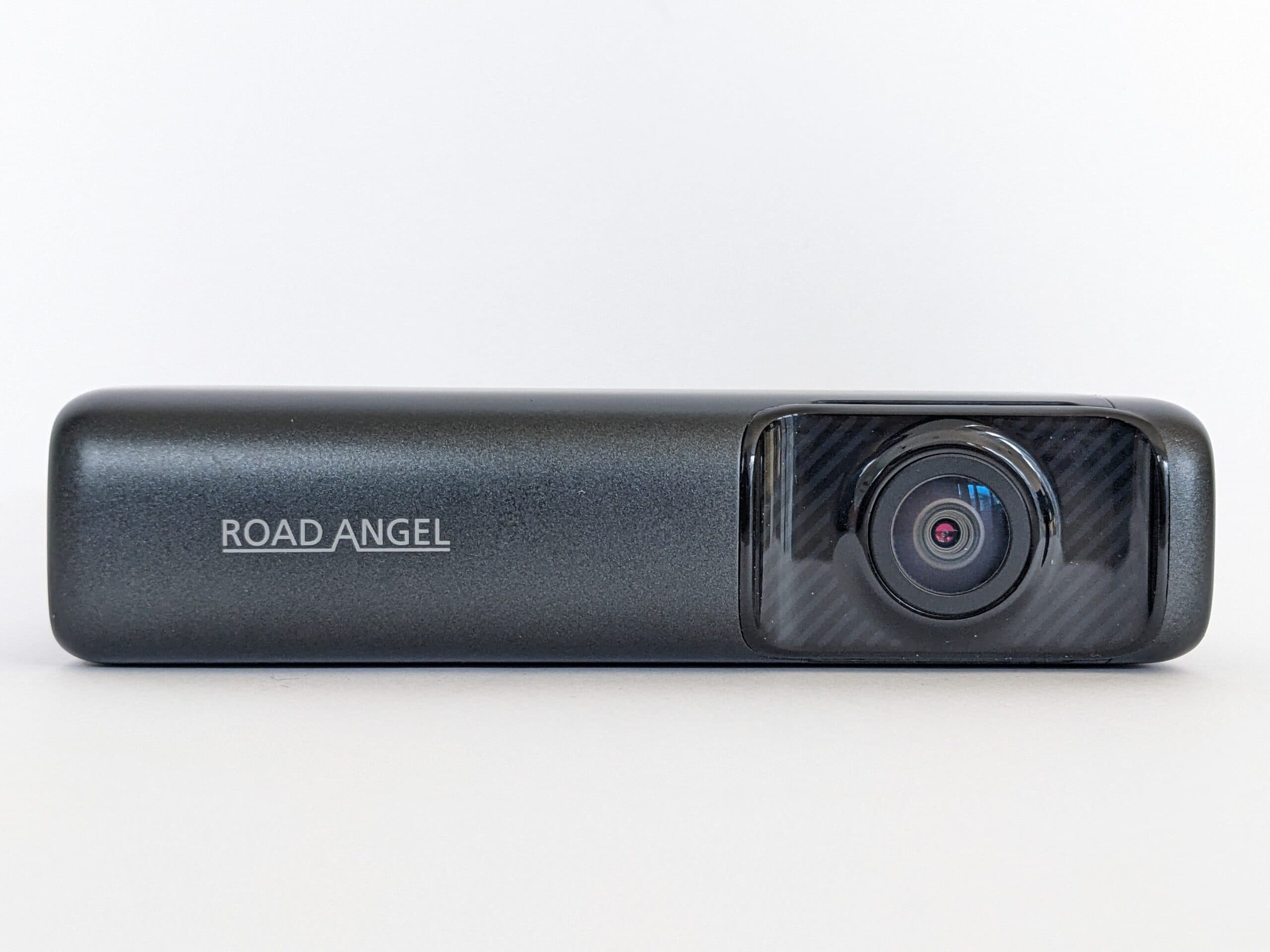
Estimated£199 – £349
UK buyers value weather-resistant construction, compatibility with standard hitch systems found throughout Britain, easy-clean materials that handle frequent washing, excellent ventilation for variable climates, and accessible customer support with local service options.
What the Rules and the Research Actually Say About Horse Transport
Equine transport guidance in Great Britain comes from Defra and the devolved administrations under the Welfare of Animals (Transport) (England) Order 2006, which implements assimilated Regulation (EC) No 1/2005. Alongside the law, veterinary and transport-safety literature consistently points at the same handful of variables: vibration and concussion reaching the limbs, air quality inside a closed box, how a horse is tied, and how easily surfaces can be cleaned. The practical upshot is that flooring, ventilation and restraint choices matter more to welfare than trailer brand.
Transporter authorisation: moving horses over 65km in connection with an economic activity requires a Defra transporter authorisation — Type 1 for journeys up to eight hours, Type 2 for longer ones — and the driver or attendant must hold a certificate of competence for equidae.
Towing entitlement: since 16 December 2021, category B licence holders can tow a trailer up to 3,500kg MAM without the separate B+E test; the plated gross train weight of the car and trailer combination still applies, so a heavy 4x4 does not make any trailer legal.
Shock absorption and suspension: mat and suspension systems that damp repetitive concussive forces are associated in field reports with fewer post-transport lameness and soreness complaints.
Ventilation and air quality: closed boxes accumulate dust, ammonia and heat; airflow design is the main lever on respiratory challenge during longer hauls.
Restraint and tie-down practices: quick-release mechanisms and correctly sized ties reduce entanglement risk and allow a horse that loses balance to be freed quickly.
Slip resistance and flooring: slip-resistant matting with genuine drainage lowers the rate of transport-related slips and the soft-tissue injuries that follow.
Cleaning and biosecurity: surfaces that tolerate frequent washing and disinfecting reduce pathogen persistence between horses, which matters most for eventing yards moving different animals week to week.
Frequently Asked Questions
Do I need a special licence to tow a horse trailer in the UK?
Not since 16 December 2021. Anyone with a standard category B car licence can tow a trailer up to 3,500kg maximum authorised mass without passing the old B+E car-and-trailer test, and category BE is added automatically when you next renew your photocard. You must still stay within the plated gross train weight of your car and trailer combination, and the towing vehicle's own limits.
When do I need a Defra transporter authorisation for horses?
When you move horses more than 65km in connection with an economic activity. Type 1 covers journeys over 65km up to eight hours; Type 2 covers longer journeys. Anyone transporting equidae over 65km must also be competent, which in practice means the driver or attendant holds a valid certificate of competence. Taking your own horse to a show privately usually falls outside this.
Are travel boots better than stable bandages for transport?
Boots such as the Premier Equine Air-Tech Sports Medicine Boots are quicker to fit and cannot unravel mid-journey, which is their main practical advantage over bandages — a bandage that comes loose in a moving trailer is a genuine hazard. Bandages give more adjustable compression when applied correctly, but they require skill to apply evenly. For most owners loading alone, boots are the lower-risk choice.
Is a quick-release divider worth it over a fixed partition?
It is if you regularly change how many horses you carry or load a horse that scrambles. The Equi-Trek Quick Release Adjustable Divider is designed for tool-free width adjustment and fast release, which shortens the time you spend beside an unsettled horse in a confined space. If you always carry the same two horses in the same layout, a fixed partition is simpler and there is less to maintain.
Conclusion
Safer horse transport starts with matching kit to the journey you actually make. A local hack to a Saturday show and a 300-mile relocation are different problems, and the four categories covered here — dividers, ramps, travel boots and in-cab monitoring — are the pieces most owners get wrong first. Before you buy the gear, check the paperwork: your towing entitlement on the plated weights of your own car and trailer, and, if you move horses for anyone else for reward, a Defra transporter authorisation and certificate of competence for journeys over 65km. After that, prioritise flooring and ventilation over cosmetics, and use our filters to narrow by trailer specification, horse count and budget. Whether you are based in the Cotswolds, commuting across the Midlands or running northern routes, the right setup is the one that gets your horse off the ramp calm and sound.