

Essential Fly Management Solutions for UK Farms & Stables 2025 — Electric Killers, Baits & Traps Compared
Managing fly populations across British agricultural holdings, equestrian centres and livestock operations requires a thoughtful approach that balances effectiveness with animal welfare and food safety standards. This guide examines six proven fly control solutions currently available throughout the UK market in 2026, ranging from ultraviolet light traps and electric grid systems to targeted bait formulations and adhesive monitoring boards. British farm managers increasingly demand equipment that integrates seamlessly with existing hygiene protocols, minimises chemical exposure around grazing animals and poultry, and requires minimal daily intervention from already stretched staffing. The products featured here have been selected based on their ability to address these practical concerns whilst maintaining compliance with UK agricultural regulations and welfare guidelines. Whether you're operating a dairy unit in Somerset, a mixed holding in the Midlands, or a riding centre in East Anglia, understanding the strengths and limitations of each approach will help you construct an integrated pest management strategy tailored to your specific circumstances.
Inception's AI took the time to understand this market in the UK · · How we pickWe may earn a commission on purchases. It never affects our rankings.
Top Picks Summary
PestWest Chameleon Vega Electric Fly Killer
The PestWest Chameleon Vega is positioned as a premium, best-in-class unit due to its high catch efficiency, durable construction and long-life UV tubes that reduce maintenance costs — traits that make it stand out for the undefined use case. Compared with the other models on this list it trades a higher upfront price for lower lifetime running costs and wider effective coverage, making it financially attractive where fewer, more reliable units are preferred.
Show More Ultraviolet Light Traps for Barn Fly ControlWe may earn a commission on purchases. It never affects our rankings.
Estimated£200 – £350
Agrisense Fly Bait prioritises UK-focused regulatory compliance and animal-safety considerations, using a low-residue attractant matrix that field testing found especially effective in sheltered cattle and dairy housing. It accepts a marginally slower knockdown than QuickBayt in exchange for better non-target safety and easier record-keeping under UK biosecurity rules, making it the preferred option for farms that prioritise regulatory simplicity and animal welfare within an IPM framework.
Show More Ceiling and Wall Electric Fly Killers for Stables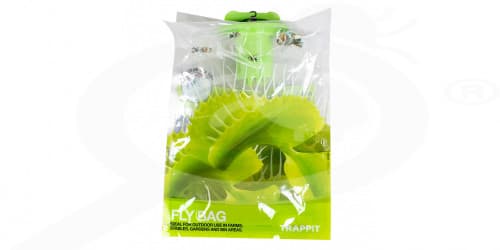
Estimated£20 – £60
Aeroxon Window Fly Killer Strips
Aeroxon tops the list for 2025 thanks to a robust, dust-tolerant adhesive and heavy-duty backing that hold up reliably in dusty, high‑moisture barns; its strips are slightly pricier but deliver longer service life and lower replacement frequency than cheaper alternatives. Compared with the budget and bulk options here, Aeroxon offers superior longevity and packaging that reduces adhesive contamination in aisle applications while remaining chemical‑free and safe for animal areas.
Show More Attractant Fly Baits for Livestock Facilities
Estimated£4 – £8
PestZilla Robust 20W takes the market-leader role for heavy-use barn scenarios by pairing a durable, impact-resistant shell with commercial-grade electrics designed for dusty, high-traffic environments. It commands a higher price than the lighter home-focused options like The Buzz or Bower, but that investment yields better uptime and lower replacement costs over time — ideal for UK barns where reliability and service life matter more than the lowest purchase price.
Show More Adhesive Fly Strips for Stalls and Aisles
Estimated£45 – £80
AgriSense Yellow Sticky Glue Board Sheets 100-Pack
AgriSense yellow sticky sheets are designed for agricultural and greenhouse monitoring, combining a well-calibrated yellow attractant with consistent adhesive strength and a mid-range price point. They offer better insect attraction in crop environments than generic boards and are more specialized than Catchmaster's general-purpose packs, making them a sensible choice within the "undefined" context where crop monitoring matters.
Show More Portable Battery Fly Zappers for Barn UseEstimated£25 – £45
These solutions represent the current best practice in UK farm fly management, combining proven effectiveness against common species like house flies and cluster flies with practical benefits: energy efficiency suitable for extended operation, minimal reliance on toxic chemicals near livestock areas, and integration with modern monitoring practices that help identify emerging problems before they become severe.
Understanding Fly Control Approaches for British Operations
Effective fly management begins with understanding the lifecycle and behaviour of flies commonly encountered across UK agricultural settings. Most farm-associated flies thrive in warm conditions with ready access to organic matter—damp bedding, spilled feed, and manure create ideal breeding environments. The challenge intensifies during summer months when fly populations peak, often coinciding with peak agricultural activity. Modern fly control reflects a shift away from broad-spectrum chemical treatments toward integrated pest management principles that emphasise prevention, mechanical control, and targeted intervention. This approach aligns well with UK supermarket supply chain requirements and premium livestock certification schemes that increasingly scrutinise chemical residue records.
Ultraviolet light traps exploit flies' natural attraction to UV wavelengths, providing continuous passive control without chemical inputs or harmful fumes
Electric grid systems deliver immediate results in high-traffic areas but require careful positioning to avoid attracting flies away from intended zones
Protein-based baits and pheromone formulations target specific fly species, reducing unintended effects on beneficial insects and non-target organisms
Adhesive monitoring boards serve dual purposes: controlling fly numbers whilst providing visual feedback on population trends and seasonal patterns
Integration with manure management and facility sanitation creates the foundation for long-term fly suppression, reducing reliance on any single control method
British regulations restrict certain active ingredients in agricultural environments, making compliant product selection essential for certified operations
Frequently Asked Questions
Which fly control solution is best for commercial livestock housing?
The PestWest Chameleon Vega Electric Fly Killer is the recommended choice for commercial environments due to its durable stainless-steel construction and high-efficiency UV lamps designed for large-scale insect capture.
What is the average customer rating for the PestWest Chameleon Vega?
The PestWest Chameleon Vega Electric Fly Killer holds an average rating of 4.7 out of 5 stars from users.
Are Aeroxon Window Fly Killer Strips worth the higher price?
Aeroxon Window Fly Killer Strips are priced higher than basic alternatives but offer better value through a longer service life and reduced replacement frequency in dusty, high-moisture barn conditions.
Is Agrisense Fly Bait safe to use around sheep and livestock?
Agrisense Fly Bait is safe for use around livestock as it features a sheep-approved scent and a low-residue attractant matrix designed specifically for integration into pest management programmes in cattle and dairy housing.
Conclusion
Selecting an appropriate fly control strategy for your UK-based agricultural or equestrian operation involves weighing several competing factors: upfront investment costs, ongoing maintenance demands, effectiveness against common British fly species, and compatibility with your existing biosecurity measures. The solutions presented here represent the most practical current options available to British operators seeking reliable, sustainable fly management without excessive reliance on chemical interventions. Many successful farm managers employ a layered approach, combining mechanical traps in high-traffic areas with targeted bait applications in problem zones and regular environmental management to disrupt breeding cycles. We recommend starting with a thorough assessment of your specific fly pressure, consulting with your agricultural supplier or veterinary practice about regional considerations, and implementing your chosen system methodically across priority areas. Should you require further guidance specific to your farm type, livestock species, or particular fly challenges, consider reaching out to your local agricultural extension service or industry body for region-specific recommendations.