Best Barn Environmental Monitoring Systems for UK Livestock Farms 2025 — Complete Comparison of Five Leading Solutions
Published on Thursday, 21 August 2025
Modern British livestock operations face mounting pressure to maintain optimal indoor air quality whilst managing operational costs and meeting increasingly stringent environmental regulations. Whether you're managing a dairy unit in the Midlands, a poultry facility in East Anglia, or a pig farm in Yorkshire, investing in a robust environmental monitoring system has become essential for protecting animal welfare, staff wellbeing, and your farm's profitability. Ready-to-deploy monitoring kits streamline the process of measuring critical air quality parameters—including particulate matter (PM2.5 and PM10), ammonia concentrations, carbon dioxide levels, temperature, and humidity—enabling farmers to make data-informed decisions about ventilation strategies and dust suppression techniques. The market now offers several sophisticated solutions designed specifically for agricultural environments. British farmers increasingly prioritise systems that combine reliable sensor technology with practical connectivity options (whether cellular, Wi-Fi, or LoRa networks), responsive local technical support, extended battery performance, and intuitive dashboards that translate complex measurements into actionable insights. Installation simplicity, calibration requirements, integration capabilities with existing farm infrastructure, scalability across multiple buildings, and total cost of ownership remain critical considerations when evaluating these systems. This comprehensive guide examines five market-leading environmental monitoring kits that address the specific needs of UK agricultural producers seeking to optimise ventilation performance, minimise dust-related health risks, ensure regulatory compliance, and ultimately enhance their operational efficiency.
Top Picks Summary
Onset HOBO MX1104
Designed for precision barn-environment monitoring in the 2025 UK guide, the Onset HOBO MX1104 stands out for its Bluetooth Low Energy connectivity, accurate temp/RH sensors and easy mobile/cloud integration that make scalable deployments cost-effective compared with full alarm systems. Its strength is data richness and low maintenance (long battery life and straightforward sensor calibration), giving farmers detailed trend data that complements — rather than replaces — real‑time alarm systems like the Sensaphone Sentinel PRO.

Sensaphone Sentinel PRO
The Sensaphone Sentinel PRO holds its place as the market leader for real‑time protection in farm buildings, delivering multi-channel alarming (phone, SMS, email) and relay outputs to trigger fans or dampers — a critical financial safeguard against catastrophic ventilation failures that simple loggers cannot provide. While pricier than USB loggers such as the Lascar or Tinytag, its technical advantage is immediate automated control and fail-safe notification, making it the go‑to choice where uptime and rapid intervention matter most.

Davis Instruments Vantage Vue with EnviroMonitor
The Davis Vantage Vue paired with EnviroMonitor is a versatile weather‑station based solution that brings comprehensive meteorological data (wind, rain, temp, humidity) into cloud dashboards tailored for barn ventilation and dust-control strategies, offering a broader dataset than single-purpose loggers. It provides a mid-range financial proposition: more expensive than entry-level loggers but less specialized (and often more affordable) than industrial alarm controllers, making it ideal for farms that need both local control insight and regional weather context.

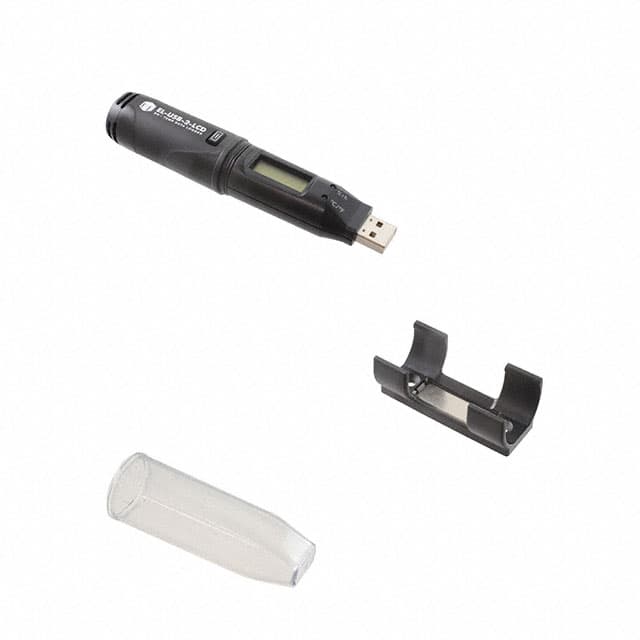
Lascar EL-USB-2-LCD
The Lascar EL-USB-2-LCD is a budget‑friendly, plug‑and‑play temperature/humidity logger with an onboard display that excels for spot checks and distributed monitoring points in large barns where cost-per-unit matters most. It lacks wireless alarm and remote-control features found on the Sensaphone or cloud‑connected HOBO units, but its low upfront cost and simplicity make it an attractive option for farmers who need many low‑cost sensors to map ventilation and dust hotspots.
Tinytag Plus 2 TGP-4500
The Tinytag Plus 2 TGP-4500 is a rugged, UK‑supported data logger built for long deployments in harsh barn environments; its robust casing, long battery life and reliable accuracy make it preferable over basic USB loggers when durability and regulatory‑grade records are required. Though it sits above ultra‑cheap options on price, its technical resilience and local support (valuable in the UK market) offer a lower total cost of ownership for farms needing dependable long‑term monitoring rather than just occasional spot checks.
These five monitoring systems share several hallmark characteristics: sensor accuracy verified against agricultural industry standards, robust construction designed for challenging farm environments, flexible deployment options across different building types, real-time data accessibility via smartphone and desktop applications, and integration capabilities with modern farm management software platforms.
Understanding Barn Environmental Monitoring for UK Farms
Environmental monitoring has become indispensable in contemporary UK agriculture, where animal welfare standards, worker safety regulations, and environmental stewardship requirements converge. Effective air quality management directly influences livestock health outcomes, reduces disease transmission risks, improves staff working conditions, and demonstrably decreases energy consumption through optimised ventilation strategies.
Ammonia accumulation above 20 ppm significantly compromises respiratory health in livestock and farm workers; continuous monitoring enables timely intervention
PM10 particulate matter in poorly ventilated barns regularly exceeds workplace safety thresholds; dust suppression protocols require accurate real-time measurement data
Temperature and humidity imbalances create conditions favouring pathogenic organisms; precision environmental control reduces antibiotic dependency and improves productivity
Modern connectivity enables remote monitoring from farm offices or mobile devices, allowing rapid response to environmental anomalies regardless of physical location
Integration with automated control systems optimises fan operation and inlet positioning, reducing energy consumption whilst maintaining ideal conditions for livestock performance
Regulatory compliance documentation increasingly requires verifiable environmental data; these systems generate comprehensive audit trails satisfying UK agricultural standards and export requirements
Data analytics reveal seasonal patterns and long-term trends, informing infrastructure upgrades and operational procedure refinements that enhance overall farm resilience
Frequently Asked Questions
Which barn monitoring system suits UK dairy ventilation best?
For UK dairy ventilation, the Onset HOBO MX1104 is a strong fit because it uses Bluetooth connectivity for on-site smartphone downloads and configuration, and has an average rating of 4.6.
What sensor capability does Onset HOBO MX1104 provide?
The Onset HOBO MX1104 provides accurate temperature and relative humidity sensing, with an average rating of 4.6, and it’s designed with a compact form factor for barn-environment monitoring.
How does Sensaphone Sentinel PRO pricing compare here?
No price is provided for the Sensaphone Sentinel PRO in the supplied details, but it averages 4.2 and offers multi-channel alerts via phone call, SMS and email plus relay outputs for ventilation control.
Is Sensaphone Sentinel PRO better for real-time alarming than logging?
Yes—Sensaphone Sentinel PRO is focused on real-time protection, delivering alerts via phone call, SMS and email for critical events, and it averages 4.2; Onset HOBO MX1104 is positioned for wireless logging via phone.
Conclusion
Selecting the right environmental monitoring system represents a significant investment in your farm's future performance and sustainability credentials. The five solutions explored in this guide each bring distinct strengths to different operational scenarios. For farms seeking an excellent all-round solution with proven reliability and user-friendly deployment, the Onset HOBO MX1104 Agricultural Monitoring Kit delivers impressive value and straightforward implementation. Those prioritising continuous system surveillance and rapid alert capabilities will find the Sensaphone Sentinel PRO Barn Monitor System exceptionally capable, whilst operations desiring tight environmental control and automated fan management benefit considerably from the AgroLogic AL-2000 Environmental Controller Kit. Large-scale commercial enterprises managing multiple facilities will appreciate the comprehensive capabilities and integration options provided by the Munters Rotem Pro Environmental Control System, whereas farms requiring flexible multi-site coordination and gateway flexibility favour the Davis Instruments EnviroMonitor Gateway System. We encourage you to assess your specific requirements—including herd size, facility type, existing infrastructure, compliance obligations, and budget parameters—before making your final decision. Visit our detailed product reviews, utilise our comparison filters, or contact our team to discuss which system aligns best with your farm's unique circumstances.