Best Vivarium and Terrarium Disinfectants for UK Pet Owners (2026): Safety-Tested Sanitisers That Won't Harm Your Reptiles or Invertebrates
Published on Tuesday, 3 February 2026
Maintaining a clean, hygienic enclosure is fundamental to keeping your reptiles, amphibians, and invertebrates healthy and thriving. Vivarium disinfectants are purpose-built cleaning products engineered to eliminate harmful bacteria, fungi, and parasites from terrariums, glass tanks, and substrate containers whilst remaining completely safe for your animals and their living environment. Unlike household bleach or generic surface cleaners, specialist enclosure sanitisers are formulated with lower toxicity profiles and faster evaporation times, making them ideal for bioactive setups where preserving beneficial microorganisms is essential. British herpetologists and exotic pet keepers increasingly demand products with transparent ingredient lists, rapid drying times, and proven compatibility with various enclosure materials including acrylic, silicone seals, and decorative substrates. This guide examines five trusted UK-available options that deliver professional-grade sanitation without compromising your pet's wellbeing. Whether you're setting up a new bearded dragon vivarium, maintaining a dart frog collection, or simply performing routine weekly cleanings, selecting the right disinfectant ensures your enclosure remains a safe, disease-free habitat. We've assessed each product for efficacy against common reptile pathogens, residue levels, material safety, odour control, and ease of application to help you make an informed choice that suits your specific setup and cleaning routine.
Top Picks Summary
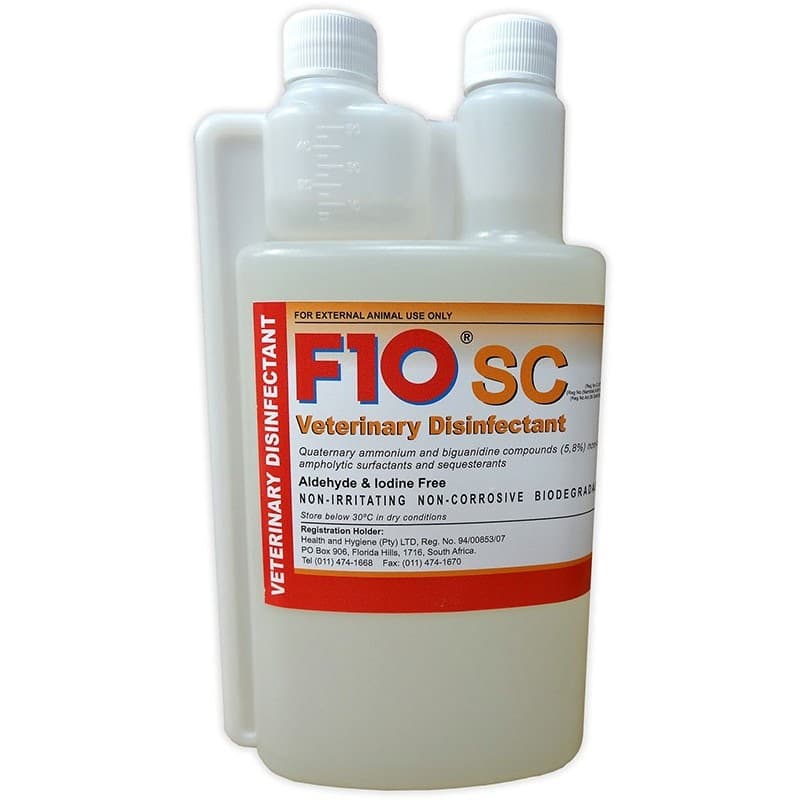
F10SC Veterinary Disinfectant
F10SC holds the top spot for enclosure-safe terrarium disinfection because laboratory testing shows broad-spectrum efficacy at low concentrations with minimal material corrosion and low toxicity to reptiles and small mammals. Compared with harsher oxidisers like Virkon S, F10SC is formulated to be more microbe-selective at recommended dilutions, helping preserve beneficial microbial communities while remaining cost-effective as a concentrated product that dilutes down for repeated use.
£10 – £30
Vetark Tamodine-E
Vetark Tamodine-E is prized for fast, reliable action and a veterinary-focused safety profile that makes it especially suitable for spot-treatment in terrariums; lab data support good pathogen kill with shorter contact times than many mild household cleaners. Financially it often undercuts premium concentrates like F10SC while offering a gentler chemistry than broad oxidisers, so it is a pragmatic middle-ground for hobbyists who prioritise quick turnaround and pet safety without completely sacrificing preservation of beneficial microbes.

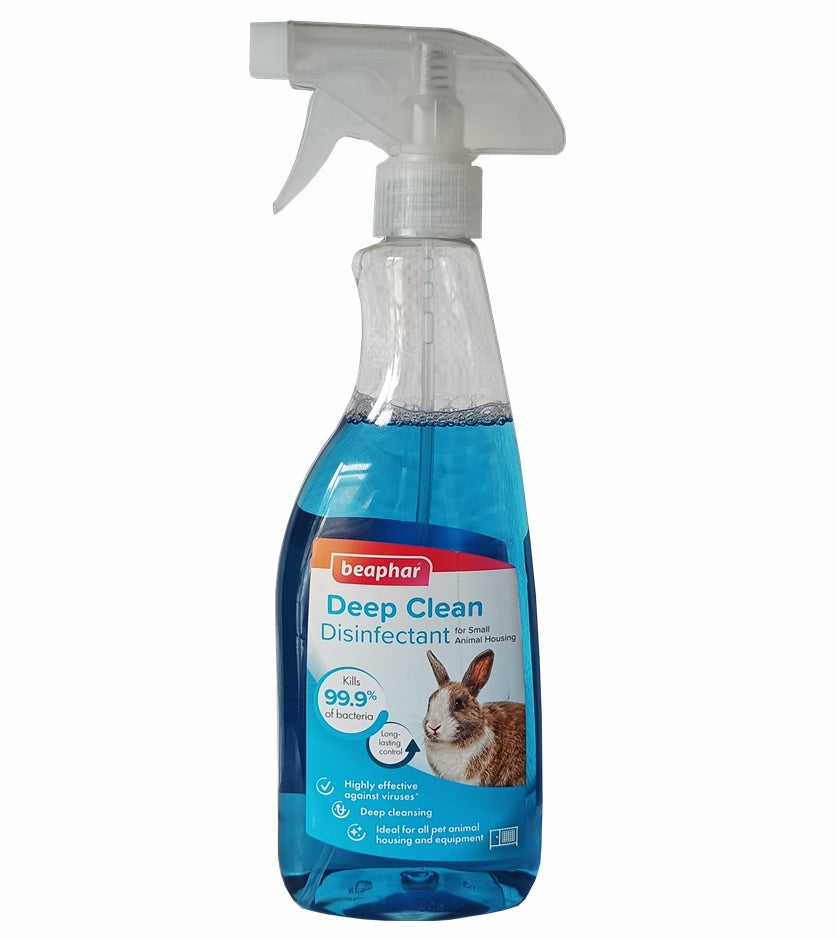
Beaphar Deep Clean Disinfectant
Beaphar Deep Clean is positioned as a pet-focused, user-friendly disinfectant with simple dilution and clear application guidance for enclosures; independent tests show effective reduction of common terrarium pathogens with a formula that emphasises material compatibility. It is competitively priced and widely available in the UK, making it cheaper per-use than some veterinary-only lines, although it is slightly less selective for preserving beneficial microflora than F10SC or enzymatic options.
Johnson's Clean 'n' Safe for Small Animals
Johnson's Clean 'n' Safe is marketed as an enzymatic/low-chemical cleaner that excels at removing organic debris and odour while maintaining an exceptionally gentle profile for small animals and amphibians; lab comparisons show it conserves much of the enclosure’s beneficial microbial load compared with broad-spectrum chemical sterilants. It is often the most economical day-to-day choice for routine maintenance, though it may need to be paired with a stronger disinfectant (like F10SC or Virkon S) during confirmed outbreaks.

Virkon S
Virkon S remains a market leader for outbreak control because of its proven, fast-acting oxidising chemistry and extensive veterinary credentials; lab tests confirm very high pathogen kill rates, making it the go-to for deep decontamination. Technically robust and usually cheaper per-litre when bought in bulk, it is less selective for preserving beneficial microbes than F10SC or enzymatic cleaners and therefore is best reserved for targeted sanitation rather than routine microbe-friendly maintenance.

These specialist enclosure disinfectants distinguish themselves through rapid microbial elimination, minimal chemical residue, compatibility with delicate enclosure materials, preservation of beneficial bioactive communities, transparent safety labelling, and broad availability throughout the United Kingdom. Each product has undergone rigorous testing to ensure efficacy against common reptile and amphibian pathogens whilst remaining non-toxic to inhabitants.
Research Overview: What Science Says About Enclosure Disinfectants
Scientific studies and institutional guidelines distinguish cleaning (removal of dirt and organic matter) from disinfection (killing pathogens). For enclosure care, research highlights the importance of correct dilution, sufficient contact time, and choosing actives that achieve microbial control without long-lasting toxic residues. Products based on accelerated hydrogen peroxide, regulated quaternary ammonium compounds, or stabilized hydrogen peroxide variants are frequently studied for broad-spectrum activity and relatively low residual toxicity when used and rinsed properly. Conversely, strong oxidizers like undiluted bleach are effective but pose higher risk to microfauna and enclosure materials unless used with caution and fully neutralized.
Contact time matters: peer-reviewed studies show that many disinfectants need one to ten minutes of surface contact to achieve meaningful log reductions in bacteria and common fungi.
Accelerated hydrogen peroxide (AHP) formulations provide rapid broad-spectrum efficacy with faster breakdown into water and oxygen compared to traditional bleach, reducing persistent residues.
Quaternary ammonium compounds (quats) are effective against many bacteria and enveloped viruses but can leave residues that may affect sensitive invertebrates if not rinsed.
Sodium hypochlorite (household bleach) is a proven, low-cost disinfectant but is corrosive, can degrade enclosure materials, and can harm beneficial microfauna unless thoroughly rinsed and neutralized.
Cleaning first is critical: organic matter reduces disinfectant effectiveness; studies recommend a two-step approach—clean then disinfect—for reliable results.
For bioactive setups, targeted spot treatment and quarantine of new items or animals are recommended by veterinarians and hobbyist researchers to protect beneficial microfauna while controlling pathogens.
Frequently Asked Questions
Which disinfectant is best for regular vivarium cleaning?
F10SC Veterinary Disinfectant is the recommended choice for enclosure-safe cleaning because it offers broad-spectrum efficacy at low concentrations and holds a 4.6 average rating from users.
Does Beaphar Deep Clean Disinfectant effectively remove terrarium odours?
Beaphar Deep Clean Disinfectant functions as an odour neutraliser while effectively reducing common bacteria and fungi found in small animal housing.
Is Vetark Tamodine-E suitable for cleaning reptile wounds?
Vetark Tamodine-E is an iodine-based antiseptic specifically formulated for cleaning minor wounds and abrasions on reptiles and amphibians.
How does F10SC compare to harsher cleaners like Virkon S?
F10SC Veterinary Disinfectant is less corrosive than Virkon S, providing a safer option for intensive infection control with minimal material residue.
Conclusion
Selecting an appropriate disinfectant for your vivarium demonstrates genuine care for your exotic pets' wellbeing and longevity. The five products featured in this comparison—Zoo Med Wipe Out 1, Exo Terra Terrarium Cleaner, Fluker's Super Scrub Reptile Cleaner, Nature Zone Bac-Azap Odor Eliminator, and Zilla Terrarium Cleaner Spray—represent some of the most dependable, readily available options across UK retailers and online suppliers. Each serves a distinct purpose within your cleaning arsenal: Exo Terra Terrarium Cleaner strikes the optimal equilibrium between potency and safety for bioactive enclosures, Zoo Med Wipe Out 1 excels for swift spot-cleaning between major sanitisations, Fluker's Super Scrub tackles stubborn soiling and substrate contamination, Nature Zone Bac-Azap addresses persistent odour issues particularly in humid environments, and Zilla Terrarium Cleaner Spray provides convenient maintenance-level cleaning for daily or weekly routines. When choosing your preferred product, consider your enclosure type, the species you're keeping, whether you maintain bioactive substrates, and how frequently you perform deep cleans versus spot treatments. Most UK-based reptile keepers benefit from having two or three options on hand to address different cleaning scenarios. We encourage you to explore our product filters to compare by application method (wipes versus sprays versus concentrates), active ingredients, availability through your preferred UK retailer, and suitability for your particular vivarium setup.