

Top 7 Bark and Wood Substrates for Insect & Reptile Habitats in the UK - 2026
For insects and other invertebrates the safe picks on this page are the cypress, fir and coconut-based substrates: Zoo Med Forest Floor is cypress mulch, Zoo Med Repti Bark is fir bark, and coco husk chips are coconut. Never use cedar or fresh pine shavings. Their aromatic oils (thujaplicins in cedar, abietic acid and pinenes in pine) are toxic to insects, spiders and isopods and irritate reptile airways. Bark chips and wood-based bedding form the foundation of many UK reptile and invertebrate habitats, offering reliable moisture management, good drainage and natural cover. Quality bark substrates support humidity gradients in enclosed environments, provide burrowing and hiding opportunities that reduce stress, and hold their structure long enough for a bioactive setup to establish. Two things separate a pet-grade product from a garden one: it is sold dust-extracted and free of pesticides, fungicides and wetting agents, and it has been heat-processed to knock back mites, gnat larvae and fungal spores. Horticultural bark and mulch meet neither standard as sold.
Inception's AI took the time to understand this market in the UK · · How we pickWe may earn a commission on purchases. It never affects our rankings.
Top Picks Summary
Zoo Med Forest Floor Bedding
Zoo Med Forest Floor Bedding is 100% natural cypress mulch, finely shredded to mimic a forest floor and improve moisture retention, microhabitat cover and surface comfort for terrestrial species. Cypress is not an aromatic softwood, so unlike cedar or fresh pine it carries no phenol or abietic-acid risk for invertebrates. Compared with chunkier chips like ProRep or Exo Terra, it gives superior litter-like cover and odour control while remaining competitively priced for keepers who prioritise humidity and naturalistic hides over maximum aeration.
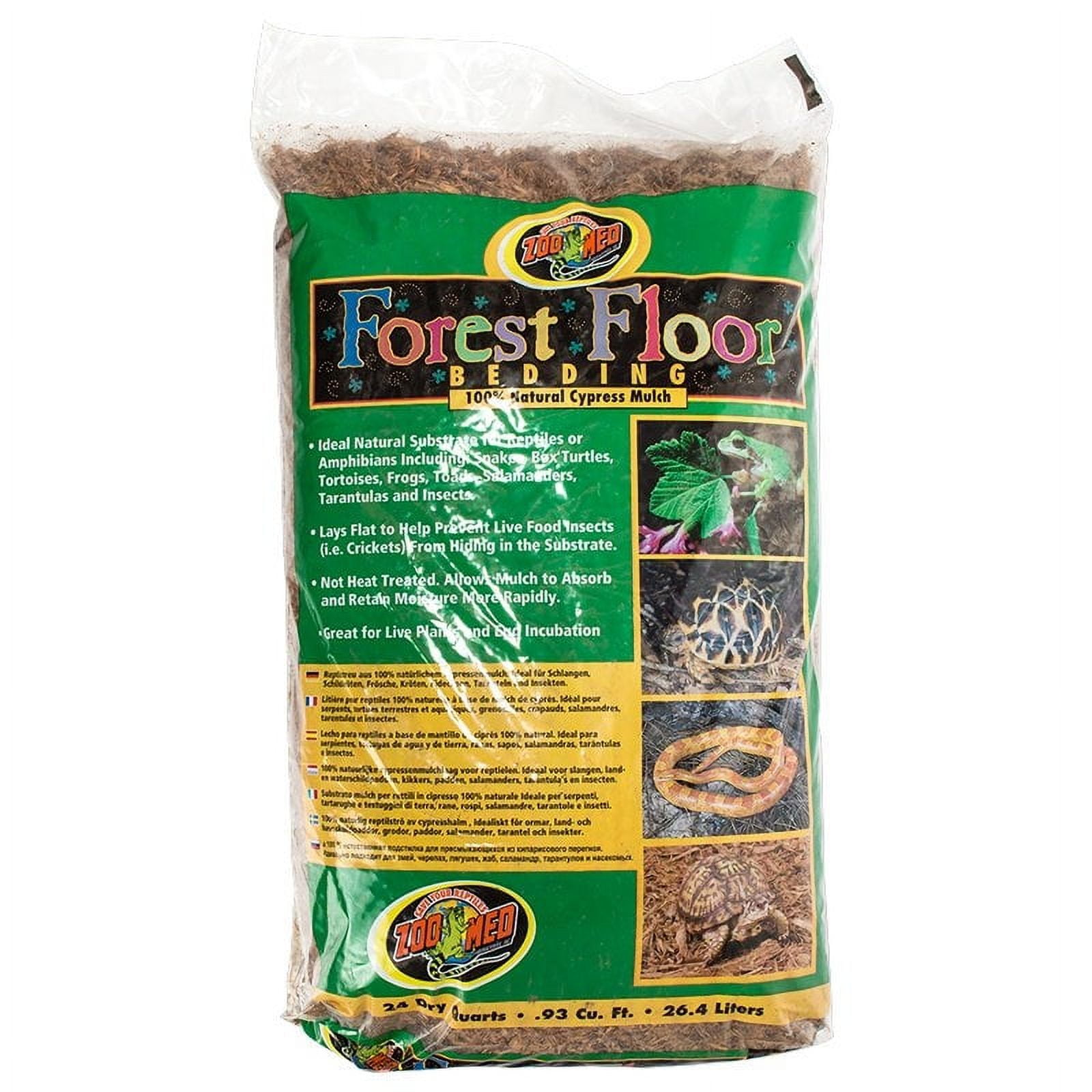
Estimated£6 – £12
ProRep Bark Chips
ProRep Bark Chips are a market-leader for UK keepers who need large, chunky pieces that promote aeration, drainage and easy burrowing at a budget-friendly price point. While they retain less moisture than Zoo Med or Coco Husk, their cost-effectiveness and coarse texture make them ideal where airflow and substrate stability matter most compared with the finer orchid bark or moisture-holding coco options.

Estimated£5 – £15
Exo Terra Forest Bark
Exo Terra Forest Bark delivers a consistent, pet-trade-ready bark blend that balances moisture retention and aeration while offering uniform particle size for predictable enclosure behaviour and easier maintenance than many generic mixes. Compared with Zoo Med's leaf-litter approach it gives more structure for burrowing and is more consistent than some budget ProRep batches, making it a go-to for keepers who want reliable performance with retailer-backed quality.

Lucky Reptile Premium Coco Husk
This coconut husk chip substrate earns the top spot for its high water-holding capacity, even texture and consistent quality, which make it well suited to humidity-loving enclosures. Coconut husk is not a wood at all, so the phenol question that hangs over softwood substrates does not apply. Compared with the chunkier bark products here, its moisture retention and plant-friendly qualities reduce the need for frequent misting and replacement, offering a cost-effective bulk option for long-term setups. Its near-neutral pH and low-dust profile give it a clear advantage over drier arid mixes like Arcadia EarthMix Arid for tropical and forest-floor habitats.

We may earn a commission on purchases. It never affects our rankings.
Estimated£6 – £12
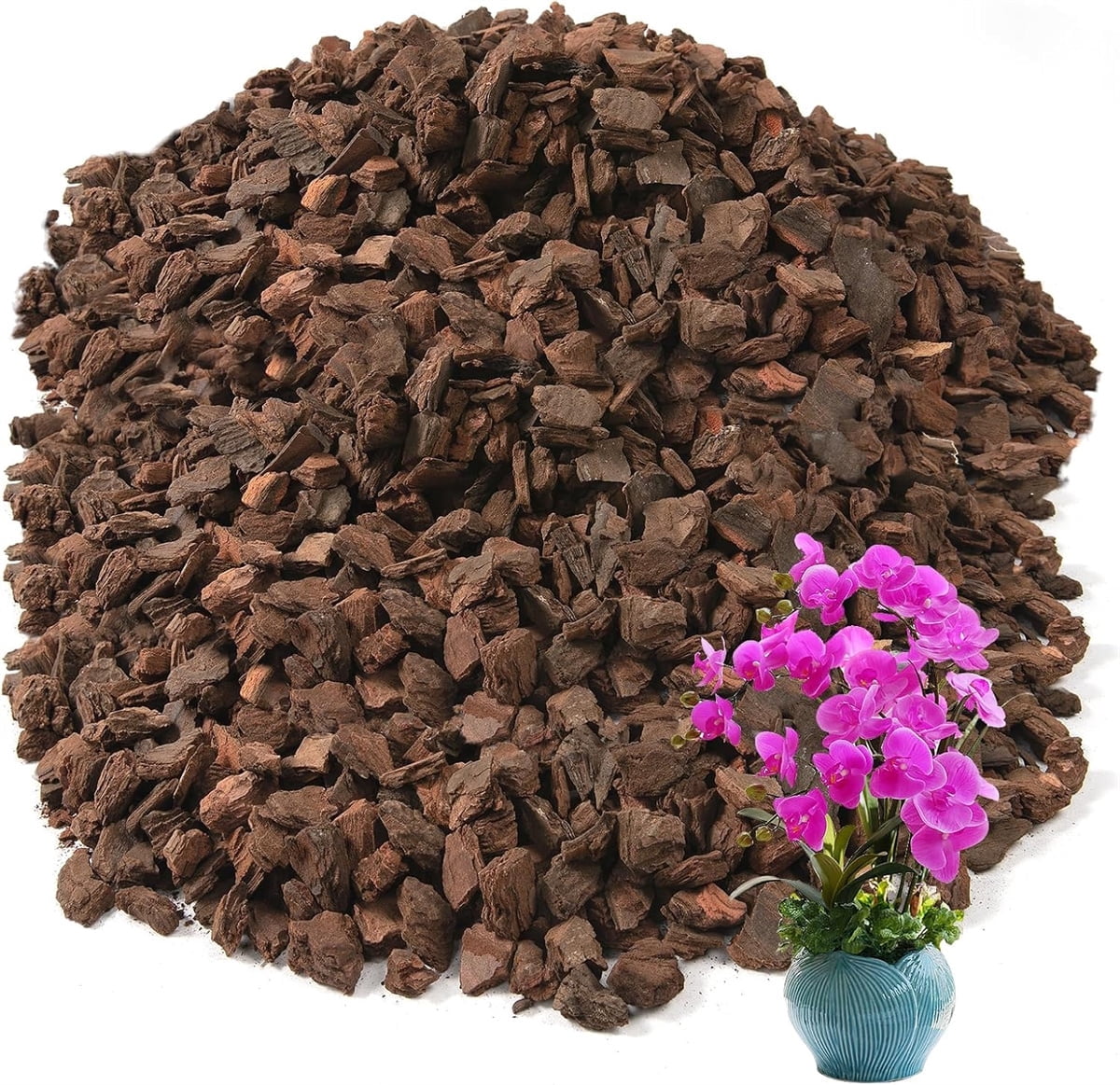
Orchid Bark Substrate by Growth Technology
Orchid bark sold in the UK is composted pine bark, and this is a horticultural growing medium rather than a pet-grade substrate. Its coarse, airy structure promotes drainage and root aeration, and the chunky pieces resist breakdown longer than finer substrates like coco husk, which cuts how often you replace it. That makes it a reasonable drainage layer or planted-terrarium medium, but it is not sold to a pet-safe standard: garden-grade bark can carry pesticide, fungicide or wetting-agent residue as well as mites and fungus-gnat larvae. Rinse it and heat-treat it before it goes anywhere near invertebrates, or use a reptile-grade bark instead.
We may earn a commission on purchases. It never affects our rankings.
£4.99GBP£8.99
Zoo Med Repti Bark
Zoo Med Repti Bark is made from natural fir bark, a non-aromatic softwood bark that avoids the phenol and abietic-acid problems of cedar and fresh pine. It is a pet-trade standard known for its natural appearance, good odour control and suitability for burrowing or foraging species, and it is more widely stocked at UK retail than premium specialty substrates. Technically it balances moisture retention and structure, making it more versatile than the strictly arid Arcadia EarthMix Arid but less water-holding than coco husk for high-humidity habitats.

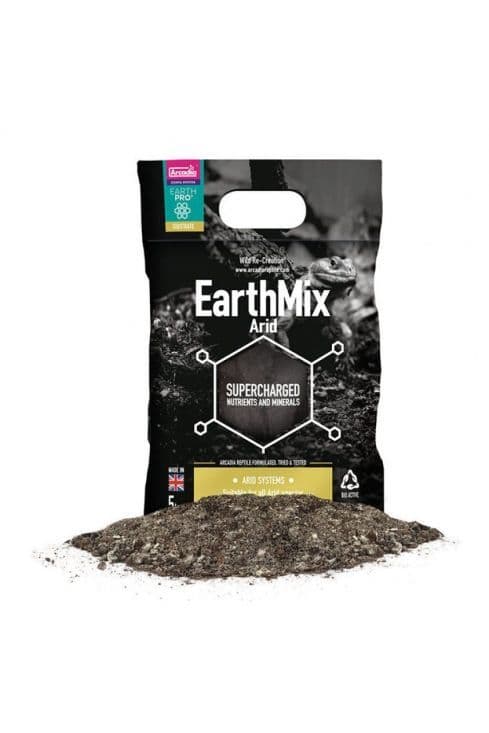
Arcadia EarthMix Arid
Arcadia EarthMix Arid is a sand and soil blend rather than a bark or wood substrate, engineered for desert species with a low-moisture, mineral-rich grain mix that reduces mould and compaction risk. It arrives ready to use, so there is no blending of additives for an arid enclosure. Compared with the organic bark and coco products on this list its advantage is consistent dryness and particle sizing, which makes it the obvious choice for a realistic desert base — and equally the wrong choice for tropical invertebrates such as isopods, stick insects and most tarantulas, which need a substrate that holds humidity.
Estimated£10 – £25
How to choose and prepare bark or wood substrate safely
The single most important decision is the wood. Cedar and fresh pine release aromatic oils and phenols that are toxic to invertebrates and irritating to reptile airways, so they are ruled out whatever the bag says. Cypress, fir and composted bark are the usual safe options, and coconut husk or coir sidesteps the question entirely. After that it comes down to how the substrate behaves in a closed box: coarse chips drain and stay aerated, fine leaf-litter mixes hold moisture at depth for burrowers, and arid sand-soil blends are for desert species only. The third consideration is what comes in the bag alongside the bark. Reptile-grade products are dust-extracted and heat-processed; horticultural bark, ornamental mulch and anything you collect yourself are not, and can carry pesticide or wetting-agent residue, mites, fungus-gnat larvae and fungal spores.
Wood species first: cedar (thujaplicins) and fresh pine (abietic acid, alpha-pinene) are toxic to tarantulas, stick insects, isopods, beetles and mantids. Cypress, fir and aged composted bark are the safe alternatives.
Garden-centre orchid bark is composted pine sold as a growing medium, not a pet product. Bags can carry pesticide, fungicide or wetting-agent residue and are not screened for pests.
Sterilise anything that is not reptile-grade: spread it thin and bake at roughly 90-100°C for about 30 minutes, then cool and air it off. This kills mites, gnat larvae and fungal spores without destroying the structure.
Damp bark breeds mites and fungus gnats. Keep a drier surface layer, clear uneaten food daily, ventilate properly, and let springtails and dwarf isopods handle the clean-up instead of chemicals.
White fuzz on newly wetted bark is usually harmless surface mycelium and fades as the enclosure settles. Spreading black or persistent growth means too much water or too little airflow — cut the misting and replace the top layer.
Match particle size to the animal: fine leaf-litter for burrowers, chunky chips for drainage-led tropical setups, and dry sand-soil mixes only for arid species.
Dust matters for small-lunged animals and for anything living on the substrate. Dust-extracted or washed products are worth the premium; sieve budget bags before use.
Frequently Asked Questions
Which substrate should I choose for burrowing terrestrial pets?
Zoo Med Forest Floor Bedding is a strong pick for burrowing terrestrial species because it is a finely shredded, leaf-litter style mix that holds moisture deeply, stays low in dust and keeps a loose texture that encourages burrowing. It is made from cypress mulch rather than cedar or pine, so it carries none of the aromatic-oil risk. It has a 4.5 average rating and typically sells in the UK for around £6-£12.
How does ProRep Bark Chips help with drainage and aeration?
ProRep Bark Chips are coarse, chunky pieces that promote good airflow and drainage while holding their shape to form stable hides and tunnel structures, which is why they suit larger humid enclosures. The listing shows a 4.1 average rating, with UK prices generally in the £5-£15 range.
Is Zoo Med Forest Floor Bedding better value than Exo Terra Forest Bark?
Zoo Med Forest Floor Bedding (4.5 rating, roughly £6-£12) leans toward deep moisture retention and a soft leaf-litter texture, while Exo Terra Forest Bark (4.3 rating, roughly £7-£18) offers more consistent particle size and structure. For humidity-loving burrowers Zoo Med often edges ahead on value; for predictable, uniform bark Exo Terra is the steadier choice.
Do Exo Terra Forest Bark chips suit humidity-loving reptiles?
Yes. Exo Terra Forest Bark balances moisture retention and airflow for humidity-loving species, with a consistent particle size that gives predictable enclosure behaviour and easier maintenance. It holds a 4.3 average rating. The chunky chip size suits tropical reptiles and larger invertebrates better than small burrowers, which do better in a finer leaf-litter mix.
Conclusion
This guide reviewed seven bark and wood-based substrates available in the UK: Zoo Med Forest Floor Bedding (cypress mulch), ProRep Bark Chips, Exo Terra Forest Bark, Lucky Reptile Premium Coco Husk, Orchid Bark Substrate by Growth Technology (composted pine, horticultural grade), Zoo Med Repti Bark (fir bark) and Arcadia EarthMix Arid (a sand-soil mix rather than bark). Each has distinct strengths for moisture control, drainage and appearance, but for most keepers seeking a balance of moisture retention and bioactive compatibility the coco husk stands out as the best overall choice. Whatever you pick, avoid cedar and fresh pine entirely, and heat-treat any horticultural or wild-collected bark before it goes in. If you want to refine or expand your search, use the site search or filters to compare particle size, moisture profile and species suitability.