

Top 5 Frozen Prey Packs for Snakes in the UK: 2026 Picks
Preportioned and frozen prey packs for snakes are a practical, safe and widely used feeding solution across the UK hobbyist and professional communities. These packs contain size-graded mice, rats, chicks and specialty prey, frozen and portioned to match gape size and feeding schedules for hatchling, juvenile and adult snakes. UK consumers favour frozen prey because it offers consistent nutrition, reduced risk of injury to the snake, easier storage and predictable portion control for breeders and keepers. Ethical and biosecurity concerns also drive demand: many owners prefer pre-killed or frozen-thawed prey to avoid live feeding, and reputable UK suppliers follow strict handling and freezing protocols that extend shelf life and reduce parasite and pathogen risks. For 2026, the market favours suppliers who combine clear size grading, transparent sourcing, and reliable cold-chain delivery to give keepers confidence when feeding a wide range of snake species.
Inception's AI took the time to understand this market in the UK · We may earn a commission on purchases. It never affects our rankings.
Top Picks Summary
Monkfield stakes a best-in-class position by combining consistent sizing, rapid flash-freezing and bulk pricing that make it the go-to economical choice for regular feeders. Compared with premium brands on this list it undercuts on price while matching standard technical needs (vacuum-sealed packaging and reliable thaw performance), making it ideal for keepers who feed frequently and want predictable portion control.
Show More Frozen Mouse Packs for Snakes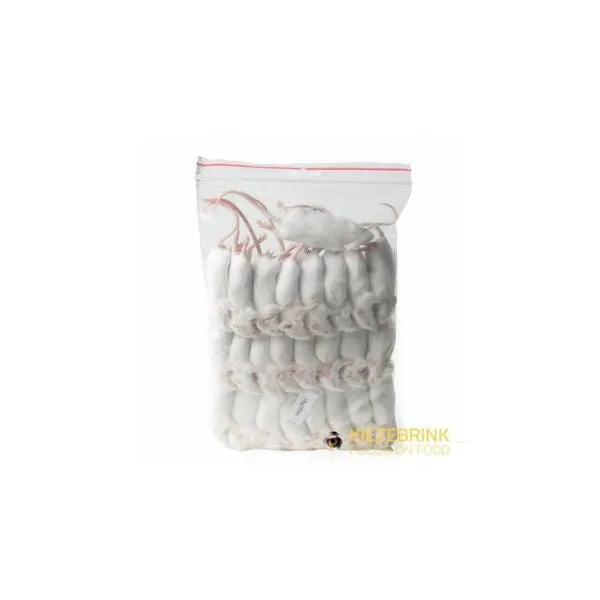
Peregrine Livefoods Frozen Rats hold a market-leader position for offering one of the widest size ranges and vacuum-sealed, individually packed options that preserve cold-chain integrity — a technical plus for keepers who want flexibility and minimal freezer waste. They sit above basic budget lines here by charging a premium for packaging, variety and perceived quality control, making them the smart choice for hobbyists and breeders who value selection and reduced handling time over the lowest unit price.
Show More Frozen Rat Packs for Snakes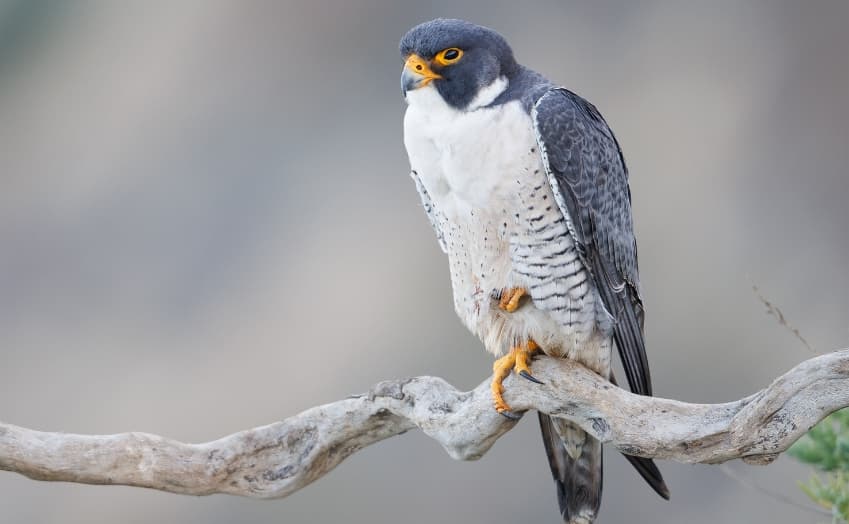
Frozen Day-Old Chicks (Northampton Reptile Centre)
Northampton Reptile Centre's Frozen Day-Old Chicks are a cost-efficient staple that hold their place for buyers seeking consistent, small-prey feeding options; their uniform size and simple packaging make them cheaper per unit than whole quail alternatives. For the undefined use case this listing targets, they offer predictable portioning and lower upfront cost compared with premium suppliers, though they trade off the higher fat and calcium content found in whole-quail products.
Show More Frozen Poultry Packs for Snakes
Mice Direct earns a best-in-class spot for UK and European snake keepers thanks to reliably consistent sizing, individual vacuum-sealed packing and fast domestic dispatch that lowers spoilage risk. Compared with the bulk-focused Kiezebrink and the US-targeted Internet Reptile packs, Mice Direct balances competitive price-per-kilo with convenient single-animal thawing that reduces waste for hobbyists and breeders.
Show More Frozen Rabbit Packs for Snakes
Where to buy Mice Direct Frozen Rabbits in UK: we track one retailer, Micedirect, and show the price we last observed there; the price you see at checkout may differ.
We may earn a commission on purchases. It never affects our rankings.
£15 – £35
Reptilinks Frog Blend Sausages
Reptilinks Frog Blend Sausages are best-in-class for keepers needing a consistent, amphibian-focused frozen prey option — the sausaged format gives predictable portion sizes and a formulated nutrient profile tailored to frog-eating snakes. Compared with the whole-prey packs on this list, the sausages reduce waste and thawing time and often come at a lower labor cost per feed while providing a specialty alternative when chicks or rodents are inappropriate.
Show More Frozen Specialty Prey Packs for Snakes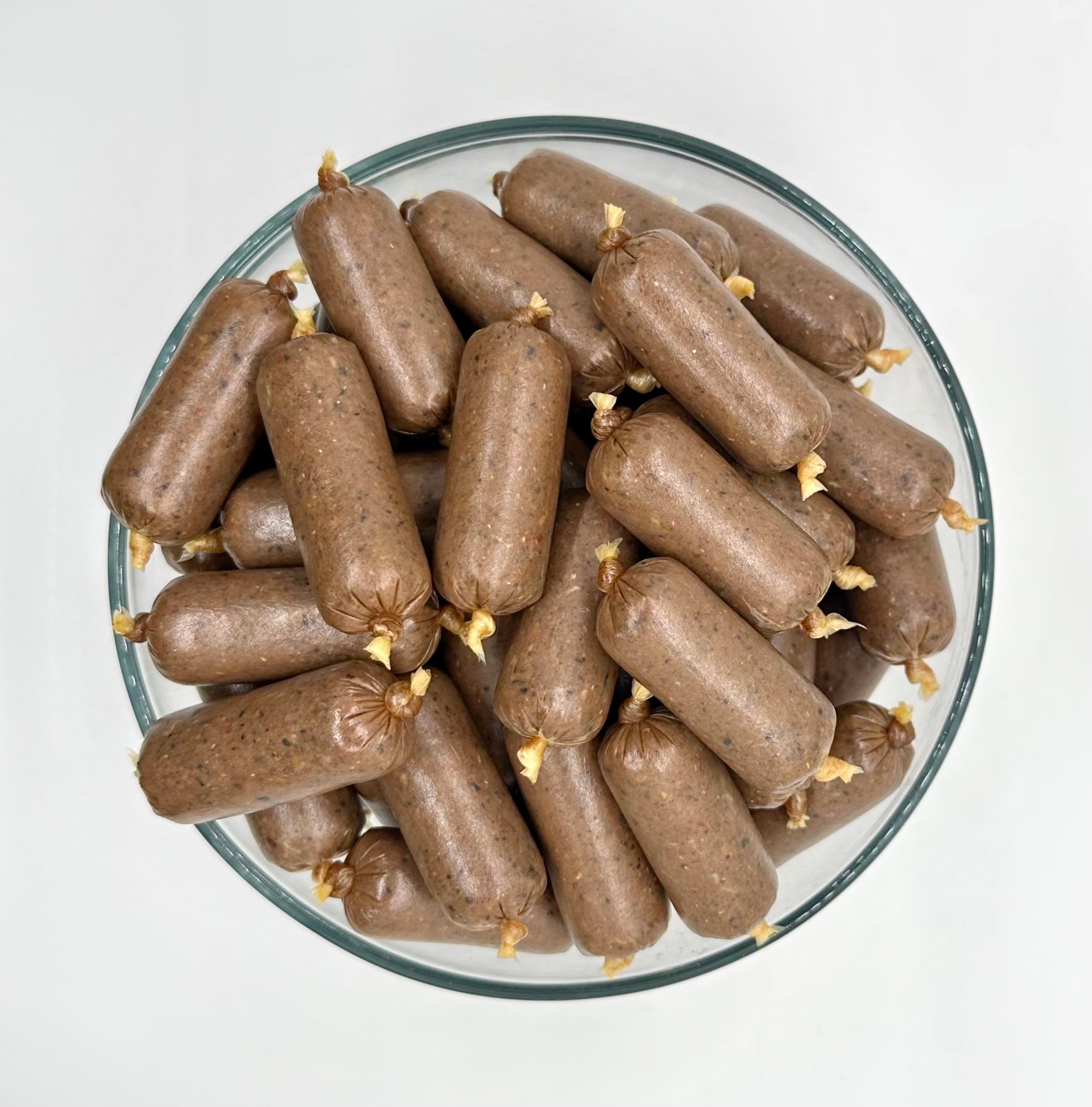
Where to buy Reptilinks Frog Blend Sausages in UK: we track one retailer, Reptilinks, and show the price we last observed there; the price you see at checkout may differ.
We may earn a commission on purchases. It never affects our rankings.
£6 – £12
Science and Safety: Why Frozen Prey Works
A body of veterinary and herpetological guidance supports the use of frozen-thawed prey as a safe, nutritionally appropriate option when prepared and stored correctly. Research and veterinary best practice highlight benefits such as lower risk of injury to the snake, reduced transmission of live parasites, and maintenance of essential nutrients when prey is frozen soon after slaughter and kept at stable freezer temperatures. For keepers new to frozen prey, following thawing, warming and handling recommendations helps preserve nutrient value and reduces bacterial contamination.
Nutrient retention: When prey is frozen shortly after processing and stored at appropriate temperatures, protein and fat profiles change minimally compared with fresh prey, so frozen-thawed diets remain nutritionally suitable for most snake species.
Reduced injury risk: Using pre-killed frozen-thawed prey eliminates the risk of prey-inflicted injuries that can occur with live feeding, which is especially important for smaller or slower-eating snakes.
Lower parasite and pathogen transmission: Freezing and correct handling reduce the viability of many parasites and some pathogens compared with feeding untreated live prey, improving biosecurity for collections and sales.
Consistency and portion control: Size-graded packs make it easier to match prey to gape size and growth stage, helping breeders and keepers manage feeding schedules and monitor weight gain.
Welfare and ethical guidance: Many UK animal welfare organisations and veterinarians recommend pre-killed or frozen-thawed feeding where feasible to limit stress for both prey and predator and to comply with good welfare practice.
Frequently Asked Questions
Which frozen prey pack is most economical for hatchling snakes?
The Monkfield Frozen Mice Pack is the most economical choice for hatchlings and juveniles, offering small, size-graded portions that match early growth stages.
What is the average customer rating for Northampton Reptile Centre chicks?
The Frozen Day-Old Chicks from Northampton Reptile Centre hold an average rating of 4.7, making them a highly regarded option for consistent, high-protein feeding.
Are Peregrine Livefoods Frozen Rats individually vacuum-sealed for storage?
Yes, Peregrine Livefoods Frozen Rats are individually vacuum-sealed to preserve cold-chain integrity and ensure minimal freezer waste for the keeper.
Which frozen prey sizes are available in the Monkfield mice range?
The Monkfield Frozen Mice Pack is available in pinky, fuzzy, and hopper sizes to ensure you can match the specific growth stage of your snake.
Conclusion
These top 5 frozen prey packs reflect what UK keepers value in 2026: clear size grading, reliable sourcing, and safe cold-chain handling for a wide range of snake species. We hope this guide helped you find the right prey pack for your snake. Use the site search to refine by species, prey type or pack size if you want to expand or narrow your options.