

Best Gut Loading Diets & Feeder Insect Nutrition for UK Reptile Keepers 2026 — Science-Backed Formulations with Optimal Mineral Balance
Gut loading means feeding your live insects a mineral-rich diet for 24-48 hours before you offer them, so the nutrients travel into your reptile with the meal. It exists because feeder insects are naturally calcium-poor and phosphorus-rich, while most insectivorous reptiles need a dietary calcium-to-phosphorus ratio of roughly 2:1 — an imbalance that, left uncorrected, leads to metabolic bone disease. Gut loading is not a substitute for dusting: dusting means coating the insect in calcium (with or without D3) immediately before it goes into the vivarium, and the two jobs are done together, not instead of one another. Rather than simply providing empty calories, quality gut loading diets work by pre-feeding insects with nutrient-dense formulations that become part of what your animal consumes. Throughout the United Kingdom, reptile enthusiasts and professional breeders increasingly recognise the value of methodical nutritional planning, particularly when it comes to preventing metabolic bone disease and supporting robust growth rates. Modern gut loading products now incorporate balanced calcium-to-phosphorus ratios, bioavailable micronutrients, and sometimes probiotics to improve digestive efficiency. UK retailers and specialist suppliers have responded to this demand by stocking products with transparent ingredient lists, clear feeding instructions, and reliable cold storage logistics. Whether you're maintaining a small collection of bearded dragons, breeding dart frogs, or managing a larger reptile facility, selecting the right feeder insect diet can meaningfully reduce the need for excessive supplementation and contribute to measurably better health outcomes across your collection.
Inception's AI took the time to understand this market in the UK · · How we pickWe may earn a commission on purchases. It never affects our rankings.
Top Picks Summary
Arcadia InsectFuel
Arcadia InsectFuel earns the top spot for 2025 by pairing lab-profiled nutrient analysis with a formulation tuned to raise calcium and vitamin levels reliably across feeder species; breeders and hobbyists favour it for the documented calcium:phosphorus balance and transparent lab reports. While it is positioned as a premium option and can be slightly more expensive than supermarket-style mixes, its technical advantage — independent lab data and a broad-species nutrient profile — makes it a go-to when consistency and traceable results matter compared with the other brands on this list.

Estimated£8 – £13
ProRep Bug Grub
ProRep Bug Grub stands out as a value-oriented, widely available gut load that delivers solid calcium and vitamin boosts without the premium price tag, making it attractive for large-scale breeders or those on a budget. It trades a bit of the bespoke lab documentation that Arcadia provides for broader retail distribution and lower cost-per-feed, so buyers prioritising proven lab-profiling may prefer Arcadia while those prioritising affordability and ease of sourcing will find ProRep more cost-efficient.
We may earn a commission on purchases. It never affects our rankings.
£3.99GBP£4.99
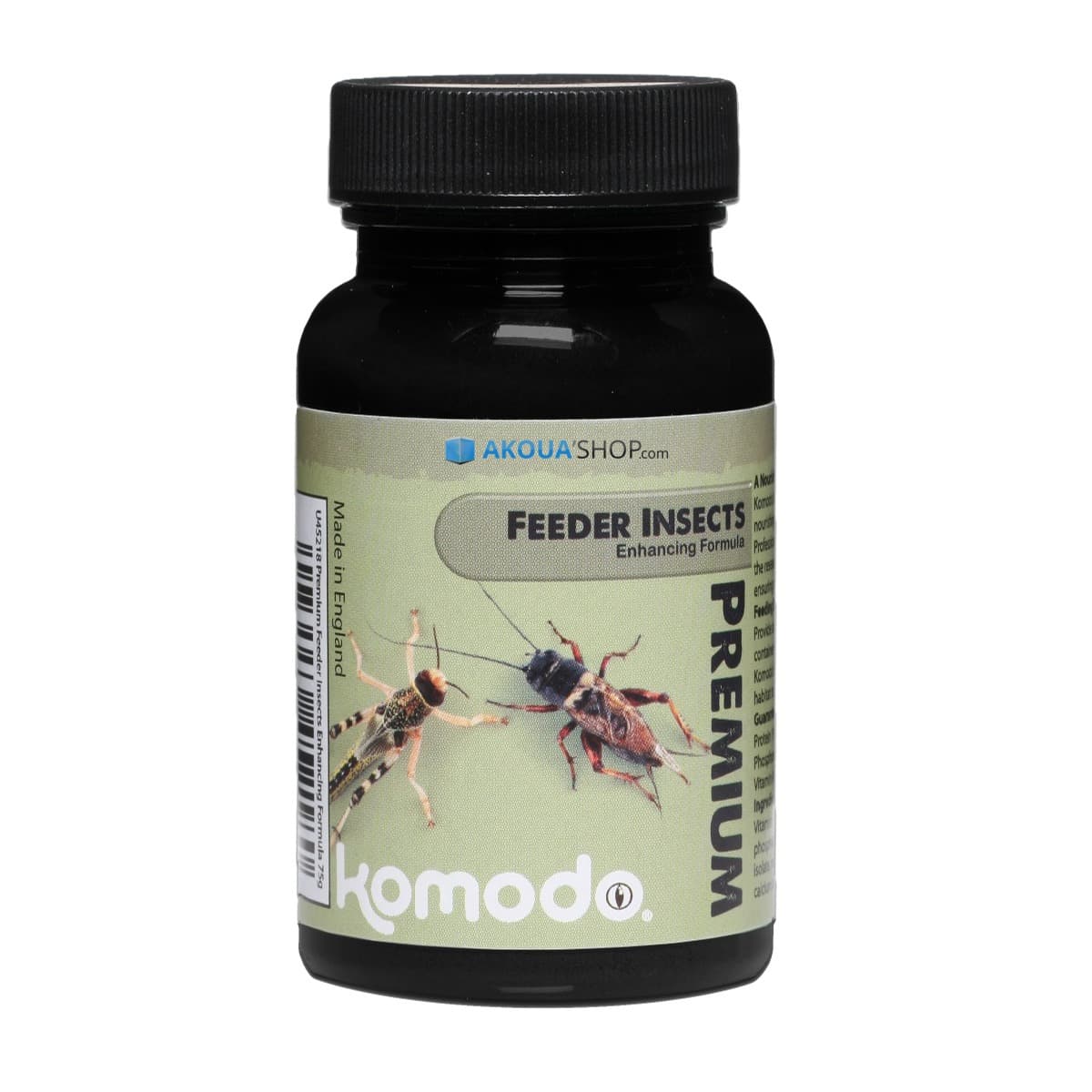
Komodo Premium Insect Food
Komodo Premium Insect Food occupies the mid-to-high tier by offering a pelletised, low-moisture formula engineered for shelf stability and consistent nutrient delivery, including boosted calcium and added vitamins suitable for varied feeder insects. Technically it balances the lab-backed transparency of Arcadia with the accessibility of ProRep — it is often competitively priced relative to its shelf-life and packaging quality, making it a practical choice for users who want durable, easy-to-store gut load without paying top-tier premiums.
Estimated£9 – £16
Repashy SuperLoad
Repashy SuperLoad is widely regarded as best-in-class for gut loading because it delivers an exceptionally dense, research-informed mix of vitamins, minerals and calories in a concentrated powder that mixes into a paste feeders readily eat. Compared with the other options on this list it offers superior nutrient density per gram (reducing cost-per-feed over time) and a more complete micronutrient profile than budget diets, making it the preferred choice for breeders and keepers who need dependable, high-impact nutrition for feeder insects.

We may earn a commission on purchases. It never affects our rankings.
£10.00GBP
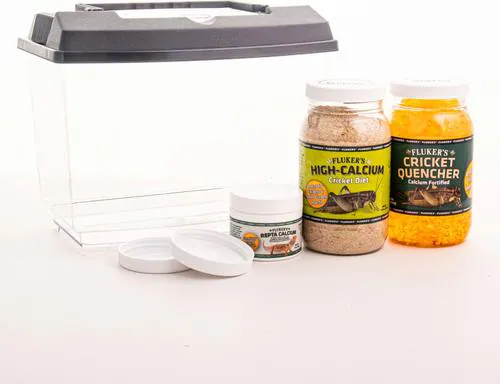
Cricket Keeper Gut Load Formula
Cricket Keeper Gut Load Formula is a specialist option targeted at cricket and locust keepers, formulated with digestible carbohydrates, electrolytes and added calcium/vitamins to maximise nutrient transfer to feeders; its niche focus makes it especially effective for hobbyists who feed primarily crickets. Financially it is typically one of the more affordable specialist formulas and technically differentiates itself through species-specific ingredients and sometimes added probiotics, but it is less broad-spectrum than Arcadia or Komodo for mixed-insect feeding programs.
Estimated£5 – £10
These leading gut loading formulations deliver measurable advantages through verified nutrient ratios, enhanced mineral bioavailability, and straightforward application methods. UK-based keepers particularly value products offering transparent nutritional data, reliable stocking through established retailers, and instructions designed for practical, everyday use without unnecessary complexity.
Understanding Effective Gut Loading Strategy
Successful gut loading depends on several interconnected factors beyond simply choosing a branded product. The principle centres on allowing insects adequate time—typically 24 to 48 hours—to consume and process the specialist diet before becoming prey. During this window, the insects' digestive systems become enriched with vitamins, minerals, and other nutrients that transfer directly to your reptile when consumed. Calcium-to-phosphorus balance proves critically important: crickets, locusts and mealworms sit at roughly 1:3 to 1:9 in favour of phosphorus straight from the tub, whereas the target for most insectivorous reptiles is about 2:1 in favour of calcium, which is why a calcium-loaded diet plus a dusting powder is the standard husbandry approach rather than either on its own. Additionally, maintaining proper hydration in both the feeder insects and the gut loading diet itself ensures optimal nutrient uptake and prevents dehydration stress.
Allow 24-48 hours minimum feeding time before offering insects to reptiles
Maintain consistent gut loading schedule rather than sporadic applications
Monitor insect condition—healthy, active feeders indicate proper nutrition
Combine gut loading with appropriate supplementation based on animal species
Store products in cool, dry conditions to preserve nutrient integrity
Track calcium-to-phosphorus ratios to prevent metabolic complications
Consider rotating between products occasionally to provide dietary variety
Ensure feeder insects have access to adequate moisture without causing spoilage
Aim for a dietary calcium-to-phosphorus ratio of about 2:1 in the finished meal—ungutloaded, undusted insects sit heavily the wrong way round
Gut load the insect, then dust it just before feeding: the two are complementary steps, not alternatives
Follow the D3 dosing on your dusting powder rather than dusting every feed by default—excess vitamin D3 causes its own problems, and species with strong UVB provision need less
Avoid building a home-made gut load around spinach, rhubarb or beet greens, whose oxalates bind calcium, and never use dog or cat food as a gut load
Frequently Asked Questions
Which gut load is best for calcium boosting feeder insects?
Arcadia InsectFuel is the top choice for reliably boosting calcium and vitamin levels in feeder insects, using a high calcium-to-phosphorus ratio designed to help prevent metabolic bone disease in reptile feeders.
What exact spec does Arcadia InsectFuel target for minerals?
Arcadia EarthPro InsectFuel is built on 60% alfalfa meal and 20.75% limestone flour (calcium carbonate) and is completely bran-free, so it carries no phytic acid to chelate the calcium it supplies. Typical analysis is 16% protein, 19% crude fibre, 4% crude oils and fats, 6% crude ash and under 8% moisture.
Is ProRep Bug Grub cheaper than Arcadia InsectFuel for gut loading?
Yes. A 300g jar of ProRep Bug Grub sells for roughly £3-4 at UK reptile retailers, while Arcadia InsectFuel is a premium option in the roughly £8-13 range, so ProRep is the cheaper per-pack choice; Arcadia justifies its higher price with a published bran-free ingredient breakdown for keepers who prioritise traceable calcium:phosphorus data.
Will ProRep Bug Grub work for feeding crickets and mealworms?
Yes. ProRep Bug Grub is a dry, high-calcium and high-protein diet formulated for breeding and maintaining all livefood insects, including crickets, locusts and mealworms; offer it in a shallow dish alongside a moisture source such as bug gel for 24-48 hours before feeding the insects to your reptile.
Conclusion
The five products examined here represent the most reliable options currently available to UK-based keepers seeking quality assurance in their feeding protocols. Each addresses slightly different priorities—whether that's maximising available calcium content, providing comprehensive micronutrient profiles, or offering exceptional value for high-volume feeders. Repashy SuperLoad continues to earn strong endorsements from British herpetologists and experienced hobbyists alike, particularly for its consistency and balanced formulation. Beyond selecting a specific product, the real success lies in establishing a regular gut loading routine, allowing adequate feeding time before offering insects to your animals, and combining these diets with sensible supplementation practices. Take time to assess your animals' current health status and dietary requirements, compare these options against your local availability and budget constraints, and don't hesitate to rotate between products if circumstances change. For more detailed guidance tailored to specific species or feeding challenges, explore our comprehensive resources or reach out to your local herpetological society.