

Best Compact Orchids for Enclosed Terrariums Across the UK — 2026 Guide to Growing Masdevallia, Pleurothallis, Mini Phalaenopsis, Restrepia & Lepanthes Indoors
Growing orchids in British homes needn't mean struggling with temperamental specimens or wrestling with unpredictable outdoor conditions. Enclosed and semi-open terrariums have changed how UK plant lovers cultivate delicate orchid varieties, particularly the miniature epiphytic types that naturally favour the misty, humid microclimates of tropical cloud forests. This guide examines five compact orchids — Masdevallia veitchiana, Pleurothallis (now Specklinia) grobyi, Mini Phalaenopsis 'Little Kolibri', Restrepia antennifera and Lepanthes calodictyon — and is honest about which actually belong in a sealed case. Four of the five are cool-growing cloud-forest species that want 70-85% humidity plus real air movement; the Mini Phalaenopsis is the odd one out and should only go in a vented or open display, because water trapped in its leaf axils causes crown rot. Two facts almost every roundup omits: the whole family Orchidaceae is listed on CITES Appendix II, so any plant crossing a border into the UK — including from the EU since Brexit — needs CITES paperwork from the exporter, and nursery orchids are routinely treated with systemic pesticides that persist in plant tissue for months, so they must be rinsed, potted on and grown outside the enclosure for several weeks before they go anywhere near frogs, geckos or other vivarium animals. Get those two things right and these species reward a stable, well-lit, well-ventilated terrarium with flowers most of the year.
Inception's AI took the time to understand this market in the UK · We may earn a commission on purchases. It never affects our rankings.
Top Picks Summary
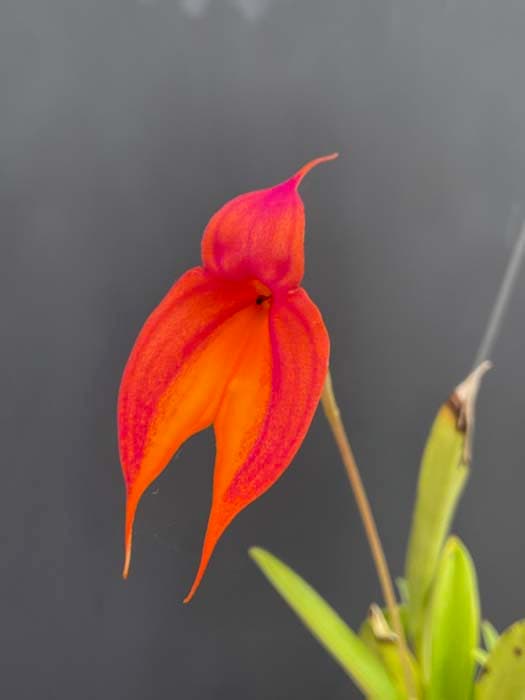
Masdevallia veitchiana Live Orchid Plant
Masdevallia veitchiana earns the top spot for UK terrariums thanks to its dramatic, large-profile flowers and reliable performance in cool, high-humidity microclimates — traits that make it a showpiece compared with the subtler blooms of Pleurothallis and Lepanthes. While typically pricier and a bit more technically demanding than the mini Phalaenopsis, its strong visual impact and established availability in 2025 give it superior long‑term value for collectors wanting a centerpiece specimen in glass habitats.
Pleurothallis grobyi Miniature Orchid
Pleurothallis grobyi is featured for its exceptional miniature foliage habit and fast, adaptable growth that makes it one of the most cost‑effective choices for densely planted UK terraria; it fills vertical space more economically than the often rarer Lepanthes. Technically forgiving compared with Masdevallia’s cooler requirements, Pleurothallis offers growers a low‑risk, high-density option that pairs well as a background or massing plant in mixed orchid micro-ecosystems.

Mini Phalaenopsis Little Kolibri
Mini Phalaenopsis ‘Little Kolibri’ ranks as the market leader for accessibility and beginner success in the 2025 UK terrarium scene — it tolerates a wider temperature range and is significantly easier to source and propagate than many specialist taxa like Lepanthes. Financially it represents the best entry-point: lower unit cost and strong availability make it the most budget-friendly way to add continuous blooms without the specialised care demanded by Restrepia or Masdevallia.

Restrepia antennifera Live Terrarium Orchid
Restrepia antennifera is prized here for its unusual, antenna-like flowers and excellent compatibility with closed terrarium humidity cycles, offering a mid-range price and easier flowering habit compared with the rarer, more delicate Lepanthes calodictyon. Technically it sits between the robust Pleurothallis and the finicky Masdevallia, giving designers a reliable, visually striking option that balances cost and specialist appeal for UK hobbyists.
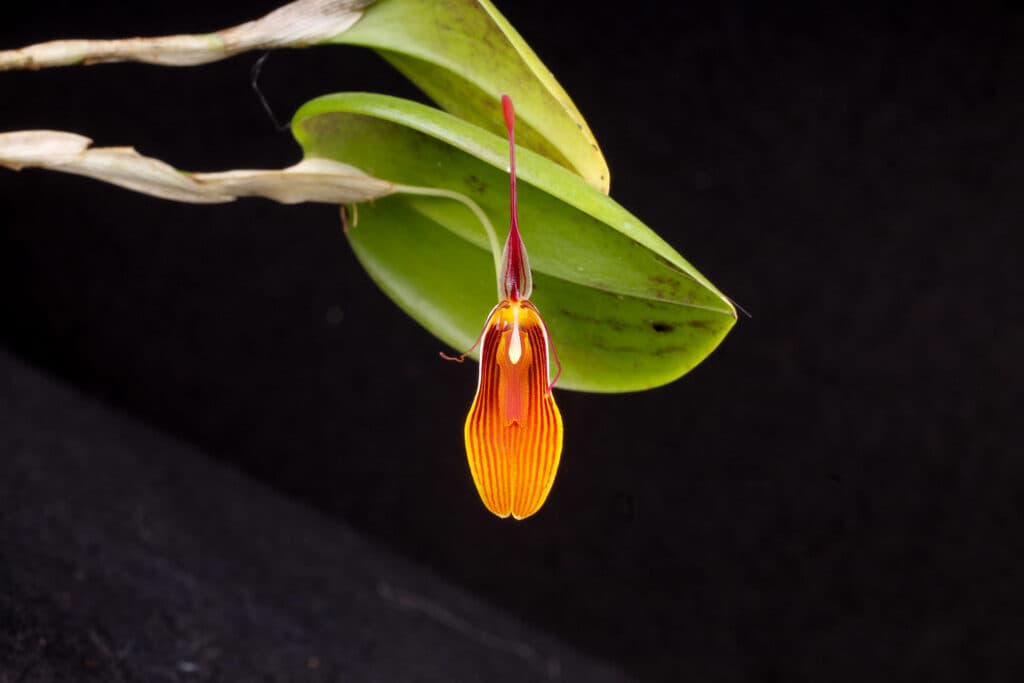
Lepanthes calodictyon Micro Orchid
Lepanthes calodictyon is the specialist pick for collectors seeking true micro‑orchid spectacle — its ultra-tiny growth and intricate flowers are unmatched for high-detail terrarium displays, though it commands a premium and more exacting care than the more forgiving Mini Phalaenopsis or Pleurothallis. As a technical showcase plant it delivers unique aesthetic value for compact, museum‑quality setups in the UK, but its higher acquisition and maintenance costs make it best for experienced growers.

These five cover the realistic range for a UK terrarium: four cool-growing cloud-forest epiphytes that thrive at 70-85% humidity with steady air movement, plus one easy warm-growing mini Phalaenopsis for vented displays. They are chosen for genuine miniature stature, tolerance of the low light inside a glass case, and availability from UK sellers, which also keeps CITES import paperwork out of the equation.
Understanding Terrarium Orchid Cultivation in the British Climate
Terrarium gardening makes orchid cultivation genuinely accessible for British growers. Unlike traditional potted orchid care with its precise watering schedules and seasonal temperature management, a terrarium establishes a self-regulating microclimate that holds elevated humidity — typically 70-85% — and buffers the dry, heated air of a UK home in winter. Tropical epiphytic orchids, those that grow on tree branches in cloud forests rather than in soil, respond well to that steady moisture, but 'sealed' is the wrong mental model for most of them: cloud forests are humid AND breezy, and stagnant saturated air is what causes rot and fungal spotting on Masdevallia, Restrepia and Lepanthes. A small computer fan, a vent, or simply opening the case regularly is not optional for these species. Mounting matters too — cork bark or tree fern lets roots wet and dry each day, whereas a pot packed with sphagnum inside an already-humid case stays sodden and kills roots. Light is the other thing growers underestimate: a north or east-facing UK window will not carry these plants through a British winter, and a modest LED grow light on a 10-12 hour timer is what produces reliable flowering. Two compliance points sit behind the horticulture. First, every orchid is CITES-listed — Orchidaceae is on Appendix II in its entirety, with a handful of genera on Appendix I — so plants imported from an EU or overseas nursery need a CITES export permit (or a joint CITES-phytosanitary certificate) from the seller, and a UK import permit in several cases including wild-collected Appendix II material; buying from a UK-based nursery sidesteps the paperwork entirely. Second, if the terrarium houses animals, treat every new plant as contaminated: commercial nursery stock is commonly treated with systemic insecticides that stay in the tissue for months and cannot be washed off, which is why keepers rinse, repot into clean media and grow plants on outside the vivarium before installing them.
Terrariums hold the 70-85% humidity cloud-forest orchids need, removing the constant misting that open-room culture demands
Humid is not the same as stagnant — Masdevallia, Restrepia and Lepanthes need active air movement or they develop rot and fungal leaf spotting in a sealed case
Epiphytic orchids grow on tree branches with aerial roots adapted to absorb moisture from humid air, not from waterlogged compost
Mount on cork bark or tree fern where possible; a pot stuffed with sphagnum inside a closed terrarium stays permanently sodden and rots roots
Mini Phalaenopsis is the exception on this list: it needs a vented or open display, because water sitting in its leaf axils causes crown rot
Every orchid is CITES-listed (Orchidaceae is Appendix II in its entirety), so plants shipped into the UK — including from the EU post-Brexit — need CITES documentation from the exporter
Nursery orchids are routinely treated with systemic pesticides that persist in the tissue for months; rinse, repot and grow new plants outside the enclosure for several weeks before adding them to a vivarium with reptiles or amphibians
Plan for supplemental lighting — a 10-12 hour LED photoperiod, not a British windowsill, is what makes these species flower dependably through winter
Frequently Asked Questions
Which orchid is best for beginners in a terrarium?
Pleurothallis (Specklinia) grobyi is the best first terrarium orchid: it is genuinely tiny, tolerates the lower light inside a glass case, and flowers freely at ordinary room temperatures. Mini Phalaenopsis 'Little Kolibri' is the easier plant overall and rated 4.6 here, but it belongs in a vented or open display rather than a sealed terrarium.
What humidity and light conditions suit Masdevallia veitchiana?
Masdevallia veitchiana wants 70-80% humidity year-round, bright filtered light, cool temperatures with a night drop, and — critically — steady air movement, since stagnant humid air causes fungal spotting and rot. Allow headroom too: the leaves reach around 20cm and the flower stem 15-30cm, so it needs a taller enclosure than the other species here.
How does Pleurothallis grobyi value compare for UK terrariums?
It is the most cost-effective option on this list for densely planted UK terraria, rated 4.4, with a very small stature that works as miniature groundcover or a massing plant. Note the accepted botanical name is now Specklinia grobyi, so UK nurseries may list it under either name.
Is Mini Phalaenopsis 'Little Kolibri' okay for closed terrariums?
No — this is the one plant here that should not go in a sealed case. Phalaenopsis leaves wrap around the stem, so water pools in the crown and cannot drain, which is the classic cause of crown rot. It also wants warmer, drier conditions and a period of lower watering rather than constant saturation. Use it in a vented or open terrarium with good airflow and keep water out of the centre of the plant.
Conclusion
Match the plant to the enclosure and terrarium orchids are well within reach. Masdevallia veitchiana gives the most theatrical flowers but wants cool temperatures, real airflow and headroom for a 15-30cm flower stem. Pleurothallis (Specklinia) grobyi is the most dependable performer across setups and the sensible first purchase, forgiving about light, humidity and the temperature swings of a British home. Mini Phalaenopsis 'Little Kolibri' is the easiest plant here but the worst fit for a sealed case — put it in a vented or open display. Restrepia antennifera suits an intimate, consistently humid cabinet, and Lepanthes calodictyon is a specialist's plant that needs the tightest environmental control of the five. Before you buy, two checks: if the plant is shipping from outside the UK, confirm the seller supplies CITES export documentation, since the entire orchid family is on Appendix II; and if animals live in the enclosure, plan on rinsing, repotting and growing the plant on outside the vivarium for several weeks so any systemic pesticide has time to clear. Prices below are typical UK market ranges rather than live listings — check the current price at the retailer before ordering.