

Reptile and Amphibian Systemic Antibiotics and Antifungals — Top 8 Prescription-Only Options Used in the UK: What Baytril, Ceftazidime, Flagyl, Fortaz, Nystatin, Marbocyl, Convenia and Synulox Are Prescribed For
Every medicine on this page is prescription-only in the United Kingdom. Systemic antibiotics and antifungals for animals are classified POM-V (Prescription-Only Medicine – Veterinarian) under the Veterinary Medicines Regulations, and the human-licensed products here (ceftazidime, metronidazole, nystatin) are POM medicines used off-licence under the veterinary cascade. They can only be supplied on the prescription of a veterinary surgeon who has the animal under their care, and it is an offence to supply them otherwise. This page is a reference to what UK exotic-animal vets prescribe and why — it is not a route to buy these drugs, and it is not a substitute for a clinical examination. Managing bacterial and fungal infections in captive reptiles and amphibians demands precision, species-specific knowledge, and veterinary diagnosis. Whether the patient is a bearded dragon with a respiratory infection, a corn snake with scale rot, or a poison dart frog with an emerging mycosis, the choice of agent is made by the treating vet on the basis of the species, the site of infection and, where possible, culture and sensitivity testing. UK reptile veterinarians favour evidence-based protocols that integrate clinical microbiology and pharmacokinetic data specific to ectothermic animals. This guide explains the eight agents most often reached for through licensed UK veterinary channels: oral solutions for outpatient management, injectable formulations for acute hospitalised cases, and targeted antifungal agents for mucosal candidiasis. Understanding the pharmacological profile, administration route, and adverse-effect profile of each agent helps owners have a better-informed conversation with their veterinary team — it does not qualify anyone to treat an animal without one. Never give a reptile or amphibian an antibiotic or antifungal that has not been prescribed for that individual animal: incorrect dosing in ectotherms causes renal and neurological injury and drives antimicrobial resistance.
Inception's AI took the time to understand this market in the UK · We may earn a commission on purchases. It never affects our rankings.
Top Picks Summary
Baytril 2.5 Oral Solution
Baytril 2.5% Oral Solution (enrofloxacin) is a widely used oral fluoroquinolone prized in reptile and amphibian practice for its high bioavailability and broad Gram-negative coverage, making it a cost-effective option for outpatient systemic infections. It earns a best-in-class spot for convenient dosing and proven clinical track record, offering easier administration and lower per-dose handling costs compared with injectable cephalosporins like Ceftazidime/Fortaz, while providing complementary coverage to anaerobic/protozoal agents such as Flagyl and non-absorbed antifungals like Nystatin.

Ceftazidime for Injection
Ceftazidime for Injection is a generic third-generation cephalosporin valued in herpetological medicine for reliable parenteral coverage of serious Gram-negative infections, including Pseudomonas, in reptiles and amphibians where oral absorption is unpredictable. It is positioned as a market-savvy alternative to branded Fortaz by offering generally lower acquisition costs and flexible sourcing for clinics, though purchasers should balance savings against the stronger regulatory and formulation consistency typically offered by the branded injectable option.

Where to buy Ceftazidime for Injection in UK: we track one retailer, Medicines, and show the price we last observed there; the price you see at checkout may differ.
We may earn a commission on purchases. It never affects our rankings.
£16 – £64
Flagyl 200mg Tablets
Flagyl (metronidazole) is included in this 2025 UK guide because it remains a cost-effective, well-documented option for anaerobic and protozoal infections in reptiles and amphibians and is frequently used as an adjunct to broader-spectrum agents. Compared with fluoroquinolones like Baytril or Marbocyl and cephalosporins such as Ceftazidime/Fortaz, Flagyl offers strong value as a generic therapeutic and complements antifungals like Nystatin rather than replacing them, making it a staple in multi-drug regimens.
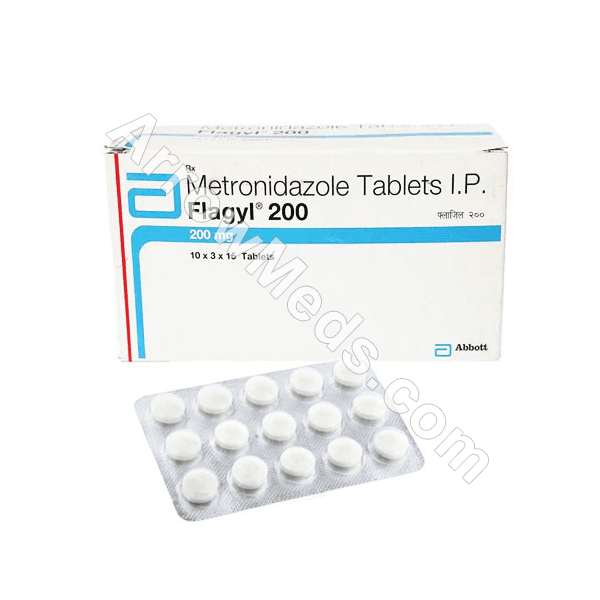
Where to buy Flagyl 200mg Tablets in UK: we track one retailer, Payimport, and show the price we last observed there; the price you see at checkout may differ.
We may earn a commission on purchases. It never affects our rankings.
£8 – £20
Fortaz Injection
Fortaz (ceftazidime) is prized by veterinarians treating reptiles and amphibians for its potent Gram-negative and anti-pseudomonal activity and reliable parenteral pharmacokinetics, making it a go-to for severe systemic infections in hospital settings. Although it is more expensive than oral agents such as Flagyl or Synulox drops, its technical advantage as an injectable third‑generation cephalosporin gives faster, predictable exposures compared with some older injectables, and it is often selected when intravenous or intramuscular therapy is clinically justified.
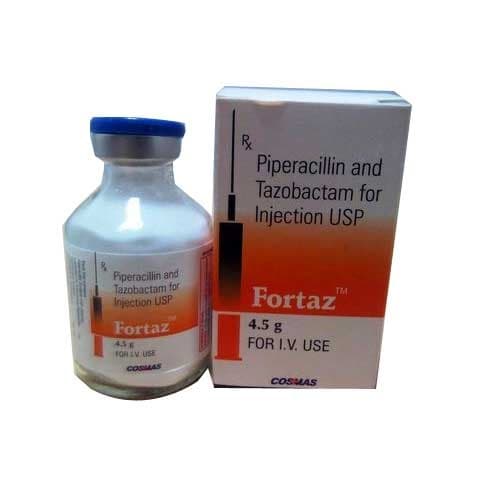
Where to buy Fortaz Injection in UK: we track one retailer, Medixrx, and show the price we last observed there; the price you see at checkout may differ.
We may earn a commission on purchases. It never affects our rankings.
£25 – £60
Nystatin Oral Suspension
Nystatin Oral Suspension is a polyene antifungal primarily effective against Candida and other superficial yeast infections of the oral and gastrointestinal tracts in reptiles and amphibians due to its minimal systemic absorption. Its niche strength is low cost and targeted topical/GI activity, making it a practical adjunct when antifungal action is needed alongside systemic antibiotics like Baytril or cephalosporins, though it is not a substitute for systemic antifungals when invasive mycoses are suspected.

Where to buy Nystatin Oral Suspension in UK: we track one retailer, Click2pharmacy, and show the price we last observed there; the price you see at checkout may differ.
We may earn a commission on purchases. It never affects our rankings.
£5 – £21
Marbocyl 10mg Tablets
Marbocyl (marbofloxacin) is a market-leading veterinary fluoroquinolone favored in the 2025 UK list for its predictable pharmacokinetic profile, veterinary-grade manufacturing, and dosing consistency that many clinicians prefer for systemic Gram-negative or mixed infections in reptiles and amphibians. Compared with other fluoroquinolones such as Baytril and cephalosporins like Ceftazidime/Fortaz, Marbocyl typically carries a premium price but offers technical advantages in safety margin and formulation quality, and it is commonly paired with agents like Flagyl or Nystatin when broader antimicrobial coverage is required.

Where to buy Marbocyl 10mg Tablets in UK: we track one retailer, Thepharmpetco, and show the price we last observed there; the price you see at checkout may differ.
We may earn a commission on purchases. It never affects our rankings.
£25 – £60
Convenia Injectable Solution
Convenia (cefovecin) is valued for its long-acting, single‑dose injectable profile that can provide up to two weeks of therapeutic coverage, an attractive technical and compliance advantage in the exotic-patient setting where repeated handling stresses animals. While it is one of the higher-cost options on the list and less flexible than oral regimens, its sustained-release pharmacology often reduces hospitalization and follow-up dosing compared with daily administrations of drugs like Flagyl or Synulox.

Synulox Palatable Drops
Synulox (amoxicillin/clavulanic acid) palatable drops are a market-leading, user-friendly oral choice for amphibians and reptiles when broad-spectrum beta‑lactam coverage is indicated; the palatable formulation improves owner compliance and outpatient treatment success. Financially and technically competitive, Synulox fills the low-to-mid-cost niche for empirical therapy and pairs well with targeted agents such as Marbocyl or Fortaz when culture-directed escalation is required.

Prescription-only (POM-V/POM) medicines supplied solely by a veterinary surgeon; UK-licensed and cascade-used formulations explained; species-specific pharmacokinetic considerations for ectotherms; antimicrobial stewardship guidance; adverse-effect profiles and contraindication data.
What the Science Says: Efficacy, Safety, and Species-Specific Pharmacokinetics
Veterinary practice for reptiles and amphibians relies heavily on pharmacokinetic studies, susceptibility data, and clinical case series rather than large randomized trials. Research highlights important differences in absorption, metabolism, and clearance across species and temperature conditions, which makes dose extrapolation from mammals unreliable. Major veterinary and animal health authorities emphasize antimicrobial stewardship, recommending veterinary diagnosis, culture when possible, and targeted therapy. Every agent described here is prescription-only in the UK and is selected and dosed by the treating veterinary surgeon, not by the keeper.
Legal status: all systemic antibiotics and antifungals for animals in the UK are POM-V (Prescription-Only Medicine – Veterinarian) under the Veterinary Medicines Regulations, enforced by the Veterinary Medicines Directorate. Supplying or obtaining them without a veterinary prescription is an offence, and human-licensed products such as ceftazidime, metronidazole and nystatin are POM medicines used off-licence under the veterinary cascade.
No dosing here by design: doses for ectotherms depend on species, body weight, ambient temperature and the site of infection, and an incorrect dose causes renal or neurological injury. Dosing figures are the prescribing vet's decision and are deliberately not published on this page.
Pharmacokinetic variability: Multiple PK studies show that drugs like fluoroquinolones and cephalosporins have markedly different half-lives and bioavailability in bearded dragons, snakes, and frogs, prompting species-specific dosing recommendations.
Spectrum and indications: Fluoroquinolones (for example, enrofloxacin formulations such as Baytril) are commonly effective against many gram-negative bacterial infections; ceftazidime and related cephalosporins are often preferred for severe gram-negative and mixed infections requiring parenteral therapy.
Anaerobic and protozoal coverage: Metronidazole (Flagyl) is supported by clinical reports for anaerobic GI infections and some protozoal conditions in amphibians and reptiles, but treatment should be guided by diagnostics and clinical response.
Antifungal use: Nystatin oral suspension is a non-absorbed topical antifungal indicated for mucosal candidiasis in the gastrointestinal tract; systemic mycoses in reptiles often require different agents and veterinary oversight.
Antimicrobial stewardship: Guidance from UK veterinary authorities recommends culture and susceptibility testing where possible, the shortest effective duration, and documented monitoring to limit resistance. Antibiotics may not lawfully be advertised to the general public or to professional keepers of animals.
Where to start: if a reptile or amphibian shows signs of infection, the first step is an appointment with an RCVS-registered veterinary surgeon experienced in exotics — remote consultation may support follow-up, but a prescription for these medicines requires the animal to be under that vet's care.
Frequently Asked Questions
Can I buy these reptile antibiotics without a prescription in the UK?
No. Every product on this page is prescription-only in the UK. Veterinary systemic antibiotics and antifungals are classified POM-V (Prescription-Only Medicine – Veterinarian) under the Veterinary Medicines Regulations, and the human-licensed items here (ceftazidime, metronidazole/Flagyl, nystatin) are POM medicines used off-licence under the veterinary cascade. They can only be supplied on the prescription of a veterinary surgeon who has your animal under their care; supplying or obtaining them any other way is an offence. Importing them from overseas pharmacies is also unlawful.
What dose should I give my reptile or amphibian?
That is a decision for your veterinary surgeon and this page deliberately gives no dosing figures. Reptiles and amphibians are ectotherms, so absorption, half-life and clearance change with species, body weight and enclosure temperature — mammal doses do not transfer, and published reptile pharmacokinetics differ substantially between bearded dragons, snakes and frogs. An incorrect dose risks renal and neurological injury and drives antimicrobial resistance.
Which option should I choose for outpatient reptile infections?
Your vet chooses, not you — but for context, Baytril 2.5% Oral Solution (enrofloxacin) is a commonly prescribed oral fluoroquinolone for Gram-negative and some Gram-positive bacterial infections, and its liquid presentation suits small, variable-weight reptiles and amphibians. Marbocyl 10mg Tablets (marbofloxacin) is the usual premium alternative. Both are POM-V and require veterinary dosing and monitoring.
Does Ceftazidime for Injection cover Pseudomonas in reptiles?
Yes. Ceftazidime for Injection is a third-generation cephalosporin effective against many Gram-negative pathogens, including Pseudomonas species. It is parenteral (IV/IM/SC) for systemic infections where oral absorption is unpredictable, so it is administered by a veterinary professional. Fortaz Injection is the branded presentation of the same active molecule. Both are prescription-only.
Conclusion
Effective management of systemic infections in reptiles and amphibians in the UK centres on eight prescription-only agents: Baytril 2.5% Oral Solution is the oral fluoroquinolone many reptile specialists reach for first, with broad activity against common Gram-negative and some Gram-positive pathogens; Marbocyl 10mg Tablets offers a premium once-daily fluoroquinolone alternative; Ceftazidime and Fortaz injections are used for severe infections, hospital-managed cases, and animals that cannot tolerate oral medication; Convenia provides long-acting injectable cover where repeated handling is impractical, though reptile pharmacokinetics make the dosing interval unreliable; Synulox Palatable Drops cover empirical broad-spectrum beta-lactam use; Flagyl (metronidazole) addresses anaerobic bacterial and certain protozoal conditions; and Nystatin Oral Suspension treats gastrointestinal candidiasis and mucosal yeast complications. Successful treatment requires accurate species identification, weight-based dosing calculated by a veterinary surgeon, environmental temperature management to support pharmacokinetics in ectotherms, and consistent veterinary oversight throughout the course. None of these can lawfully be obtained without a prescription in the UK, and this page does not provide dosing figures. If your animal is unwell, contact an RCVS-registered veterinary surgeon with exotics experience — the RCVS 'Find a Vet' directory and the British Veterinary Zoological Society list practices that see reptiles and amphibians.