

2025 UK Guide: Top 7 Misting Systems, Pumps & Water Reservoirs for Reptiles and Amphibians – Compared on Reservoir Size, Noise and Humidity Control
Short answer: for several enclosures running from one pump, the Exo Terra Monsoon Multi II; for the finest, most even mist, the Lucky Reptile Super Rain II; for a first small vivarium, the Zoo Med Repti Rain. Fill whichever you choose with reverse-osmosis or distilled water — hard UK mains water scales misting nozzles, and for amphibians the chlorine and chloramine in untreated tap water are absorbed straight through the skin. Water reservoirs, pumps and dedicated water tanks form the backbone of reliable misting, fogging and drip systems for captive reptiles and amphibians across the United Kingdom. British keepers and breeders want quiet pumps that won't startle sensitive species, efficient motors that keep running costs down, and modular reservoirs that extend runtime between refills. The UK's variable indoor climate, from damp winters to heated summer months, calls for corrosion-resistant materials and construction that copes with seasonal humidity swings. This guide covers tank and pump capacity, runtime, water treatment, noise, energy use and compatibility with the misting and fogging controllers UK keepers already own.
Inception's AI took the time to understand this market in the UK · · How we pickWe may earn a commission on purchases. It never affects our rankings.
Top Picks Summary
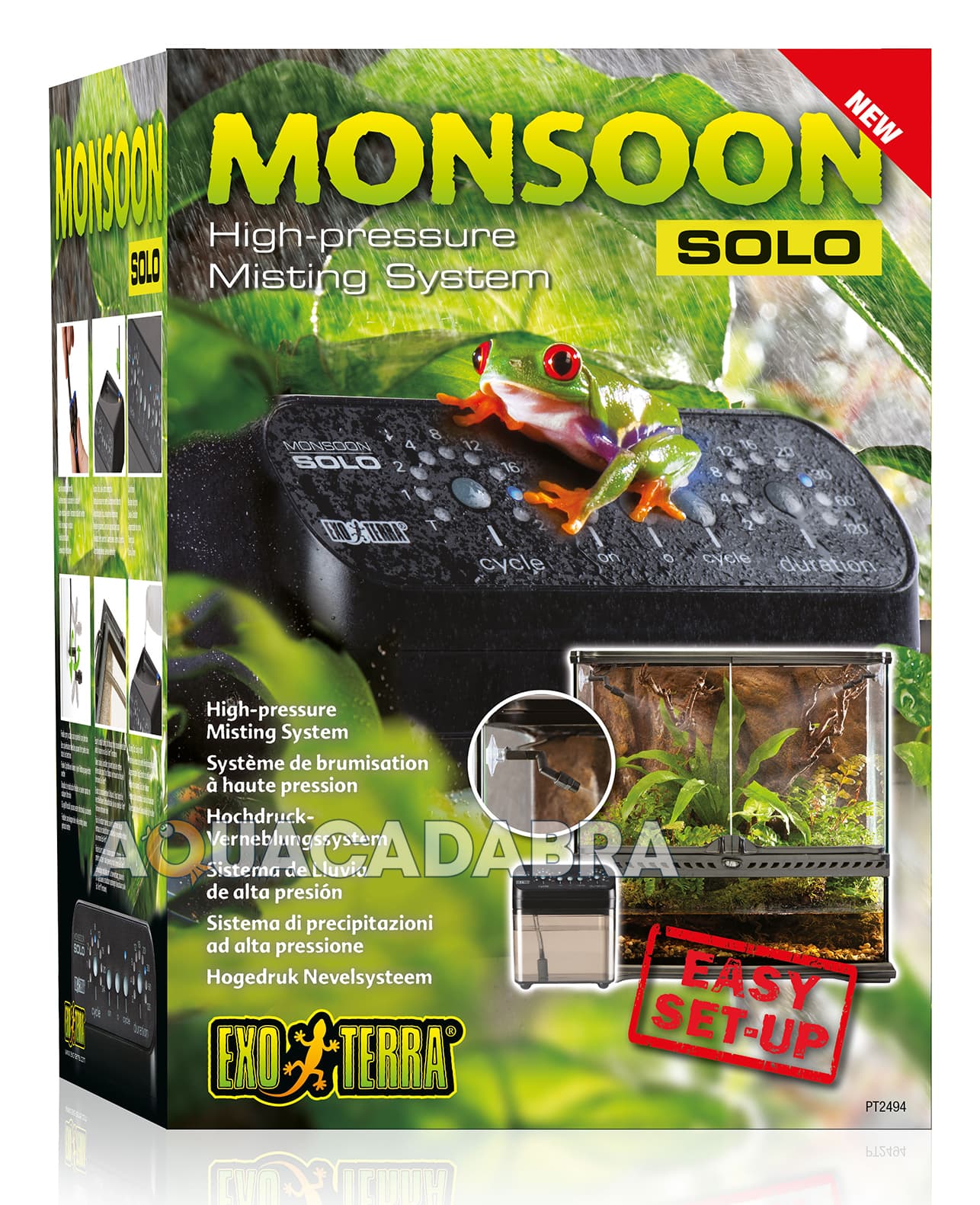
Exo Terra Monsoon Multi II Misting System
The Exo Terra Monsoon Multi II earns its spot as a best-in-class multi-zone system for British keepers thanks to commercial-grade pump reliability, expandable reservoirs and quiet, low-vibration operation that suits delicate reptile and amphibian setups. Compared with budget single-kit options on this list it costs more up front but delivers superior scheduling flexibility, lower long-term maintenance and better energy-per-mist efficiency for larger or mixed-species collections.
We may earn a commission on purchases. It never affects our rankings.
£149.05GBP£194.99
Zoo Med Repti Rain Automatic Misting System
The Zoo Med Repti Rain Automatic Misting System is the market leader for affordability and wide availability in 2025, offering simple, plug-and-play misting that makes it ideal for beginners and small vivaria. It undercuts pricier systems like Exo Terra on purchase cost while remaining reliable for light to moderate humidity tasks, though it is less feature-rich and slightly louder than the premium quiet models tested by experts.

Estimated£80 – £140
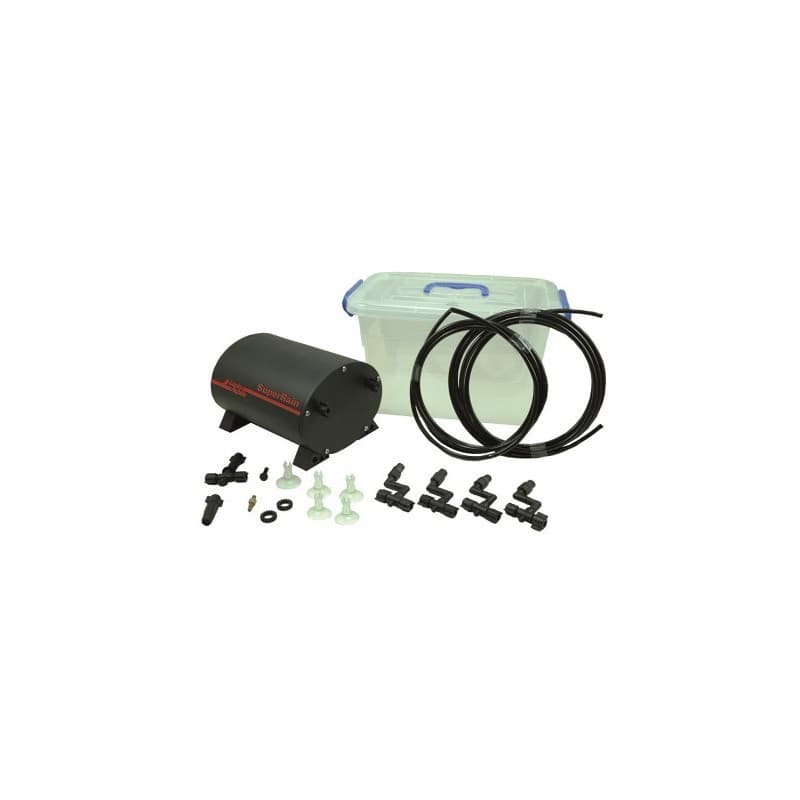
Lucky Reptile Super Rain II Misting System
Lucky Reptile Super Rain II stands out for high-pressure, fine-mist performance and German engineering that delivers consistent droplet size — a technical advantage for species that need rapid, even coverage. It sits between Zoo Med and Exo Terra on price but offers better nozzle precision and durability than most budget kits, trading a modestly higher power draw for superior mist quality and lower water wastage.
We may earn a commission on purchases. It never affects our rankings.
£139.74GBP
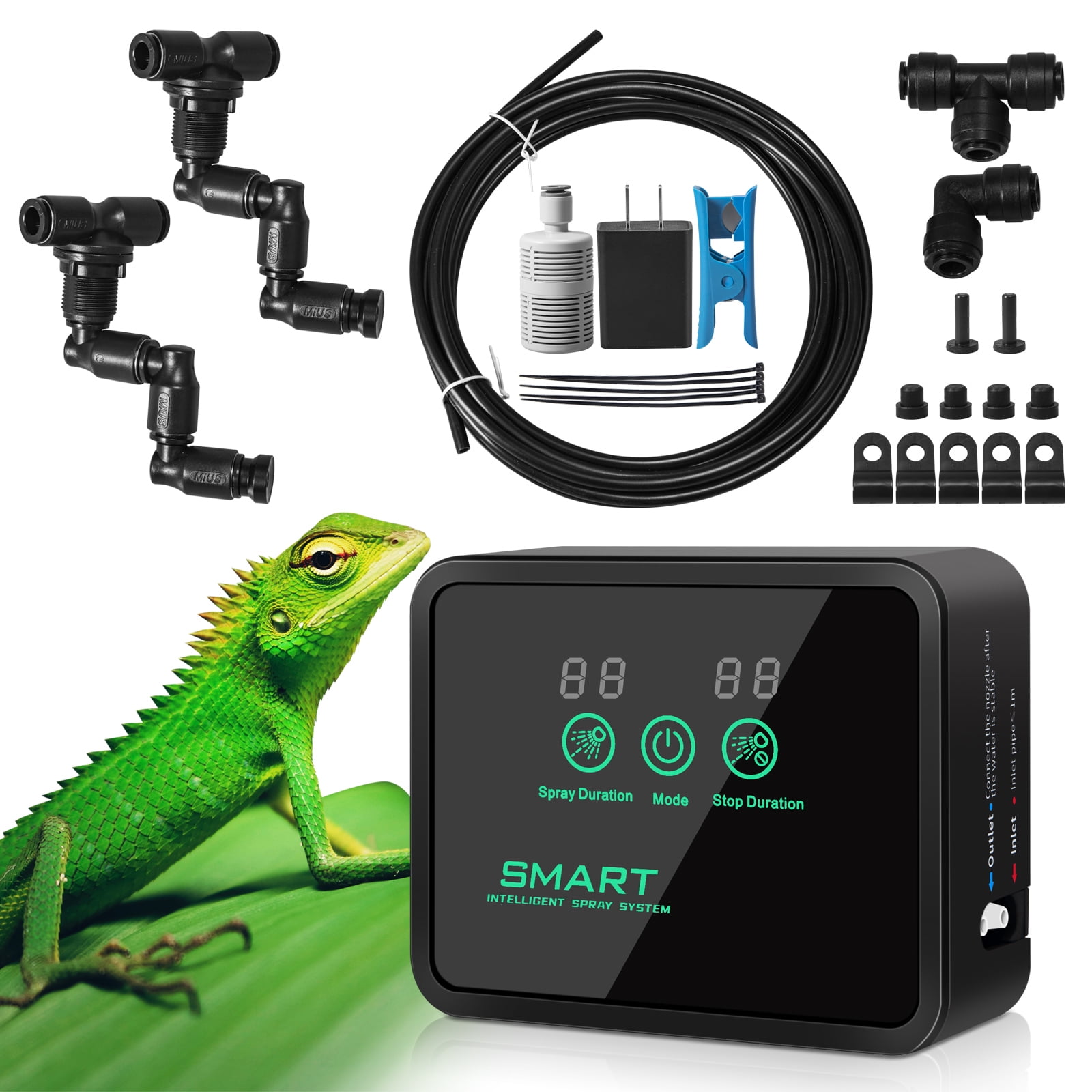
Reptile Systems Humidity Control System
Reptile Systems Humidity Control System is a UK-focused solution prized by experts for its accurate proportional humidity control and tight integration with British setups, which reduces unnecessary pump cycling and energy use. Compared with combined thermostat units on the list it emphasizes automated humidity stability and locally supported sensors, producing lower running costs and faster recovery after misting events.
Estimated£90 – £150
Habistat Pulse Proportional Thermostat with Humidity Control
The Habistat pulse proportional thermostat is the controller most UK keepers pair with a ceramic heater or heat mat. Rather than switching the heater fully on and off, it pulses power continuously, holding vivarium temperature far steadier than a simple on/off stat and reducing the swings that stress tropical species. Habistat's pulse units are rated to 600 W, which covers the ceramic emitters used in large tropical setups. Note what it does not do: a pulse proportional thermostat regulates heating only. Humidity still needs a hygrostat, so budget for a separate humidity controller alongside it if you want misting triggered by readings rather than a timer.

Estimated£120 – £180
ProRep Misting System
The ProRep Misting System is a reliable mid-range option in the UK market that balances quiet operation with straightforward installation and competitive pricing, making it well suited to small-to-medium enclosures. It doesn't match the advanced scheduling or multi-zone scalability of the Exo Terra or Komodo systems but its lower upfront cost and ease of maintenance give good value for keepers focused on single-tank setups.

Estimated£70 – £130
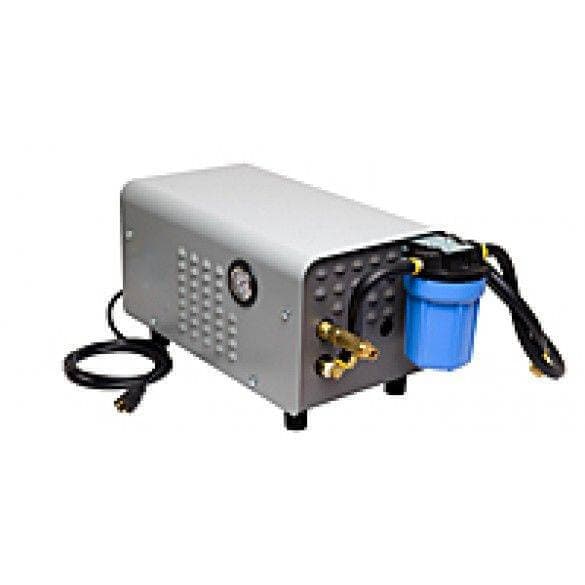
Komodo Advanced Misting System
The Komodo Advanced Misting System markets itself as a premium compact solution focused on whisper-quiet pumps, programmable cycles and low energy consumption — attributes experts flagged as ideal for amphibian species that require frequent, gentle misting. While typically priced at a premium similar to Exo Terra, Komodo's modular nozzle options and refined duty-cycle control deliver excellent water economy and minimal disturbance compared with simpler kits.
Estimated£140 – £220
Independently timed outlets let one pump serve several vivaria. Hygrostat control triggers misting on a humidity reading rather than a clock. Larger, modular reservoirs stretch the interval between refills. Fine high-pressure nozzles give even coverage without soaking the substrate. Serviceable, RO-compatible pumps and nozzles keep hard-water scaling manageable.
Water quality, reservoir hygiene and electrical safety
Steady humidity underpins clean sheds, respiratory health and breeding condition in tropical reptiles and amphibians, and the reservoir is where most systems let keepers down. Two things matter more than pump specification. First, water chemistry: much of the UK sits on hard mains water, and dissolved calcium scales misting nozzles until the spray pattern collapses, which is why system manufacturers ask for reverse-osmosis or distilled water. Second, and more serious, UK mains water is disinfected with chlorine or chloramine. Amphibian skin is highly permeable and absorbs both, so untreated tap water should never go into a reservoir that mists an amphibian enclosure — use RO or distilled water, or a conditioner that neutralises chloramine as well as chlorine. Central heating adds the third problem: it dries indoor air through the winter, so systems cycle hardest in the months when refilling is least convenient.
Stable humidity cycles reduce incomplete sheds and respiratory problems; an automated system with an adequate reservoir is mainly a way of making those cycles repeatable.
Use reverse-osmosis or distilled water. Hard UK mains water scales nozzles, and for amphibians the chlorine and chloramine in untreated tap water pass straight through the skin.
Empty and scrub the reservoir weekly rather than topping it up. Water standing at room temperature builds biofilm, and Pseudomonas and similar opportunists are a recognised cause of skin and respiratory infection in captive herps.
Run every pump, fogger and controller from a socket protected by a 30 mA RCD on the UK 230 V supply, and fit a drip loop so water running down the cable falls clear before it reaches the plug.
A timer-driven mister sprays to a schedule; a hygrostat with a probe sprays to a reading. Only the second holds a target humidity when room conditions change.
Larger or modular reservoirs stretch the interval between refills, which matters most in winter when heating pushes ambient humidity down and the system runs more often.
Frequently Asked Questions
Which misting system is best for small beginner vivaria?
Choose the Zoo Med Repti Rain Automatic Misting System for small vivaria because it's plug-and-play with an easy-to-use built-in timer, fine mist nozzles, and a 3.8 average rating.
Does Lucky Reptile Super Rain II use fine micro-droplets?
Yes — Lucky Reptile Super Rain II is described as delivering “micro-droplets” with fine-mist, high-pressure performance, plus adjustable output and multiple nozzles for even coverage; it has a 4.3 average rating.
How does Exo Terra Monsoon Multi II pricing compare value?
The Exo Terra Monsoon Multi II sits at the premium end of this list. The extra outlay buys a programmable controller, several independently timed outlets and quiet, low-vibration running, so one pump can serve multiple vivaria instead of buying a kit per enclosure; it holds a 4.2 average rating. For a single small terrarium a budget kit does the same job for less.
Is Zoo Med Repti Rain good for large complex multi-zone setups?
No — the Zoo Med Repti Rain Automatic Misting System is compact and aimed at routine misting for beginners and smaller terrariums, not multi-zone complexity, and it has a 3.8 average rating; warranty duration isn't provided.
Conclusion
For a multi-vivarium collection the Exo Terra Monsoon Multi II is the pick here: independently timed outlets mean one pump covers several enclosures. The Lucky Reptile Super Rain II is the better buy where mist quality matters most, with finer droplets and even coverage in tall vivaria. Zoo Med's Repti Rain and the ProRep kit are the entry points for a single small terrarium, and the Komodo Advanced Misting System sits between the two for quiet, frequent misting in amphibian setups. Whichever pump you choose, pair it with proper humidity control rather than a bare timer: the Reptile Systems humidity controller switches on a probe reading, while a Habistat pulse proportional thermostat regulates heating only. Fill with RO or distilled water and clean the reservoir weekly. Our filtering tools sort by reservoir capacity in litres, pump noise, energy use and controller compatibility.