

Best Acrylic and Plastic Reptile Enclosures in the UK 2025 — Durable, Lightweight Vivariums for Every Species
Acrylic and plastic enclosures have become an increasingly popular choice amongst UK reptile enthusiasts, offering a refreshing departure from conventional glass terrariums. These modern alternatives deliver superior thermal retention, making them particularly valuable during Britain's lengthy winter months when maintaining consistent heat becomes a central concern. Unlike fragile glass solutions, acrylic and engineered plastic materials resist shattering, a crucial advantage for keepers transporting animals to exhibitions, veterinary appointments, or between seasonal housing arrangements. The inherent insulating properties of these materials mean your heating bills remain more manageable whilst your reptiles enjoy stable environmental conditions year-round. Breeders and serious hobbyists increasingly favour custom-moulded acrylic designs that accommodate species-specific requirements — arboreal setups for tree-dwelling geckos, terrestrial configurations for ground-dwelling species, and specialised aquatic designs for frogs and newts. The lightweight construction simplifies maintenance routines, allowing you to relocate enclosures for cleaning, temperature adjustments, or environmental modifications without the physical strain associated with hefty glass tanks. Whether you're establishing a modest collection, breeding animals professionally, or seeking transportable quarantine facilities, acrylic and plastic enclosures provide the flexibility, durability, and practicality that contemporary reptile keeping demands.
Inception's AI took the time to understand this market in the UK · · How we pickWe may earn a commission on purchases. It never affects our rankings.
Top Picks Summary
Vivexotic's Viva+ Arboreal Vivarium is the specialist pick for tree-dwelling species: a tall wooden vivarium with glass sliding doors, built for arboreal setups with good heat retention and mounting options that glass-only cages struggle to match. It is a premium choice, costing more than Reptile One or Habistat, but its vertical space and insulated wood construction make it well suited to humidity-sensitive arboreal species.
Show More Acrylic Desktop Terrariums
We may earn a commission on purchases. It never affects our rankings.
See price at hugglepets.co.uk
Habistat's Glass Terrarium (36x18x18) keeps its place thanks to reliable UK-focused manufacturing standards and solid thermal performance, which appeals to buyers seeking durable glass enclosures on Boxing Day price drops. While it may lack the integrated electronics of LED-enabled rivals, its reputation for sturdy glass construction and straightforward servicing can mean lower long-term replacement costs compared with cheaper acrylic alternatives.
Show More Plastic Transport Terrariums
Monkfield Terrainium targets budget-conscious hobbyists with a modular, terrarium-style design that emphasizes affordability and ease of customization, making it a practical entry-level alternative to larger, costlier units like REPTI ZOO or Vivexotic. While it may not match the build quality or humidity retention of premium glass vivariums, its low upfront cost and modular extras make it an attractive financial choice for experimental or temporary undefined enclosures.
Show More Acrylic Arboreal Enclosures
Estimated£85 – £150
ProRep Live Food Tub Large functions as an economical, multi-purpose quarantine-ready alternative to dedicated terrariums, providing stackable ventilated tubs and secure snap-on lids well suited for short-term housing, live-food cultures and isolation of tiny juveniles. It won’t match the long-term heat stability or integrated accessory ports of Komodo or Exo Terra, but its versatility, high volume-per-pound value and very low cost make it an indispensable budget tool in a keeper’s quarantine toolkit.
Show More Acrylic Desert Habitat Terrariums
Estimated£6 – £12
Réservoir personnalisé sans couture Custom Aquariums 72x24x24
Le réservoir personnalisé sans couture Custom Aquariums 72x24x24 est la solution spécialisée qui répond aux besoins des clients recherchant un grand enclos acrylique parfaitement étanche avec un réservoir et un système de tuyauterie intégrés en usine, offrant une résistance aux fuites et une esthétique incomparables pour les installations commerciales ou résidentielles haut de gamme. Bien qu'il représente généralement l'investissement initial le plus élevé, ses avantages techniques - incluant des jonctions sans couture, des cloisons internes personnalisées et une tuyauterie clé en main - réduisent les coûts de rénovation et de maintenance à long terme par rapport aux enclos modulaires ou en kit. Dans les environnements où une installation soignée et à faible entretien est primordiale, il surpasse même les produits modulaires premium malgré l'investissement initial plus important.
Show More Acrylic Tropical Humidity Terrariums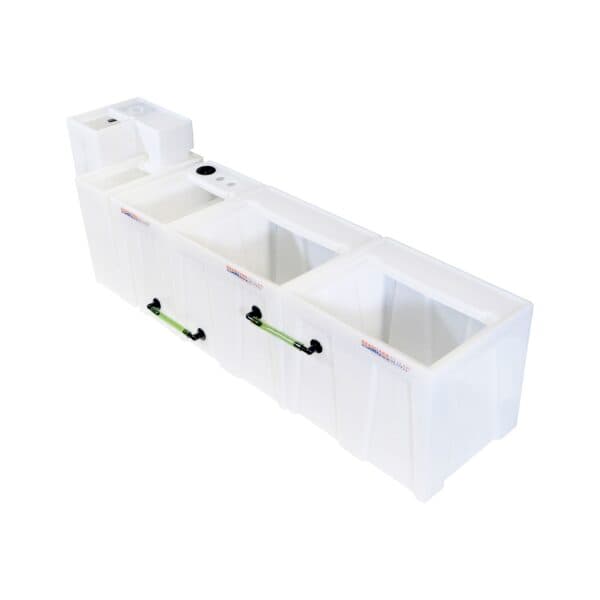
Estimated£1,855 – £3,710
Modern acrylic and plastic enclosures combine excellent thermal insulation with robust construction, making them ideal for the British climate. These enclosures are significantly lighter than glass alternatives, easier to customise for specific species, and substantially more resistant to damage during transportation or daily handling. Their superior heat retention capabilities reduce operational costs whilst supporting optimal animal health.
Understanding Acrylic and Plastic Enclosures for Reptile Keeping
Acrylic and plastic materials represent a significant evolution in reptile housing technology. Cast acrylic delivers optical clarity comparable to glass whilst offering enhanced durability and thermal properties. Engineered plastics provide flexibility in design whilst maintaining excellent structural integrity. Both materials excel at maintaining consistent internal temperatures, a critical factor in UK homes where ambient conditions fluctuate seasonally.
Acrylic enclosures offer superior insulation compared to standard glass, reducing heating requirements during winter months
Plastic and acrylic materials are inherently resistant to breakage, providing safety for both animals and keepers
Custom moulding capabilities allow creation of species-specific environments, from vertical arboreal designs to specialised aquatic habitats
Lightweight construction simplifies maintenance, transport to veterinary clinics, and repositioning within your home
Acrylic surfaces are easily scratched during routine cleaning; use soft microfibre cloths and non-abrasive solutions
Ensure adequate ventilation design to prevent stagnant conditions and respiratory issues in your reptiles
UV penetration varies between materials; verify compatibility with essential UVB lighting systems
Most acrylic enclosures are recyclable, supporting environmentally conscious reptile keeping practices
Frequently Asked Questions
Which vivarium is best for arboreal species like geckos?
The Zilla Tropical Vertical Habitat Kit is the ideal choice for climbing species because it features a tall vertical layout specifically designed to provide generous height within a compact footprint.
Does the VivExotic Viva+ Terrestrial Vivarium support deep substrate?
The VivExotic Viva+ Terrestrial Vivarium Large is specifically designed for terrestrial species and includes the capacity for deep substrate layers to accommodate natural burrowing behaviours.
Is the Habistat Glass Terrarium better than acrylic options?
The Habistat Glass Terrarium holds a 4.3 average rating and provides clear optical viewing without the scratch issues commonly associated with acrylic enclosures.
Which enclosure is most suitable for arid reptile species?
The VivExotic Viva+ Terrestrial Vivarium Large is the most suitable option for arid species, as it features a UK-centred design with specific venting options tailored to drier microclimates.
Conclusion
Selecting the appropriate enclosure represents one of the most significant decisions in your reptile husbandry journey, and acrylic and plastic options deserve serious consideration. Each product in our selection has been evaluated for build quality, insulation performance, ventilation design, and suitability across various species requirements. The investment in a quality acrylic or plastic vivarium typically pays dividends through reduced energy consumption, enhanced animal welfare, and years of reliable service. We encourage you to assess your specific needs — whether prioritising portability for shows, thermal efficiency for temperature-sensitive species, or custom dimensions for unusual setups — and cross-reference our detailed comparisons with your local UK retailers and specialist online suppliers. Your chosen enclosure should align with your animal's behavioural and physiological requirements whilst fitting comfortably within your space and budget constraints. By choosing wisely from today's advanced materials and designs, you're investing not only in animal welfare but also in the long-term sustainability of your reptile-keeping endeavour.