

Best Guinea Pig Pellet Foods for 2026 — Complete Nutritional Guide for UK Pet Owners
Pellets are the smallest part of a guinea pig's diet and the easiest part to get wrong. Unlimited grass hay is the staple — it should make up the bulk of what your cavy eats every day — while a complete pellet is a measured top-up, about a tablespoon per pig daily, that fills the gaps hay and fresh vegetables leave behind. The gap that matters most is vitamin C. Unlike rabbits, guinea pigs cannot synthesise their own vitamin C and must take it in every day or risk scurvy, which is exactly why guinea pig pellets are fortified and rabbit pellets are not. The two are never interchangeable, however similar the bags look on the shelf. Fortification alone is not the whole story either: stabilised vitamin C decays inside the bag, losing much of its potency within roughly 90 days of milling and faster still once the bag is opened, so bag size and the date stamp matter more here than in almost any other pet food. Buy the size you will finish in about three months rather than the biggest sack on the shelf. Two further rules narrow the field for adults. A maintenance pellet should be timothy- or grass-based rather than alfalfa-based, because alfalfa is a legume carrying far more calcium — right for growing, pregnant or nursing animals, but a push towards bladder sludge and stones in a healthy adult. And muesli-style mixes, those colourful blends of flakes, peas and coloured bits, are discouraged by UK welfare bodies and vets because guinea pigs pick out the sweet pieces and leave the fibre, which drives dental disease and gut stasis. This guide compares five uniform, single-format pellets sold widely across the UK in 2026, judged on their declared vitamin C, fibre level, calcium-to-phosphorus balance and how easily you can buy them in a sensible bag size.
Inception's AI took the time to understand this market in the UK · · How we pickWe may earn a commission on purchases. It never affects our rankings.
Top Picks Summary
Burgess Excel Guinea Pig Nuggets with Mint
Burgess Excel Adult Guinea Pig Nuggets with Mint is a cost-conscious, high-fibre maintenance pellet fortified with vitamin C and a palatable mint note that helps encourage consistent intake. In this UK-focused guide it stands out for widespread availability and lower unit cost while still supporting dental wear and urinary health, though it contains fewer targeted gut-health additives than Beaphar and is less formulation-specialist than Versele-Laga or Supreme Science Selective.

We may earn a commission on purchases. It never affects our rankings.
£7.28GBP
Supreme Science Selective Guinea Pig Food
Supreme Science Selective Guinea Pig Food prioritises a highly consistent, extruded pellet that reduces selective feeding and delivers a balanced high-fibre, vitamin C‑fortified formula designed for long-term dental and urinary health. Compared with competitors in this UK list it often commands a mid‑range premium for its technical extrusion process and nutrient uniformity, offering an advantage over softer mixes like Burgess while being less focused on added digestive supplements than Beaphar.

We may earn a commission on purchases. It never affects our rankings.
£7.29GBP
Oxbow Essentials Adult Guinea Pig Food
Recognized by many keepers as best-in-class for maintenance, Oxbow Essentials delivers a timothy-hay–based pellet with a research-backed nutrient profile and stabilized vitamin C that supports dental and digestive health. It generally commands a premium price compared with mixed or economy pellets, but its consistent fiber content and single-format delivery reduce selective feeding and make it cost-effective long term for guinea pigs needing steady maintenance nutrition.

Estimated£8 – £19
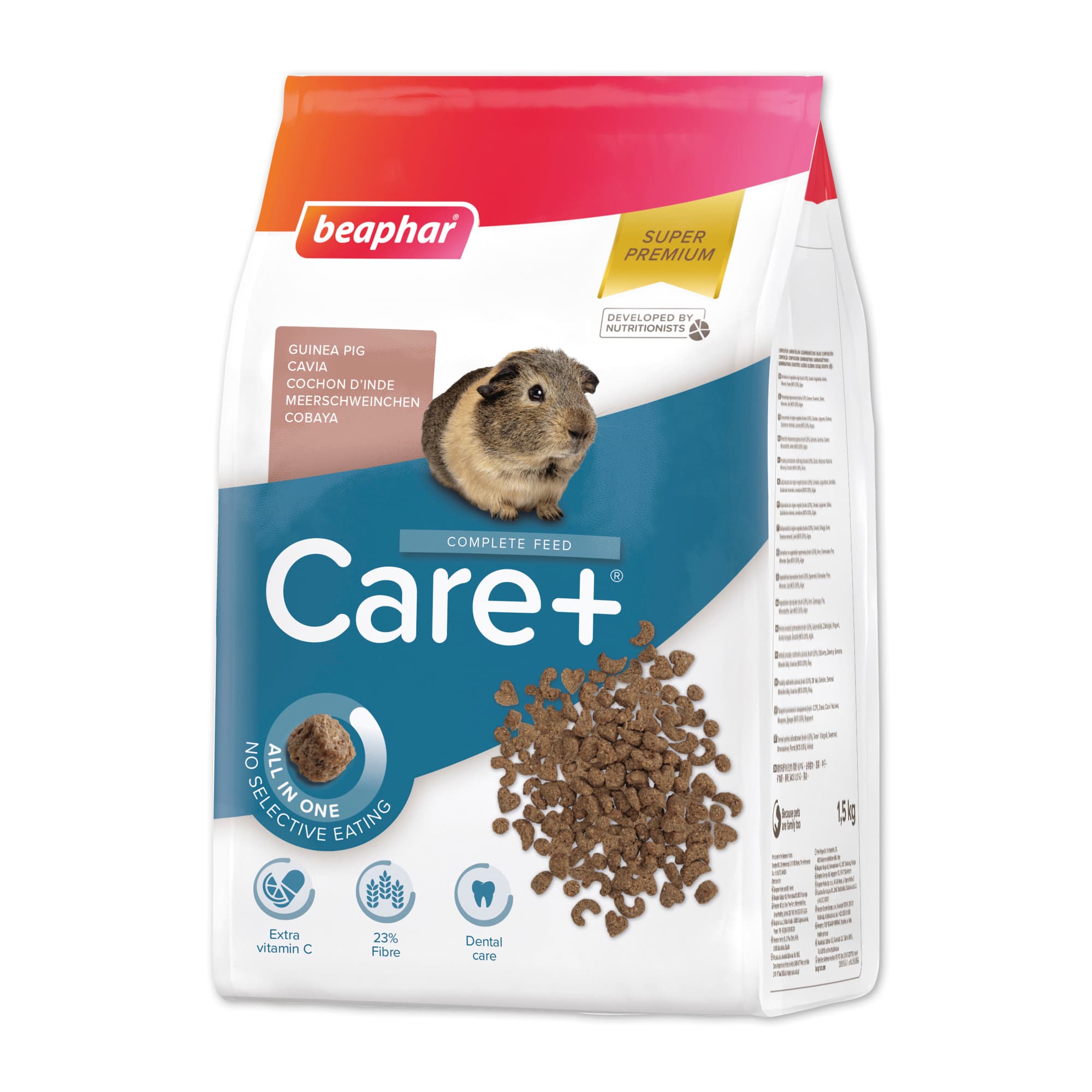
Beaphar Care+ Guinea Pig Food
Beaphar Care+ Guinea Pig Food is formulated as a premium maintenance pellet with stabilized vitamin C plus added digestive support ingredients to promote gut balance alongside high fibre for dental wear. Within this expert lineup it differentiates itself financially at the higher end but delivers technical advantages—probiotics/prebiotics and carefully controlled mineral levels—to reduce urinary stone risk more proactively than many basic pellets.
Estimated£6 – £10
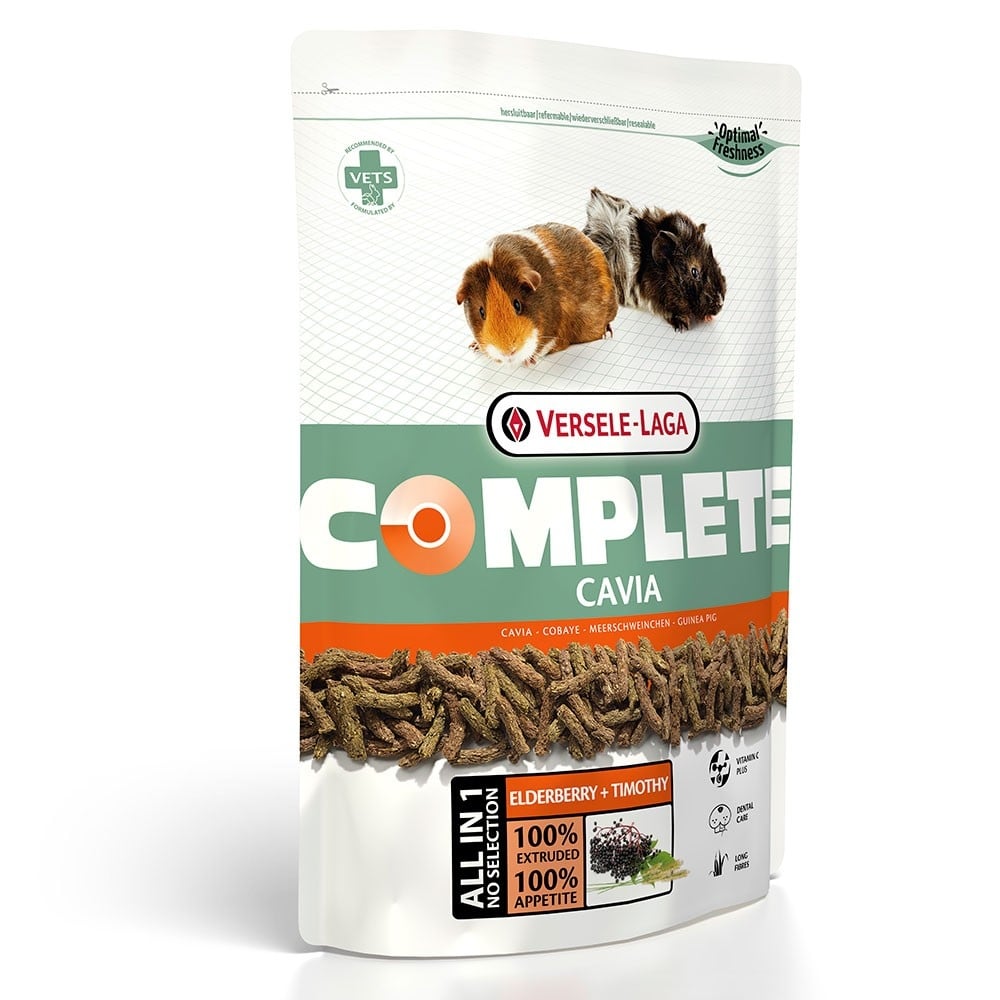
Versele-Laga Complete Cavia Guinea Pig Food
Versele-Laga Complete Cavia Guinea Pig Food is a long-established, scientifically balanced pellet that combines high fibre and vitamin C fortification with tightly controlled mineral ratios to support teeth and urinary tract health. On this UK list it is positioned as a market-leader option with a premium price justified by formulation consistency and breeder-level reputation, offering a more proven mineral profile compared with budget options like Burgess and a comparable completeness to Supreme Science Selective.
Estimated£7 – £13
All five are complete, single-format pellets with a declared vitamin C content, fibre suited to adult maintenance and a calcium level appropriate for grown animals. Each is easy to buy across UK pet shops, veterinary practices and online retailers, and each is available in a bag size small enough to use up while the vitamin C is still potent.
Understanding Guinea Pig Pellet Nutrition
Pellets exist to plug nutritional gaps, not to fill the bowl. Hay does the heavy lifting — it supplies the long fibre that keeps the gut moving and wears down teeth that never stop growing — while a complete pellet supplies the vitamin C, minerals and trace elements that hay and a handful of vegetables can miss. Guinea pigs cannot make their own vitamin C. Rabbits can, which is why rabbit food carries none and must never be substituted, even for a few days. Look for a declared figure on the pack rather than a vague claim of added vitamin C: the products compared here declare between roughly 250 and 1,050 mg/kg. That declaration is measured at manufacture, and stabilised vitamin C still degrades with time, light and heat — potency drops off within about 90 days of milling and quicker once the bag is open — so a 10 kg sack bought for two guinea pigs is a false economy. For adult maintenance the base ingredient matters as much as the vitamin panel. Timothy and other grasses give high fibre with modest calcium; alfalfa is a legume with considerably more calcium and protein, appropriate for youngsters and pregnant sows but a liability for an adult prone to urinary sludge. Aim for high crude fibre, moderate calcium, and one uniform pellet shape. That uniformity is the whole point: UK welfare guidance discourages muesli-style mixes precisely because selective feeding lets an animal eat the sugar and leave the fibre.
Guinea pigs cannot synthesise vitamin C — rabbit pellets contain none and are never a substitute
Stabilised vitamin C fades in the bag: buy a size you can finish within roughly 90 days of milling
Adult maintenance pellets should be timothy- or grass-based; alfalfa's high calcium suits growing and pregnant animals
Unlimited hay is the staple — pellets are a measured daily top-up of about a tablespoon, not the main meal
Crude fibre across this line-up runs from 20% to 28%, supporting gut motility and natural tooth wear
Balanced calcium-to-phosphorus ratios minimise urinary calculi risk in susceptible individuals
Single-format pellets avoid the selective feeding that UK welfare bodies warn about in muesli mixes
Store pellets cool, dry and sealed — light and heat accelerate vitamin C loss
Read the date stamp on the bag, not just the price per kilogram
Transition periods of 7-10 days allow digestive adaptation when switching pellet brands
Frequently Asked Questions
Which pellet should I pick for picky adult guinea pigs?
Burgess Excel Guinea Pig Nuggets with Mint (rating 4.3) is the usual answer, because the dried mint lifts palatability without adding the sugary flakes that cause selective feeding. It declares 21% crude fibre and 1,050 mg/kg added vitamin C, so a fussy pig that eats it is still getting a full maintenance ration.
Does Supreme Science Selective Guinea Pig Food include vitamin C?
Yes — Supreme Science Selective Guinea Pig Food (rating 4.6) is fortified with stabilised vitamin C, and its single extruded pellet means every mouthful carries the same dose rather than letting your guinea pig sort the bowl. As with any fortified pellet, the declared figure applies at manufacture, so check the date stamp and finish the bag while it is fresh.
How does Oxbow Essentials Adult Guinea Pig Food compare on price?
Oxbow Essentials Adult Guinea Pig Food (rating 4.6) typically sits at the premium end of the maintenance-pellet range, costing more than economy or mixed feeds. Its timothy-hay base, the highest crude fibre in this comparison at 25-28%, controlled calcium of 0.35-0.75% and stabilised vitamin C help justify the higher price for owners prioritising long-term dental and urinary health.
Why is vitamin C so important in guinea pig pellets, and how long does it last?
Unlike rabbits, guinea pigs cannot synthesise their own vitamin C, so they must take it in daily or develop scurvy. Every pellet in this guide is fortified, but the declared figure is measured at manufacture and stabilised vitamin C degrades with time, light and heat — potency falls away within roughly 90 days of milling and faster once the bag is opened. Buy a bag you can finish inside about three months, store it sealed somewhere cool and dark, and keep offering vitamin C-rich vegetables such as bell pepper alongside it.
Conclusion
Choosing a maintenance pellet comes down to four things you can read off the bag: a declared vitamin C figure, a grass rather than legume base, high crude fibre with calcium kept moderate, and a bag small enough to finish while that vitamin C is still worth something. The five products compared here — Burgess Excel Guinea Pig Nuggets with Mint, Supreme Science Selective Guinea Pig Food, Oxbow Essentials Adult Guinea Pig Food, Beaphar Care+ Guinea Pig Food and Versele-Laga Complete Cavia Guinea Pig Food — are all single-format pellets stocked widely by UK pet retailers and online suppliers, so none of them invites selective feeding the way a muesli mix does. Each has a different emphasis: Burgess Excel pairs the widest availability with a mint nugget that tempts fussy pigs, Supreme Science Selective builds its case on extrusion consistency, Oxbow Essentials leads on a timothy base and the highest fibre in the group, Beaphar Care+ adds prebiotics and herbs for gut support at a lower price, and Versele-Laga Complete Cavia offers a long-established balanced profile. Whichever you pick, keep the pellet portion measured, keep the hay unlimited, and add a daily handful of vitamin C-rich vegetables such as bell pepper. If your guinea pig has had bladder stones, dental problems or any ongoing dietary sensitivity, take the calcium figures to your vet before switching.