

Top 7 Species-Specific Pellets for Rabbits and Small Pets in the UK — 2026 Guide
Published on Thursday, 26 February 2026
Selecting the right pelleted feed is fundamental to rabbit welfare and equally important for guinea pigs and other small rodents. Life stage specific pellets deliver carefully calibrated nutrition—higher protein and energy for growing youngsters, balanced formulas for prime adults, and lower calorie blends for ageing animals prone to weight gain. In the United Kingdom, guardians increasingly prioritise brands that publish transparent ingredient lists, emphasise high fibre to support digestive and dental health, and offer formulations designed to be used alongside unlimited timothy hay. Shoppers value products stocked by independent retailers, major chains such as Pets at Home, and specialist online suppliers. Current UK trends include demand for grain free options, smaller pack sizes suited to single-pet households, and feeds developed with veterinary input or third-party quality assurance. Understanding fibre percentages, recommended protein levels by life stage, and the importance of slow dietary transitions helps pets thrive across every life stage. This guide examines seven standout pelleted options that meet the needs of discerning British owners seeking reliable nutrition, visible sourcing, and good value.
Top Picks Summary
Burgess Excel Adult Rabbit Nuggets with Mint
Burgess Excel Adult Rabbit Nuggets with Mint is a widely available, cost-effective adult pellet that balances long-strand fibre with a palatable mint twist to encourage regular eating in healthy grown rabbits. In this 2026 UK guide it earns its place for dependable daily maintenance at a lower price point than many specialist ranges, while still offering better fibre content than some complete single-feed options like Versele‑Laga.
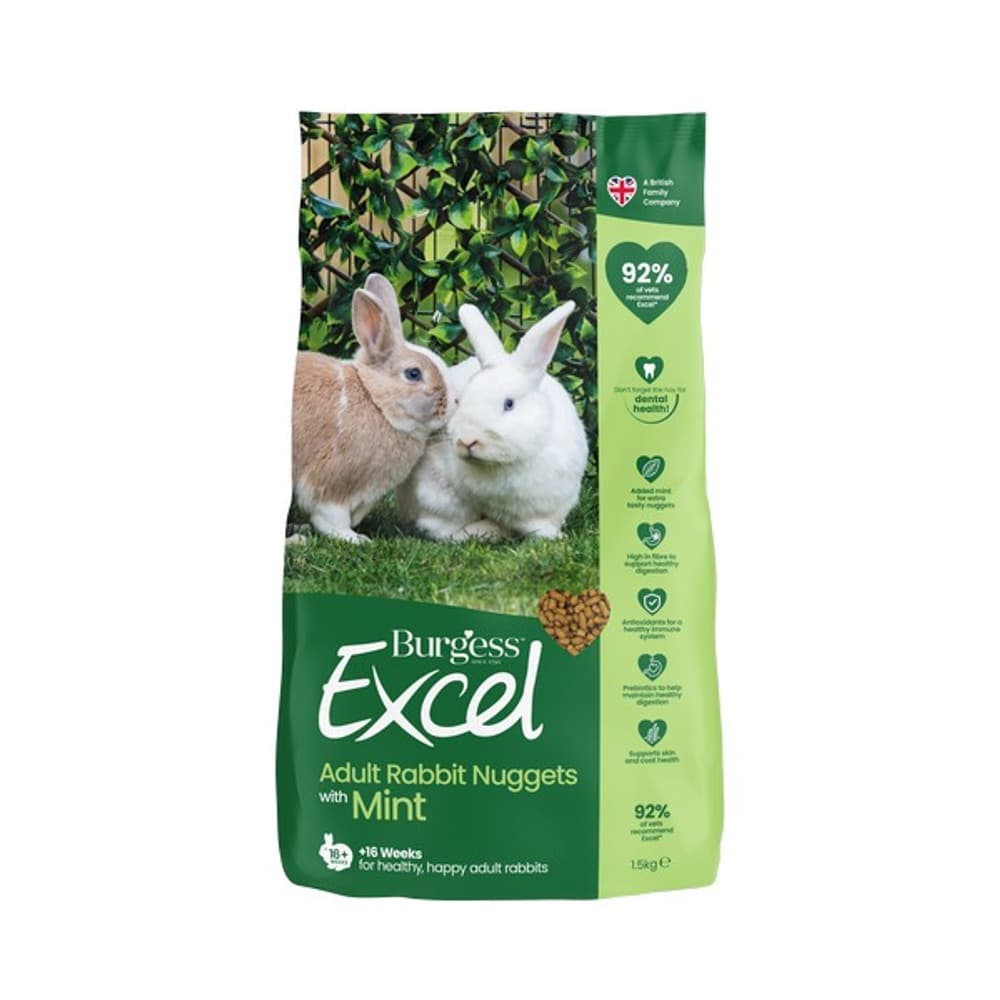
Where to buy Burgess Excel Adult Rabbit Nuggets with Mint in UK: the trusted retailers we track in this market, with the best price we have observed at each. Prices are checked regularly and can change, and the retailer confirms the final price at checkout.
We may earn a commission on purchases. It never affects our rankings.
£5 – £30
Supreme Science Selective Adult Rabbit Food
Supreme Science Selective Adult Rabbit Food is a fiber-forward, pellet-based diet from Supreme Petfoods that earns a best-in-class spot for its carefully balanced fiber-to-protein ratio, dental-promoting texture, and consistent veterinary-style formulation. In this UK rabbit pellet guide, it stands out for delivering clinic-backed nutrition at a competitive price-per-bag and technical advantages like controlled calcium/phosphorus levels and lower caloric density to help prevent obesity while keeping overall feeding costs reasonable.
Where to buy Supreme Science Selective Adult Rabbit Food in UK: the trusted retailers we track in this market, with the best price we have observed at each. Prices are checked regularly and can change, and the retailer confirms the final price at checkout.
We may earn a commission on purchases. It never affects our rankings.
£5 – £35
Oxbow Essentials Adult Rabbit Food
Oxbow Essentials Adult Rabbit Food is a market-leading maintenance pellet that emphasizes timothy-based fiber to support weight control, dental wear and gut health in adult rabbits. Technically optimized for long-term feeding, it often provides better consistency and predictable nutrient balance than mixed or grain-heavy options like Living World, and typically represents a cost-effective everyday choice versus specialty grain-free formulations.

Burgess Excel Junior & Dwarf Rabbit Nuggets
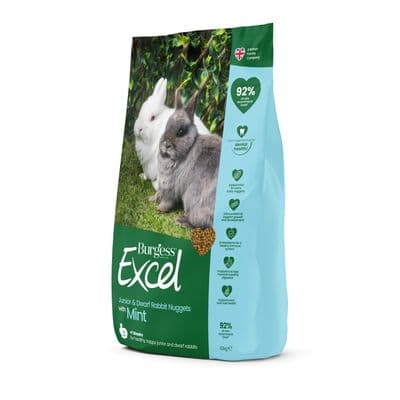
Burgess Excel Junior & Dwarf Rabbit Nuggets are formulated for weaning kits and small breeds with slightly higher protein and digestible energy to support growth while keeping pelleted portions manageable for tiny mouths. This junior nugget is praised in the vet-informed Britain guide for affordability and smooth transition feeding, offering a simpler, cheaper alternative to the more tightly controlled Supreme junior formula.
Supreme Science Selective Junior Rabbit Food
Supreme Science Selective Junior Rabbit Food is a specialist junior pellet engineered to control calcium and energy during growth, reducing common risks around overfeeding and dental development. This 2026 guide highlights its technical advantage for breeders and veterinary cases where precise nutrient management is needed, although that precision comes with a premium price versus Burgess junior nuggets.

Versele-Laga Cuni Complete
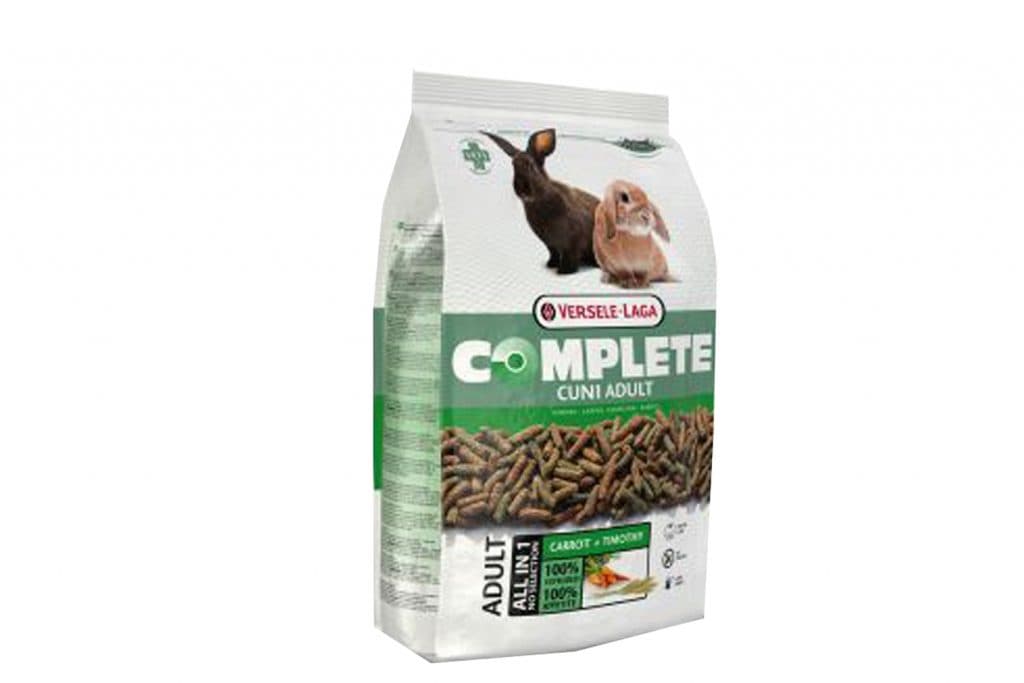
Versele-Laga Cuni Complete is a Belgian-made complete pelleted feed designed to simplify daily feeding by delivering all essential nutrients in a single product, which can reduce the need for multiple supplements. In this 2026 UK guide it is recommended for owners seeking convenience and consistent nutrient delivery; it is competitively priced for a complete feed but less customizable than selective pellet systems.
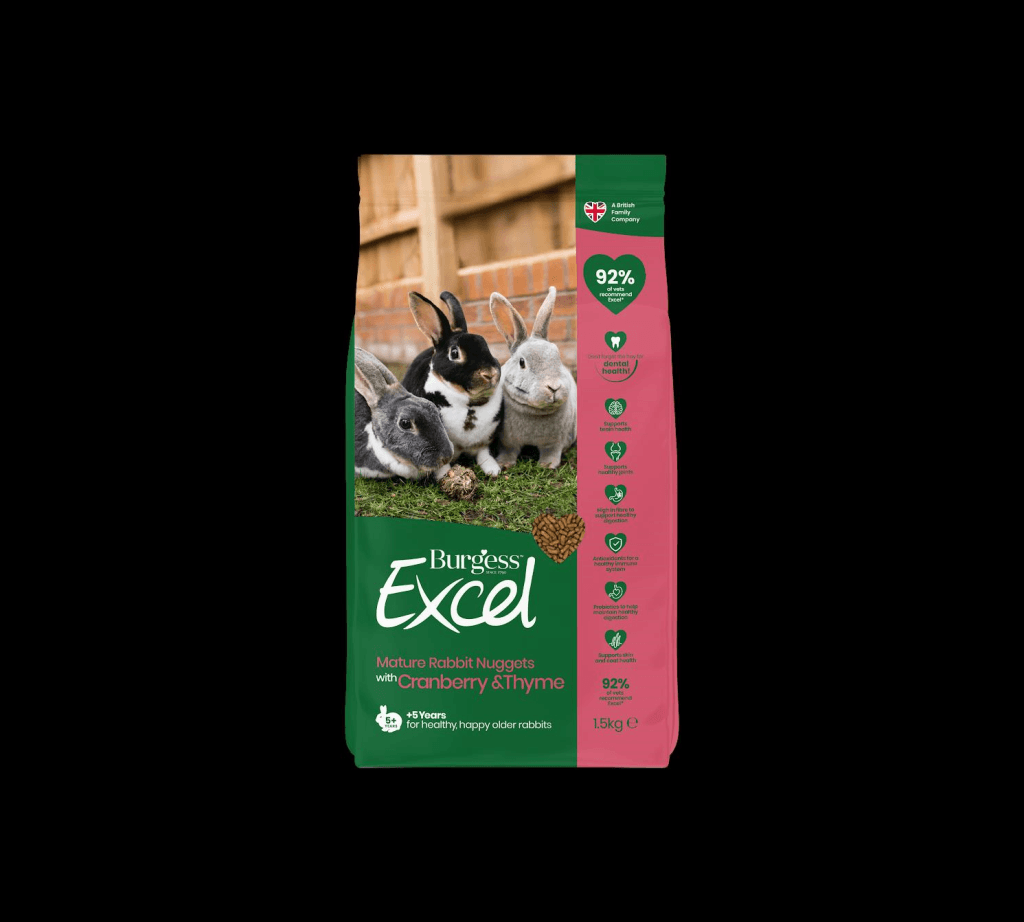
Burgess Excel Mature Rabbit Nuggets with Cranberry & Ginseng
Burgess Excel Mature Rabbit Nuggets with Cranberry & Ginseng is a senior-aimed pellet that adjusts fibre and calorie density for ageing rabbits while adding palatability-enhancing botanicals to encourage intake. The expert British guide ranks it highly for seniors because it combines targeted life‑stage adjustments with Burgess’s accessible pricing, offering a pragmatic alternative to pricier specialist senior feeds.
What the Research and Veterinary Guidance Say
Scientific research and veterinary guidance converge on a few clear points: high dietary fibre, appropriate protein and calorie levels by life stage, and the inclusion of pellets as part of a hay-first diet are central to small mammal health. Peer-reviewed studies and veterinary position statements note that diets low in fibre or overly energy dense increase the risk of obesity, dental wear problems, and gastrointestinal stasis in rabbits and other small herbivores. Diets formulated for specific life stages help ensure growing animals get sufficient protein and calories while adult and senior formulations limit excess energy and support long term health.
High fibre supports gut motility and a stable microbiome. Veterinary guidance typically recommends diets with a substantial proportion of indigestible fibre supplied primarily through hay and fibre-rich pellets.
Life stage formulation matters: growing kits need higher protein and energy, while adults and seniors benefit from balanced or reduced-calorie pellets to avoid excess weight gain.
Excessive carbohydrate or sugary ingredients are linked to digestive upset. Many clinical studies and case reviews recommend limiting simple sugars and excessive starch in rabbit diets.
Dental health is linked to the combination of hay and pellet texture. Pellets that encourage natural chewing plus unlimited hay reduce abnormal tooth wear and associated problems.
Gradual dietary transitions over 7 to 14 days reduce the risk of gastrointestinal disturbance when changing pellet brands or formulations.
Veterinary bodies and specialists, including UK institutions and small mammal vets, advise prioritising feeds with transparent ingredient sourcing and third-party quality checks when possible.
Frequently Asked Questions
How much pelleted food should I give my rabbit each day?
The Rabbit Welfare Association & Fund (RWAF) suggests roughly a level tablespoon of pellets per kilogram of your rabbit's ideal body weight, split into one or two feeds. Pellets should only ever be a small part of the diet, with unlimited hay or grass making up the bulk of what your rabbit eats.
What proportion of a rabbit's diet should be pellets versus hay?
RWAF and PDSA guidance both recommend around 85% hay or grass, roughly 10% leafy greens and vegetables, and only about 5% good-quality pellets. Pellets are best treated as a supplement rather than the main meal.
When should I switch my rabbit from junior to adult pellets?
Most breeds can move onto an adult maintenance formula once they're around six months old and growth has slowed, though larger and giant breeds may need junior food for longer. Check with your vet if you're unsure when to switch.
How do I change my rabbit's pellet brand safely?
Introduce any new pellet gradually over 7 to 14 days, mixing in a little more of the new food each day while reducing the old, to lower the risk of digestive upset or gut stasis.
Conclusion
In the UK market these seven pelleted options are reliable starting points: Burgess Excel Adult Rabbit Nuggets with Mint, Supreme Science Selective Adult Rabbit Food, Oxbow Essentials Adult Rabbit Food, Burgess Excel Junior & Dwarf Rabbit Nuggets, Supreme Science Selective Junior Rabbit Food, Versele-Laga Cuni Complete, and Burgess Excel Mature Rabbit Nuggets with Cranberry & Ginseng. Each product targets a specific life stage or preference: the Burgess Excel lines cover adult, junior, dwarf and mature needs; Supreme Science Selective provides veterinary-focused adult and junior formulas; Oxbow Essentials is a hay-first, fibre-rich option; Versele-Laga Cuni Complete is a widely available all-in-one feed. For most UK rabbit owners seeking an evidence-backed, widely stocked all-round choice, Supreme Science Selective Adult Rabbit Food stands out for its life stage focus and veterinary formulation. I hope you found what you were looking for — you can refine or expand your search using the site search to compare nutrient panels, ingredient lists, pack sizes, or retailer availability.