

Tunnel Four-Season Expedition Tents UK — 5 Winter-Tested Models for Alpine & Arctic Expeditions 2025
Tunnel-configuration four-season expedition tents remain the gold standard for British mountaineers tackling winter Alpine routes, Scottish high plateaus, and polar expeditions. These designs marry efficient snow-shedding aerodynamics with spacious interior layouts, making them ideal for extended team expeditions where comfort and equipment storage matter as much as weatherproofing. The longitudinal pole architecture channels wind laterally whilst the low-profile silhouette minimises exposure to extreme gusts common across UK mountain ranges and northern latitudes. British climbers and wilderness guides consistently favour tunnel models for their predictable load distribution under heavy British winter snow, generous vestibule configurations for sorting ropes and fuel canisters, and straightforward deployment during whiteout conditions when visibility approaches zero. The trade-offs matter here: selecting between single-wall and double-wall constructions affects condensation management in freeze-thaw cycles; fabric weight choices determine whether you're carrying 3kg or 5kg per person across Scottish moorland; and vestibule volume directly impacts whether base camps feel organised or chaotic. Modern expedition tents balance these factors through ripstop nylon reinforcements, sealed seam tape rated for sub-zero environments, and pole geometries tested against British Met Office winter datasets. Whether you're pioneering new Scottish winter routes, supporting mountain rescue training, or leading commercial guided expeditions to Greenland and beyond, understanding tunnel tent geometry, ventilation mechanics, and snow-load tolerances separates competent trip planning from risky assumptions.
Inception's AI took the time to understand this market in the UK · · How we pickWe may earn a commission on purchases. It never affects our rankings.
Top Picks Summary
Hilleberg Kaitum GT
The Hilleberg Kaitum GT is a rugged tunnel four-season tent prized for its large dual vestibules, heavy-gauge fabric and proven snow-handling, making it a go-to for UK winter expeditions where space and safety are non-negotiable. It holds a top position because it combines exceptional storm resistance and long-term durability with more living space than most rivals, though it carries a premium price and greater pack weight than ultralight options like Terra Nova or Nordisk. For teams prioritising sheltered working room and reliability in deep snow, its higher upfront cost is offset by longevity and resale value compared with budget-focused models such as Vango.
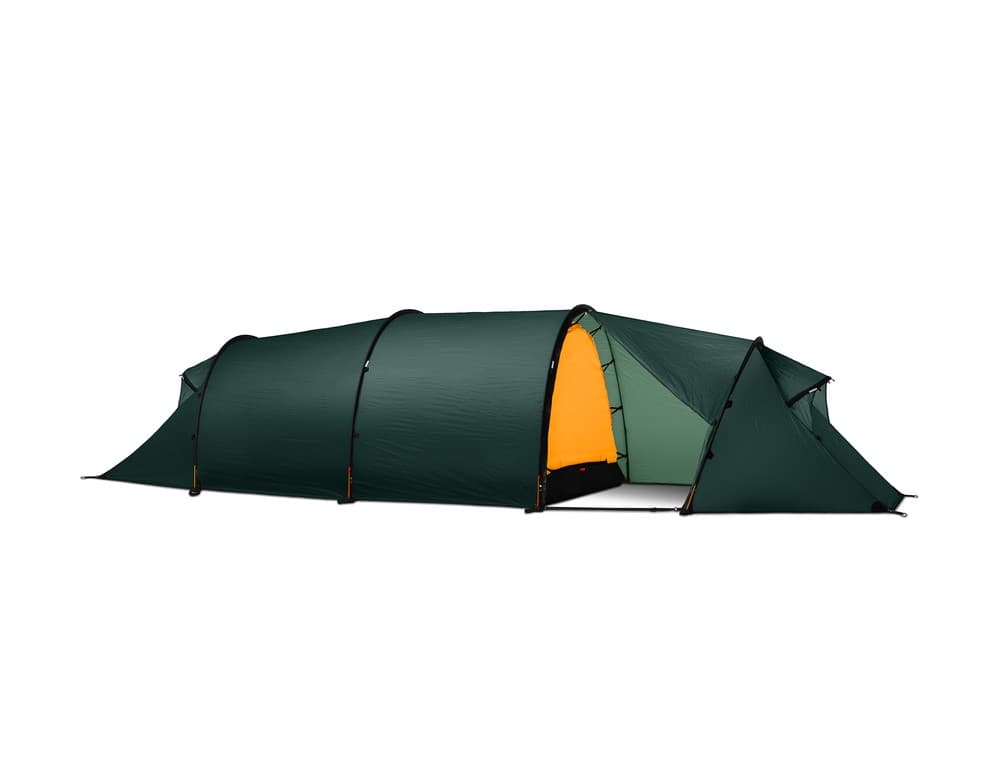
Estimated£900 – £1,100
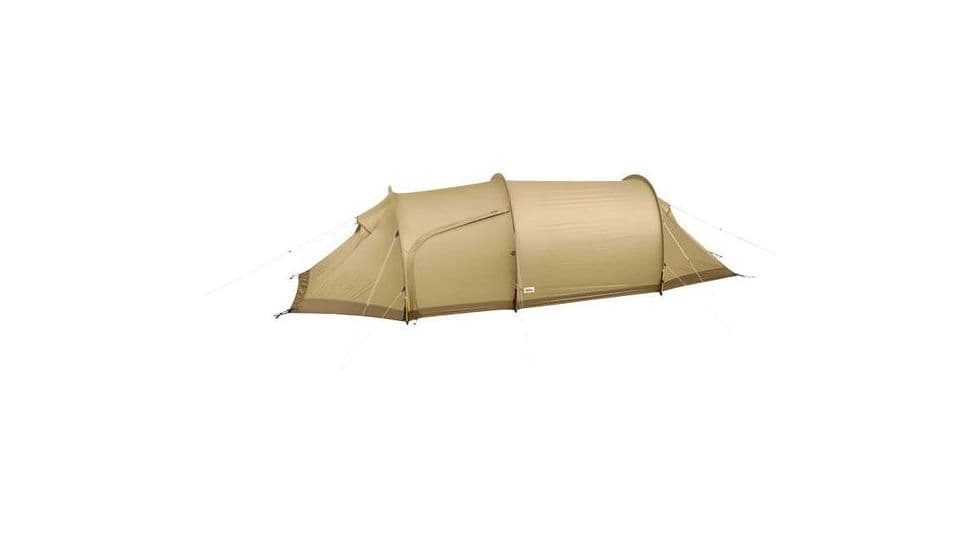
Fjällräven Abisko Endurance 2
The Fjällräven Abisko Endurance 2 is a burly tunnel design that emphasizes long-term weatherproofing and simple, intuitive pitching for harsh UK conditions. It typically undercuts Hilleberg on price while offering comparable breathability and material robustness, trading a little internal volume for lighter pack weight than the Kaitum GT. It is a strong mid-market choice for expeditions that want technical fabrics and sensible cost without going fully ultralight like Terra Nova.
Vango F10 Xenon UL 2
The Vango F10 Xenon UL 2 represents the value-oriented end of the list, giving lightweight tunnel geometry and competent winter performance at a significantly lower price point. It sacrifices some of the premium materials and redundancy found on the Hilleberg and Terra Nova models, but its affordability and sub-3 kg real-world pack weight make it attractive for budget-conscious UK expeditions. As a trade-off, buyers should accept shorter expected lifespan and slightly reduced margin for error in extreme storms compared with top-tier options.

Nordisk Oppland 2 LW
The Nordisk Oppland 2 LW is a thoughtfully proportioned tunnel tent that leans into low weight and liveable internal space, making it a comfortable compromise between shelter room and pack burden. Technically it offers a tidy middle ground: lighter than the Kaitum GT and more robust than the Vango, with better snow-shedding geometry than many mid-market rivals, although it is not as polar-focused as the Terra Nova Polar Lite. Its price sits mid-to-high, giving good technical return for teams that need an all-round performer without paying Hilleberg-level premiums.

Terra Nova Polar Lite 2
The Terra Nova Polar Lite 2 is the specialist light-expedition pick on this list, designed for extreme snow loads while keeping weight low, and is often the lightest truly four-season option for two people. It commands a premium similar to Hilleberg for its bespoke fabrics and reinforced structure, but its superior weight-to-strength ratio gives it a clear technical advantage over roomier but heavier tents such as the Kaitum. For UK winter missions where every kilo matters, Polar Lite’s higher cost is justified by performance and reduced porterage compared with bulkier expedition tents.

Robens Voyager 2EX
The Robens Voyager 2EX is a pragmatic tunnel tent aimed at expeditions that need solid weather protection and generous vestibule space without the highest-tier price tag. It sits below Hilleberg and Terra Nova on raw technical spec but offers a competitive balance of comfort, serviceable snow performance and a friendlier price point than premium rivals, making it appealing to small teams and guided trips. While slightly heavier than ultralight models like Nordisk Oppland LW, its economical purchase price and repairable components keep lifecycle costs attractive.

Estimated£350 – £550
Hilleberg Nallo GT
The Hilleberg Nallo GT brings Hilleberg’s signature durability into a lighter, more packable tunnel platform, giving excellent wind and snow performance with a noticeably lower carried weight than the Kaitum GT. It earns its place as the go-to for UK expeditions that need Hilleberg reliability but prioritise mobility and lower logistical cost, trading some internal living space for reduced porterage compared with the Kaitum and Robens. Financially it remains a premium choice, but its combination of lifespan and lower expedition carrying costs often offsets the higher initial outlay.
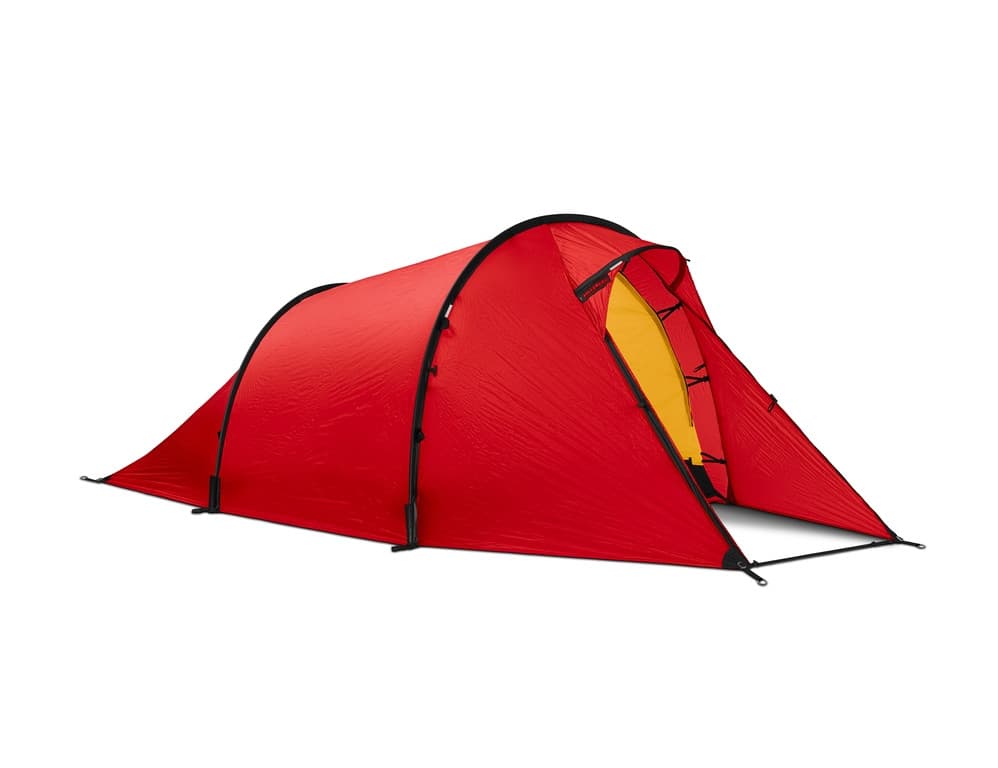
Estimated£850 – £1,050
Tunnel geometry maximises internal volume whilst minimising wind resistance; longitudinal pole arrangement distributes snow loading predictably; sealed seams withstand freeze-thaw moisture cycles; reinforced fabrics resist ice abrasion during entry and exit; generous vestibule storage accommodates mountaineering equipment; dual-entry configurations suit team logistics; thermal efficiency through reduced condensation in low-temperature environments.
What field tests and research say about tunnel tents and four-season performance
A mix of lab testing and field trials supports the core benefits of tunnel-style four-season shelters. Wind-tunnel and structural load tests show that elongated, low-profile tunnel shapes reduce peak wind forces and promote controlled snow buildup along the length of the tent rather than creating unstable crown loads. Materials research into high-tenacity nylon and coated polyester materials correlates higher denier fabrics and silicone or PU coatings with improved tear resistance and longer service life under abrasive, icy conditions. Studies and practical expedition reports also highlight the importance of controlled ventilation to reduce condensation in cold environments without sacrificing thermal comfort. Together, these findings explain why reinforced pole layouts, quality seam sealing, and considered ventilation are central to high-performance four-season tunnel designs.
Aerodynamic tunnel profiles reduce peak wind loads and encourage predictable snow-shedding, according to wind-tunnel and structural modeling.
Higher denier fabrics with silicone or polyurethane coatings show better abrasion and moisture resistance in lab abrasion and hydrostatic head tests.
Distributed pole geometry spreads snow load across multiple spans and reduces the likelihood of point failures during heavy accumulation.
Ventilation strategies that combine adjustable vents with vestibule airflow reduce internal condensation while maintaining warmth.
Field trials emphasize the trade-off between weight and longevity: lighter fabrics lower pack weight but often require more careful site selection and tension management.
Human factors research and guide reports show that quick, repeatable pitching routines and clear vestibule layouts reduce exposure time in severe conditions.
Frequently Asked Questions
Which tunnel four-season tent suits UK winter expeditions?
The Hilleberg Kaitum GT is a strong pick for UK winter expeditions because it has twin entrances, large dual vestibules for gear storage, and Kerlon 1200 fabric plus robust poles, with an average rating of 4.6.
What material and design features does Hilleberg Kaitum GT include?
Hilleberg Kaitum GT uses Kerlon 1200 fabric and robust poles in a strong tunnel design with a large vestibule for ample gear storage, plus two large vestibules and a roomy interior; average rating is 4.6.
Is Vango F10 Xenon UL 2 cheaper than Hilleberg Kaitum GT?
The provided data does not list prices for Vango F10 Xenon UL 2 or Hilleberg Kaitum GT, so I can’t compare costs or value using exact UK prices.
Does Fjällräven Abisko Endurance 2 offer two vestibules?
Yes—Fjällräven Abisko Endurance 2 includes two large vestibules, with an engineered tunnel profile for heavy snow shedding and reinforced guy points with high-tensile poles; average rating is 4.4.
Conclusion
For British expedition teams navigating winter mountaineering, the tunnel four-season tent category offers proven reliability across seasons and geography. These five models—Hilleberg Keron 4 GT, Hilleberg Nammatj 3 GT, Black Diamond Fitzroy, Helsport Patagonia 3, and Fjallraven Abisko Endurance 4—represent distinct philosophies: maximum interior volume for larger teams, lightweight backpacking efficiency, three-season versatility with four-season capability, Nordic heritage durability, and Scandinavian weight optimisation. The Hilleberg Keron 4 GT emerges as the most versatile choice for mixed British expeditions, balancing robust pole architecture, generous sleeping platform, and proven Arctic expedition pedigree. Serious winter mountaineers should evaluate each model against specific route profiles: high-altitude Alpine climbing may favour the Fitzroy's minimalist weight, whilst Scottish winter guiding benefits from the Keron's roomier vestibule and easier team coordination. Explore our site's detailed filter options to compare capacity, packed weight, vestibule configurations, and fabric specifications. If tunnel designs don't align with your expedition profile, investigate geodesic and dome structures through our related category links for alternative snow-load strategies.