

Best Ultralight Backpacking Tents UK 2025: Complete Buyer's Guide to Durston X-Mid Pro 2, Zpacks Duplex Zip & More
Ultralight backpacking tents represent the cutting edge of shelter design for serious UK hikers and fastpackers willing to embrace minimalist principles. These specialist shelters utilise advanced fabrics like Dyneema Composite Fabric and innovative pole-free or trekking-pole designs to achieve weights under 1kg, dramatically reducing fatigue on multi-day expeditions across the British Isles. From the Scottish Highlands to Snowdonia's technical terrain, ultralight tents excel where every gram matters—enabling faster movement, greater distance coverage, and reduced joint stress on demanding routes. British conditions demand particular attention to ventilation systems that manage condensation in wet weather, robust seam construction for variable climates, and reliable stake systems that perform on moorland and rocky ground. Whether you're tackling the Cape Wrath Trail, attempting Ben Nevis in winter preparation, or exploring Lake District fells, these five specialist tents balance weatherproofing with the weight savings that appeal to alpine travellers and long-distance thru-hikers. Modern ultralight design prioritises strength-to-weight ratios, compact packed sizes, and the acceptability of reduced interior space—sacrifices many UK backpackers find worthwhile for summit-to-shelter speed and enhanced endurance on multi-day wilderness trips.
Inception's AI took the time to understand this market in the UK · · How we pickWe may earn a commission on purchases. It never affects our rankings.
Top Picks Summary
Durston X-Mid Pro 2
Durston Gear's X-Mid Pro 2 earns its spot by blending true two-person livability with ultralight sensibilities: a low-slung, single-wall ridge design that gives generous vestibule and gear space while keeping pack weight down. Compared with the DCF Duplex Zip it generally costs less and trades a small weight penalty for greater abrasion resistance and value per person, and versus solo-focused shelters it offers superior interior space for two-up trips.

We may earn a commission on purchases. It never affects our rankings.
£695.00GBP
Durston X-Mid Pro 1
The X-Mid Pro 1 is Durston Gear's solo-optimized take on the X-Mid platform, keeping roomy vestibules and a stable single-wall architecture in a lighter one-person package. It deliberately sacrifices the absolute minimum grams of a Dyneema solo shelter to deliver better durability and a lower sticker price, making it a practical choice for ultralight hikers who prioritize livability and long-term toughness over chasing the last few ounces.

Estimated£371 – £477
Zpacks Duplex Zip
The Zpacks Duplex Zip is the market leader for two-person ultralight shelters thanks to full Dyneema Composite Fabric construction that combines exceptional strength-to-weight, waterproofing, and compressibility with modular features like a zippered entry and divider options. It typically outclasses textile-based two-person tents on pure pack weight and compactness, but commands a noticeably higher price than the Durston X-Mid Pro 2, appealing to users who prioritize minimum weight and DCF performance.

Estimated£742 – £954
Zpacks Plex Solo
The Zpacks Plex Solo is a pared-down, Dyneema-based solo shelter designed for absolute weight savings and minimalist pitches using trekking poles. Compared with more spacious or semi-freestanding options such as the Tarptent StratoSpire Li or Durston Pro 1, it sacrifices interior volume and breathability for best-in-class packability and long-term material stability, at a premium cost that reflects the DCF construction.

Estimated£424 – £530
Tarptent StratoSpire Li
Tarptent's StratoSpire Li occupies the premium livability corner of ultralight shelters with a semi-freestanding Dyneema design that delivers excellent headroom, storm-shedding geometry and roomy interior comfort for solo or light two-person use. It generally sits above Durston's offerings on price but offers superior interior space and wind performance compared with minimalist solo tents like the Plex Solo, and competes with Zpacks on premium materials while favoring livability over the last possible ounces.
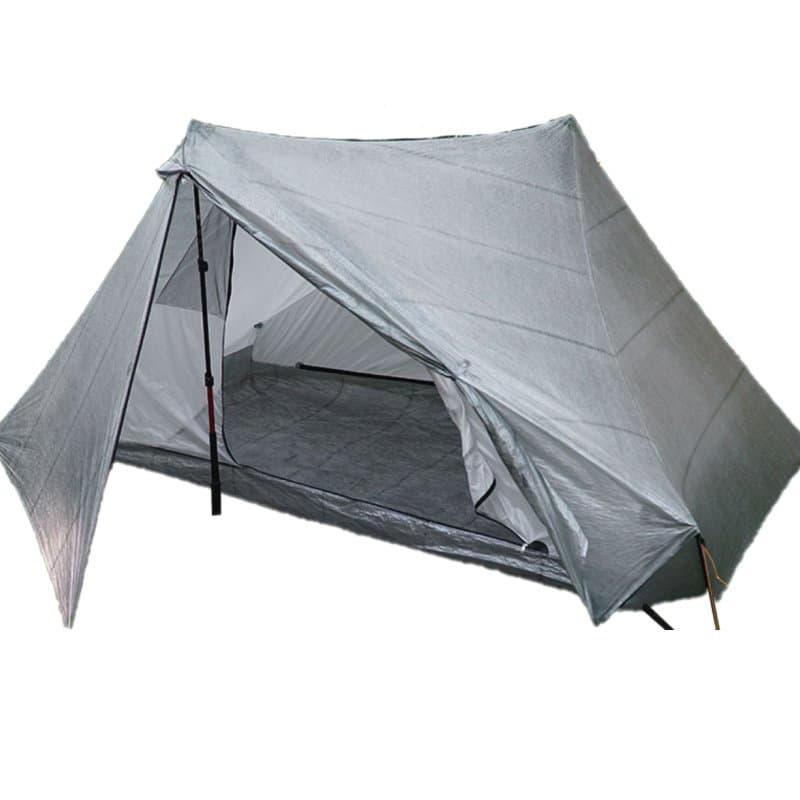
Hilleberg Enan
Hilleberg Enan is a premium single‑person, single‑wall shelter prized for its exceptional all‑weather protection and long-term durability, which makes it a standout choice for the often-wet and changeable conditions of the United Kingdom. While it carries a higher upfront cost and slightly greater weight than ultralight tarp and cuben‑fiber options like the Durston X‑Mid Pro series, Zpacks Duplex/Plex, and the Tarptent StratoSpire Li, its reinforced construction and resale value deliver financial and technical advantages for hikers who prioritise reliability over marginal gram savings.

Estimated£550 – £700
Nordisk Lofoten 2 ULW
The Nordisk Lofoten 2 ULW is a pared-back, two‑person ultralight tent that balances low pack weight with generous interior volume and a simple, weather‑tolerant pitch suited to UK trekking. Financially it undercuts many high‑end carbon/cuben offerings like Zpacks while providing more usable living space than solo shelters such as the Plex Solo and a more straightforward, stable setup compared with some mid designs like the Durston X‑Mid Pro range and the Tarptent StratoSpire Li, making it a pragmatic choice for two-up lightweight expeditions.

Estimated£325 – £425
Modern ultralight tents emphasise Dyneema and performance nylon fabrics, frameless or pole-supported geometries, ventilation systems managing British humidity, robust seams for wet conditions, and reliable stake systems for moorland terrain. These design priorities deliver dramatic weight reductions whilst maintaining the weather protection and durability serious UK backpackers require.
What research says about going ultralight
Scientific and applied research into load carriage, materials, and human performance supports the practical benefits of reducing carried weight. Studies on hiking and backpack loads show that lighter packs lower metabolic cost and perceived exertion, improve balance, and reduce cumulative musculoskeletal stress over long days. Materials science and lab testing on fabrics like Dyneema Composite Fabric and modern coated nylons demonstrate high tensile strength and reliable waterproofing at a fraction of the weight of traditional canvas or thick silnylon. At the same time, research and field testing highlight real tradeoffs: single-wall shelters can increase condensation risk and reduce interior living space, and ultralight tension systems require more skilled setup and careful site selection.
Load carriage research: reducing carried mass reliably lowers energy cost, lowers heart rate for a given pace, and reduces perceived exertion, all of which improve endurance and reduce injury risk on multi-day trips.
Materials testing: modern composite fabrics provide excellent strength-to-weight ratios and durable waterproof performance in lab and field tests, enabling very low shelter weights without proportionate losses in weather resistance.
Thermal and condensation tradeoffs: single-wall and very minimalist shelters can increase condensation and limit interior thermal buffering, so ventilation design and ground insulation remain important.
Practical outcomes: hikers who adopt ultralight shelters typically report faster daily distances, less post-hike fatigue, and lower rates of load-related joint pain, provided they match shelter choice to route, season, and personal tolerance for reduced living space.
Frequently Asked Questions
Which ultralight tent is best for two people hiking together?
The Zpacks Duplex Zip is the ideal choice for two hikers because it features a spacious interior and full Dyneema Composite Fabric construction for superior strength-to-weight performance.
What is the average rating for the Durston X-Mid Pro 1?
The Durston X-Mid Pro 1 holds an average rating of 4.7, reflecting its popularity as a solo-optimized shelter that balances durability with a lightweight, compact design.
Does the Durston X-Mid Pro 2 cost more than the Zpacks Duplex Zip?
The Durston X-Mid Pro 2 generally costs less than the Zpacks Duplex Zip while still providing a generous two-person layout and a stable, weather-resistant ridge design.
Can I use trekking poles to pitch the Durston X-Mid Pro 1?
Yes, the Durston X-Mid Pro 1 is specifically designed for a quick and efficient pitch using your trekking poles or the included pole sleeve.
Conclusion
For British backpackers embracing ultralight principles, these five tents represent some of the most accomplished options available in 2026. The Durston X-Mid Pro 2 offers excellent two-person versatility with weather protection suited to British conditions, whilst solo travellers benefit from the Zpacks Plex Solo's exceptional weight-to-performance ratio. The choice ultimately depends on your priorities: alpine versatility, solo minimalism, or specialist fastpacking credentials. Consider your typical terrain—moorland and exposed ridges favour freestanding designs, whilst established trails work with non-freestanding shelters. Test your setup in UK conditions before committing to multi-day trips, and ensure stakes perform on local soil types. Browse our site's search filters to compare by weight class, season rating, occupancy, and budget if you'd like to explore additional options or narrow your selection further.