

Premium Boning and Fillet Knives for 2025: Essential Blades for British Kitchens, Fishing, and Game Preparation
Whether you're preparing fresh-caught Scottish salmon, butchering game from a country estate, or filleting sustainably sourced fish for weeknight suppers, a quality boning or fillet knife is indispensable in any British kitchen or field setting. These specialised blades feature razor-sharp edges, flexible or rigid profiles suited to different tasks, and handles engineered for grip in wet conditions—essential qualities whether you're working in a professional kitchen, a riverside fishing spot, or a country estate. British cooks and anglers increasingly demand knives that bridge the gap between traditional craftsmanship and modern performance, offering corrosion resistance for our damp climate, excellent edge retention, and ergonomic design that suits both left and right-handed users. This guide examines five standout options that deliver across precision work, durability, and value for money. From German engineering to Scandinavian heritage and Japanese innovation, these knives represent the diversity of choices available to discerning UK buyers seeking reliable tools that won't disappoint when preparing Sunday roasts, game day catches, or professional-grade seafood preparation.
Inception's AI took the time to understand this market in the UK · · How we pickWe may earn a commission on purchases. It never affects our rankings.
Top Picks Summary
Victorinox Fibrox Pro 6-Inch Flexible Boning Knife
The Victorinox Fibrox Pro 6-Inch Flexible Boning Knife earns its place as the best-value, everyday pro tool in Britain 2025 thanks to a thin, highly flexible blade and the brand's reputation for consistent factory edges. It outshines pricier rivals on cost-per-performance, delivering precise filleting and easy resharpening that make it the practical choice for both home cooks and field processors who need reliable performance without premium pricing.

Estimated£20 – £30
Dalstrong Shogun Series 6-Inch Flexible Boning Knife
The Dalstrong Shogun Series 6-Inch Flexible Boning Knife is the premium, market-leading option for precision filleting and long edge retention in Britain 2025, featuring high-hardness steel and a layered Damascus finish that offers superior hardness and a razor edge. Though more expensive than the Victorinox or Opinel, its technical advantages in hardness and blade geometry give professional anglers and chefs a longer-lasting working edge, making it ideal when performance and durability justify the higher upfront cost.

Wusthof Classic 6-Inch Flexible Fillet Knife
The Wusthof Classic 6-Inch Flexible Fillet Knife combines German-forged construction and classic balance to deliver dependable, precise filleting for both kitchen and boat-side use in Britain 2025. It sits between economy and boutique options—more robust and ergonomically refined than the Victorinox, but without the premium price tag of the Dalstrong—so buyers looking for a long-lived, well-balanced blade often regard it as the best long-term investment.

F. Dick Pro Dynamic 6-Inch Flexible Boning Knife
The F. Dick Pro Dynamic 6-Inch Flexible Boning Knife is a professional butcher’s favorite in Britain 2025 for tough boning tasks that still demand fine control, offering a springy, resilient blade geometry tuned for repeat use. It competes with Wusthof on German manufacturing pedigree but leans more heavily toward commercial durability and serviceability, making it a cost-effective choice for butchers and serious field users who prioritize consistent performance under heavy use.
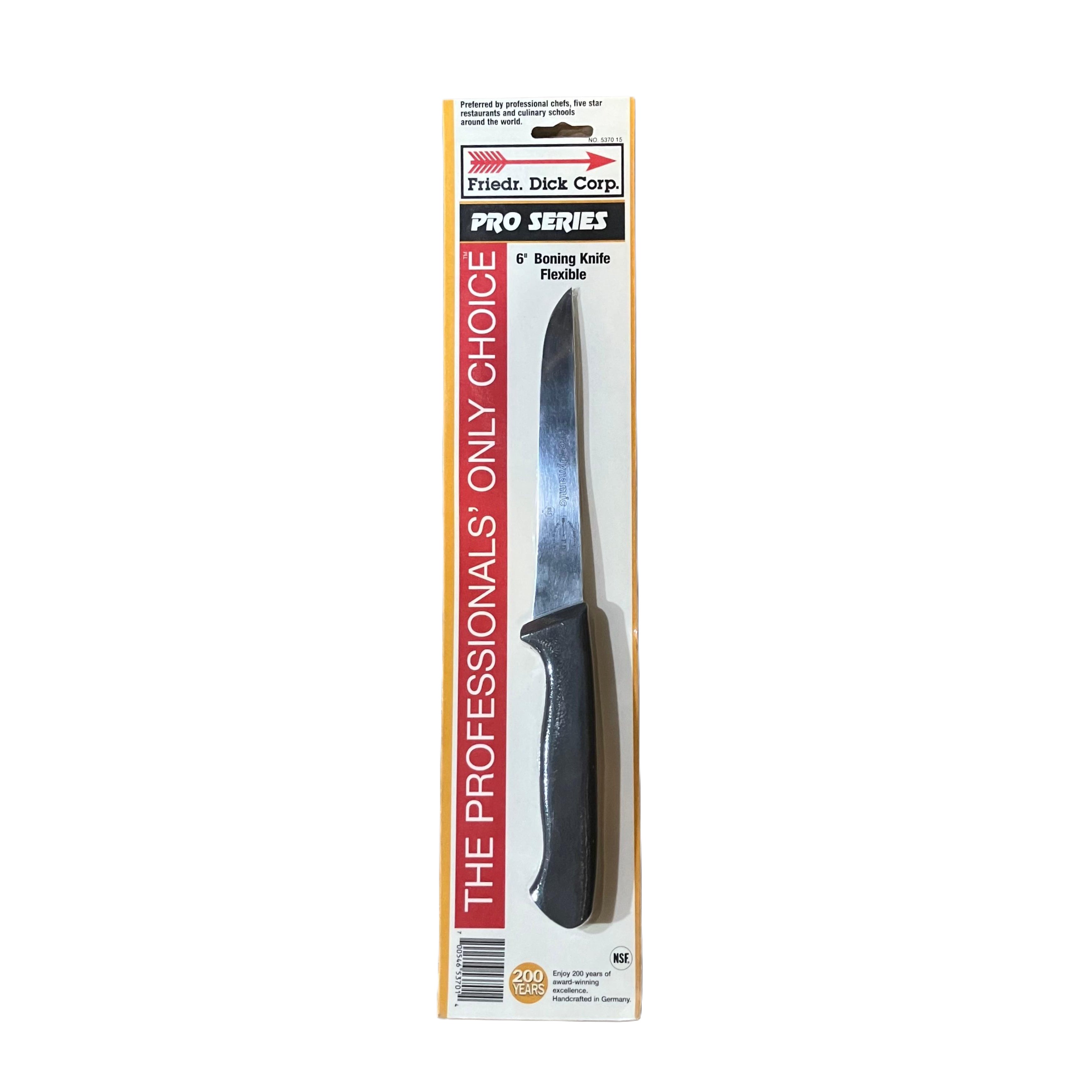
We may earn a commission on purchases. It never affects our rankings.
Estimated£60 – £90
Opinel No. 08 Beech Wood Filleting Knife
The Opinel No. 08 Beech Wood Filleting Knife represents the best portable, field-friendly filleting solution for Britain 2025: lightweight, extremely affordable, and ideal for anglers who need a simple, effective blade on the bank. While it won't match the premium steels or edge retention of the Dalstrong or the forged heft of Wusthof and F. Dick, its low price, compact profile, and easy-to-replace beech handle make it unbeatable for casual field use and quick jobs where economy and portability matter most.

Estimated£15 – £25
These five knives collectively showcase what modern blade design offers British users: corrosion-resistant stainless and high-carbon steels, ergonomic handles suitable for extended use, versatile blade profiles for fish and meat, and price points ranging from budget-conscious to investment-level quality. Each has earned recognition through user feedback and professional endorsement within UK culinary and outdoor communities.
What research and testing say about blade design, materials, and safety
Materials science, ergonomics, and food safety research provide practical guidance for choosing boning and fillet knives. Studies and industry testing consistently show that blade geometry and steel composition determine flexibility, edge retention, and corrosion resistance; ergonomics and handle materials influence cutting precision and reduce fatigue; and proper cleaning plus corrosion-resistant finishes reduce microbial risk and extend tool life. For beginners, these findings translate into clear selection criteria: choose the right blade stiffness for the task, prioritize stainless alloys or coated finishes for wet environments, and favour comfortable, slip-resistant handles for safe, accurate cuts.
Blade flexibility vs. stiffness: Thin cross-sections and lower bending modulus enable precise filleting and skinning; stiffer blades with thicker spines provide power and control for boning larger game.
Steel composition and edge retention: Higher-carbon stainless blends and well-heat-treated steels hold an edge longer but may require careful maintenance; balanced hardness (HRC range typically used by reputable manufacturers) offers a trade-off between sharpness and ease of sharpening.
Corrosion resistance and food safety: Corrosion-resistant finishes and non-porous handle materials reduce pitting and bacterial harborage, especially important for saltwater fishing and outdoor use.
Ergonomics and injury prevention: Research in ergonomics shows that properly contoured handles and the right blade length reduce wrist strain, improve control, and lower the risk of slips that cause cuts.
Sharpness equals safety: Peer-reviewed and industry studies indicate that sharper blades cut with less force, resulting in fewer accidental slips and cleaner cuts—regular honing and correct sharpening angles are vital.
Field maintenance matters: Simple practices—drying after use, light oiling, and using protective sheaths—dramatically extend service life for knives used in hunting and fishing environments.
Frequently Asked Questions
Which knife should I buy for filleting fish at home?
Choose the Victorinox Fibrox Pro 6-Inch Flexible Boning Knife if you want best everyday value, with a thin, highly flexible 6-inch blade and a grippy Fibrox non-slip handle; it averages 4.6 stars.
What blade length and flexibility does the Wusthof offer?
The Wusthof Classic 6-Inch Flexible Fillet Knife has a flexible 6-inch profile with a PEtec precision edge, designed for filleting fish and poultry; it’s rated 4.6 stars.
Is the Victorinox knife a better value than Dalstrong?
The provided data says the Victorinox Fibrox Pro 6-Inch Flexible Boning Knife is best-value versus pricier rivals, but it does not list Dalstrong or Victorinox prices or any exact warranty duration.
Does the Victorinox handle grip well in wet conditions?
Yes—the Victorinox Fibrox Pro 6-Inch Flexible Boning Knife uses a Fibrox non-slip ergonomic handle for secure grip in wet kitchen or field conditions; it’s rated 4.6 stars, and warranty duration isn’t provided.
Conclusion
Selecting the right boning or fillet knife depends on your primary use case, preferred blade flexibility, and budget. For those prioritising versatility and affordability without compromising quality, the Victorinox Fibrox Pro remains a solid choice trusted by UK catering professionals and home cooks alike. Serious anglers may gravitate towards the Rapala Fish 'n Fillet for its field-proven design, whilst traditionalists and outdoor enthusiasts often favour the heritage appeal of the Grohmann D.H. Russell. German precision-engineered options like Wusthof deliver heirloom-quality blades suitable for those viewing kitchen tools as long-term investments. Each knife on this list brings distinct advantages—compare blade length, steel composition, handle material, and price to determine which aligns with your cooking style and requirements. Whichever you choose, investing in proper maintenance—regular honing, careful hand-washing, and appropriate storage—ensures your knife remains sharp and reliable for years of service. Take time to consider your actual needs rather than impulse purchasing; a well-chosen blade becomes an extension of your hand and a tool you'll genuinely enjoy using.