

Essential Rust Protection Products for UK Climate 2025 — Complete Comparison of Boeshield T-9, ACF-50, Fluid Film, Corrosion Block and LPS 3
Britain's challenging climate—characterised by persistent dampness, road salt application throughout winter months, and coastal salt spray in maritime regions—creates an unforgiving environment for metal components on vehicles, motorcycles, bicycles and outdoor equipment. Corrosion inhibitors and protective coatings have become indispensable maintenance tools for anyone seeking to preserve equipment value and reliability across the seasons. Whether you're storing a classic motorcycle through the off-season, protecting electrical connectors from moisture ingress, maintaining offshore or harbourside equipment, or simply safeguarding your daily ride against winter's corrosive effects, selecting the right protective product makes a measurable difference. This guide examines five leading formulations available throughout the UK market, each offering distinct advantages depending on your specific requirements. We've analysed product performance characteristics, application methods, residual film properties, environmental credentials and suitability for various substrate materials. British buyers increasingly demand transparency regarding product composition, realistic protection duration, compatibility with existing finishes, and availability through established supply chains. Our comparison framework prioritises these practical considerations, helping you make an informed decision based on your precise use case—whether that's temporary displacement protection, extended storage conditions, or permanent marine-grade defence.
Inception's AI took the time to understand this market in the UK · · How we pickWe may earn a commission on purchases. It never affects our rankings.
Top Picks Summary
ACF-50 Anti-Corrosion Formula
ACF-50 is engineered as a professional-grade anti-corrosion spray that excels at penetrating complex assemblies and protecting metal in marine and aerospace environments; its formulation is optimized for treated electrical contacts and painted surfaces. Relative to general-purpose products in this list, ACF-50 positions itself as a premium, aircraft-focused solution with strong long-term corrosion resistance for critical assets, often commanding a higher unit cost but reducing rework and component replacement over time.

Estimated£11 – £24
Boeshield T-9 Waterproof Lubrication
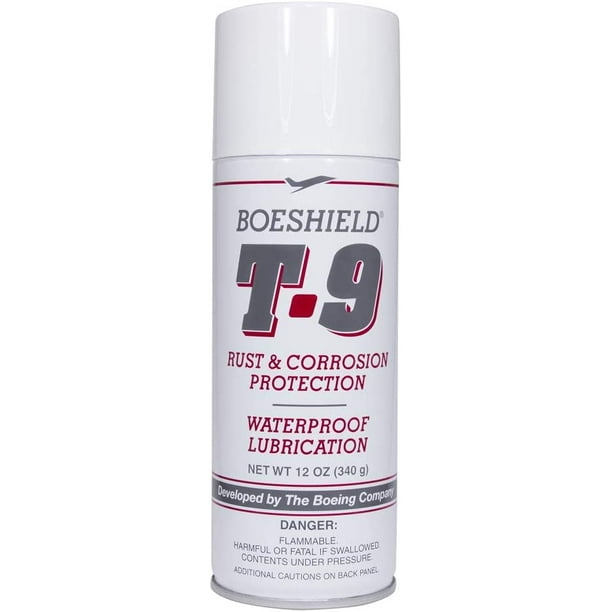
Boeshield T-9 pairs a moisture-displacing, thin waxy film with light lubrication to protect moving parts and fasteners, making it a favourite for UK winter cycling, storage and coastal applications where a dry, non-greasy finish is required. Compared with heavier protectants on this list (like Fluid Film) it uses less product per application and gives immediate lubrication, which can justify a higher per-litre price for precision parts and routine maintenance programs.
Estimated£8 – £18
XCP Rust Blocker
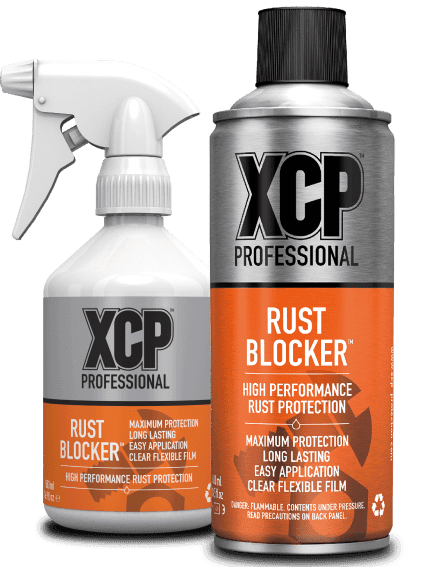
XCP Rust Blocker is positioned as a cost-effective, long-term rust preventive for large surfaces, fleet equipment and storage — it forms a clear protective film that is economical for bulk application across winter and coastal exposures. While it does not deliver the same dry lubrication as Boeshield or the deep creep coverage of Fluid Film, its lower purchase price and ease of application make it attractive for broad-area and budget-conscious corrosion control projects.
Estimated£10 – £25
Fluid Film Liquid A
Fluid Film Liquid A is a lanolin-based, heavy-creeping protectant prized for exceptional coverage in seams, joints and underbody areas, giving long-lasting corrosion inhibition for coastal and long-term storage situations. Technically it outperforms thinner films for penetration and salt resistance, and although it leaves a heavier film than Boeshield or LPS 3, that thickness often translates to longer service intervals and better value on extended storage jobs.

LPS 3 Heavy-Duty Rust Inhibitor
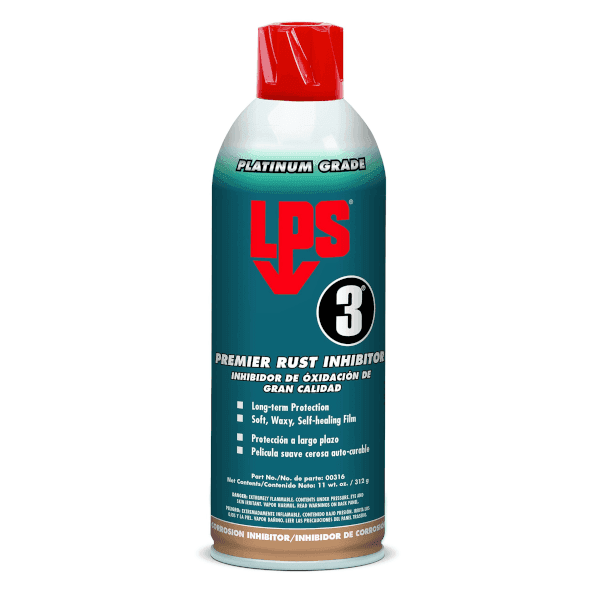
LPS 3 delivers a thin, fast-drying protective film that balances the dry finish of Boeshield with some of the longer-term protection of heavier products, making it a versatile choice for winter preparation, indoor storage and coastal maintenance. Its combination of broad compatibility, straightforward application and competitive pricing makes LPS 3 a popular middle-ground option for maintenance teams that need reliable protection without the tackiness of heavier greases.
We may earn a commission on purchases. It never affects our rankings.
£15.72GBP
These leading formulations distinguish themselves through scientifically-proven inhibitor chemistry, proven performance across diverse UK climates, minimal aesthetic impact on finished surfaces, straightforward application via aerosol or spray delivery, and compatibility with conventional substrates including ferrous metals, aluminium, rubber and plastics. Each product delivers measurable protection duration backed by manufacturer specifications and independent testing data.
Understanding Corrosion Protection in the British Climate
Effective corrosion management requires understanding how Britain's climate accelerates metal degradation. Road salt application (typically November through March), high humidity levels, freeze-thaw cycling and coastal salt spray create multiple corrosion vectors simultaneously. Protective formulations function through three primary mechanisms: physical film barriers that exclude moisture and oxygen; chemical inhibitors that suppress electrochemical corrosion processes; and displacement agents that penetrate existing corrosion and prevent water migration. Modern products combine these approaches using mineral oil bases, synthetic carriers, volatile corrosion inhibitors (VCI), lanolin derivatives, or water-based suspensions. Application timing, surface preparation and product selection significantly influence protection effectiveness and longevity.
British climate factors: persistent moisture, road salt (November-March), coastal salt spray, freeze-thaw cycles
Protection mechanisms: physical barriers, chemical inhibition, displacement action, vapor-phase inhibition
Product classifications: thin-film sprays, heavy-duty coatings, penetrating formulations, water-based alternatives
Application surfaces: ferrous metals, stainless steel, aluminium, copper alloys, plastics, rubber components
Seasonal considerations: winter road salt exposure, summer humidity, storage-specific challenges, coastal environment intensity
Environmental factors: VOC regulations, biodegradability requirements, UK compliance standards, disposal considerations
Performance metrics: protection duration, residue characteristics, temperature operating range, substrate compatibility
Maintenance integration: surface preparation essentials, reapplication intervals, compatibility with existing coatings
Frequently Asked Questions
Which rust protection product is best for UK winter cycling?
Boeshield T-9 is the best choice for UK winter cycling because it provides a thin, waxy waterproof film that lubricates chains and cables while repelling moisture.
Does ACF-50 Anti-Corrosion Formula work on electrical contacts?
ACF-50 Anti-Corrosion Formula is specifically engineered to penetrate electrical contacts and assemblies while displacing moisture to prevent rust.
Is XCP Rust Blocker a good value for protecting large surfaces?
XCP Rust Blocker is a cost-effective solution for large surfaces and fleet equipment, forming a durable oily film that provides a long-lasting barrier against salt and atmospheric corrosion.
What is the average customer rating for Boeshield T-9?
Boeshield T-9 holds an average rating of 4.6, reflecting its effectiveness as a lubricant and corrosion protector for fasteners and moving parts.
Conclusion
Selecting an appropriate corrosion inhibitor represents a straightforward yet consequential maintenance decision for UK-based equipment owners. Boeshield T-9 delivers exceptional versatility for general-purpose applications, combining effective protection with a clean, non-tacky residue suitable for visible components and moving parts. Fluid Film excels in demanding environments requiring heavy-duty, long-term coverage—particularly valuable for seasonal storage and maritime equipment exposed to salt-laden air. ACF-50 addresses the specialised needs of precision assemblies, electrical connections and intricate mechanical systems where penetrating action and controlled residue levels are paramount. Corrosion Block and LPS 3 represent dependable, straightforward solutions for those prioritising rapid application and proven rust prevention without unnecessary complexity. Your optimal choice depends fundamentally on intended use: storage duration, environmental exposure intensity, substrate sensitivity, application accessibility and acceptable residue characteristics. We encourage you to cross-reference product technical specifications with your particular circumstances, consult manufacturer guidance for your equipment type, and consider your local climate zone's specific corrosion risk profile. Should you require further guidance on protective coating selection, surface preparation techniques, seasonal application strategies or compatibility with specialist finishes, please explore our additional resources or contact our technical advisors directly.