

Bicycle Frame and Fork Protection Systems 2025 — Complete UK Buyer's Guide for Secure Transport
Published on Monday, 25 August 2025
Whether you're commuting through London traffic, embarking on a countryside cycling tour, or transporting your prized road bike to an event, protecting your frame and forks during transit is essential. Padded frame and fork protectors have become indispensable accessories for UK cyclists who refuse to compromise on their equipment's condition. These protective systems use advanced foam, gel, or neoprene materials to create a cushioned barrier between your bicycle and potential damage from carrier contact, road vibrations, and adverse weather conditions. Available in multiple configurations—from adjustable wrap-around sleeves to purpose-built fork-specific mounts—modern protectors cater to every transport scenario. They're particularly valuable for cyclists with carbon fibre frames, premium paint finishes, or vintage components that represent significant investment. UK riders benefit from designs that accommodate various frame geometries, roof racks, hitch carriers, and internal transport solutions. This comprehensive guide examines five proven protection solutions that combine durability, ease of installation, and compatibility with standard UK cycling carriers, helping you select the ideal system for your specific needs and riding lifestyle.
Top Picks Summary
Muc-Off Bike Protect Frame & Fork Guards
Muc-Off Bike Protect Frame & Fork Guards earn a top spot for offering a practical blend of weatherproof neoprene padding and broad, bike-friendly coverage at a mid-market price — ideal for riders who want dependable protection without a complicated install. Compared with the full-wrap permanence of RideWrap or the custom style of DyedBro, Muc-Off stands out for universal fit, easy removal, and strong UK distribution that keeps replacement parts affordable and widely available.

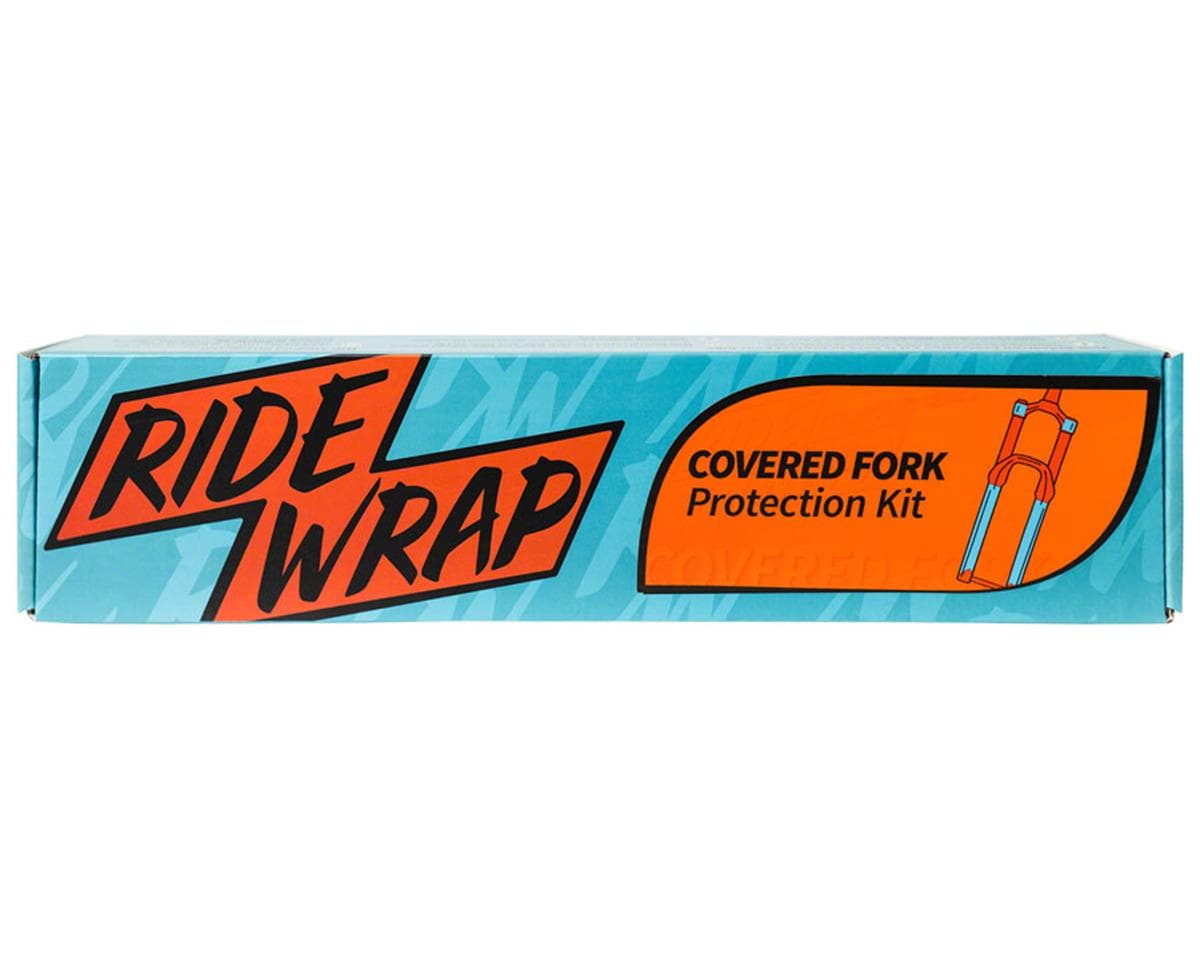
RideWrap Covered Frame Protection Kit
RideWrap Covered Frame Protection Kit ranks as the market leader for riders prioritising near-invisible, edge-to-edge film protection that preserves paint long-term; its adhesive full-wrap approach gives superior long-term abrasion resistance compared with removable pads. Although it carries a higher upfront cost and often requires careful installation versus removable options like Muc-Off or Lizard Skins, RideWrap’s technical advantage is comprehensive, low-profile coverage that’s ideal for owners who want protection without changing their bike’s look.
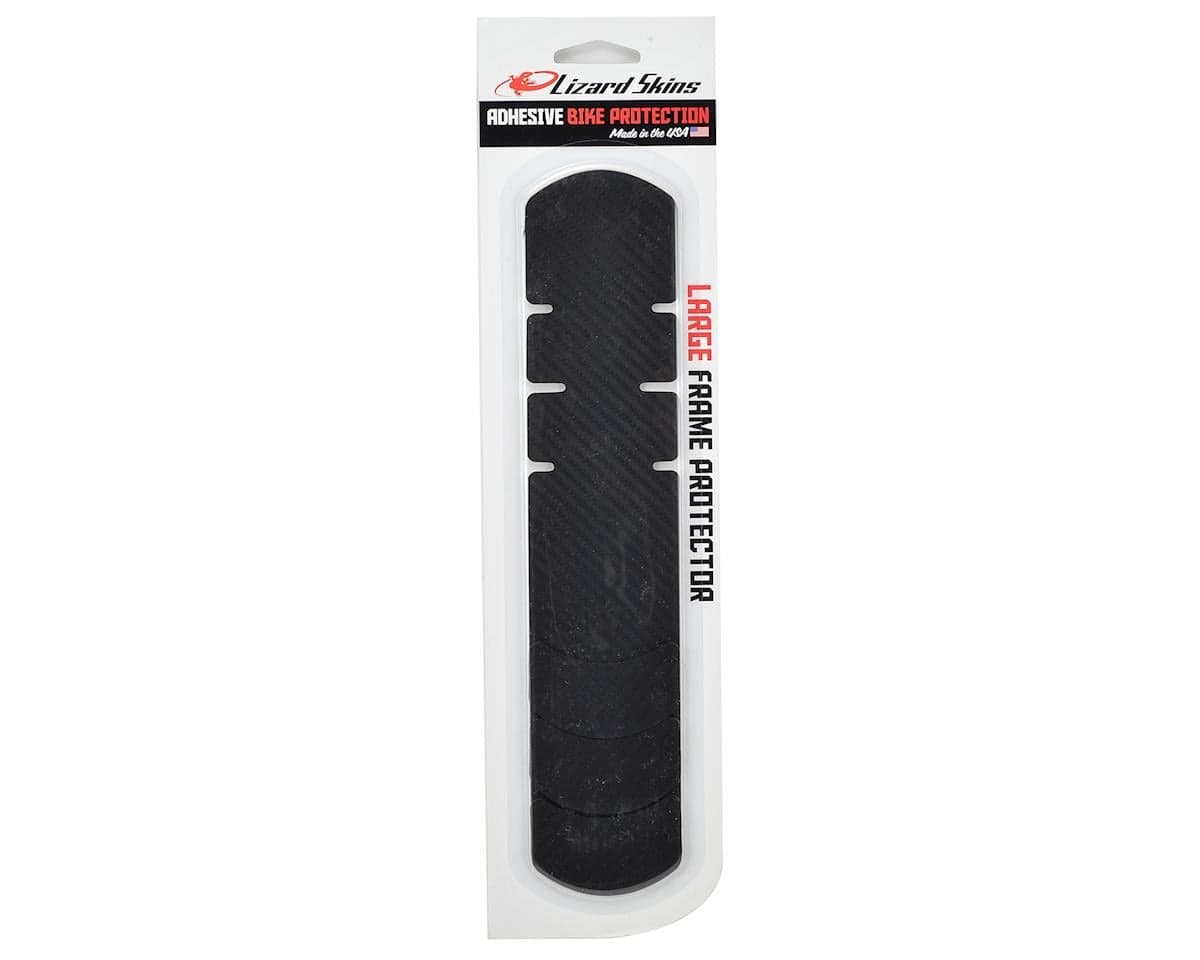
Lizard Skins Frame Guard
Lizard Skins Frame Guard is chosen for its lightweight, durable silicone/neoprene construction that delivers excellent abrasion protection at a wallet-friendly price, making it a favourite for cross-country and everyday riders. It doesn’t offer the seamless, permanent coverage of RideWrap or the artistic customisation of DyedBro, but its low weight and straightforward fit make it the most cost-effective option for riders who prioritise function and minimal bulk.
All Mountain Style Honeycomb Frame Guard
All Mountain Style Honeycomb Frame Guard takes a strong position by combining a modern honeycomb-textured TPU with precise die-cut shapes that disperse impact and stay lightweight, appealing to trail and enduro riders who want shape retention and targeted coverage. Compared with plain neoprene guards, its textured surface reduces stretch and movement on hard rides, and it undercuts some premium film systems on price while offering better on-trail stability than many budget guards.

Dyedbro Frame Protection Kit
DyedBro Frame Protection Kit earns a top-five spot for pairing solid neoprene protection with striking, washable custom graphics — a unique blend of visual customisation and practical frame guarding that protects paint while expressing style. Unlike RideWrap’s invisible film, DyedBro’s removable sleeves are simple to fit and swap, and although they sit at a slightly higher price than basic guards, their combination of full-coverage protection and bespoke aesthetics makes them a compelling choice for riders who value looks as well as durability.

These protectors combine premium cushioning materials with practical attachment systems designed for British cycling conditions. Key advantages include weather resistance for damp UK climates, universal compatibility with common carrier types, tool-free installation, non-slip linings that won't damage paint or decals, and lightweight designs that don't compromise fuel efficiency or handling characteristics.
Why Padding Works: Materials and Evidence
Protective padding reduces scratch and impact risk through two basic mechanisms: energy absorption and abrasion reduction. Soft materials such as closed-cell foams, neoprene, and gel inserts deform under load to spread and dissipate impact forces, lowering peak contact stress. Nonabrasive linings reduce micro-movement and surface wear that cause paint chips and scratches. Secure attachment systems limit relative motion between bike and carrier, which is a major cause of transport damage. These effects are supported by materials science and packaging research that examines shock absorption, damping, and surface friction in transport contexts.
Energy absorption: Foam and gel materials convert kinetic energy into deformation, reducing peak forces at contact points and lowering the chance of dents or cracks.
Damping and vibration: Neoprene and similar elastomers damp vibration, which helps prevent long-term abrasion during highway transport.
Friction and surface protection: Soft, low-friction linings reduce microscopic scraping when frames shift, protecting paint and clearcoat.
Attachment stability: Studies in transport packaging show that reducing relative motion between items dramatically cuts transit damage; the same principle applies to bike carriers when padding is combined with secure straps.
Conclusion
Investing in quality frame and fork protection reflects the same philosophy as regular maintenance and proper storage—it's about preserving your bicycle's condition and resale value over time. The five products reviewed here offer distinct advantages depending on your transport method, frame type, and budget. Yakima Tube Top Plus emerges as the most versatile choice for the majority of UK cyclists, offering exceptional compatibility with multiple carrier systems, reliable neoprene construction, and straightforward installation that requires no tools. However, each option addresses specific requirements: dedicated fork protectors suit those prioritising front-end security, whilst universal pad systems appeal to riders transporting multiple bikes. Before making your final decision, consider your primary transport method—whether that's roof racks, towbar carriers, or vehicle interiors—and evaluate compatibility with your current setup. By protecting your frame and forks during transport, you'll maintain your bike's cosmetic condition, preserve component longevity, and ensure everything functions optimally when you arrive at your destination. For additional guidance on carrier compatibility, material selection, or installation techniques, explore our expanded resources using site navigation.