

Best Gravel Endurance Bikes for UK Riding in 2026: Top 5 Compared
Whether you're navigating the rugged bridleways of the Cotswolds, tackling the Scottish Borders, or exploring the coastal paths of Devon, finding the right gravel endurance bike can transform your riding experience entirely. Unlike their racier cousins, endurance-oriented gravel bikes are specifically engineered to absorb punishment from unpredictable surfaces whilst keeping you comfortable during those marathon riding sessions that British terrain demands. These machines feature relaxed stack-and-reach geometries that reduce fatigue across your back and shoulders, coupled with compliance-focused frame technology that dampens vibration from washboard gravel and potholed B-roads. The ability to run wider, lower-pressure tyres means better traction on loose surfaces, whilst practical eyelets for mudguards, pannier racks, and integrated lighting solutions address the real-world needs of UK riders tackling weather-exposed routes. This comprehensive guide examines five standout models that have proven themselves across British conditions, from Lake District fells to the New Forest's sandy tracks, helping you identify which combination of comfort, durability, and versatility best matches your riding ambitions and budget.
Inception's AI took the time to understand this market in the UK · · How we pickWe may earn a commission on purchases. It never affects our rankings.
Top Picks Summary
Specialized Diverge Expert Carbon
The Diverge Expert Carbon combines a lightweight, compliance-tuned carbon frame with Specialized's comfort-focused engineering to deliver a fast, fatigue-reducing ride ideal for long UK gravel days. It earns a top spot for blending race-capable speed with plush stability and a widespread dealer and service network—making it pricier than Ribble but offering more advanced materials and a stronger resale and warranty proposition than Canyon's direct-to-consumer value or Trek's mid-range Checkpoint.

We may earn a commission on purchases. It never affects our rankings.
Estimated£4,000 – £5,500
Trek Checkpoint SL 5
The Checkpoint SL 5 is a confidence-inspiring gravel endurance bike with a stable, load-friendly chassis and generous tyre clearance designed for varied British surfaces and bikepacking. Positioned competitively between premium carbon options and budget aluminium models, it gives buyers reliable dealer support and sensible spec choices—trading some of Specialized's boutique tech for a more approachable price and broader aftercare compared with Canyon's DTC model.

We may earn a commission on purchases. It never affects our rankings.
Estimated£2,700 – £3,500
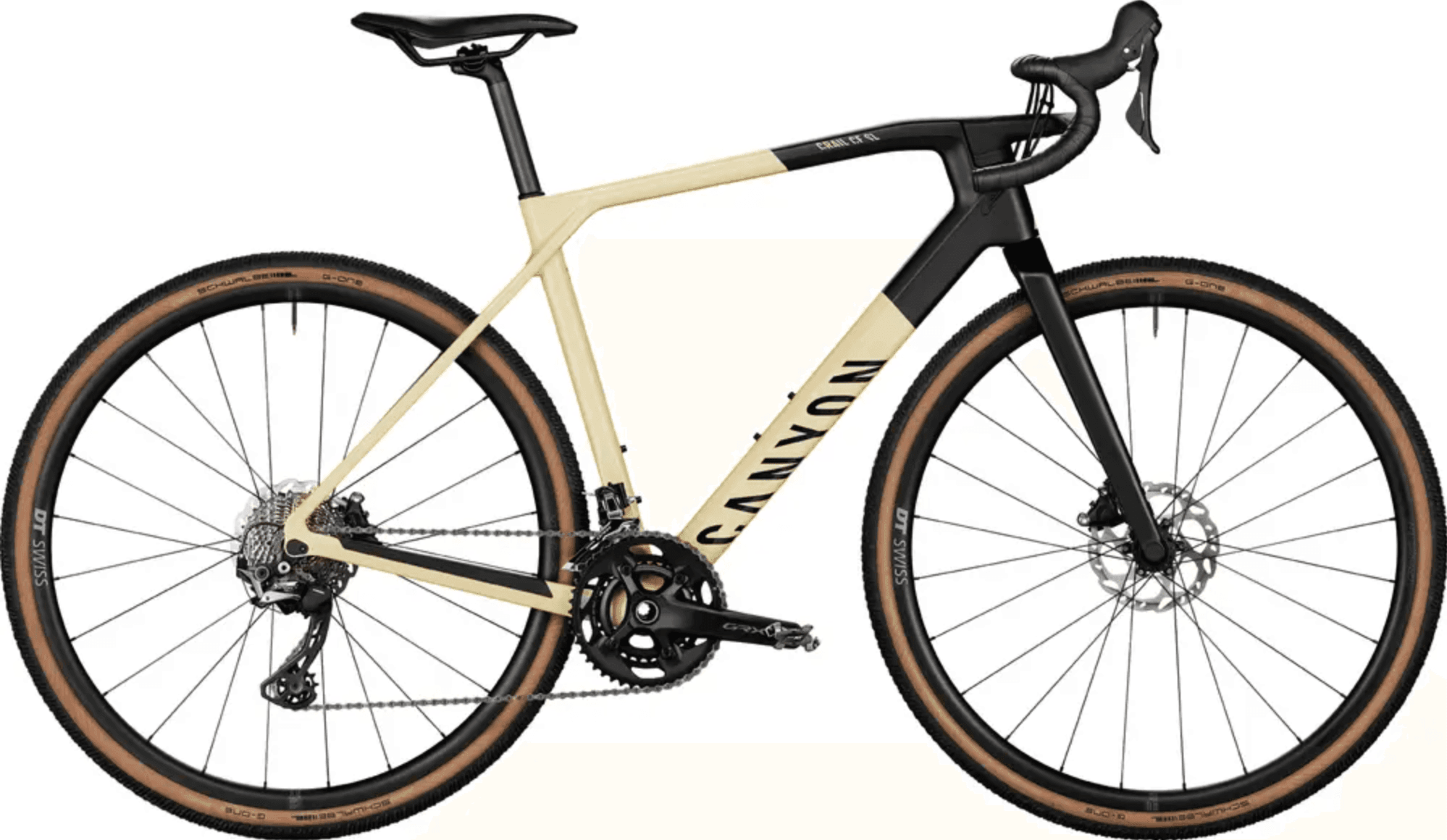
Canyon Grail CF SL 7
The Grail CF SL 7 delivers a lightweight, race-oriented carbon platform with Canyon's distinctive ergonomic cockpit and tuned compliance that slices across rough roads without adding bulk—excellent for riders prioritising speed on longer UK endurance routes. As a direct-to-consumer leader it often undercuts traditional retail prices, giving a clear financial advantage over showroom brands, though buyers should weigh savings against local hands-on fitting and dealership service available from Trek or Specialized.
Ribble CGR AL Sport
The CGR AL Sport is a versatile, aluminium-framed workhorse that represents the best value pick for UK gravel riders who want durability, practical mounting points and easy local support without the carbon premium. It sacrifices some weight and top-tier componentry compared with the Diverge and Grail but outperforms on affordability and customisation—making it a smart choice for long-distance riders on a budget or anyone prioritising British availability and cost-effective upgrades.

We may earn a commission on purchases. It never affects our rankings.
£1,299.00GBP
Giant Revolt Advanced 2
The Revolt Advanced 2 brings Giant's Advanced-grade carbon and a comfort-minded compliance tune to the endurance gravel category at a competitive price, offering many premium-feeling traits without the top-tier cost of some rivals. Technically it undercuts more expensive competitors on cost per performance while still delivering reliable frame stiffness and comfort, making it attractive for riders who want carbon-level refinement without paying Specialized or Trek premium pricing.

We may earn a commission on purchases. It never affects our rankings.
Estimated£2,499 GBP
These five endurance gravel bikes represent the pinnacle of current engineering, each offering distinctive advantages: superior carbon fibre construction for lightweight rigidity, compliance-tuned geometries that reduce fatigue on extended rides, generous tyre clearance accommodating modern wide-profile gravel rubber, practical integration points for bikepacking gear, and component specifications tailored to British weather and terrain demands.
Understanding Gravel Endurance Bikes: What Sets Them Apart
Gravel endurance bikes occupy a sweet spot between pure gravel racers and adventure-touring machines. They prioritise comfort and stability without sacrificing efficiency, making them ideal for British riders who face unpredictable surface combinations and extended time in the saddle.
Relaxed geometry reduces upper-body strain during lengthy rides across mixed terrain
Compliance-focused frame construction absorbs vibration from gravel, tarmac, and poorly-maintained B-roads
Wide tyre clearance enables lower pressures for improved traction on loose surfaces
Integrated mounting points support mudguards, lights, and pannier systems for practical UK riding
Component selection emphasises reliability and weather resistance over minimum weight
Disc brake systems provide consistent stopping power in wet, muddy British conditions
Versatile geometry suits everything from weekend adventures to credit-card bikepacking expeditions
Frequently Asked Questions
Which bike should I pick for long UK gravel rides?
For all-day comfort on mixed British surfaces, the Specialized Diverge Expert Carbon: its FutureShock headset suspension and wide tyre clearance blunt vibration from washboard gravel, and it rates 4.6 here. If pace matters more than plushness, the Canyon Grail CF SL 7 (4.7) is the faster, race-leaning option. If budget leads, the Ribble CGR AL Sport at roughly £900-£1,300 is the value pick.
What FutureShock or tyre clearance features are included?
The Specialized Diverge Expert Carbon uses FutureShock headset suspension to damp vibration at the bars, plus clearance for wide gravel tyres. Among the others, the Trek Checkpoint SL 5 (Gen 3) clears tyres up to 50mm, and the Giant Revolt Advanced 2 clears up to 53mm with its flip-chip dropout in the long position — 45mm in the short position, or with a 2x drivetrain.
How does Canyon Grail CF SL 7 compare on price and value?
The Grail CF SL 7 sits at about £2,400 in its Shimano GRX build, with the SRAM AXS version at £3,299 RRP. That undercuts the Specialized Diverge Expert Carbon and lands close to the Trek Checkpoint SL 5 (£2,700-£3,500) and the Giant Revolt Advanced 2 (£2,499 RRP). The Canyon's advantage comes from direct-to-consumer pricing rather than a cheaper build; the trade-off is no local dealer fitting or aftercare.
Is Trek Checkpoint SL 5 better for bikepacking and mounts?
Yes for load carrying. The Checkpoint SL 5 has rack and mudguard mounts and clearance for 50mm tyres, which is what loaded bikepacking needs. The Giant Revolt Advanced 2 is close behind, with multiple mounts, down-tube storage and up to 53mm of clearance. The Canyon Grail CF SL 7 is the least touring-focused of the five.
Conclusion
British riding — moorland byways, forest tracks, patched B-roads — rewards a bike that stays comfortable when the surface stops cooperating. Across the five compared here (Specialized Diverge Expert Carbon, Trek Checkpoint SL 5, Canyon Grail CF SL 7, Ribble CGR AL Sport and Giant Revolt Advanced 2) the split is fairly clean. The Diverge Expert Carbon is the most rounded long-day machine, with FutureShock taking the sting out of washboard gravel, and it is our overall pick for riders who want one bike for everything. The Grail CF SL 7 is the fastest of the group but leans towards the race side of gravel, so it suits riders chasing pace more than those carrying luggage. The Checkpoint SL 5 and Revolt Advanced 2 are the practical middle: rack and mudguard mounts on both, and tyre clearance around 50mm. The Ribble CGR AL Sport is the budget entry — heavier alloy, but UK-built spec options and a frame worth upgrading around. Decide on tyre clearance, mounts and how much of your riding is loaded; those matter more than frame material. Use the filters to narrow by budget, terrain or specification.