

Fat Bike Snow and Ice Tires — Top 7 Options UK 2026
Fat bike snow and ice tires are specialised tyres engineered to give maximum traction, flotation and puncture resistance for winter riding on snow, packed ice and frozen mud. In the UK these tyres appeal to a growing group of riders who use fat bikes for Highland and Lake District winter expeditions, chilled coastal rides, commuter routes in northern regions and off-road bikepacking trips. Consumers in 2026 favour features such as wide footprints (usually 3.8 inches and up), low-pressure compatibility, reinforced casings for rough terrain, and a clear choice between studded and high-traction studless compounds. Riders pick studded tyres where glaze ice and hard-packed frozen routes are common, while studless, softer-compound tyres are popular where deep snow and mixed winter surfaces dominate. Note: the UK market in 2026 has relatively few definitive new releases in this niche, so this page presents category guidance rather than a ranked list of bests.
Inception's AI took the time to understand this market in the UK · We may earn a commission on purchases. It never affects our rankings.
Top Picks Summary
45NRTH Dillinger 5 Studded Fat Bike Tire
The Dillinger 5 is positioned as a best-in-class studded fat tire for deep snow and mixed icy-snow conditions thanks to its aggressive knob profile and high-density carbide-tipped studs that prioritize bite over rolling speed. Compared with narrower or non-studded options in this list it offers superior floatation and control in soft snow at the expense of slightly higher weight and a premium price, making it ideal for riders who put traction first on winter trails.
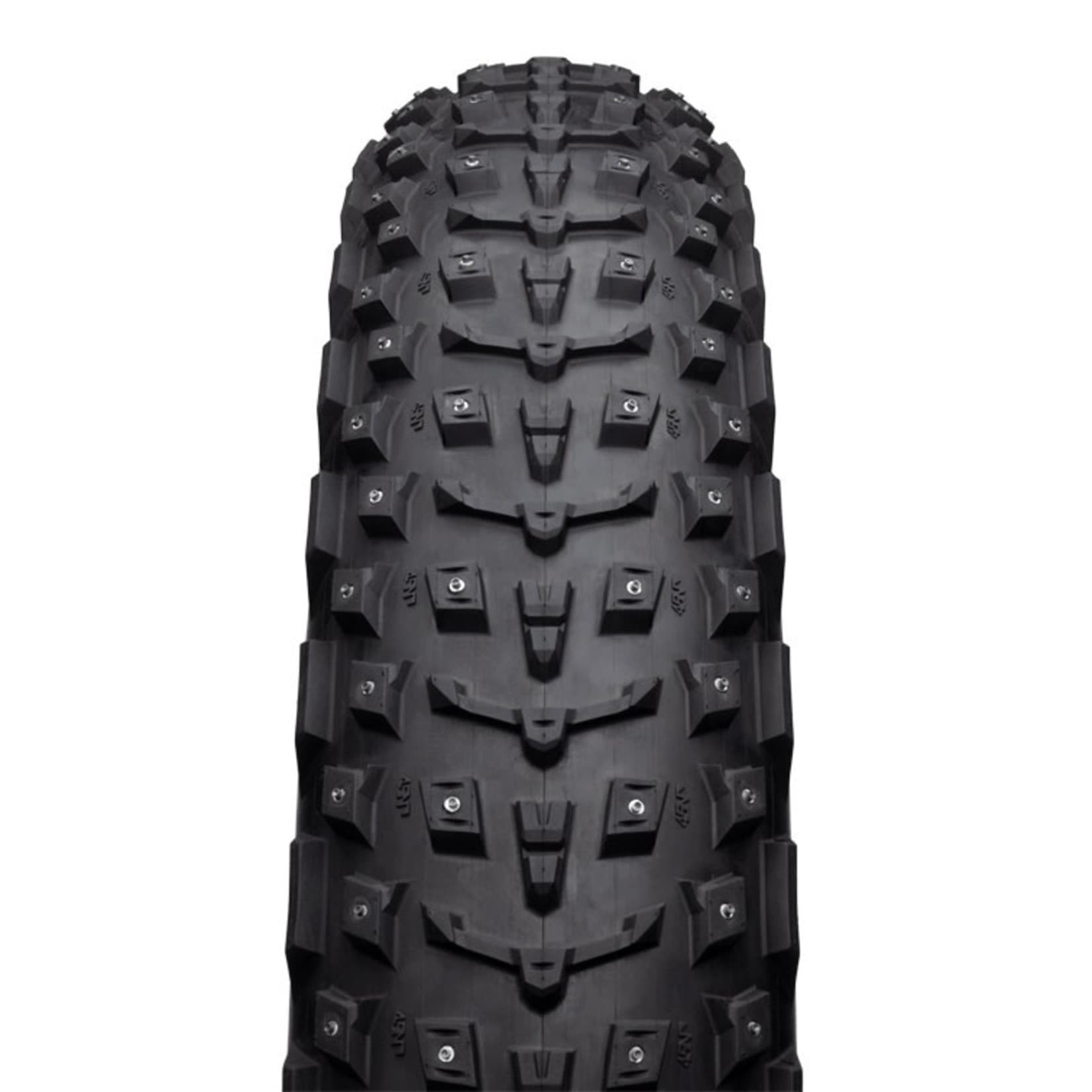
Schwalbe Ice Spiker Pro Winter Tire
The Ice Spiker Pro is a market-leading, ice-specialist tire renowned for its very high stud count and low rolling resistance design, delivering exceptional confidence on hardpack and glazed ice. Versus the other studded choices here it tends to outperform on sheer icy traction while commanding a higher price, which many technical riders justify for its proven carbide spike layout and build quality.
![Schwalbe Ice Spiker Pro 26 Inch Tire [11100937]](/_next/image?url=https%3A%2F%2Fstatic.biketiresdirect.com%2Fproductimages%2Fimages650%2FSCICE4-1.jpg&w=3840&q=75)
Maxxis Minion FBF Fat Bike Tire
The Maxxis Minion FBF serves as a versatile, fast-rolling fat tire that balances traction and efficiency for packed snow and mixed winter trails without studs, offering lower weight and better rolling speed than most studded competitors. Compared to studded contenders on this list it sacrifices ultimate ice bite but gains affordability and more energetic handling, making it a strong choice for riders who prioritize speed and trail versatility over maximum ice grip.

45NRTH Wrathchild Studded Tire
The Wrathchild is a purpose-built studded tire that excels on hardpack and icy surfaces with a dense, durable stud layout and a casing tuned for stability and longevity. In comparison to the Dillinger 5 it generally focuses more on hardpack/ice performance and a slightly higher stud density rather than deep-snow floatation, offering a premium technical option for riders who frequently encounter packed ice and want long-term durability.

Bontrager Gnarwhal Fat Bike Tire
The Bontrager Gnarwhal is a versatile, value-oriented fat tire that blends nimble handling and relatively light weight for snow riding, backed by Trek/Bontrager distribution and service network. Compared with premium studded tires on this list it provides a competitive price-to-performance ratio for riders who want dependable snow traction and quick rolling without the extra cost or weight of studs.

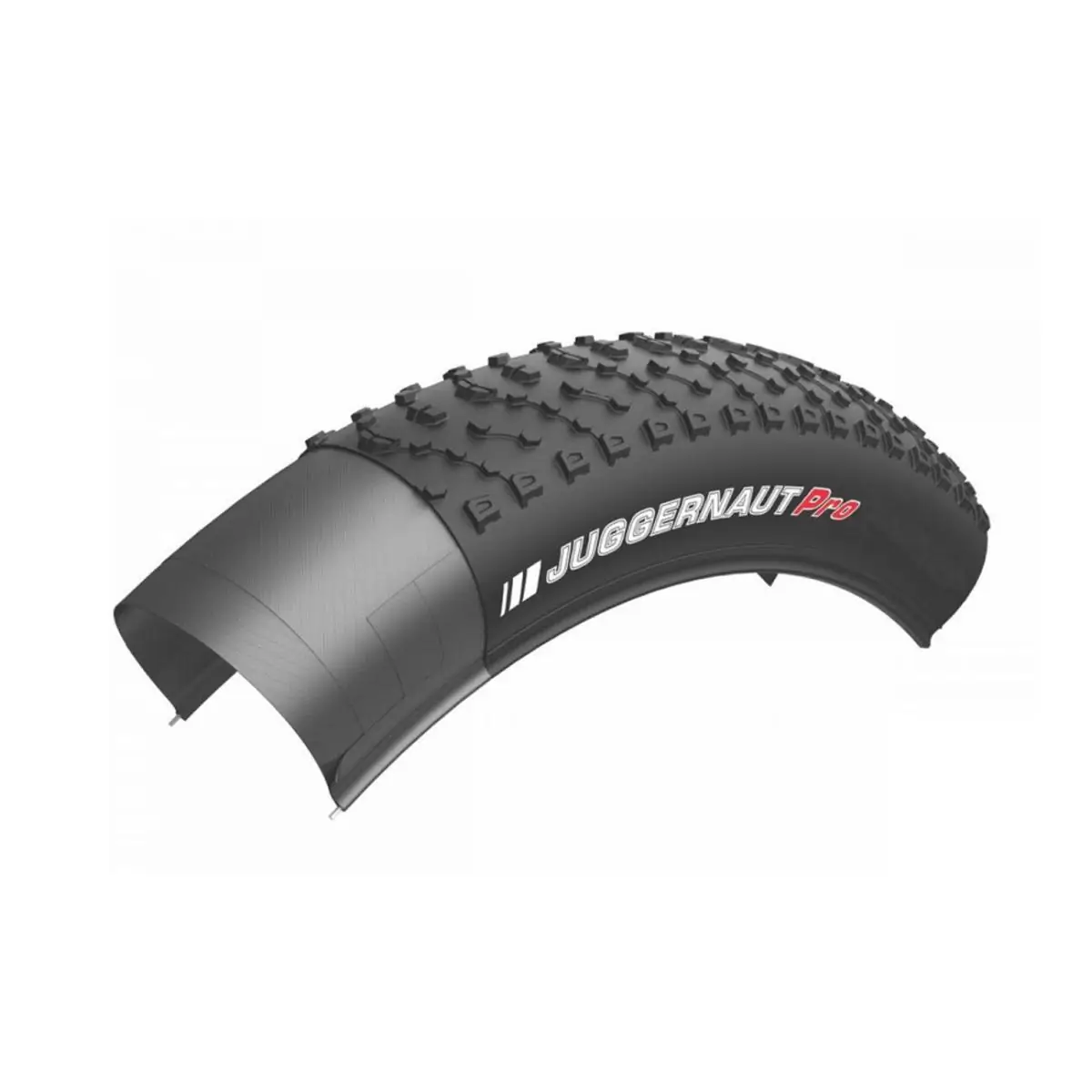
Kenda Juggernaut Pro Fat Tire
The Kenda Juggernaut Pro is a robust, do-it-all fat tire aimed at riders seeking a durable, budget-friendly winter option with a tread and casing designed to resist cuts and pinch flats. Against the higher-priced specialist studded models here it offers financial advantages and dependable performance in mixed snow and trail conditions, making it an attractive choice for riders who want ruggedness and value over cutting-edge stud technology.
Terrene Wazia 29x2.5 Studded
The Terrene Cake Eater Studded tire targets riders who want a lightweight studded fat tire with a supple casing and a high-volume profile that favors soft-snow float and predictable cornering. Compared to heavier studded models on this list it trades some raw ice-stopping power for lower rotating mass and a more approachable price, positioning itself as a boutique alternative for riders who prioritize soft-snow performance and nimble handling.
What research and tests show about winter fat bike tyres
Laboratory and field tests used by tyre makers and independent testers focus on grip (measured as friction or braking distance), flotation on soft snow (contact patch behaviour at low pressure), and durability (casing strength and puncture resistance). Collective findings from mechanical tests and rider field trials indicate consistent patterns: studs improve grip on hard, glazed ice; wider tyres at lower pressures increase flotation on soft snow and reduce sink-in; and rubber compound formulation affects traction at low temperatures because softer compounds retain flexibility and bite better in freezing conditions. Independent test protocols also highlight trade-offs: better traction often comes with higher rolling resistance and some loss of top speed, and studded tyres may be noisier on hard surfaces.
Studded tyres significantly improve slip resistance and shorten stopping distances on glazed ice compared with equivalent studless designs in controlled tests.
Lower tyre pressure increases the contact patch, improving flotation on soft snow and allowing more predictable handling, but may increase puncture risk without a reinforced casing.
Rubber compounds designed for winter retain flexibility below freezing, maintaining grip where standard compounds become hard and slippery.
Tread design and siping help eject snow and maintain bite; self-cleaning patterns reduce packed snow buildup in the tread.
Laboratory measures (coefficient of friction, braking distance, wear tests) and rider field trials both underline trade-offs: traction gains can mean higher rolling resistance and different noise levels on clear tarmac.
Frequently Asked Questions
Which tyre should I pick for deep snow riding?
Choose the 45NRTH Dillinger 5 Studded Fat Bike Tire for deep snow and mixed icy-snow because it has tungsten-carbide studs for exceptional ice traction and a wide fat casing for flotation, with an average rating of 4.8.
What stud type does the Dillinger 5 use exactly?
The 45NRTH Dillinger 5 Studded Fat Bike Tire uses tungsten-carbide studs for exceptional ice traction, and its durable winter rubber compound stays grippy in sub-zero temperatures; it averages a 4.8 rating.
Is the Maxxis Minion FBF cheaper than studded options?
The provided data doesn’t list any prices for the Maxxis Minion FBF Fat Bike Tire or the other tyres, so I can’t compare cost-to-value; it is non-studded, fast-rolling, and has an average rating of 4.6.
Do these fat bike winter tyres come with a warranty?
No warranty duration is provided for the 45NRTH Dillinger 5, Schwalbe Ice Spiker Pro, or Maxxis Minion FBF in the supplied details, so I can’t confirm any coverage; ratings are 4.8, 4.7, and 4.6 respectively.
Conclusion
In summary, fat bike snow and ice tyres fill a clear need for UK riders who ride in winter conditions, offering combinations of studs, soft compounds, wide profiles and reinforced casings to match different routes and riding styles. We hope this overview helped you understand the category and what to look for, even though there are no single top-ranked picks listed here. Use the site search to refine by tyre width, studded versus studless, wheel diameter, tubeless compatibility or casing protection, or expand your search to receive alerts about new 2026 releases and local UK availability.