

Top 5 Autologous Conditioned Serum Therapies UK 2026
Bedside biologics that concentrate a horse’s own anti-inflammatory proteins have become a practical first-aid adjunct in many UK yards and ambulatory clinics. Autologous conditioned serum (ACS) and related platelet-based kits aim to blunt early inflammatory cascades in acute joint and soft‑tissue injuries by concentrating naturally occurring modulators such as interleukin‑1 receptor antagonist (IL‑1Ra), growth factors and plasma proteins. In Britain clinicians and yard managers typically prioritise systems that are safe (low immunogenic risk because the product is autologous), reproducible in a busy workflow, and clear in terms of regulatory and clinical governance under the Veterinary Medicines Directorate and professional guidance. This guide profiles five common bedside options used in the UK in 2026 — IRAP II, Pro‑Stride APS, Restigen PRP, Arthrex ACP and a combined PRP‑HA Kit — focusing on what each delivers to the clinic at the point of care. IRAP II is noted for IL‑1Ra enrichment and a mechanism well described in literature; Pro‑Stride APS gives a platelet‑ and protein‑rich concentrate intended for inflamed joints; Restigen PRP is tailored toward soft‑tissue matrix support and tendon care; Arthrex ACP is a straightforward, rapid PRP choice for routine chairside use; and PRP‑HA Kits blend platelet concentrate with hyaluronic acid for added lubrication with biologic support. Cost, required training, processing time, and disposal logistics vary between systems, so fit-for-clinic decisions balance clinical need, practitioner preference and on‑site capacity for sterile preparation and documentation.
Inception's AI took the time to understand this market in the UK · · How we pickWe may earn a commission on purchases. It never affects our rankings.
Top Picks Summary
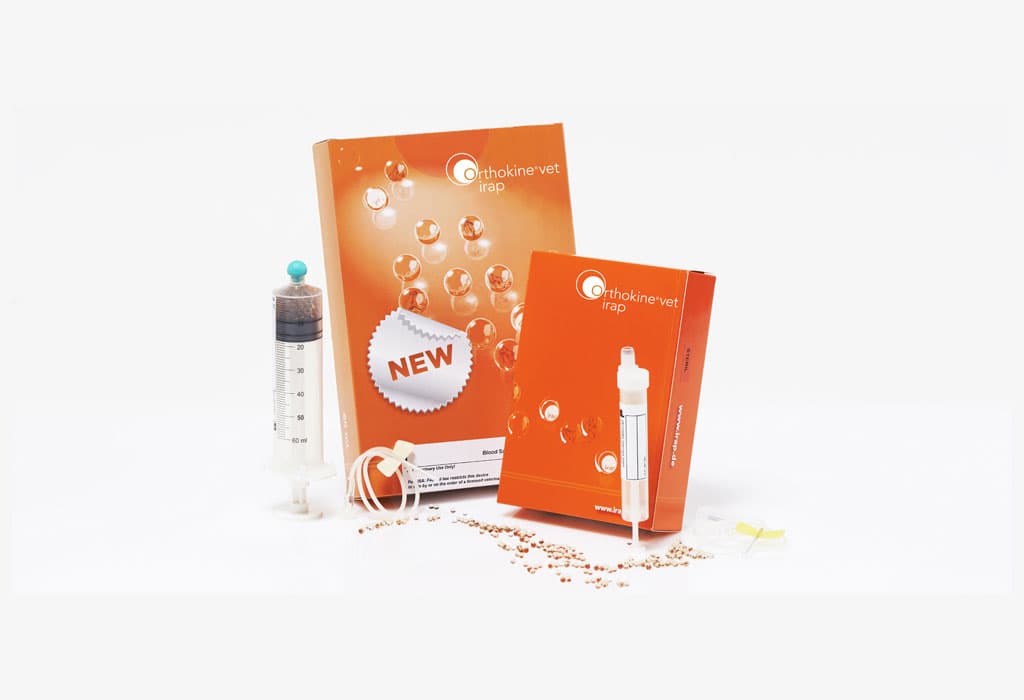
IRAP II Orthokine System
IRAP II Orthokine System holds a best-in-class position for equine first aid in the UK 2025 by delivering a highly targeted IL-1 receptor antagonist–rich serum backed by substantial clinical evidence for reducing joint inflammation. Its laboratory-style conditioning process typically yields longer-duration anti-inflammatory effects than point-of-care PRP kits, making it attractive for cases where clinical efficacy outweighs per-treatment cost. Compared with faster, lower-cost options like Arthrex ACP or Restigen PRP, IRAP II is technically more complex and capital-intensive to run but can reduce repeat interventions over time.
Estimated£300 – £500
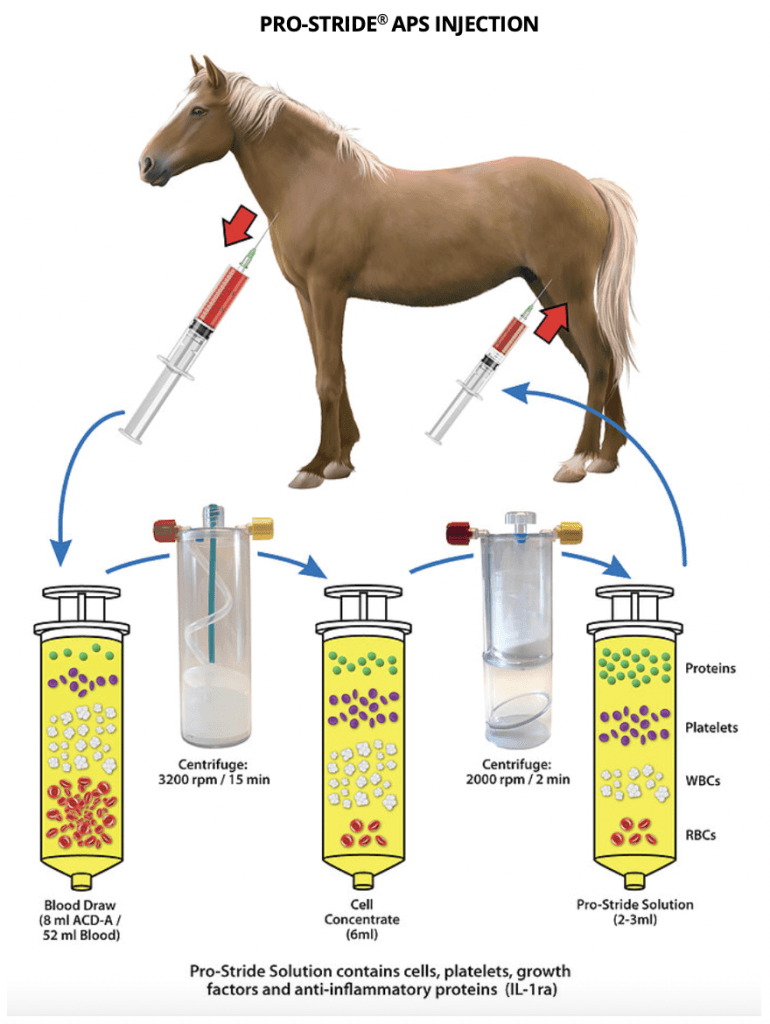
Pro-Stride APS System
Pro-Stride APS System is recognized as a market leader for delivering autologous protein solution with a high concentration of anti-inflammatory cytokines at point-of-care, balancing strong biological activity with clinic-friendly workflow. It typically offers faster turnaround and lower per-case logistics than IRAP II while producing more targeted cytokine modulation than standard PRP kits, which can translate to competitive mid-range pricing for equine practices. Compared to single-syringe PRP systems such as Arthrex ACP, Pro-Stride often commands a premium but justifies it with enhanced anti-inflammatory potency for acute field interventions.
Estimated£350 – £550
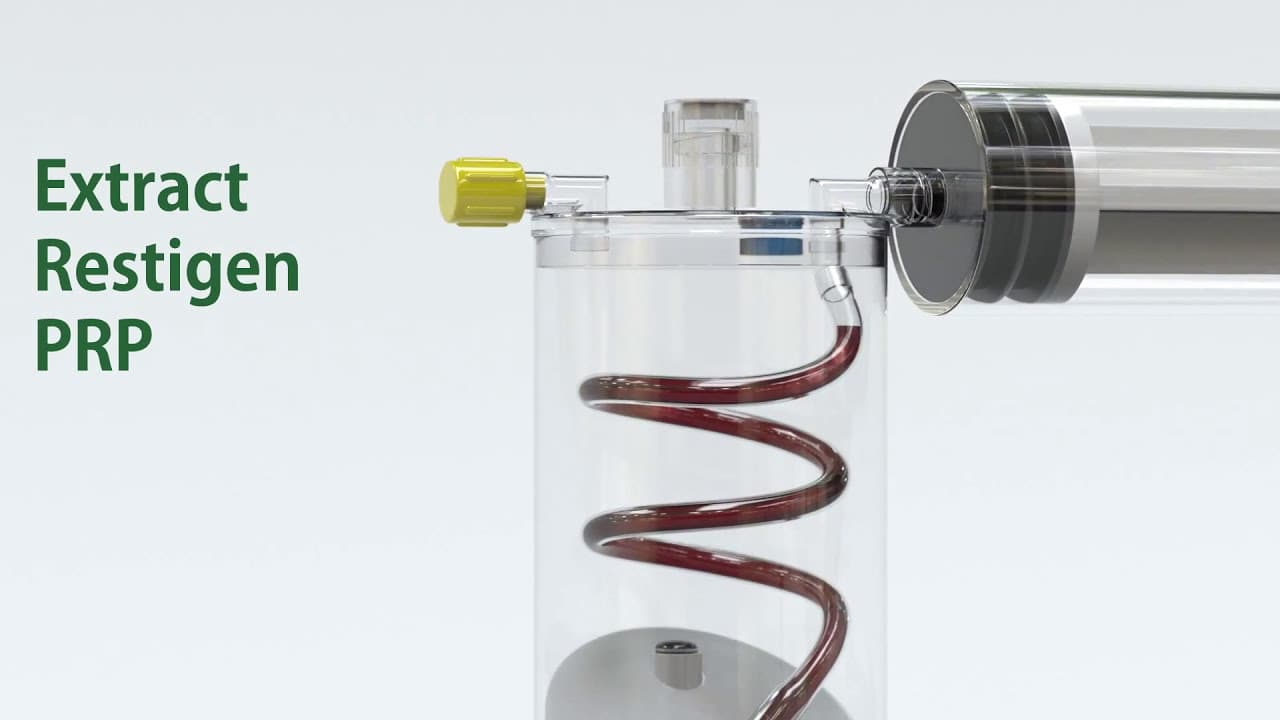
Restigen PRP System
Restigen PRP System earns its place for being a cost-efficient, clinic-oriented platelet-rich plasma solution well suited to first-aid scenarios in UK equine practice, offering straightforward integration and predictable platelet enrichment. Its lower consumable and training costs make it more affordable per treatment than IRAP II and some APS products, though it provides less specialized cytokine conditioning for inflammation control. When compared to filtration-based, higher-cost systems like Pall AcroSep, Restigen prioritizes ease-of-use and rapid bedside preparation favored by ambulatory vets.
Estimated£120 – £220
Arthrex ACP Double Syringe System
Arthrex ACP Double Syringe System is a market leader for simple, rapid point-of-care PRP preparation, valued in UK equine first-aid for its closed, sterile double-syringe design that minimizes handling and regulatory friction. It is usually the lowest-cost-per-kit option and requires minimal training, making it an efficient choice for high-throughput clinics and field use, though it offers less cytokine-specific conditioning than IRAP II or APS approaches. Compared with filtration- or lab-based systems, Arthrex ACP emphasizes speed, safety and affordability over maximal biological concentration.

Pall AcroSep PRP System
Pall AcroSep PRP System stands out as a market leader where sterility, consistency and scalable processing matter most, leveraging Pall's expertise in clinical-grade filtration to deliver highly reproducible platelet yields. Its technical advantages and rigorous quality controls make it well suited to larger equine hospitals or referral centers that can absorb higher capital and per-treatment costs, and it typically outperforms simple syringe systems in standardization though at a premium price. Against clinic-focused kits like Restigen and Arthrex ACP, Pall prioritizes batch consistency and regulatory-grade processing for practices aiming for laboratory-level assurance.
Estimated£200 – £350
IRAP II: IL‑1Ra-focused modulation. Pro‑Stride APS: platelet and protein concentrate for inflamed joints. Restigen PRP: soft‑tissue support and tendon focus. Arthrex ACP: fast, simple chairside PRP. PRP‑HA Kit: combines platelet biology with hyaluronic lubrication.
What the Research Says About Autologous Conditioned Serum and Related Therapies
A growing body of veterinary and translational research supports the biological rationale and clinical use of autologous conditioned serum approaches, platelet rich plasma, and filtered plasma concentrates for equine joint and soft tissue injuries. Studies highlight consistent enrichment of anti-inflammatory mediators, measurable symptomatic improvement in many cases, and generally favorable safety profiles when procedures are performed using aseptic, veterinarian-led protocols. Evidence strength varies by product type and clinical indication, and high-quality randomized clinical trials are still limited for some kits. For clinicians new to these modalities, the research supports cautious optimism: these therapies can be useful adjuncts for acute inflammatory management when matched to the right case.
Mechanism: Conditioning protocols reliably increase concentrations of interleukin-1 receptor antagonist (IL-1Ra) and other anti-inflammatory cytokines which counteract pro-inflammatory signaling in inflamed joints.
Clinical outcomes: Multiple veterinary case series and controlled studies report reduced lameness scores and improved function after ACS or PRP-type injections in acute joint flare-ups, with variable durations of benefit depending on injury severity.
Safety profile: Autologous approaches show low rates of immunologic reaction because the product is derived from the patient; reported complications are most often related to injection technique or preexisting infection.
Comparative evidence: Some studies suggest ACS (IL-1Ra enriched) can be more targeted for inflammatory arthropathies, while PRP and APS may offer broader growth factor support for soft tissue healing; direct head-to-head trials remain limited.
Practical considerations: Bedside preparation times, centrifuge or incubator requirements, and kit sterility impact clinic throughput and cost; studies emphasize consistent processing protocols to reduce variability in product potency.
Research gaps: There is need for larger randomized controlled trials in equine patients and standardized outcome measures across studies to better define which product is optimal for specific acute indications.
Frequently Asked Questions
Which kit should I choose for acute equine joint support?
Choose IRAP II Orthokine System if you want an IL-1 receptor antagonist–rich autologous conditioned serum with an incubation-based process, rated 4.6, for targeted reducing joint inflammation in soft-tissue and joint first-aid settings.
What does Pro-Stride APS System concentrate and deliver?
Pro-Stride APS System produces an autologous protein solution (APS) concentrated in anti-inflammatory proteins and growth factors using a single-session protocol, and it’s rated 4.5 overall.
How do prices compare between Restigen and IRAP II systems?
The provided product data lists only average ratings—Restigen PRP System is rated 4.3 and IRAP II Orthokine System is rated 4.6—so there’s no price information available to compare value.
Which kit is faster to prepare for clinic first-aid?
Restigen PRP System can be ready in roughly 10–20 minutes using fast single-spin processing, making it suitable for immediate clinic-ready first-aid applications; it’s rated 4.3.
Conclusion
In the UK context for 2026, autologous conditioned serum and platelet kits are viable first‑aid options when used under veterinary supervision and as part of a clear treatment plan. No single system suits every yard: IRAP II often appeals where IL‑1Ra modulation is prioritised; Pro‑Stride APS and PRP options are favoured where a broader platelet and protein profile is desired; Restigen PRP is commonly chosen for soft‑tissue repair pathways; Arthrex ACP favours fast, low‑complexity chairside use; and PRP‑HA Kits are selected when combined lubrication and biologic support are useful. Before adopting any kit, check current VMD guidance, ensure staff are trained in aseptic technique and record keeping, and discuss expected outcomes and follow‑up with your vet.
If you want to compare protocols, operational costs or licensing questions for each system in greater depth, use the site search or speak directly with a regional equine clinician. For urgent cases, always contact your veterinary surgeon — timely, appropriate treatment under clinical oversight remains the cornerstone of good outcomes.