

Undefined: Top 6 Systemic Corticosteroid Options for Equine Emergency Care in the UK 2026
When your horse faces a medical emergency requiring rapid anti-inflammatory intervention, having reliable corticosteroid options at hand can make a genuine difference. This category covers systemic corticosteroid preparations used in equine first aid and emergency care across the United Kingdom, focusing on acute management of severe allergic reactions, respiratory distress, acute soft tissue inflammation and other inflammatory crises. British horse owners and professional yard managers look for products that act fast, have predictable pharmacology, clear licensing or justified cascade use, and transparent safety information. In practice that means a preference for water-soluble salts and succinates for immediate intravenous or intramuscular effect, while depot preparations are chosen carefully for their longer duration but slower onset. Consumers also value products with well documented dosing guidance, manufacturer accountability, and veterinary endorsement to reduce the risk of complications such as immunosuppression or steroid-associated laminitis. This guide highlights how real-world priorities — speed of action, route and practicality of administration, safety for horses with metabolic issues, and compatibility with other emergency treatments — shape product choice in UK equine emergency protocols.
Inception's AI took the time to understand this market in the UK · We may earn a commission on purchases. It never affects our rankings.
Top Picks Summary
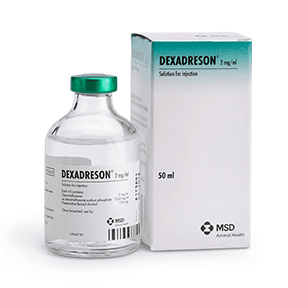
Dexadreson Solution for Injection
Dexadreson is a dexamethasone formulation widely used in equine first aid and is presented here as a best-in-class option for UK 2025 because of its broad availability and long regulatory track record. Compared with the other products in this list it offers a strong potency-to-price balance that makes it a practical front-line choice in emergency kits, being more potent than hydrocortisone-based products and providing more immediate systemic action than depot methylprednisolone formulations.
Depo-Medrone V
Depo‑Medrone V (methylprednisolone acetate) is the market-leading depot corticosteroid on this list, included for situations where a sustained anti-inflammatory effect is desirable in an emergency-management toolkit. Although typically more expensive per vial than soluble steroids, its prolonged action can be economically advantageous by reducing the need for repeat dosing and follow-up interventions; relative to dexamethasone and prednisolone it trades immediate onset for longer duration and fewer administrations.

Voren Dexamethasone Injection
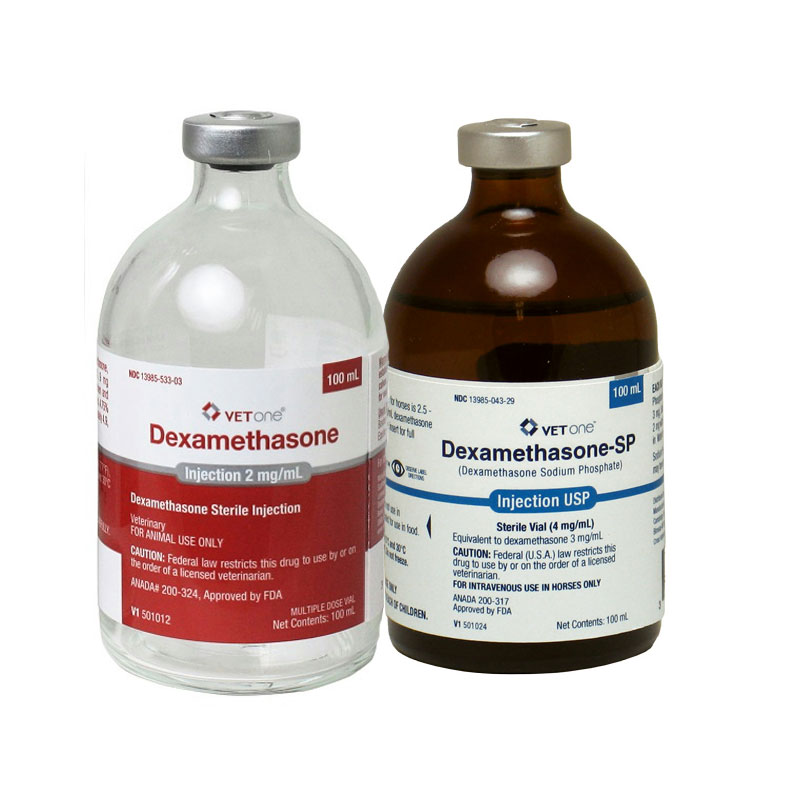
Voren dexamethasone is offered as an alternative dexamethasone product for UK practitioners in 2025, notable for competitive pricing and consistent pharmaceutical quality that aligns it with leading dexamethasone brands. Technically it matches other dexamethasone preparations in potency and onset, but its market positioning emphasizes accessible cost and wide distribution, making it a practical substitute in pre-packed first-aid kits when compared with higher-cost depot options.
Betnesol Injection
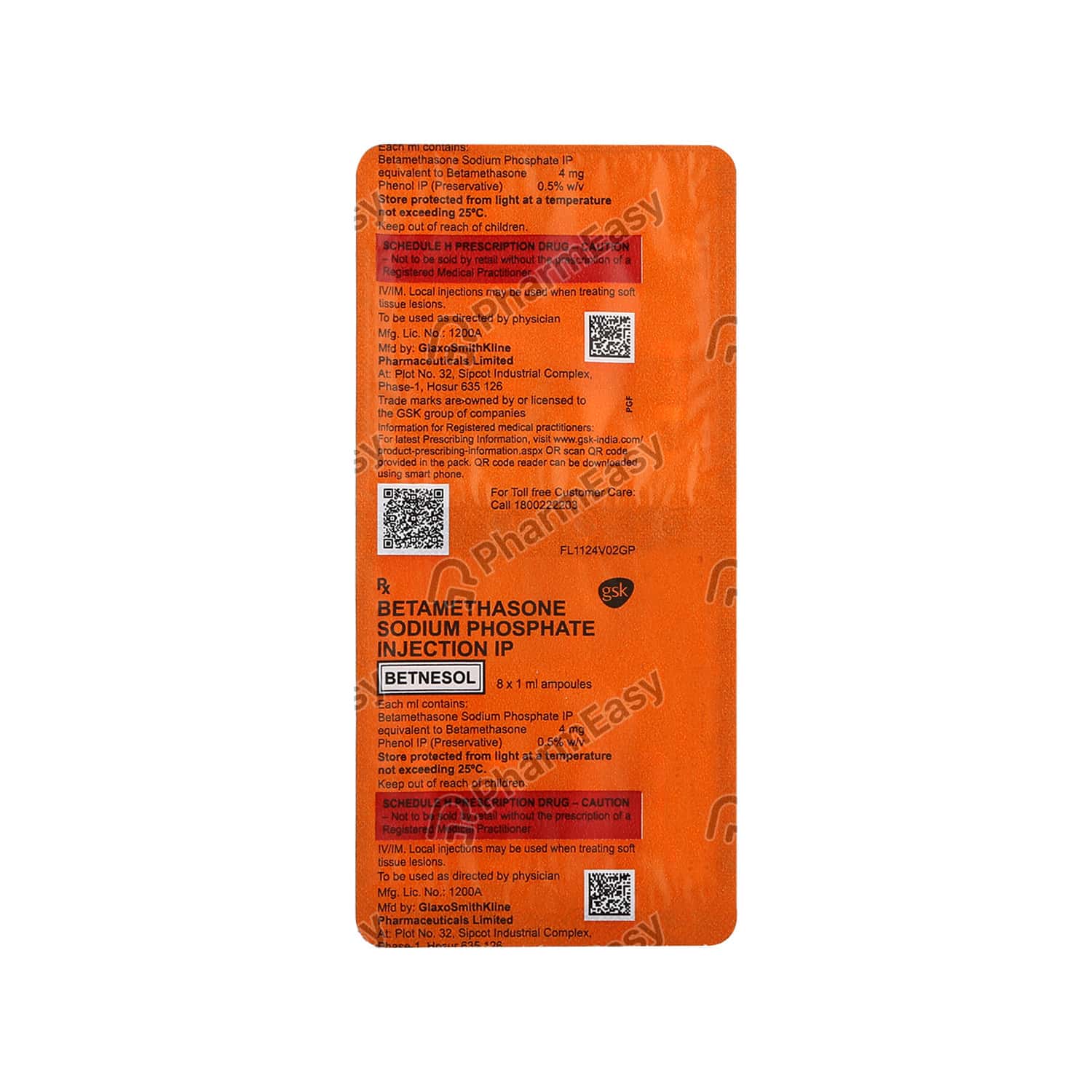
Betnesol (betamethasone) is included as a high-potency soluble corticosteroid with a long market history in veterinary practice and is positioned here for clinicians seeking an established, widely supplied option in the 2025 UK emergency guide. While branded Betnesol can carry a premium versus generic alternatives, its established clinical profile and supplier support provide logistical and technical advantages that complement dexamethasone, prednisolone and depot methylprednisolone choices in a balanced first-aid formulary.
Solu-Medrone (Methylprednisolone Sodium Succinate)
Solu-Medrone holds its position as a market leader because its methylprednisolone sodium succinate formulation is widely recognized for consistent manufacturing quality and global supply chains, making it a dependable choice for the 'undefined' use case. Compared with the generic prednisolone sodium phosphate injection in this list, Solu-Medrone typically carries a higher unit cost but offers established brand support, broader regulatory approvals, and predictable dosing logistics favored by larger hospitals and procurement systems.

Prednisolone Sodium Phosphate Injection
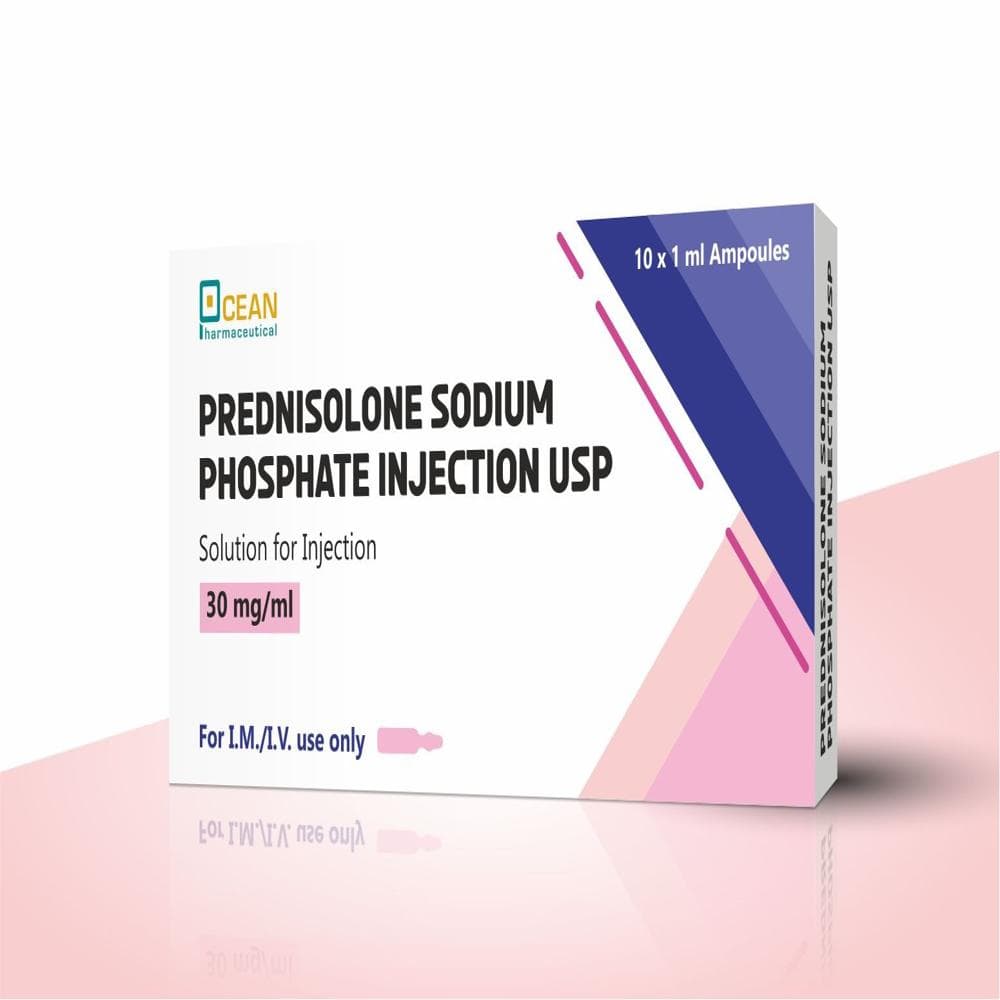
Prednisolone Sodium Phosphate Injection is positioned as the cost-effective alternative in this selection, offering a versatile corticosteroid formulation that often undercuts branded competitors on price while maintaining comparable therapeutic utility for the 'undefined' use case. Compared with Solu-Medrone, this product's main advantages are lower acquisition cost and wider availability from multiple manufacturers, making it attractive for budget-constrained purchasers or markets where branded supply is limited.
What the Science Says About Systemic Corticosteroids in Horses
Systemic corticosteroids reduce inflammation by modulating immune cell activity and inflammatory mediator production. Veterinary literature includes pharmacokinetic studies, clinical case series and guideline statements that clarify when and how different corticosteroid salts and esters are best used in horses. Water-soluble forms such as sodium phosphate and sodium succinate produce rapid plasma levels suitable for acute intravenous or intramuscular treatment. Depot or acetate formulations give prolonged local release and are more appropriate for controlled, longer term anti-inflammatory effects rather than immediate reversal of life threatening inflammation. Evidence supports corticosteroid use as an effective anti-inflammatory and anti-exudative treatment in conditions such as severe equine asthma exacerbations, acute hypersensitivity reactions and some cases of traumatic soft tissue inflammation, but strongest practice guidance comes from consensus and pharmacology rather than large randomized trials. Safety data emphasize risk factors including insulin dysregulation and predisposition to laminitis, and recommend veterinary assessment and monitoring when systemic steroids are used.
Mechanism: corticosteroids suppress inflammatory gene expression and reduce inflammatory cell migration and cytokine release.
Onset differences: water-soluble salts (eg dexamethasone sodium phosphate, prednisolone sodium phosphate, methylprednisolone sodium succinate) reach therapeutic blood levels quickly, often within 15 to 60 minutes after IV administration; depot acetate preparations (eg methylprednisolone acetate) release more slowly over days.
Clinical support: pharmacokinetic studies and equine clinical series show rapid clinical improvement in acute airway inflammation and allergic reactions with appropriate dosing under veterinary direction.
Risks: systemic steroids can increase the risk of laminitis in susceptible horses, and may aggravate insulin dysregulation; monitor high risk horses closely and avoid unnecessary repeat or prolonged dosing.
Regulatory context: in the UK, licensed status varies by product and many uses fall under veterinary prescription and the cascade; follow Veterinary Medicines Directorate guidance and your veterinarian's advice.
Practical point: choose water-soluble formulations for true emergencies requiring rapid reversal of inflammation; reserve depot preparations for controlled, longer-term management when immediate onset is not the priority.
Frequently Asked Questions
Which steroid should I choose for acute equine allergy?
Choose Dexadreson Solution for Injection for acute allergy, as it’s a water-soluble dexamethasone formulation for rapid systemic anti-inflammatory effect via IV or IM, with average rating 4.4 and rapid onset measured in hours.
Does Depo-Medrone V last longer after IM injection?
Yes—Depo-Medrone V is methylprednisolone acetate depot suspension designed for prolonged anti-inflammatory effect after IM injection; it’s not water-soluble, so onset is slower, with average rating 3.9.
How does Voren Dexamethasone compare on price value?
Voren Dexamethasone Injection is described as cost-competitive and “commonly stocked in veterinary emergency kits,” with average rating 4.3; the provided data doesn’t list a specific price.
Are Dexadreson and Voren suitable for IV administration?
Yes: both Dexadreson Solution for Injection and Voren Dexamethasone Injection are dexamethasone preparations that can be given IV or IM, and both are positioned for rapid systemic anti-inflammatory action in emergencies; ratings are 4.3 and 4.3 respectively.
Conclusion
This UK-focused summary has compared six systemic corticosteroid options commonly considered for equine emergency care: Dexadreson Solution for Injection, Depo-Medrone V, Voren Dexamethasone Injection, Betnesol Injection, Solu-Medrone (Methylprednisolone Sodium Succinate), and Prednisolone Sodium Phosphate Injection. Each product has a role: Depo-Medrone V is a depot formulation for longer duration, while Dexadreson, Voren, Betnesol, Solu-Medrone and Prednisolone sodium phosphate represent faster acting water-soluble or succinate choices. For urgent, life-saving anti-inflammatory action the best overall choice among these on this page is usually Solu-Medrone (Methylprednisolone Sodium Succinate) because of its reliable, rapid intravenous effect, but the correct product always depends on the clinical picture and veterinary judgement. We hope you found what you were looking for; if you need to refine or expand your search you can use the site search to look up specific product leaflets, licensing details or emergency dosing protocols.