

Equine Vaccine Storage & Temperature-Controlled Transport: The Ultimate 2025 UK Veterinary Comparison Guide
Maintaining the cold chain for equine biologics presents a genuine challenge for veterinary practices, riding centres, and mobile clinics across the United Kingdom. Whether you're managing vaccines at a busy equestrian facility in the Cotswolds, running an emergency response service in rural Scotland, or operating a mobile veterinary clinic, preserving the critical 2 to 8 degrees Celsius storage window is non-negotiable. This comprehensive guide examines five market-leading solutions that have proven themselves in the demanding conditions of British equine practice. From validated passive carriers suitable for transit to mains-powered refrigeration units designed for clinic environments, we've assessed each option based on real-world UK requirements including compliance with UK veterinary regulations, performance in variable British weather, temperature logging capabilities, and practical usability by equine professionals. The right cold chain solution can mean the difference between effective vaccine protection and costly therapeutic failure. We'll walk you through the strengths and limitations of each product, helping you identify which option aligns best with your specific operational needs and budget parameters.
Inception's AI took the time to understand this market in the UK · · How we pickWe may earn a commission on purchases. It never affects our rankings.
Top Picks Summary
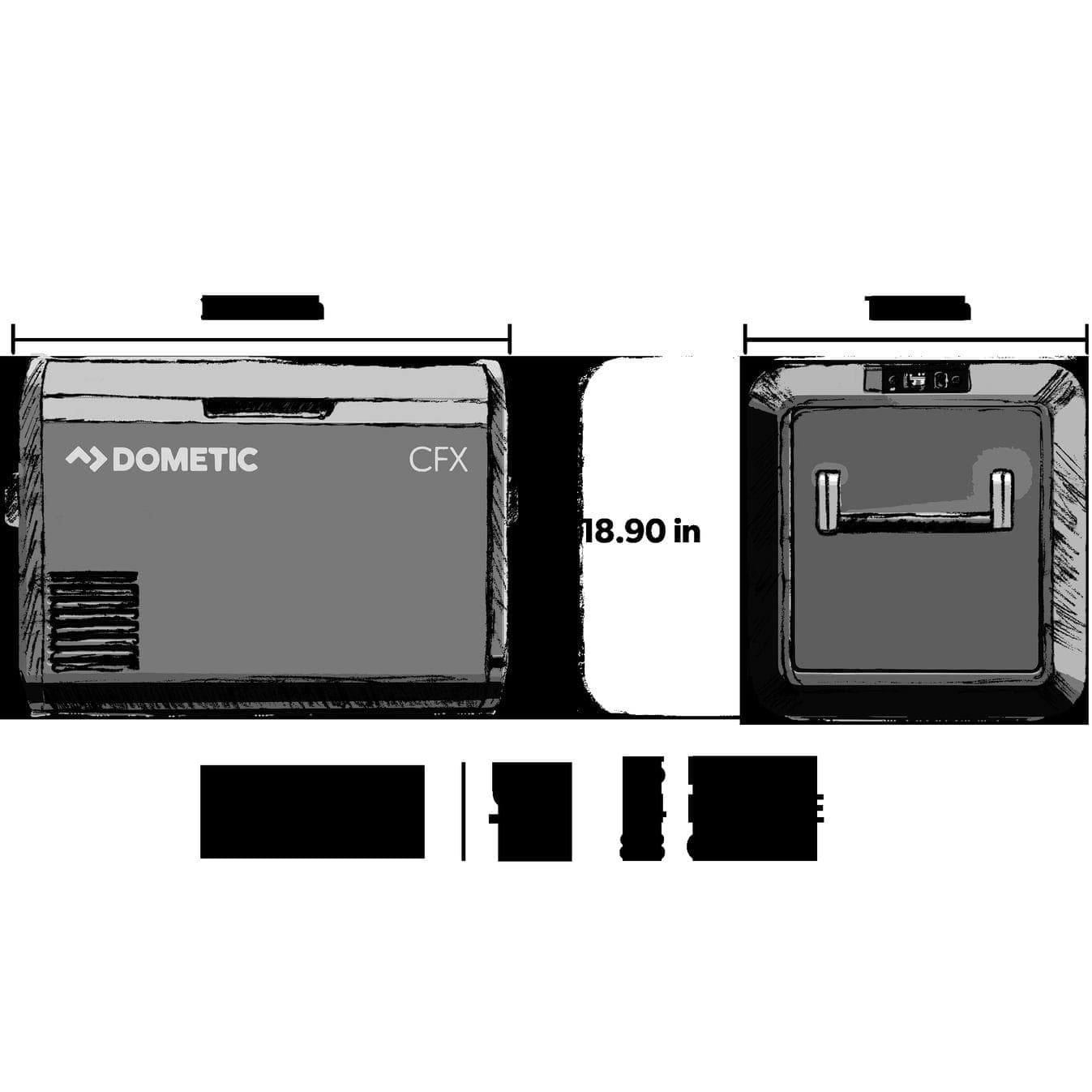
Dometic CFX3 55IM Powered Cooler
The Dometic CFX3 55IM is the top powered option for equine first aid cold chain transport thanks to its efficient inverter compressor and precise temperature control, delivering reliable vaccine- and medication-safe cooling on the move. It outperforms passive coolers like the Yeti and Pelican for long-haul, active temperature maintenance while offering a more energy-efficient and lower long-term operating cost than some older portable compressor fridges, though it is less medical-certified than the B Medical unit.
Engel MT45F-U1 Portable Fridge Freezer
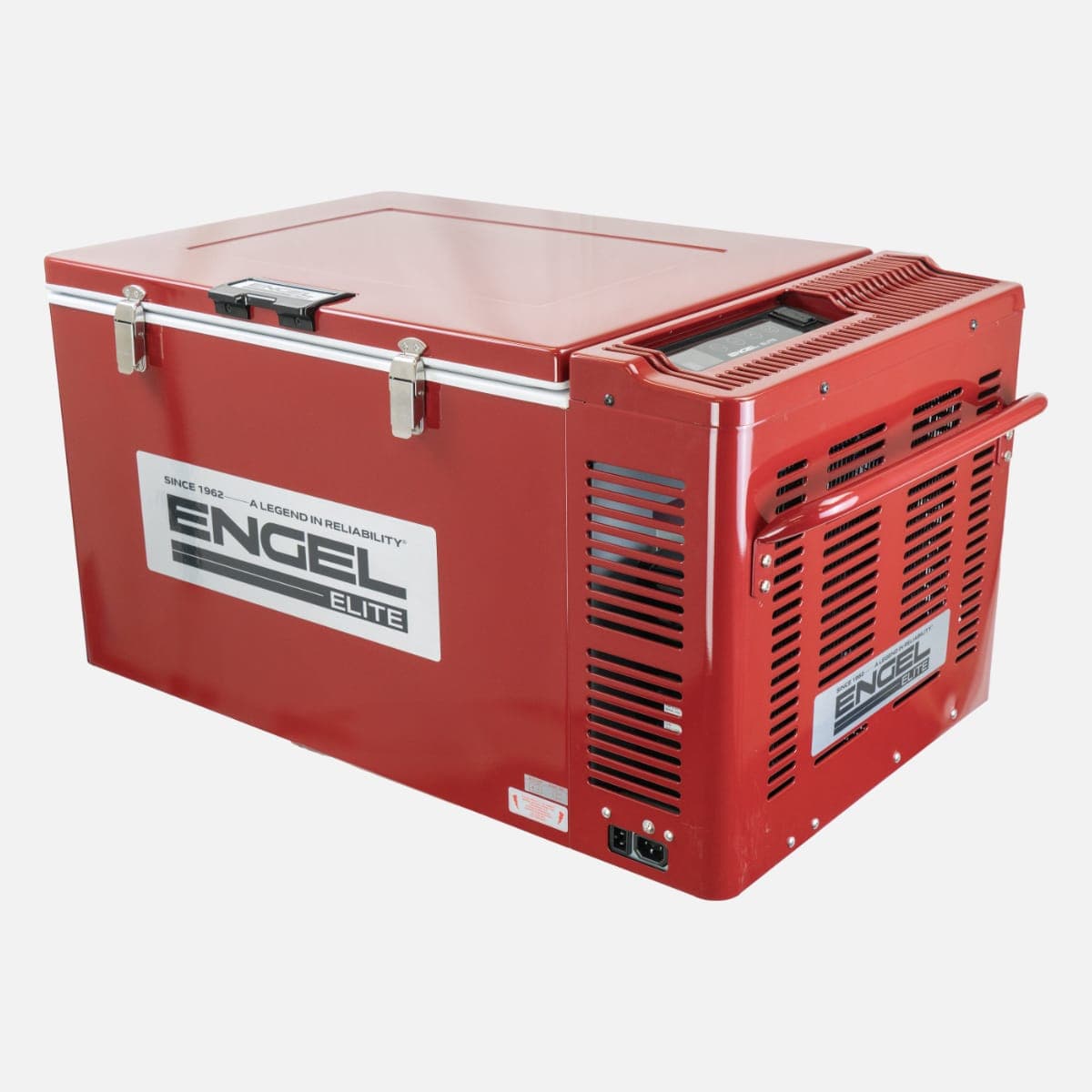
The Engel MT45F-U1 earns its place as a market leader for field reliability — its swing-compressor design is proven to run efficiently on low power and tolerate rough transport conditions common in equine work. Compared with the CFX3 it is mechanically simpler and often cheaper to maintain, making it a strong technical and financial choice for practitioners who need rugged, long-lived cooling without the premium software features of Dometic or the medical certification costs of B Medical.
Estimated£600 – £850
Yeti Tundra 65 Hard Cooler
The Yeti Tundra 65 is the best-in-class passive cooler for short-to-medium equine first aid trips, holding ice for extended periods without power while being virtually maintenance-free. For teams that prefer low ongoing costs and absolute simplicity it beats active fridges for reliability in brief transports, though it cannot replace compressor or medical-grade units for strict vaccine cold chain compliance over extended journeys.

Estimated£330 – £450
B Medical Systems B35 Portable Vaccine Refrigerator
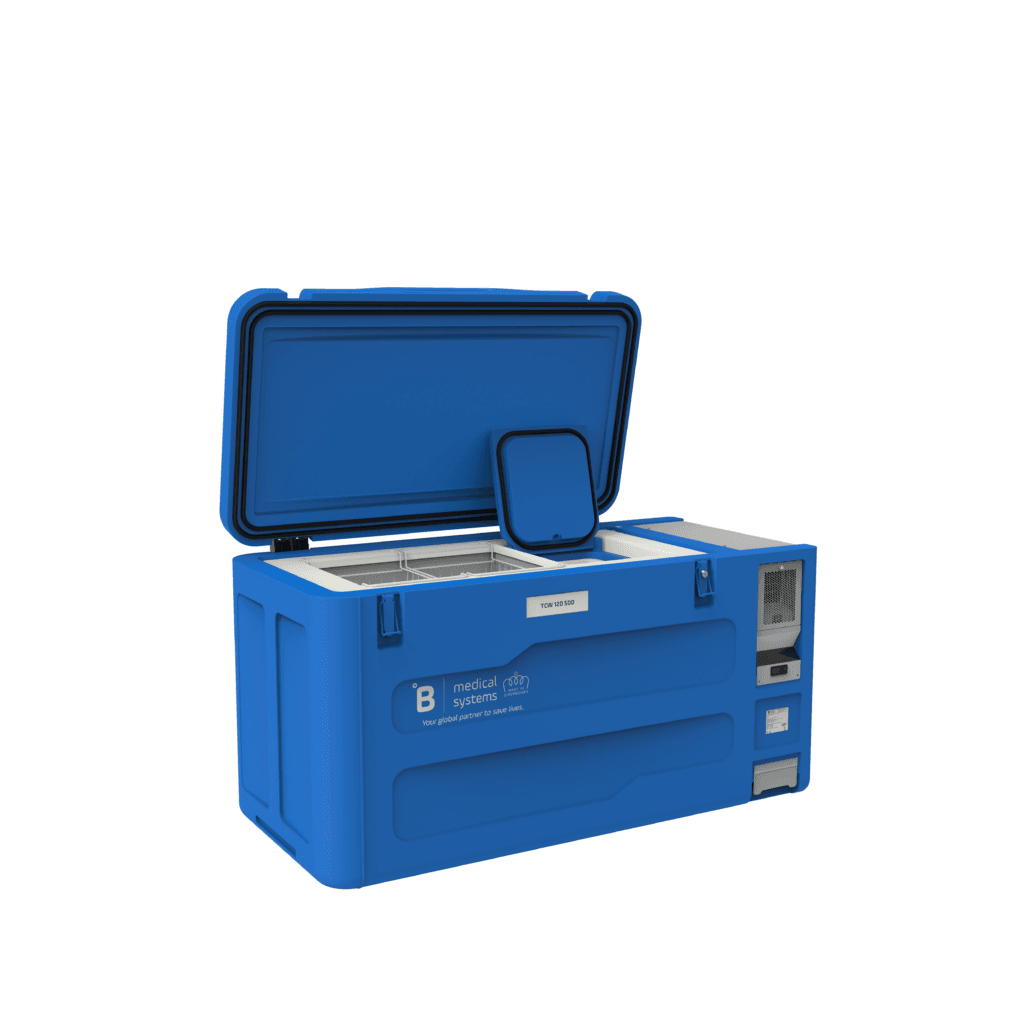
The B Medical Systems B35 is the specialist medical-grade choice designed specifically for vaccine cold chain compliance, offering validated temperature stability and alarm/monitoring features that reduce the risk and financial loss from spoiled equine vaccines. It is the most expensive option on the list but uniquely addresses regulatory and traceability needs that Dometic or Engel can’t guarantee out of the box, making it the right investment when strict cold chain documentation is required.
Estimated£1,800 – £3,200
Pelican Elite 65QT Cooler
The Pelican Elite 65QT combines rugged, impact-resistant construction with very good ice retention, positioning it as a cost-effective alternative to premium passive coolers for equine first aid kits. It offers similar field durability to the Yeti at often lower price, making it a financially attractive choice for teams needing dependable passive cold storage during short transports or as a secondary backup to powered systems like Dometic or Engel.

Estimated£250 – £400
These premium cold chain solutions combine validated temperature control, clinical-grade documentation, robust construction for rural British environments, and specialised design for equine vaccine and biological preservation. Each product has been selected based on proven reliability in UK veterinary operations, compliance with recognised standards, and positive endorsement from equine health professionals across the country.
Understanding Equine Cold Chain Requirements
Proper cold chain management for equine vaccines and biologics requires understanding specific temperature parameters, handling protocols, and UK regulatory frameworks that govern veterinary pharmaceutical storage and transport. This knowledge protects animal health outcomes and ensures your practice maintains professional standards.
UK veterinary regulations mandate maintaining 2-8°C for most equine vaccines throughout storage and transport phases
Temperature excursions, even brief ones, can permanently compromise vaccine potency and animal protection
Validated carriers with temperature logging provide crucial documentation for audit trails and quality assurance verification
British climate variability—from Scottish winters to summer heatwaves—demands robust insulation and active cooling where appropriate
Passive carriers suit short journeys; powered refrigeration becomes essential for clinic-based storage or extended transport
Regular equipment maintenance and staff training significantly reduce cold chain failure incidents
Professional temperature monitoring devices offer real-time alerts and historical data recording for compliance purposes
Frequently Asked Questions
Which cooler is best for mobile equine veterinary clinics?
The Dometic CFX3 55IM is the recommended choice for mobile clinics because its inverter compressor and precise digital controls ensure stable temperatures for vaccines during transit.
Does the Engel MT45F-U1 perform well in rough transport conditions?
The Engel MT45F-U1 features a swing-compressor design specifically engineered to tolerate the rough transport conditions frequently encountered during equine field work.
Is the Yeti Tundra 65 cheaper than powered fridge options?
The Yeti Tundra 65 offers lower ongoing costs because it is a passive cooler that requires no power, making it a cost-effective solution for short-to-medium equine first aid trips.
What is the average rating for the Yeti Tundra 65?
The Yeti Tundra 65 holds an average rating of 4.7, reflecting its reliability as a rotomoulded, impact-resistant storage option for field emergency kits.
Conclusion
Selecting the appropriate cold chain management system for your equine operation requires careful consideration of your specific circumstances, anticipated usage patterns, and regulatory compliance obligations. The five solutions examined in this guide—Pelican BioThermal CoolPall Flex, Dometic CFX3 35 Powered Cooler, Engel MT35F-U1 Medical Refrigerator, B Medical Systems Vaccine Carrier RCW25, and Yeti Hopper M30 Soft Cooler—collectively represent the most reliable options currently available to UK veterinary teams. Each fills a distinct operational niche: the Pelican delivers transportable biomedical-grade validation documentation; the Dometic provides powered flexibility for field-based clinic work; the Engel offers dedicated medical-standard refrigeration; the B Medical unit excels as a compact field carrier; and the Yeti suits short-duration transport scenarios. For veterinary practices seeking comprehensive documentation, regulatory defensibility, and proven performance across British seasons, the Pelican BioThermal CoolPall Flex consistently delivers reassurance. However, your optimal choice ultimately depends on your facility's infrastructure, frequency of vaccine transport, volume requirements, and budget allocation. We encourage you to review the detailed product assessments on this page, consider requesting demonstrations from suppliers, and consulting with your veterinary procurement team to confirm compatibility with your existing protocols and workflows.