Best Horse Feed by Life Stage in the UK 2025 - Complete Nutrition Guide from Foal to Senior
Published on Monday, 25 August 2025
Selecting the right feed for your horse at each life stage is fundamental to their long-term health, performance and wellbeing. Whether you're nurturing a young foal through their critical growth years, supporting a broodmare during pregnancy and lactation, maintaining an adult working horse, or providing specialised nutrition for an ageing companion, the nutritional demands shift considerably. British horse owners face unique seasonal challenges—from wet winters that reduce forage quality to variable hay compositions across different regions—making tailored feeding programmes essential. This guide examines five carefully selected feeds that address the distinct needs of horses across their lifespan. Each product has been evaluated for ingredient quality, nutritional completeness, suitability for British management systems, and value for money. We've focused on feeds that deliver transparent nutrition information, support digestive health through all seasons, and help owners maintain optimal condition without excessive waste. Whether you're based in Scotland's rugged terrain, managing horses on Southern pastures, or anywhere in between, this comparison will help you understand which feeding approach aligns with your horse's age, workload and your local forage situation.
Top Picks Summary
Baileys No.1 Original Balancer
Baileys No.1 Original Balancer tops this 2025 UK life-stage list as a high‑density, low‑feed‑rate balancer that reliably supports foal growth, mare condition and adult maintenance with minimal extra calories. Its technical advantage is a concentrated micronutrient profile that cuts feeding volumes (and therefore per‑meal cost) compared with bulk feeds like Allen & Page Fast Fibre or Dengie, while offering broader day‑to‑day versatility than the more stud‑specialist Dodson & Horrell formulation.
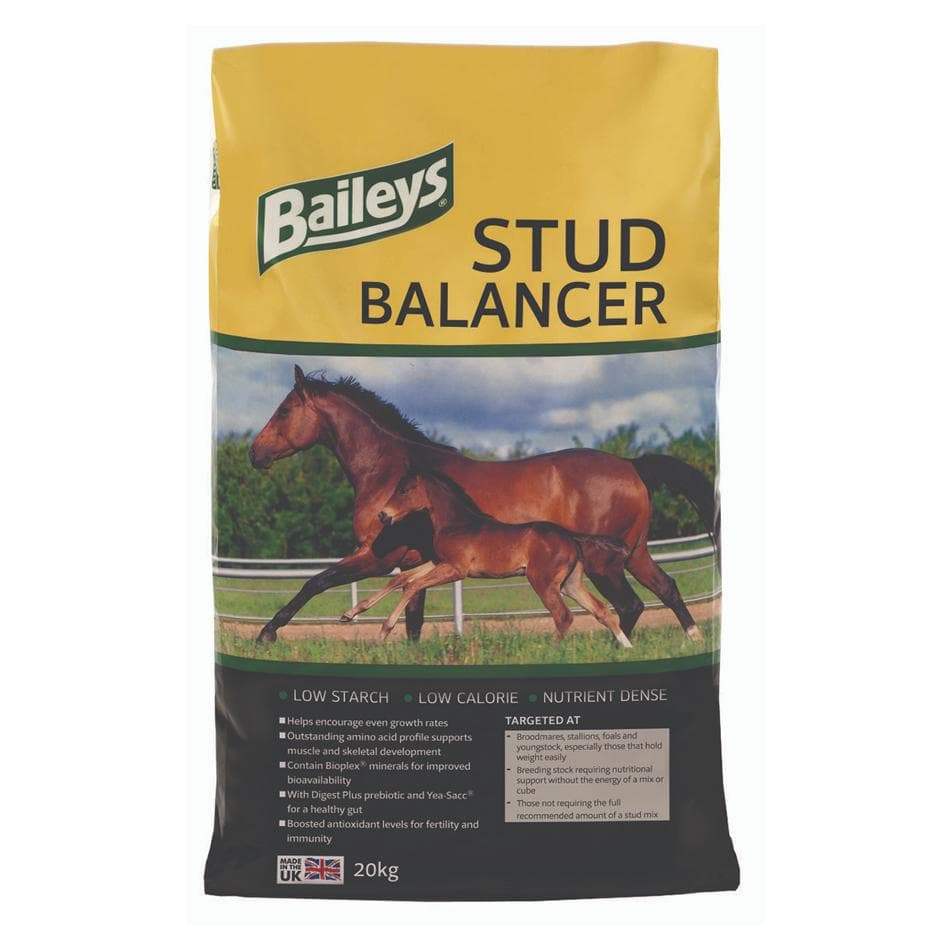
Dodson & Horrell Stud Balancer
Dodson & Horrell Stud Balancer earns a leader spot for breeders in the UK by delivering a stud‑focused amino acid and trace‑mineral profile that supports lactation and foal development more specifically than general balancers. Although it can be priced a little higher per tonne than some multi‑purpose balancers, its technical emphasis on key limiting nutrients (for example lysine and targeted trace elements) can reduce the need for extra supplements in a stud environment.
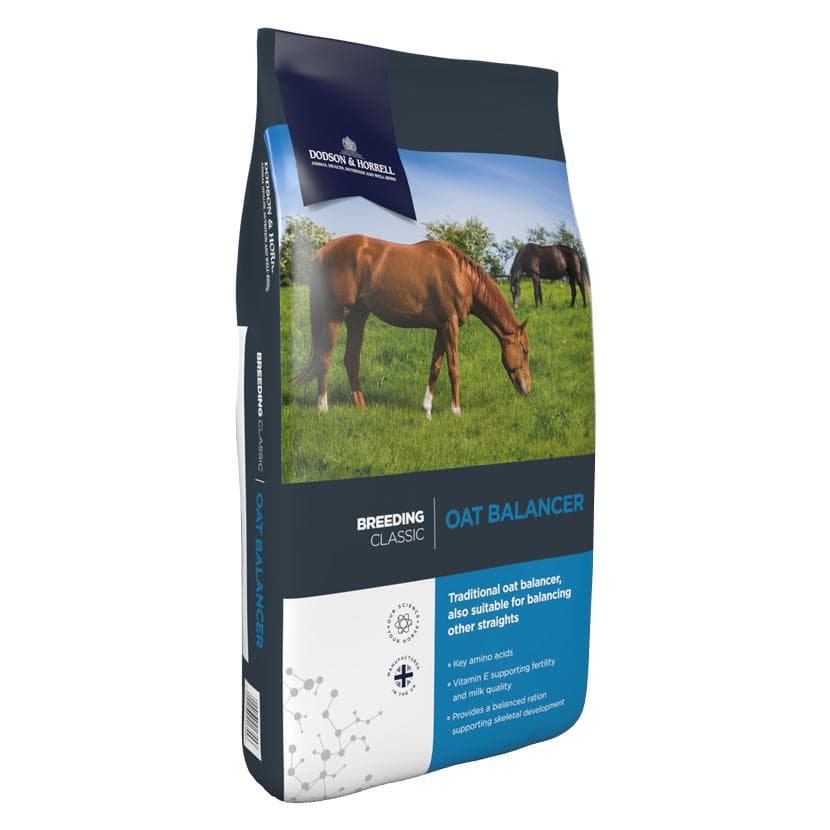
Allen & Page Fast Fibre
Allen & Page Fast Fibre is highlighted for adult maintenance and controlled‑energy programmes because it provides a low‑starch, fibrous cube that soaks quickly and suits horses needing weight management or gastric health support. Technically more concentrated and quicker to prepare than long‑stem forage like Dengie, it offers a cost‑efficient route to deliver consistent fibre and calories for adult horses while pairing well with balancers for foal and mare protocols.
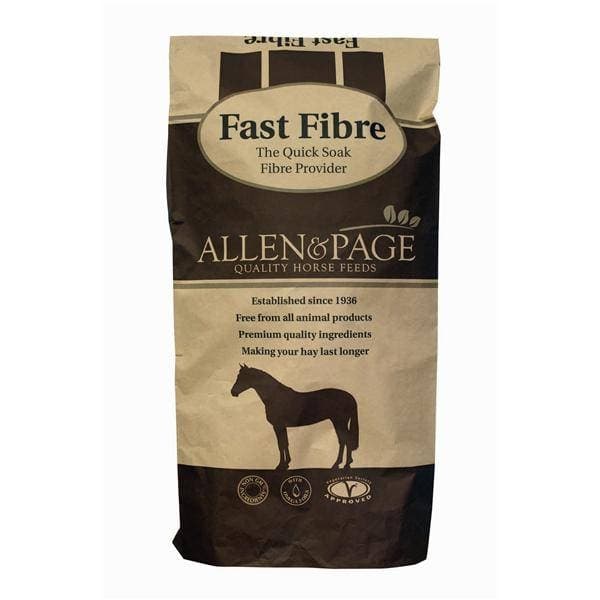
Dengie Alfa-A Molasses Free
Dengie Alfa‑A Molasses Free is the market leader for forage replacement and laminitis‑sensitive or senior horses, providing long‑stem alfalfa fibre with very low sugars and starches to protect metabolic and dental‑compromised animals. Its technical strength is in offering sustained, slow‑release energy and gut motility benefits that complement micronutrient balancers (rather than replacing them), making it an economical, low‑risk choice for long‑term management compared with higher‑calorie mixes.

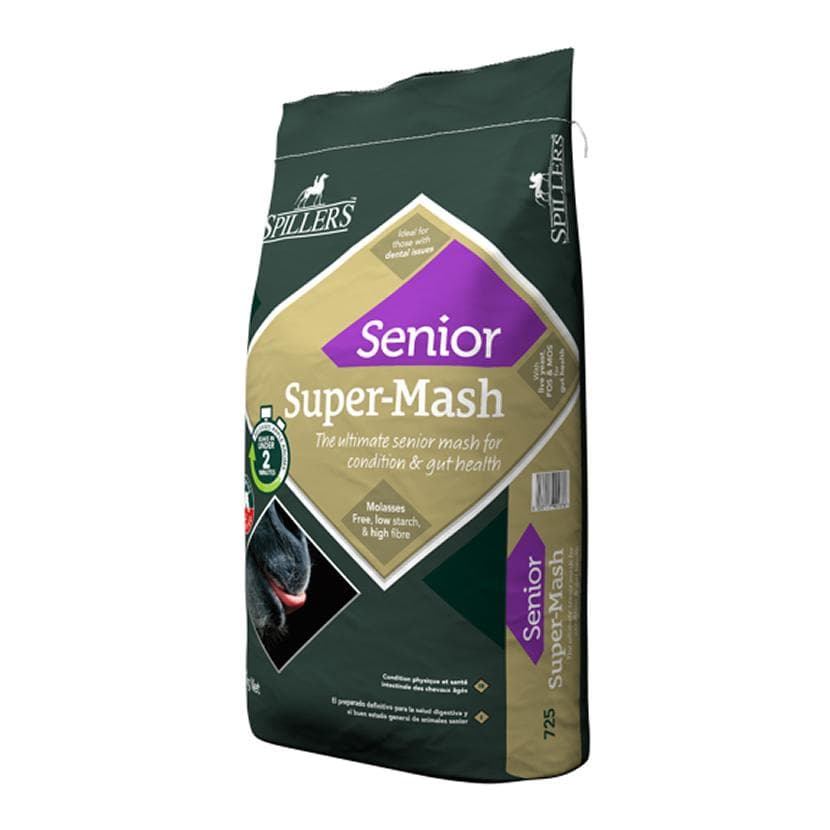
Spillers Senior Super Mash
Spillers Senior Super Mash stands out for senior care in the UK 2025 roundup as an instant, highly digestible mash that improves hydration, nutrient uptake and palatability for horses with poor dentition or appetite. While usually costing more per feed than plain chaff or basic cubes, its ease of feeding and rapid condition improvements can lower overall management and veterinary costs for older horses when compared with bulk long‑stem-only strategies.
These five feeds represent the pinnacle of life stage nutrition available to British horse owners. Each combines proven nutritional science with practical UK management considerations, offering solutions for growth, reproduction, daily maintenance and ageing. Quality ingredients, digestive support, and transparent labelling distinguish these options from generic alternatives.
What the Research and Industry Guidance Say
Equine nutritionists and animal science research have established core principles for life stage feeding that guide product formulation and selection. The National Research Council (NRC) nutrient guidelines remain a foundation for required levels of protein, energy and minerals across stages. Peer-reviewed studies and extension research emphasize balanced amino acid profiles and controlled energy for foal growth, higher energy and fiber digestibility for lactating mares, and low-starch, highly digestible sources for senior horses with compromised dentition or metabolic issues. Emerging evidence supports the use of prebiotics, probiotics and targeted fatty acids to improve gut health, immune function and coat condition across stages. For British conditions, attention to winter energy needs and forage variability is also recommended by regional extension services.
Nutrient targets: NRC recommendations provide stage-specific baselines for protein, energy and mineral balance that feeds should meet or exceed when appropriate.
Foal and yearling growth: Studies in the Journal of Animal Science show regulated energy and adequate amino acids reduce developmental orthopedic disease risks when growth is controlled.
Broodmare performance: Research indicates concentrates designed for gestation and lactation support milk yield and foal vigor when combined with good pasture and forage management.
Senior feeding strategies: Equine Veterinary Journal and extension literature recommend highly digestible fiber sources, smaller particle sizes and added digestive aids for older horses with tooth wear or reduced digestive efficiency.
Gut and metabolic health: Controlled-starch formulas and supplemental omega-3s, prebiotics, or probiotics are associated with improved insulin responses and gut microbial balance in at-risk or performance horses.
Regional practice: British extension resources advise ramping energy intake in winter and tailoring concentrate feeding to forage quality to maintain body condition without overfeeding.
Frequently Asked Questions
Which balancer is best for lactating mares and foals?
Baileys No.1 Original Balancer is best for lactating mares and growing foals because it’s a concentrated balancer formulated to provide vitamins, minerals and amino acids for lactating mares and growing foals, and it’s rated 4.6.
What does Baileys No.1 Original Balancer specifically provide?
Baileys No.1 Original Balancer is formulated to provide vitamins, minerals and amino acids, with a low-calorie, high-nutrient profile that helps maintain condition in easy keepers without excess starch; it’s rated 4.6.
How does Dodson & Horrell Stud Balancer compare price-wise?
No price information is provided for Dodson & Horrell Stud Balancer in the data, so I can’t compare value. What’s listed: it’s rated 4.5 and is specifically formulated for broodmares and foals with elevated important amino acids for growth and milk production.
Is Allen & Page Fast Fibre suitable for weight management horses?
Allen & Page Fast Fibre is suitable for weight management because it’s an extruded, high-fibre feed that provides digestible calories and fibre without high sugar, designed for adult maintenance and easy keepers; it’s rated 4.3. Warranty duration isn’t provided.
Conclusion
Navigating equine nutrition across different life stages requires both knowledge and flexibility. The five products reviewed here—Purina Omolene 300 Mare & Foal, Tribute Equine Nutrition Growth, Masterfeeds ProForma Senior, Brooks Enhancer, and Mad Barn Omneity Premix—each bring distinct advantages to different feeding scenarios. For owners prioritising science-backed formulation and growth optimisation, Tribute Equine Nutrition Growth emerges as an excellent primary choice, whilst Purina Omolene 300 Mare & Foal remains a dependable option for reproductive support and young stock development. Those managing older horses with changing digestion will find Masterfeeds ProForma Senior particularly beneficial, whilst Brooks Enhancer works exceptionally well for maintaining condition and performance. Mad Barn Omneity Premix suits owners seeking maximum flexibility and customisation. Your final choice should reflect your horse's individual requirements, your available forage quality, seasonal feeding patterns, and veterinary guidance. Consider consulting your equine nutritionist or vet before making significant feed changes, particularly when transitioning youngstock or managing metabolically sensitive horses. Use the detailed comparisons above to filter by life stage, price point, ingredient transparency and specific health considerations.