

Best Endurance and Stamina Feeds UK 2025 — Complete Buyer's Guide for Extended Performance & Fatigue Management
Endurance and stamina feeds for horses are formulated to deliver sustained, slow-release energy for long-distance work, eventing and prolonged training, without the digestive upset or excitability that can come from high-cereal, high-starch diets. The right choice depends on your horse's workload, temperament and metabolic status: fibre- and oil-based feeds release energy gradually and suit horses prone to gastric ulcers or laminitis, while cereal-based competition mixes provide faster-releasing carbohydrates to replenish muscle glycogen after hard work. Balancers add concentrated protein, vitamins and minerals in a small, low-calorie serving for horses that hold condition easily. UK feed brands such as Dengie, Dodson & Horrell, Baileys, Spillers and Allen & Page each take a distinct approach to fuelling stamina. This guide compares five widely available options so you can match feed type to your horse's specific endurance discipline, digestive tolerance and condition needs. Always introduce a new feed gradually and feed alongside ad-lib forage and free access to clean water; for working endurance horses, electrolyte replacement during and after exertion is also important.
Inception's AI took the time to understand this market in the UK · We may earn a commission on purchases. It never affects our rankings.
Top Picks Summary
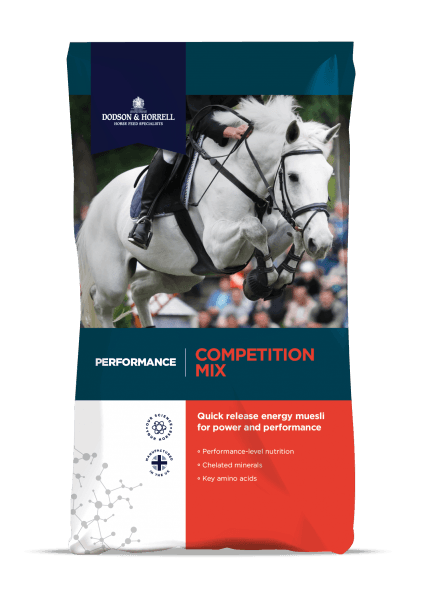
Dodson Horrell Competition Mix
Dodson & Horrell Competition Mix is a traditional cereal-based performance feed that supplies quicker-releasing energy from cooked cereals, with high electrolyte levels to help replenish muscle glycogen and hydration after hard work. It suits horses in regular hard or fast work that respond well to cereal energy, and is fortified with antioxidants, vitamins and minerals to support muscle, hoof, coat and immune function. For metabolic-prone or excitable horses, a lower-starch fibre feed may be a better fit.
Baileys No.19 Performance Cubes
Baileys No.19 Performance Balancer is a low-calorie, nutrient-dense balancer fed in a small daily serving (around 500g for a 500kg horse) rather than a bulk energy feed. It is low in starch and sugar but high in quality protein (around 26%), with boosted antioxidant vitamins and minerals plus a prebiotic and live yeast for gut health. It suits performance horses that hold condition easily or are prone to gastric ulcers, and is designed to balance a forage-based or low-concentrate diet rather than to provide bulk energy itself.
Where to buy Baileys No.19 Performance Cubes in UK: we track one retailer, eBay, and show the price we last observed there; the price you see at checkout may differ.
We may earn a commission on purchases. It never affects our rankings.
£25 – £40
Spillers Competition Conditioning Mix
Spillers Competition Conditioning Mix is formulated specifically to support stamina and conditioning with a blend of digestible fibre, oils and amino acids that helps sustain performance during prolonged work. It represents a middle-ground option on both price and performance—technically competitive with Dodson & Horrell for slow energy delivery but often incorporating beet pulp and oil combinations that give it an edge over more concentrated cube formats.

Allen & Page Fast Work Mix
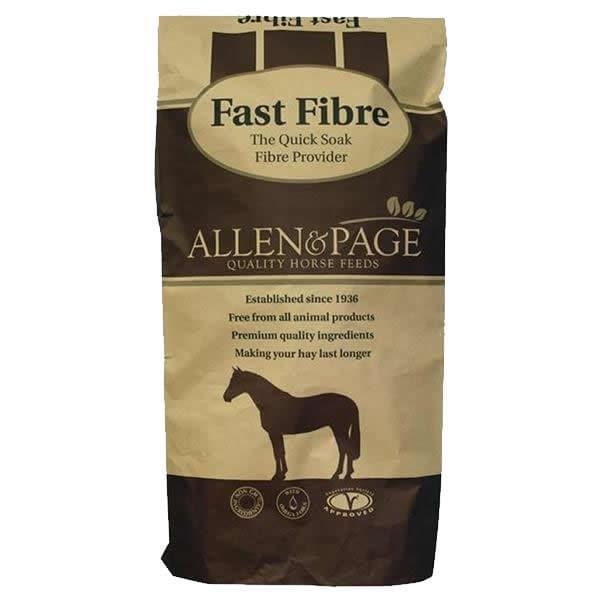
Allen & Page Fast Work Mix is targeted toward riders needing quicker-release energy for interval training and intense phases within an endurance programme, supplying readily available carbohydrates to support performance peaks. Although not ideal as a sole long-distance feed compared with slow-release options like Dengie or Dodson & Horrell, it is an economical, purpose-built choice when combined with forage-based slow energy sources for mixed training regimens.
Dengie Alfa-A Original
Dengie Alfa-A Original takes a forage-first approach using chopped alfalfa with a light molasses coating to provide slow-release, low-starch energy (around 2% starch), steady protein for muscle support and a high fibre content that supports gut health and reduces gastric risk. This makes it especially useful for endurance horses, including metabolic-prone individuals, and it lowers reliance on concentrates while pairing well with mixes, cubes or a balancer when extra energy is needed.

Where to buy Dengie Alfa-A Original in UK: we track one retailer, Dengie, and show the price we last observed there; the price you see at checkout may differ.
We may earn a commission on purchases. It never affects our rankings.
£18 – £30
The strongest endurance horse feeds match their energy source to the horse's workload: fibre and oil for slow-release, hindgut-friendly stamina, or cooked cereals for faster glycogen recovery after hard work. The best options pair this with quality protein for muscle support, added electrolytes, vitamins and antioxidants for recovery, and a low enough starch level to suit horses prone to gastric ulcers or metabolic issues, all from established UK brands with reliable availability.
Understanding Endurance and Stamina Feeds for Horses
Equine endurance feeds work by matching the energy source to the horse's workload and digestive health. Fibre and oil provide slow-release, 'cool' energy that is metabolised steadily and is gentler on the hindgut, making it well suited to long, sustained efforts and to horses prone to gastric ulcers, laminitis or excitability. Cereal-based mixes and cubes supply faster-releasing starch and sugar to top up muscle glycogen for harder, shorter bursts of work. Low non-structural carbohydrate (NSC) feeds suit metabolic or insulin-sensitive horses. Protein and key amino acids support muscle repair and topline, while added vitamins, minerals and antioxidants help offset the oxidative stress of prolonged exercise. Whatever the feed, forage should form the foundation of the diet, changes should be introduced gradually over 7 to 14 days, and working horses need electrolytes to replace those lost in sweat.
Fibre and oil deliver slow-release energy that suits long-distance work and ulcer- or laminitis-prone horses
Cereal-based competition mixes provide faster-releasing starch to replenish muscle glycogen after hard work
Low-NSC (low starch and sugar) feeds suit metabolic or insulin-sensitive horses
Balancers supply concentrated protein, vitamins and minerals in a small, low-calorie serving for good-doers
Quality protein and amino acids support muscle repair, topline and stamina
Introduce any new feed gradually over 7 to 14 days to protect the hindgut
Feed alongside ad-lib forage and constant access to clean water
Replace electrolytes lost in sweat during and after sustained or hot-weather work
Frequently Asked Questions
What type of feed is best for an endurance horse?
For long-distance, sustained work, fibre- and oil-based feeds (such as alfalfa-based feeds) are usually best because they release energy slowly, are gentler on the hindgut and suit horses prone to gastric ulcers or laminitis. Cereal-based competition mixes provide faster-releasing energy that can be added to replenish muscle glycogen after hard work.
What is the difference between a performance mix, performance cubes and a balancer?
A performance mix or cube is a calorie-providing feed fed in larger amounts to fuel work. A balancer, such as Baileys No.19 Performance Balancer, is fed in a small daily serving and is low in calories but concentrated in protein, vitamins and minerals, making it suitable for horses that already hold condition well but still need a balanced performance diet.
Are low-starch feeds suitable for endurance horses?
Yes. Low non-structural carbohydrate (low starch and sugar) feeds based on fibre and oil suit endurance horses, and are especially useful for horses prone to gastric ulcers, laminitis or excitability, because they avoid the blood-sugar spikes associated with high-cereal diets.
Do endurance horses need electrolytes as well as feed?
Yes. Horses lose significant electrolytes (sodium, potassium, chloride, magnesium and calcium) in sweat during sustained or hot-weather work. These should be replaced with a dedicated electrolyte supplement alongside the feed, with constant access to clean water, to support hydration and prevent cramping or fatigue.
Conclusion
Choosing an endurance and stamina feed comes down to your horse's workload, temperament and metabolic status. The five feeds in this guide cover the main approaches: Dengie Alfa-A Original takes a forage-first, low-starch route well suited to metabolic-prone or ulcer-sensitive horses; Dodson & Horrell Competition Mix is a traditional cereal-based mix providing quicker-releasing energy and high electrolyte levels for glycogen recovery after hard work; Baileys No.19 Performance Balancer adds concentrated protein, vitamins and minerals in a small, low-calorie serving for horses that hold condition easily; Spillers Competition Conditioning Mix combines fibre, oil and quality protein for stamina and condition during intensive training; and Allen & Page offers a non-GM option for harder work. For most endurance horses, a fibre- and oil-based feed such as Dengie Alfa-A Original gives steady, digestible-safe energy, while cereal mixes or a balancer can be added where extra fast energy or condition is needed. Introduce any feed gradually, keep forage as the foundation of the diet, and provide electrolytes for sustained or hot-weather work. Use the site's search to compare other conditioning and low-glycaemic performance feeds for your horse's specific needs.