

Premium Hunter Saddles for British Equestrians 2025 — In-Depth Comparison of Antares, CWD, Butet, Devoucoux & Stackhouse Models
Finding the right hunter saddle for British competition demands more than aesthetic appeal—it requires understanding how European craftsmanship aligns with traditional British riding principles and your horse's individual conformation. Today's discerning UK equestrians seek saddles that deliver the refined elegance essential for hunter classes whilst maintaining the security and communication crucial for consistent performance at affiliated shows. Whether you're preparing for county-level competition or aspiring towards regional championships, the interplay between saddle geometry, tree flexibility, and long-term durability becomes increasingly important. British riders traditionally favour saddles that honour the classical hunter position—emphasising a deep, secure seat that enables subtle aids and allows horses to round through the back naturally. This year's market reflects growing demand for bespoke fitting solutions, transparent pricing structures, and direct access to qualified saddle fitters throughout the UK. The five saddles examined here represent different approaches to achieving these goals, each with distinct advantages depending on your riding discipline, budget constraints, and horse's individual needs. From entry-level investment pieces to premium bespoke options, understanding the nuances between these models will help you make an informed decision that combines British riding tradition with modern performance standards.
Inception's AI took the time to understand this market in the UK · · How we pickWe may earn a commission on purchases. It never affects our rankings.
Top Picks Summary
Antares Sellier Hunter
Antares Sellier's Hunter is a French-made, ring-focused saddle prized for its balanced seat and thoughtful hunter-specific paneling, making it a top pick for UK 2025 show riders who need immediate ring-ready performance. It strikes a strong value-to-performance balance—offering extensive customization and reliable fit while generally undercutting the ultra-premium price of rivals like CWD and delivering a more contemporary fit than some classic makers on this list.

Estimated£3,500 – £5,500
CWD Hunter/Jumper Saddle
CWD remains the market leader for riders seeking cutting-edge panel systems and precision fit, and its Hunter/Jumper models are routinely chosen by professionals in the UK 2025 show circuit for uncompromising performance. Though typically the most expensive option here, CWD's technical innovations, strong resale value and high-level rider endorsement justify the premium when compared to more traditionally finished or lower-cost alternatives.
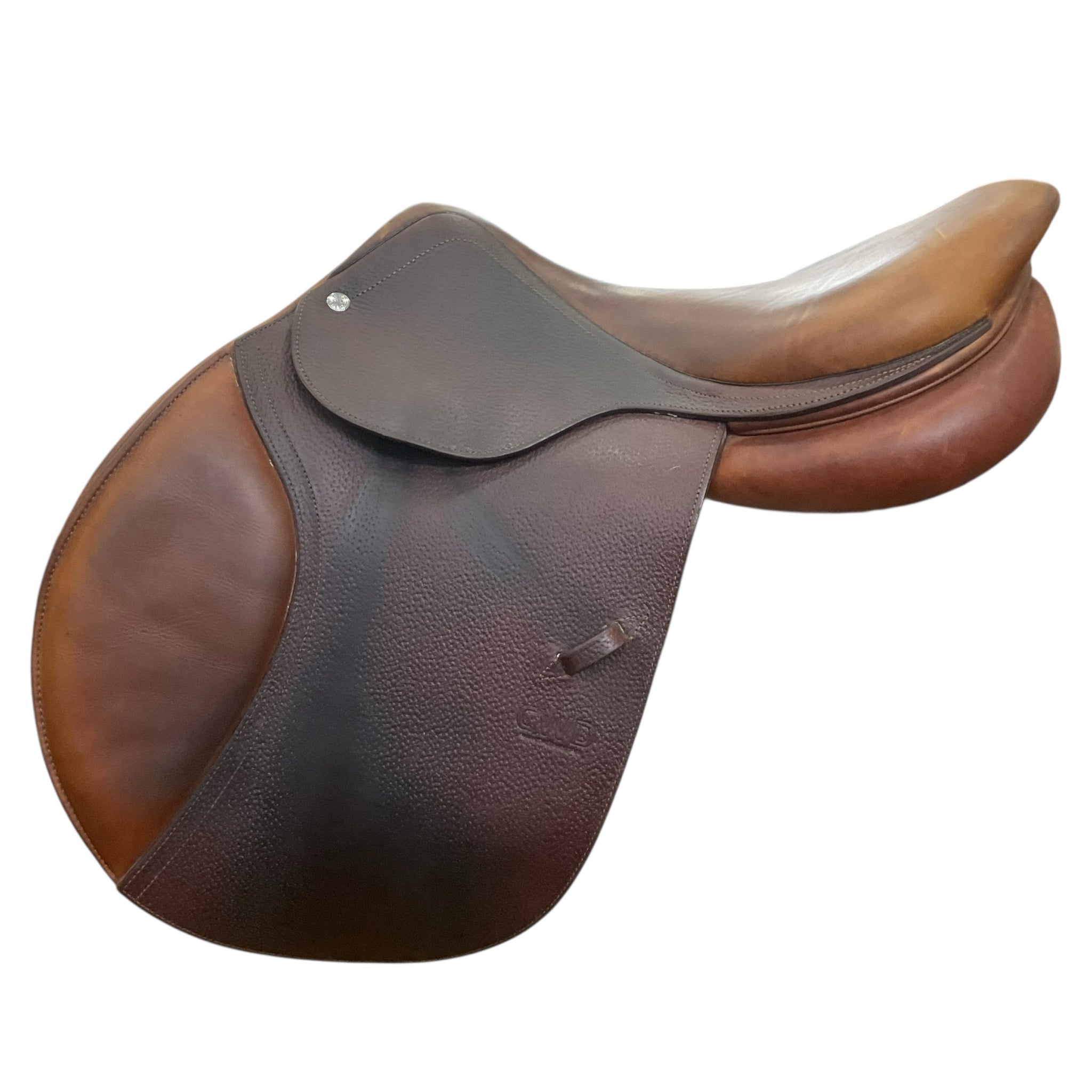
Estimated£3,800 – £5,800
Butet Hunter Saddle
Butet's Hunter saddle is a handcrafted French classic celebrated for its luxuriously soft leather and close-contact feel that appeals to judges and riders aiming for polished ring presentation in the UK 2025 season. While often positioned at a similar prestige level to CWD, Butet stands out for its timeless workmanship and tactile ride—trading some of CWD's high-tech features for superior leather quality and an immediately supple feel that supports long-term resale value.
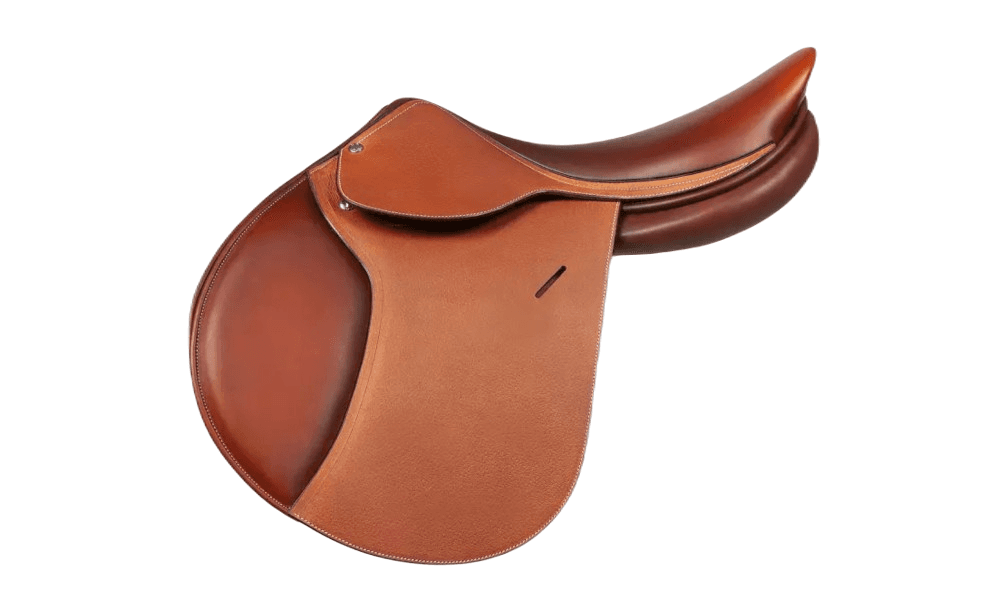
Estimated£3,000 – £4,500
Devoucoux Makila Hunter
The Devoucoux Makila Hunter combines an anatomical tree and adaptable paneling to prioritise horse comfort and consistent balance, making it a smart, performance-driven choice for UK shows in 2025. It occupies a middle ground in this lineup: more technically focused than traditional handbuilt saddles, yet often more accessible in price than the very top-tier CWD models, delivering durable construction and a horse-friendly fit favored by sport riders.
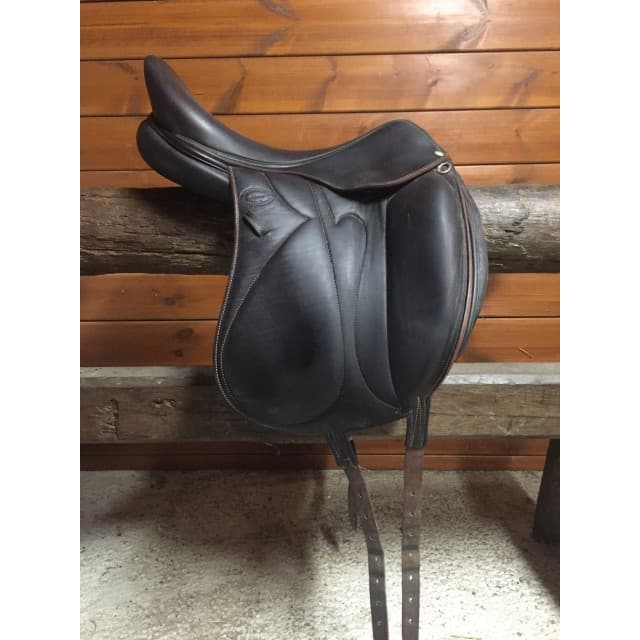
Estimated£3,200 – £5,200
Stackhouse English Hunter Saddle
Stackhouse offers a British-made English Hunter designed with UK ring realities in mind—bespoke fitting, practical design choices and local aftercare that make it especially attractive to UK-based competitors in 2025. Typically more budget-friendly than the French luxury houses while still delivering custom options and reliable performance, Stackhouse is a compelling alternative for riders seeking a tailored, service-oriented solution without the highest-end premium.

Estimated£2,400 – £4,000
These five saddles represent the pinnacle of British and European hunter saddle engineering, each combining traditional craftsmanship with modern materials science. Key distinguishing factors include tree adaptability for diverse horse conformations, heritage brand credentials spanning decades of show-ring success, premium leather specifications suited to Britain's changeable climate, and accessible after-sales support networks throughout the UK.
Understanding Hunter Saddle Selection for British Riders
Choosing a hunter saddle involves evaluating multiple interconnected factors beyond simple size or price considerations. British riding traditions emphasise classical principles that have proven effective across generations, yet modern saddle design incorporates contemporary ergonomic research and material innovations.
Tree types vary significantly—narrow, medium, and wide options accommodate different horse shoulder angles and barrel widths, essential for optimal weight distribution and comfort
Flap geometry affects leg position; forward-cut flaps suit more athletic jumping whilst traditional flaps support the classical upright hunter position
Leather quality directly impacts durability in Britain's wet climate; premium vegetable-tanned options age beautifully and withstand intensive conditioning routines
Monoflap versus traditional designs influence balance and aesthetic presentation, with traditional designs remaining predominant in hunter classes
Adjustable flocking systems permit precise customisation as horses' backs change seasonally or through varied training schedules
Resale value considerations matter significantly; established European brands retain stronger secondary market demand throughout the UK
Professional fitting services ensure proper positioning relative to your horse's withers, preventing saddle-related soreness and movement restrictions
Budget stratification ranges from accessible investment models through premium bespoke options; more expensive doesn't automatically mean better for your specific requirements
Frequently Asked Questions
Which saddle should I buy for UK hunter shows?
Choose the Antares Sellier Hunter if you want ring-ready, close-contact performance with customisable flocking and panel options, and an average rating of 4.7.
What feature helps shoulder freedom and balance in Antares?
The Antares Sellier Hunter uses a close-contact French tree designed for ideal shoulder freedom and even rider position over fences, with an average rating of 4.7.
Is CWD Hunter/Jumper worth its higher price for fittings?
The CWD Hunter/Jumper Saddle is described as the most expensive option here and includes advanced flocking and bespoke fitting services, with an average rating of 4.8.
Does Butet Hunter suit horses needing traditional shoulder freedom?
Butet Hunter Saddle offers traditional flocked panels and careful tree shaping aimed at good shoulder freedom and horse comfort, and it has an average rating of 4.6.
Conclusion
Selecting amongst these five respected saddle options needn't feel overwhelming when you understand what each manufacturer prioritises. The CWD 2Gs Mademoiselle Hunter Saddle emerges as the most versatile choice for UK riders seeking reliable dealer support, numerous tree configurations, and consistent performance across varied British venues—from indoor arenas during winter months to outdoor summer shows. However, if budget constraints are paramount, or if you prefer Italian craftsmanship, alternative options merit serious consideration. The Stackhouse Hunter Pro represents particularly strong value, whilst the Butet Premium Gold and Devoucoux Biarritz O each offer distinctive European perspectives on hunter saddle design. Before committing to any purchase, arrange a professional fitting appointment with an established UK-based saddle fitter who can assess your horse's back shape and movement patterns. Consider hiring a saddle on trial before buying, as this minimises financial risk and ensures compatibility. Visit regional saddle shops or enquire with your local riding club for personalised recommendations and hands-on evaluations. Whether you ultimately choose one of these five models or explore alternatives, prioritise proper fit above brand prestige—a well-fitted saddle transforms your riding experience and benefits your horse's long-term comfort and performance.