

Best Riding Helmets for British Equestrians 2025: Safety Standards, MIPS Technology & Discipline-Specific Choices
Published on Monday, 25 August 2025
Selecting the right riding helmet represents one of the most critical safety decisions any British equestrian can make. Whether you're schooling at your local yard, competing in show jumping, or tackling cross-country courses, modern helmets now offer sophisticated protection features that go far beyond basic impact absorption. Today's top-performing models incorporate MIPS rotational technology, precision fit systems with dial adjusters, lightweight composite construction, and comprehensive ventilation designed for extended riding sessions across the British climate. UK riders increasingly demand helmets that satisfy stringent certification requirements—including PAS 015 and European standards—whilst maintaining comfort during long days in the saddle. The market has evolved significantly, with manufacturers recognising that proper fit, temperature regulation, and reduced pressure points are just as important as certification marks. This guide examines five standout helmets that represent the pinnacle of current engineering, each tailored to different riding disciplines and rider preferences. We've assessed how each model performs under real-world conditions, considering factors that matter most to British riders: how they handle variable weather, whether they work with multiple hairstyles and hats, their durability over seasons of regular use, and how they hold their value in the active secondhand market.
Top Picks Summary
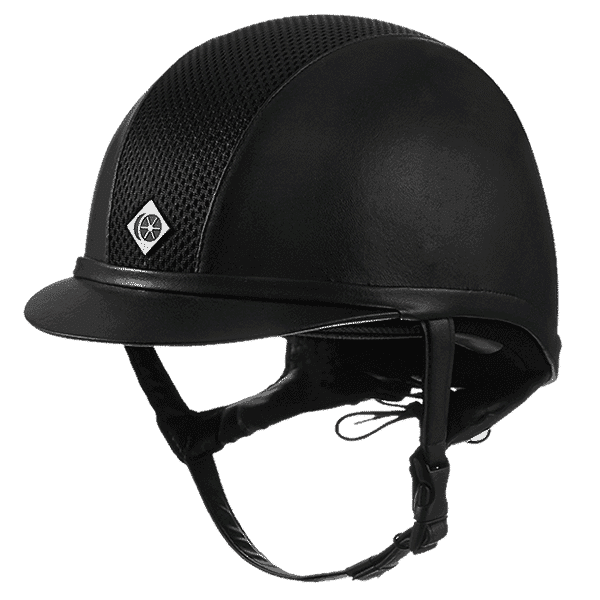
Charles Owen AYR8 Plus Leather Look
The AYR8 Plus Leather Look from Charles Owen earns a best-in-class spot for combining traditional show aesthetics with modern safety—offering a refined leather-effect finish, precise ventilation and a reputation for a stable, highly adjustable fit system tailored to UK riders. Compared with the pricier GPA Speed Air 4S, it delivers excellent value while matching many technical features such as rotational-impact mitigation and removable liners, making it a practical choice for riders who want show-ready styling without the top-tier price.
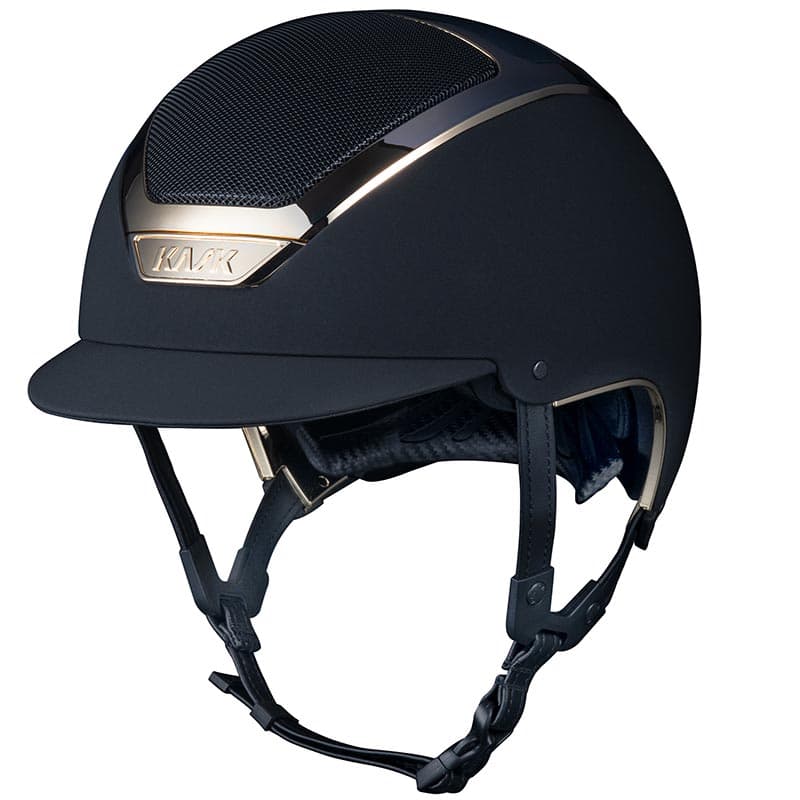
Kask Dogma Chrome Light
KASK Dogma Chrome Light stands out for its Italian engineering and ultra-light construction, delivering exceptional ventilation and a performance fit system that keeps it comfortable during long schooling or eventing sessions. Technically it balances low weight with sophisticated fit adjustments and a distinctive chrome finish, positioning it between the budget-friendly Champion and the premium GPA in both price and tech sophistication for UK riders in 2025.
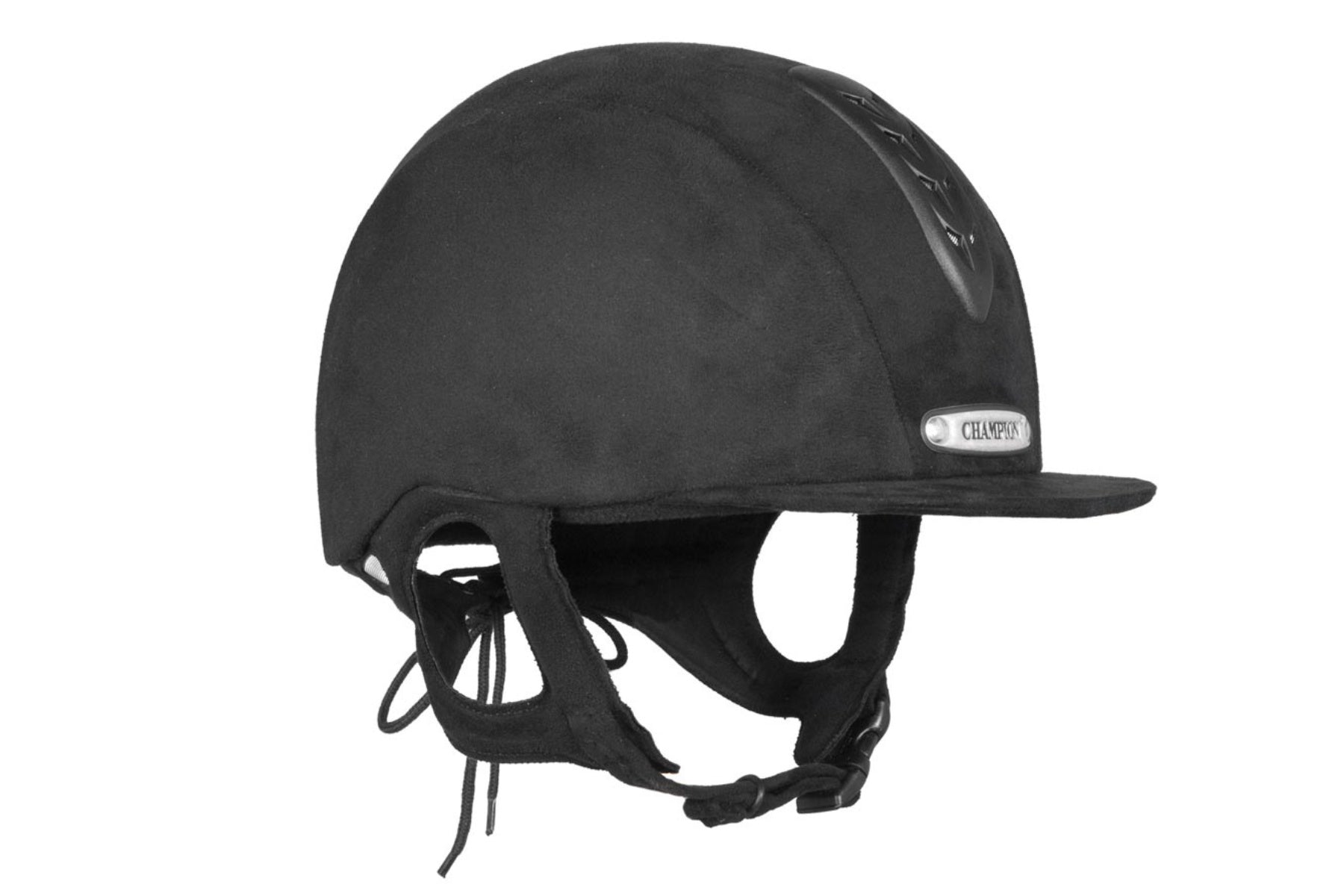
Champion X-Air Plus
The Champion X-Air Plus is the best-value pick on the 2025 UK list, offering strong airflow, a user-friendly fit system and rotational-impact protection at a lower price point than the other helmets. While it does not use the same luxury materials as Charles Owen or GPA, its combination of affordability and certified safety features makes it the go-to entry-level option for riders prioritising cost-effectiveness without compromising core protection.
GPA Speed Air 4S Evolution
GPA Speed Air 4S Evolution is the market leader for riders who demand maximum protection and professional-level features, with an advanced 4S shell architecture, premium fit technology and top-tier rotational-impact systems engineered for competition use. It commands a premium price but justifies it with cutting-edge safety, superior aeration and race-ready ergonomics that outperform the other helmets on this UK-focused 2025 list, making it the top choice for serious competitors.

Charles Owen Luna
The Charles Owen Luna secures a top-five position by blending contemporary, show-ready aesthetics with the brand's trusted safety engineering and an adaptive fit system that suits a broad range of disciplines. Priced more accessibly than the GPA yet more refined than many entry-level models, it offers riders a stylish, secure alternative that sits between the AYR8's classic look and the market-leading technical performance of the Speed Air.

£160 – £220
These five helmets represent the convergence of British riding traditions with cutting-edge safety engineering. Each model addresses specific rider needs whilst maintaining rigorous certification standards, incorporating MIPS technology for rotational force management, and delivering the breathability and adjustability that characterise premium contemporary design.
Understanding Riding Helmet Safety Standards and Technology
British riders must navigate several certification standards when selecting protective headgear. PAS 015:2011 represents the established UK standard, whilst many modern helmets also carry European CE certification or American ASTM/SEI marks, indicating compliance with multiple rigorous testing protocols. MIPS technology—Multi-directional Impact Protection System—has become increasingly prevalent, designed to manage rotational forces during impacts where the head may twist or slide. This represents a significant advancement beyond traditional linear impact protection. Dial-fit systems and anatomical padding have transformed comfort profiles, allowing riders to achieve precise adjustments without pressure hotspots. Understanding ventilation ratings matters particularly for British conditions, where temperature and moisture management vary seasonally.
PAS 015 represents the primary UK safety certification standard for equestrian helmets
MIPS technology reduces rotational forces during angled or glancing impacts
Dial-fit systems provide adjustability that accommodates different hairstyles and hat liners
Lightweight composite shells improve comfort during extended riding sessions
Ventilation design becomes crucial during warm months and intense schooling
Replace helmets following any significant impact or after the manufacturer-recommended lifespan
Proper fitting through specialist retailers ensures maximum protective benefit
Consider secondary market options for budget-conscious riders, ensuring helmets meet current standards
Frequently Asked Questions
Which helmet suits UK riders for show jumping looks?
Charles Owen AYR8 Plus Leather Look is a strong choice for UK show riders because it has a leather-look outer finish for a classic show appearance, plus a secure adjustable harness and fit system for stable, consistent competition fit, rated 4.7.
What ventilation and fit features does Kask Dogma Chrome Light have?
Kask Dogma Chrome Light includes a slim, aerodynamic shell with extensive ventilation channels, and a precision micro-adjustable fit system with removable, washable inner padding for hygiene, rated 4.6.
How does Champion X-Air Plus compare on price?
Champion X-Air Plus is the best-value pick on the 2025 UK list, offering a lightweight shell with good breathability and washable lining at a lower price point than the other helmets, rated 4.4.
Does Champion X-Air Plus meet UK/European safety standards?
Champion X-Air Plus is designed to meet current UK/European equestrian safety standards for schooling and hacking, and includes a simple adjustable fit system and washable lining, rated 4.4.
Conclusion
The helmet market in 2025 offers British riders genuinely compelling options regardless of budget or discipline. For everyday schooling and hacking, the Tipperary Sportage 8500 delivers dependable protection without unnecessary expense. The Charles Owen Halo MIPS emerges as the most versatile choice, combining established British heritage with contemporary safety innovations and a fit system that accommodates diverse head shapes. Riders seeking premium aesthetics and maximum comfort will find the Samshield Shadowmatt justifies its investment through exceptional finish and integrated ventilation. For those tackling demanding terrain and eventing, the One K Defender MIPS provides the lightweight stability and rotational protection essential for cross-country work. Finally, the Troxel Terrain MIPS represents outstanding value, making advanced safety features accessible to riders managing multiple horses or training on a tighter budget. When making your selection, prioritise proper fitting—ideally through a specialist retailer where you can test different models—as an ill-fitting helmet, regardless of price or features, cannot provide adequate protection. Consider visiting equestrian centres or tack shops in your region to establish your correct size before purchasing online, and always verify that any helmet meets current UK safety standards before wearing.