

Essential Lighting Solutions for Equestrian Facilities and Agricultural Barns Across the UK — Comprehensive 2025 Guide to Moisture-Resistant LED Fixtures, Energy Efficiency and Connected Smart Technology
Published on Monday, 25 August 2025
Selecting appropriate lighting for British stables and agricultural buildings requires careful consideration of moisture exposure, durability standards and operational efficiency. This guide examines five premier lighting solutions engineered to withstand humid rural environments whilst delivering reliable illumination for horse care, feed storage and working areas. UK stable owners increasingly demand fixtures that combine robust construction with modern LED technology, ensuring both animal wellbeing through consistent light quality and substantial reductions in electricity consumption. Contemporary installations benefit from weather-sealed designs that resist corrosion from ammonia vapours and moisture ingress—critical factors in British maritime climates. Beyond basic illumination, today's farm managers seek integrated systems offering occupancy detection, scheduled programming and connectivity with existing building management infrastructure. This buyer's guide explores five proven options representing different performance tiers and feature sets, helping you identify the most suitable solution for your facility's specific requirements, budget constraints and technical infrastructure.
Top Picks Summary
Ansell Guardian LED Bulkhead Vapour Proof Light
The Ansell Guardian LED Bulkhead Vapour Proof Light earns its place as a barn-specific bulkhead solution thanks to a rugged IP65/IP66 body, diffuser designed to resist ammonia and dust, and a wide-beam output that reduces the number of fittings needed in stable corridors. Compared with the batten-style options on this list it offers a compact, impact-resistant form ideal for low-ceiling doorway and aisle applications, delivering good lifecycle costs for owners who prioritise durability and minimal maintenance in harsh stable environments. Its straightforward wiring and proven reliability make it a cost-effective choice where smart controls are secondary to proven vaporproof performance.
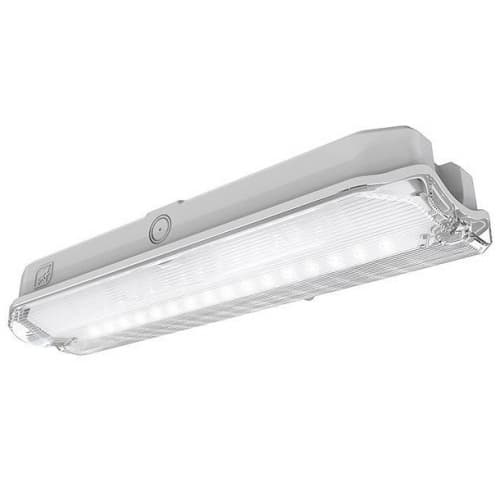
Luceco LuxPak LED Batten with Emergency Backup
The Luceco LuxPak LED Batten with Emergency Backup stands out by combining energy-saving LED performance with a certified integral emergency module, giving stables continuous safe egress lighting during outages and helping facilities meet safety regulations without separate emergency fittings. Financially it reduces total installed cost versus buying separate emergency units and offers peace of mind for equine operations where sudden power loss can risk animal welfare; technically it complements the other vapourproof options by adding mandatory emergency capability. For barns requiring both general illumination and emergency compliance, LuxPak is the pragmatic, regulation-aware choice.
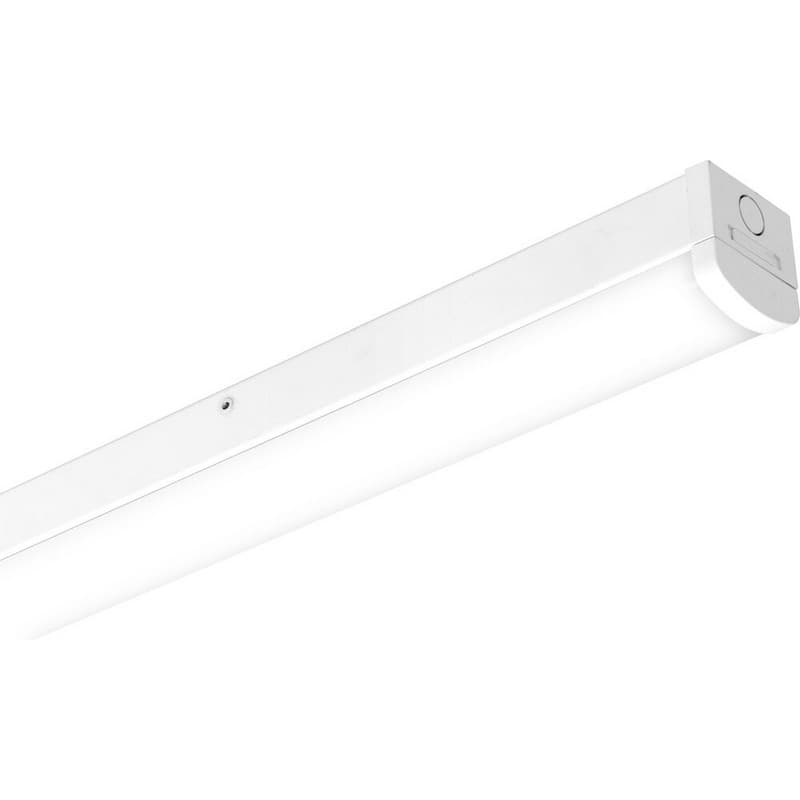
Collingwood VPR LED Vapour Proof Linear Fitting
The Collingwood VPR LED Vapour Proof Linear Fitting is the market leader for linear high-output performance, delivering superior lumens per metre and IP69 resistance that makes it ideal for washdown zones and high-dust stable aisles. Its strong lumen efficacy typically lowers running costs compared with bulkier bulkheads and budget battens, giving excellent energy payback for larger stables or feed bays where continuous lighting is required. While it lacks built-in emergency backup in some SKUs, its long-life LED engine and competitive pricing make it the best choice for operators prioritising brightness and low running costs.
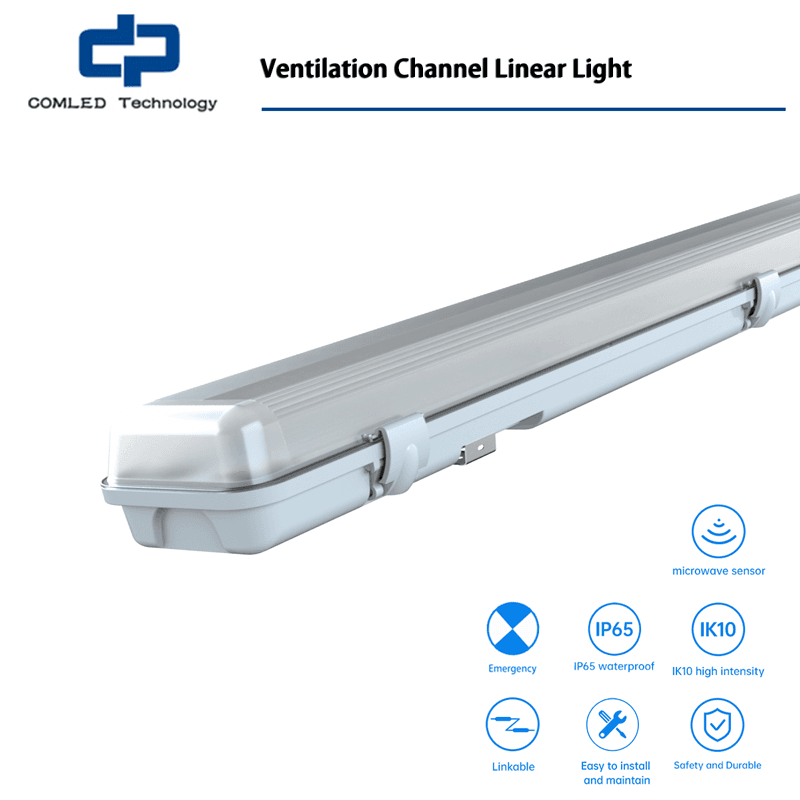
Aurora Slim-Fit Pro LED Batten IP65
The Aurora Slim-Fit Pro LED Batten IP65 wins on ease-of-install and smart-ready options, offering a slim profile, integrated dimming/remote-control versions and compatibility with lighting controls popular in modern UK farms. Compared with the heavier-duty vapourproof fittings here, Aurora strikes a balance between modern controls, straightforward retrofit installation and lower upfront cost, making it attractive for stables adopting energy management or sensor-based schedules. Its technical advantage is smart control integration, allowing operators to cut energy spend through dimming and scheduling where permitted.
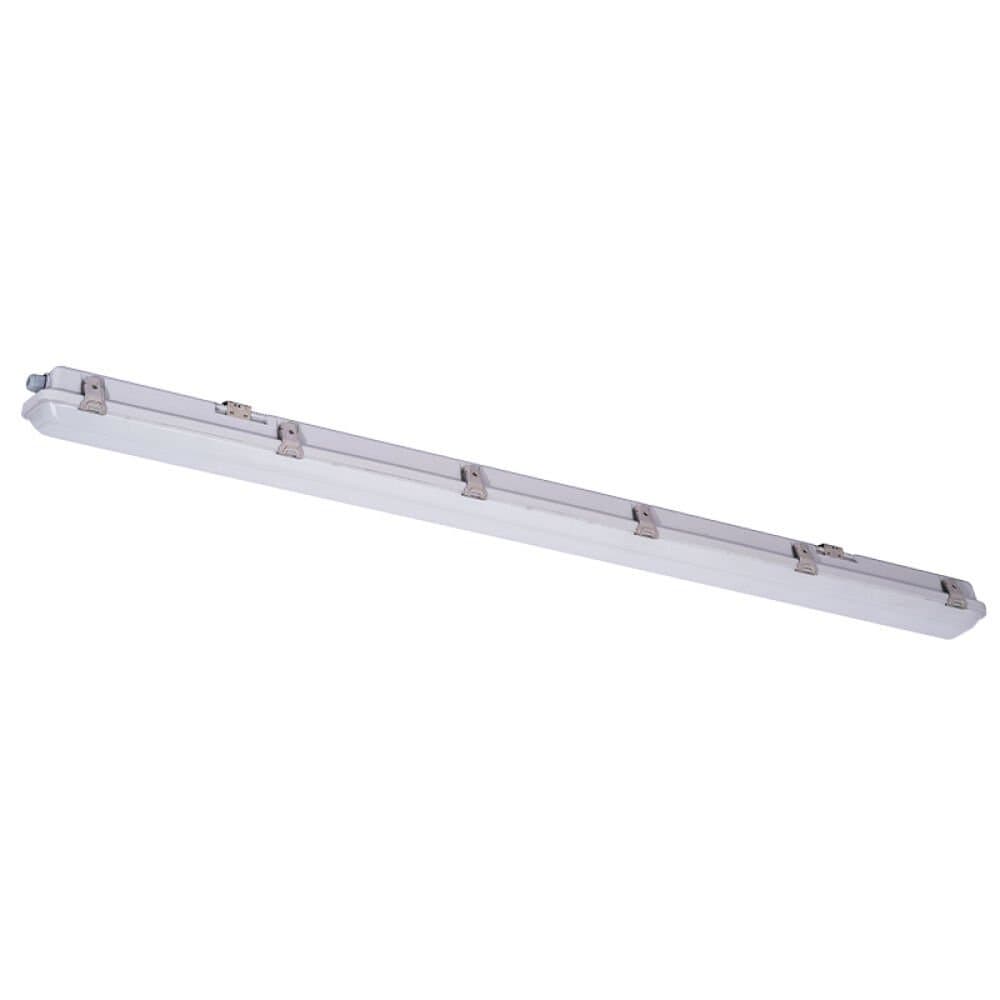
Integral LED Tough Shell Plus Vapourproof Batten
The Integral LED Tough Shell Plus Vapourproof Batten is positioned as the heavy-duty, value-packed option with enhanced polycarbonate housing, long warranty and good IP66 protection that withstands knocks, ammonia and regular washdown common in stables. It competes strongly on total cost of ownership versus premium metal fittings by combining robust materials, reliable driver technology and attractive lifetime guarantees, making it a solid financial choice for large barns needing many fittings. While not always the highest-lumen option, its balance of toughness, warranty and sensible pricing makes it ideal for busy equine environments.
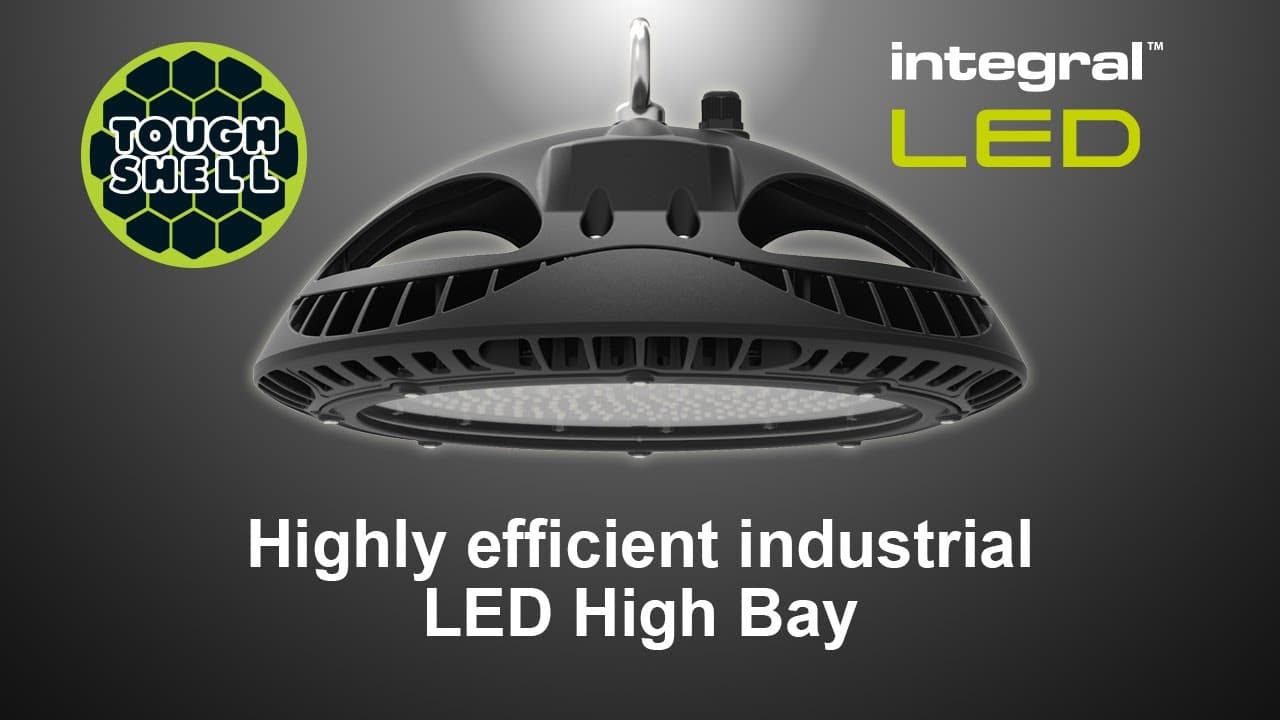
These five lighting solutions represent the pinnacle of agricultural illumination technology, each engineered specifically for the demanding conditions typical of British equestrian and farming facilities. They prioritise moisture resistance, energy conservation, animal welfare considerations and ease of professional installation whilst offering modern features like remote scheduling and motion-activated controls.
Understanding Barn Lighting Requirements and Selection Criteria
Selecting appropriate fixtures for agricultural facilities involves understanding several interconnected technical and practical considerations specific to British building standards and rural environments. Moisture resistance ratings, electrical compliance certifications, light quality metrics and control integration capabilities all influence long-term operational success and total ownership costs.
Vaporproof and moisture-sealed construction protects against corrosion from ammonia vapours, condensation and humidity fluctuations common in British stables and barns
LED technology provides 70-80% energy reduction compared to traditional incandescent or fluorescent alternatives, significantly lowering operational costs over multi-year periods
Colour temperature and spectrum selection influence animal behaviour, feeding efficiency and overall wellbeing—daylight-simulating options (4000-5000K) are increasingly preferred in modern equestrian facilities
Motion sensors and occupancy detection reduce unnecessary consumption in intermittently-used areas like tack rooms, feed storage and wash bays
Smart controls enable remote scheduling, integration with ventilation systems and data logging for energy management and facility optimisation
Installation compatibility with existing wiring infrastructure, ceiling materials and structural configurations determines retrofit feasibility and labour costs
Compliance with current UK Building Regulations Part P (electrical safety) and relevant IP/NEMA ratings ensures legal compliance and insurance validity
Warranty coverage, available spare parts and local service provider networks affect long-term maintenance accessibility and repair costs
Frequently Asked Questions
Which is best for humid stable corridors needing vapourproof lighting?
Choose the Collingwood VPR LED Vapour Proof Linear Fitting for harsh barn and yard conditions, with a heavy-duty IP66/67-rated linear design and high-output linear performance rated 4.5.
Does the Ansell Guardian LED Bulkhead Vapour Proof Light resist ammonia and dust?
Yes—the Ansell Guardian LED Bulkhead Vapour Proof Light has a rugged IP65/IP66 vapourproof design plus a robust polycarbonate diffuser designed to resist ammonia and dust, rated 4.4.
Is the Luceco LuxPak LED Batten better value than separate emergency units?
The Luceco LuxPak LED Batten with Emergency Backup includes an integral emergency battery option providing several hours of maintained or non-maintained emergency lighting, rated 4.3.
What’s covered under warranty for the Collingwood VPR LED vapour proof fitting?
Warranty duration isn’t provided for the Collingwood VPR LED Vapour Proof Linear Fitting in the available product details.
Conclusion
British agricultural facilities demand lighting solutions that balance reliability, compliance and operating economy in challenging environments. The five fixtures reviewed—RAB Lighting VXLED26DG Vaporproof LED, Lithonia Lighting TWR2 LED Vapor Tight, Big Ass Fans Evaporcool LED High Bay, Metalux HBLED Series High Bay LED, and Cooper Lighting Solutions Corelite Wavestream LED—represent the current market's strongest performers across various installation contexts. For most traditional British stables prioritising proven durability and straightforward installation, the RAB Lighting VXLED26DG delivers exceptional value through its robust vaporproof construction and minimal maintenance demands. Budget-conscious facility managers undertaking retrofit projects will find the Lithonia Lighting TWR2 LED Vapor Tight offers compelling economy without sacrificing essential protective features. Operations seeking integrated climate management alongside superior illumination should evaluate the Big Ass Fans Evaporcool LED High Bay, whilst those requiring maximum light output across expansive barns will appreciate the Metalux HBLED Series High Bay LED's engineering. For forward-thinking establishments wanting comprehensive networked controls and advanced light spectrum management, the Cooper Lighting Solutions Corelite Wavestream LED provides sophisticated automation capabilities. Your final selection should account for your specific barn configuration, local electrical standards, anticipated usage patterns and long-term maintenance preferences. Explore each option's technical documentation to verify compatibility with your existing infrastructure and confirm eligibility for available rural energy efficiency grants or business tax incentives.