

Best Hot Water Pressure Washers for Livestock Barn Cleaning in 2026: Professional-Grade Equipment for UK Farms
Hot water pressure washers are a different class of machine from the cold-water units most people picture. A diesel- or oil-fired burner sits between the pump and the lance, and UK prices start around £3,000 and run past £8,000 — this is not a £200 Kärcher K-series. The reason is electrical: a domestic 13A 230V single-phase socket caps you at roughly 3kW, nowhere near enough to lift 800–1,000 litres an hour to 80°C, so genuine barn-scale machines are either diesel-burner units or need a 400V three-phase supply. Confirm which one your yard can actually feed before you order. When comparing models, flow rate in litres per minute matters more than headline bar pressure for shifting muck: pressure cuts the film, volume carries the waste away. Be equally clear about what the heat does and does not do. At 60–80°C hot water lifts fat, protein and organic film so a disinfectant can reach the surface underneath — but heat alone does not disinfect a stable. You wash first, then apply a DEFRA-approved disinfectant at its approved dilution for the relevant disease category and leave it for the stated contact time; in disease-control situations that approved dilution is a legal requirement, not a recommendation. Finally, plan the drainage: an equine or agricultural washdown produces contaminated effluent, and the yard needs an interceptor or sealed collection rather than a surface-water drain. This guide compares five machines across that spectrum, from full diesel-burner hot-water rigs down to an engine-driven cold-water option, so you can match the machine to the job and the supply you have.
Inception's AI took the time to understand this market in the UK · We may earn a commission on purchases. It never affects our rankings.
Top Picks Summary
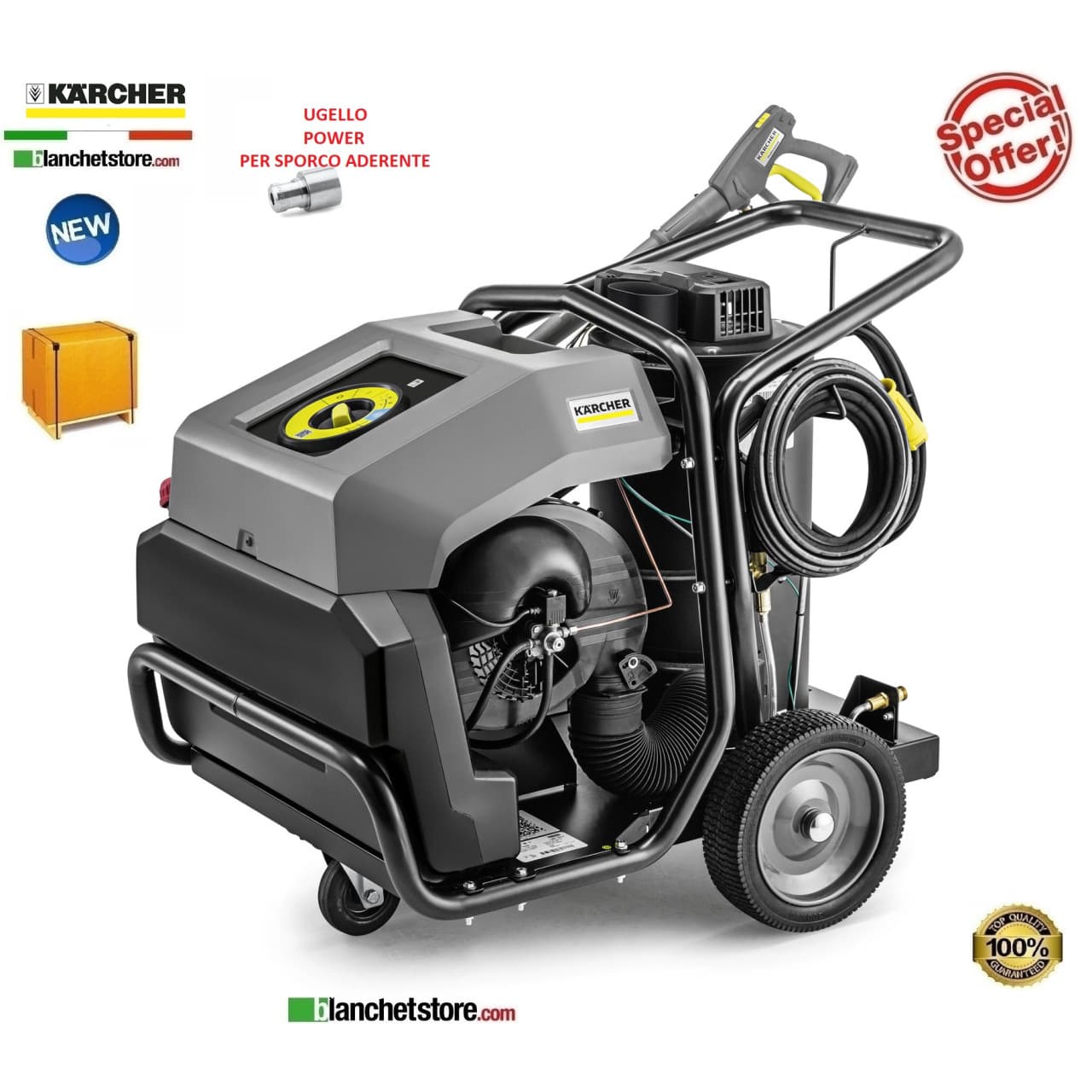
Kärcher HDS 8/18-4 C Hot Water Pressure Washer
The Kärcher HDS 8/18-4 C combines compact German engineering with proven high-temperature cleaning power, making it a top pick for biosecurity-focused barn sanitizing. It balances continuous-duty burners and fuel-efficient design to cut running costs over time, while its wide UK service network gives faster maintenance turnaround compared with some imported rivals such as Lavor and MAC International.
Nilfisk MH 4M-200/1000 FAX Hot Water Pressure Washer
Nilfisk's MH 4M-200/1000 FAX stands out for a robust build and a high flow/pressure combination that removes organic residue quickly, shortening cleaning cycles in livestock buildings. Integrated dosing and modular controls make chemical application precise and cost-effective versus simpler models like Lavor, and its parts quality and uptime rival Kärcher and Ehrle for medium-to-large farm operations.
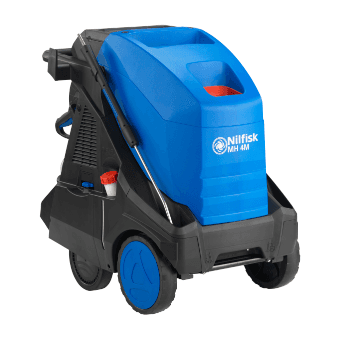
Where to buy Nilfisk MH 4M-200/1000 FAX Hot Water Pressure Washer in UK: the trusted retailers we track in this market, with the best price we have observed at each. Prices are checked regularly and can change, and the retailer confirms the final price at checkout.
We may earn a commission on purchases. It never affects our rankings.
£3,800 – £6,000
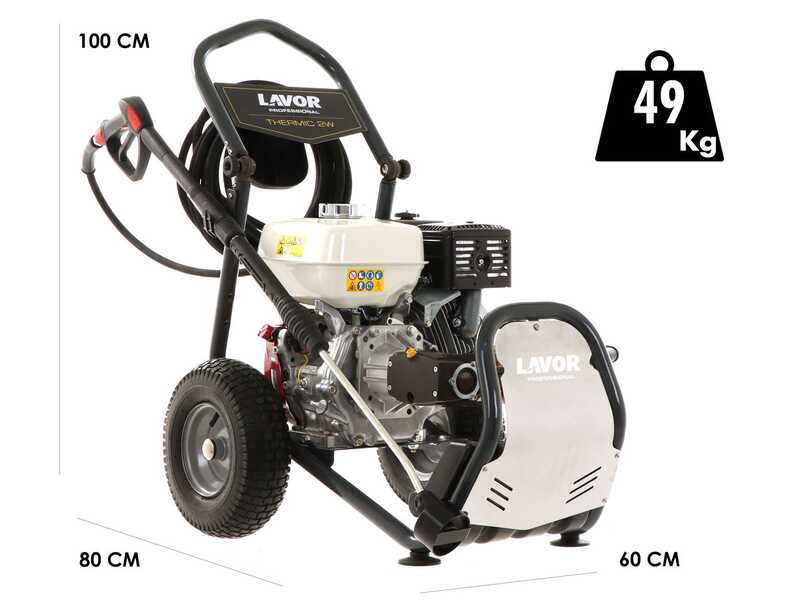
Lavor Thermic 13 HW Hot Water Pressure Washer
The Lavor Thermic 13 HW belongs to Lavor's Thermic range, which is named for its thermic (combustion) engine rather than for heated water — these are petrol-engine cold-water pressure washers. That makes it the mains-free option in this lineup: it runs anywhere on the holding with no 400V three-phase supply and no electrical hook-up, which suits outlying yards, hard standing, trailers and field shelters. It is the cheapest machine here and the easiest to move, but it does not deliver the 60–80°C thermal step that the Kärcher, Nilfisk, Ehrle and MAC International units provide, so treat it as a washdown machine rather than a barn-sanitising hot washer.
Ehrle HDB 2.7-15/50 Hot Water High Pressure Cleaner
Ehrle's HDB 2.7-15/50 is engineered for industrial-length duty cycles and large-volume heating, making it ideal for intensive biosecurity regimes on larger farms where uptime is critical. Heavy-duty components and extended maintenance intervals deliver measurable long-term savings versus lower-cost alternatives like Lavor, while offering more bespoke configurability for permanent barn installations than some portable models.
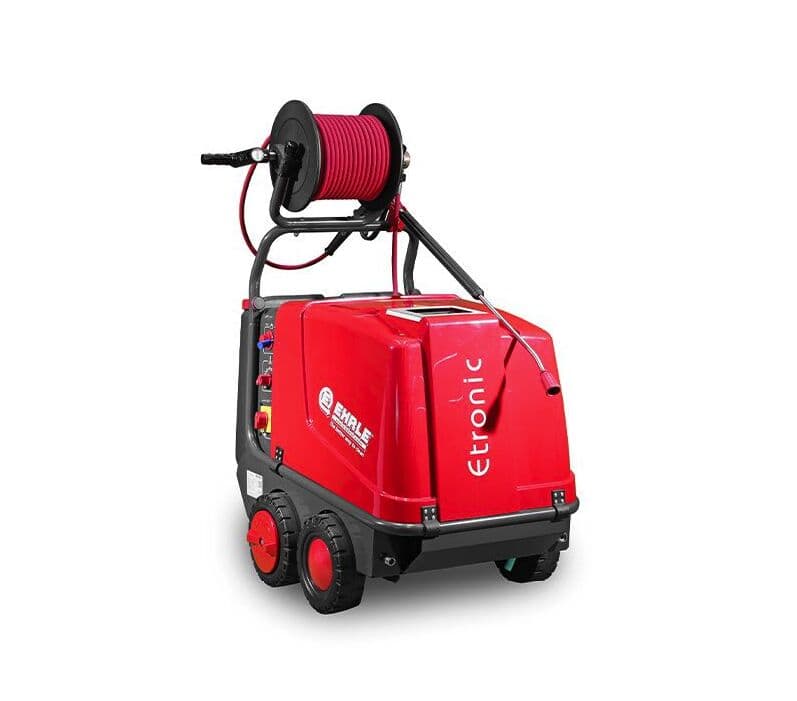
Where to buy Ehrle HDB 2.7-15/50 Hot Water High Pressure Cleaner in UK: the trusted retailers we track in this market, with the best price we have observed at each. Prices are checked regularly and can change, and the retailer confirms the final price at checkout.
We may earn a commission on purchases. It never affects our rankings.
£3,623.75GBP
MAC International Avant 150/21 Hot Water Pressure Washer
The MAC International Avant 150/21 is tailored to the UK agricultural market, pairing heavy-duty hot-water performance with local aftercare to minimise downtime and spare-part shipping costs. That UK-based support and shorter supply chains give it a total cost-of-ownership advantage over many imported machines, while its specification competes closely with Nilfisk and Ehrle for barn sanitizing and biosecurity workflows.

Where to buy MAC International Avant 150/21 Hot Water Pressure Washer in UK: the trusted retailers we track in this market, with the best price we have observed at each. Prices are checked regularly and can change, and the retailer confirms the final price at checkout.
We may earn a commission on purchases. It never affects our rankings.
£8,000 – £12,000
Four of these five are true hot-water machines built around a burner-fired heating coil, corrosion-resistant wet-side components, chemical dosing, and UK dealer support — the specification set that matters for repeated livestock-housing washdowns. The fifth, the Lavor Thermic 13 HW, is an engine-driven cold-water unit included for mains-free yard work. Compare them on flow rate, working temperature, supply requirement and spare-part lead time rather than headline bar pressure.
How Hot Water Barn Washers Work — And What They Do Not Do
A hot water pressure washer is a cold-water pump with a heating coil bolted in front of it. On barn-scale machines that coil is fired by a diesel or heating-oil burner, because electric heating at this duty would draw far more than a 13A 230V single-phase supply can deliver — which is why the electrically heated units in this class run on 400V three-phase. The heat earns its keep by softening fat, protein and manure film at 60–80°C so it releases in fewer passes and so disinfectant can actually contact the surface. It does not sterilise. Every credible stable protocol is two steps: pressure wash to visibly clean, then apply a DEFRA-approved disinfectant at the approved dilution for the disease category you are guarding against, at the stated contact time. When you compare machines, weigh flow rate in litres per minute at least as heavily as bar — high pressure at low volume cuts a groove through muck without carrying it away, and 15–17 l/min moves a stable far faster than 200-plus bar at 10 l/min. Then check the boring things that decide total cost: burner fuel consumption, service interval, UK spare-part lead time, and whether your washdown water has somewhere legal to go.
Barn-scale hot water means a diesel or oil-fired burner, or a 400V three-phase electric supply — a 13A 230V socket caps out near 3kW
Expect £3,000 to £8,000-plus for a true hot-water machine; a sub-£500 domestic unit is a different product class entirely
Flow rate in l/min shifts muck; bar pressure cuts film — for stable floors, prioritise volume over headline pressure
60–80°C releases fat, protein and organic soiling so disinfectant can reach the surface beneath it
Hot water does not disinfect: apply a DEFRA-approved disinfectant at the approved dilution and contact time after washing
Washdown effluent is contaminated — plan an interceptor or sealed collection, never a surface-water drain
Stainless-steel and corrosion-resistant components matter in permanently wet, ammonia-rich barn environments
UK dealer coverage and spare-part lead time decide downtime more than any specification on the data sheet
Frequently Asked Questions
Which hot water pressure washer is best for barn sanitising?
The Kärcher HDS 8/18-4 C is the strongest all-round pick here: an industrial two-piston pump, 180 bar at 800 l/h and an oil-fired burner reaching 80°C, backed by the widest UK service network in this lineup; it is rated 4.5. The one catch is supply — it runs on 400V three-phase, so confirm your yard has it before ordering.
Can I run a hot water pressure washer from a normal 13A socket?
Not at barn scale. A 13A 230V single-phase socket delivers roughly 3kW, which cannot heat 800–1,000 litres an hour to 80°C. That is why genuine barn machines either burn diesel or heating oil to fire the coil, or require a 400V three-phase supply — the Kärcher HDS 8/18-4 C in this lineup is 400V. If you only have single-phase and no three-phase route, a diesel-burner or engine-driven machine is the practical option.
Is the Lavor Thermic 13 HW actually a hot water machine?
No. Lavor's Thermic range is named for its thermic — combustion — engine, not for heated water: these are Honda or Loncin petrol-engine cold-water pressure washers. It will not give you the 60–80°C thermal step the other four machines here provide, so do not buy it as a barn-sanitising hot washer.
Is the Nilfisk MH 4M-200/1000 FAX suitable for ongoing service?
Yes — it is designed around regular farm maintenance, with a heavy-duty frame, accessible service points, an NA5 three-piston pump and a diesel-fired boiler for sustained hot-water operation. At 200 bar and 1,000 l/h it is the highest-throughput unit here, and it is rated 4.3.
Conclusion
The five machines compared here span two different jobs, so read the lineup carefully. For hot-water barn sanitising, the Kärcher HDS 8/18-4 C is the safest all-round pick — 180 bar, 800 l/h, an oil-fired burner to 80°C, and the widest UK service network of the group — but note its 400V three-phase supply requirement, which rules it out on yards with only single-phase. The Nilfisk MH 4M-200/1000 FAX steps up to 200 bar and 1,000 l/h for stripping heavy organic waste from larger dairy, pig or poultry buildings, and the Ehrle HDB 2.7-15/50 is the choice where the washer runs for hours at a stretch and long service intervals lower the cost per hour. The UK-built MAC International Avant 150/21 is worth a call where local aftercare and short spare-part lead times matter most. The Lavor Thermic 13 HW is the odd one out: Lavor's Thermic line is named for its combustion engine, not for heated water, and these are petrol-engine cold-water machines — useful for mains-free yard, trailer and hard-standing washdown, but it will not deliver the 60–80°C that the other four do. Whichever you buy, the machine is only half the protocol: wash to visibly clean, then disinfect with a DEFRA-approved product at the approved dilution, and make sure the washdown water reaches an interceptor rather than a surface-water drain.