

Top 5 Barn & Arena Air Purifiers UK — 2026 Guide for Stables
Large-scale equestrian venues, livery yards and riding arenas in the UK need air cleaning that copes with dust, straw, ammonia and airborne microbes across cold, damp seasons. This guide profiles five heavy-duty systems suited to barns and multi-use arenas — from high-airflow commercial purifiers to negative-pressure machines built for containment work. British buyers favour units that are rugged in wet or chilly conditions, compatible with 230V UK power and UKCA/CE-marked where relevant, and supported by local distributors who can supply replacement HEPA and activated-carbon cartridges. Practical concerns include CADR (clean air delivery rate) for large volumes, decibel levels during events, installation options (wall-mounted, trolley or ducted), and filter media designed for ammonia and odour control rather than just particulate capture. Serviceability is especially important in the UK market: long filter life, accessible pre-filters to trap bedding dust and clear parts supply chains reduce downtime through winter and hay seasons. Energy efficiency and the ability to run continuously in poorly ventilated barns matter for both operating cost and horse health; some operators pair mechanical air cleaners with natural ventilation or mechanical extract fans to manage humidity and ammonia. The five systems detailed below — Airpura V700 Commercial Air Purifier, Austin Air HealthMate Plus HM450, AllerAir AirMedic Pro 6 Ultra, Amaircare 7500 BiHEPA Commercial Air Filtration System, and BlueDri BD-AS-550-BL Negative Machine Airbourne Cleaner — represent different trade-offs between raw airflow, gas adsorption, portability and price, helping barn managers choose the right combination of performance and reliability for UK stables and event arenas.
Inception's AI took the time to understand this market in the UK · · How we pickWe may earn a commission on purchases. It never affects our rankings.
Top Picks Summary
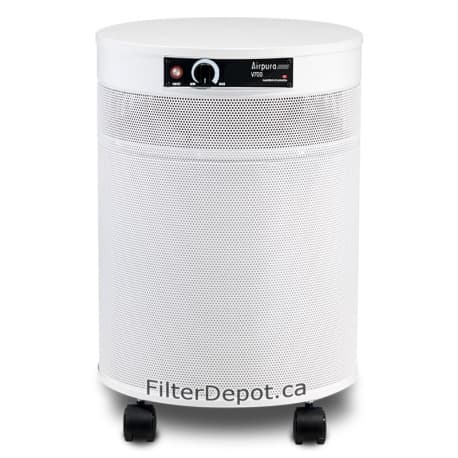
Airpura V700 Commercial Air Purifier
The Airpura V700 is positioned as a commercial-grade solution for barns and arenas because of its very large activated carbon bed and high airflow that excels at removing ammonia and VOCs from horse stalls and tack rooms. Compared with other units on this list it trades a higher upfront price for superior contaminant adsorption capacity and longer intervals between odor filter changes, making it financially attractive where odor control and chemical adsorption are top priorities.
Estimated£795 – £1,590
Austin Air HealthMate Plus HM450
Austin Air's HealthMate Plus HM450 is a rugged, long-lived HEPA/carbon combination that offers consistent particulate and allergen capture across large equestrian spaces at a reasonable operating cost. Versus the heavier carbon-focused models here, the HM450 provides a balanced, lower-maintenance solution for stable managers prioritizing dust, dander and long filter life over maximum odor adsorption.

Estimated£530 – £954
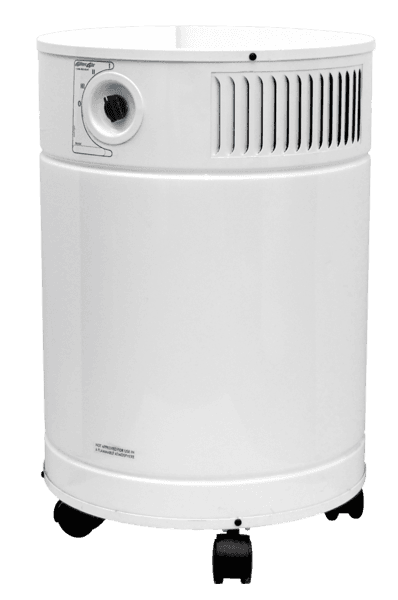
AllerAir AirMedic Pro 6 Ultra
The AllerAir AirMedic Pro 6 Ultra stands out for its configurable, very deep activated carbon beds and medical-grade HEPA filtration, making it a market leader where barns face heavy chemical, pesticide or persistent odor loads. Compared to the others it is a technical leader for adsorption capacity (and therefore longer life between carbon changes), though that capability comes with a premium cost that is justified when ammonia and VOC removal are mission-critical in an equine environment.
Estimated£1,060 – £1,855
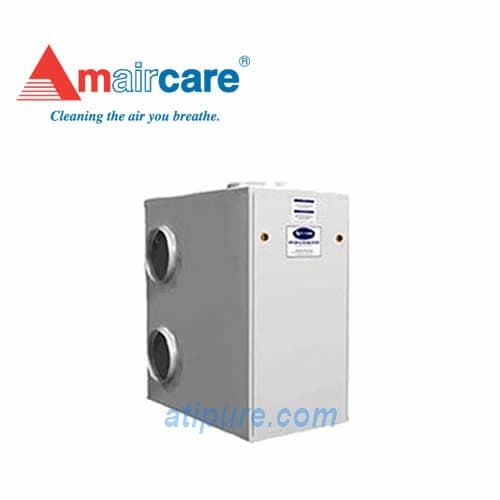
Amaircare 7500 BiHEPA Commercial Air Filtration System
The Amaircare 7500 BiHEPA is designed for large-volume spaces and remediation work, offering high CFM, commercial-grade HEPA performance and practical portability for arenas and large barns. Financially and technically it often represents the best cost-per-airflow for equestrian facilities that need rapid turnover of airborne particulates and spores; it typically delivers more airflow than the odor-focused carbon leaders but with less dedicated carbon mass for ammonia removal.
Estimated£1,325 – £2,650
BlueDri BD-AS-550-BL Negative Machine Airbourne Cleaner
The BlueDri BD-AS-550-BL is a negative-air machine built to establish containment and exhaust contaminated air outdoors, making it uniquely useful for isolating sick stalls, construction/cleaning projects in barns, or controlling cross-contamination in arenas. Technically and financially it differs from the recirculating purifiers here: it provides high-volume removal and rugged field performance at a lower equipment cost, but requires ducting to the outside and does not substitute for in-room adsorption of odors or VOCs provided by the heavy-carbon recirculators.

Estimated£1,060 – £2,120
Airpura V700 — best all-rounder for high CADR plus deep carbon beds for ammonia; Austin Air HM450 — robust HEPA + carbon in a portable footprint; AllerAir Pro 6 Ultra — heavy-duty carbon adsorption for odours and gases; Amaircare 7500 BiHEPA — very high airflow for large volumes; BlueDri BD-AS-550-BL — negative-pressure option for containment and renovation work.
What the Science Says About Air Filtration in Equine Facilities
A growing body of applied research and ventilation guidance supports the use of high-efficiency air filtration and targeted air cleaners in agricultural and large-animal settings. Studies and industry guidance show that combining good ventilation with portable or integrated filtration can reduce airborne particulate loads and odour-causing gases, lower the concentration of airborne pathogens, and help prevent respiratory irritation in horses and staff. The following beginner-friendly points summarize the most relevant findings and practical implications for barn and arena applications.
HEPA filtration is effective at removing fine particulates. True HEPA filters capture a large portion of particles down to 0.3 microns and are commonly recommended for reducing dust and allergenic particulates in animal housing.
Activated carbon and chemisorption media reduce ammonia and odours. Carbon-based media adsorb volatile organic compounds and ammonia, making them important in barns where urine and manure increase gas levels.
Combined strategies work best. Research and ventilation standards emphasize that portable air cleaners are most effective when used alongside adequate ventilation and source-control practices such as regular bedding management and manure handling.
Measured reductions vary with deployment. Case studies in agricultural and indoor-stall environments report substantial reductions in particulate counts and airborne microbial load, but results depend on unit CADR relative to space volume, placement, and run time.
Monitoring and maintenance are critical. Remote monitoring of filter life, pressure drop and real-time PM sensors helps maintain performance; neglected filters reduce effectiveness quickly in dusty environments.
Cautions on ionizers and ozone. Some air-cleaning technologies can produce ozone or by-products; guidance from health and veterinary sources recommends avoiding ozone-generating devices in occupied animal spaces.
Operational considerations for British climates. Cold-weather operation, seasonal humidity swings and transport between venues require units with rugged casings, cold-tolerant controls and service plans suited to British supply chains.
Frequently Asked Questions
Which purifier should I choose for ammonia odours?
Choose the Airpura V700 Commercial Air Purifier, because its very large activated carbon bed and high airflow are designed to remove ammonia and VOCs in horse stalls and tack rooms, and it’s rated 4.5.
Does the Austin Air HealthMate Plus HM450 have carbon?
Yes—Austin Air HealthMate Plus HM450 uses a 360-degree HEPA and extended carbon blend for broad particle and odor removal, with a compact durable design for tack rooms, feed rooms and smaller barn spaces, rated 4.4.
How do these stables purifiers compare on pricing?
The provided guide does not list any prices for Airpura V700, Austin Air HealthMate Plus HM450, or AllerAir AirMedic Pro 6 Ultra, so I can’t compare value by cost from this data.
Is the AllerAir AirMedic Pro 6 Ultra meant for chemical odours?
Yes—the AllerAir AirMedic Pro 6 Ultra has multi-stage filtration with medical-grade HEPA plus a very deep activated carbon bed, and it uses gas adsorption media effective against agricultural VOCs and smoke; it’s rated 4.4.
Conclusion
Choosing the right commercial air cleaner for a British barn or arena is about matching clean-air delivery to the space, livestock and operational rhythms. For many large stables and multi-purpose arenas that need a balance of high CADR, serious gas adsorption and dependable service in the UK, the Airpura V700 offers the strongest all-round package. If portability and lower initial cost are priorities, or you need negative-pressure containment for renovation or disease control, the other four models cover those needs. Before buying, measure usable arena volume, check access to local filter replacements and ask suppliers about noise figures in dB(A) at working speeds and any warranty or maintenance networks in the UK. If you’re planning a multi-unit installation, consider staged deployment to test performance in situ. Ready to compare specifications or get a site assessment? Contact authorised UK dealers, request CADR and noise tests for your specific arena layout, or arrange an on-site trial to confirm real-world performance.