Rehabilitation Exercise Bikes — Top 5 Options in the UK (2026)
Published on Monday, 26 January 2026
Rehabilitation exercise bikes are stationary cycles designed specifically for recovery, physiotherapy and gentle strength and mobility training. They include upright and recumbent models, hand bikes and hybrid units with features such as low step-through frames, adjustable seating, fine resistance control and integrated monitoring for heart rate and cadence. In the UK market these bikes appeal to people recovering from surgery, stroke or joint injury, older adults seeking low impact conditioning and patients managing chronic conditions such as osteoarthritis or type 2 diabetes. Consumers in the UK prioritise safety, clinical evidence, ease of adjustment, seat comfort and quiet operation. Trends since the early 2020s show growing demand for home-friendly rehabilitation equipment, telehealth-compatible monitoring and durable machines that meet UK safety and regulatory expectations such as UKCA marking and clear warranty and servicing options.
Top Picks Summary
NuStep T4r Recumbent Cross Trainer
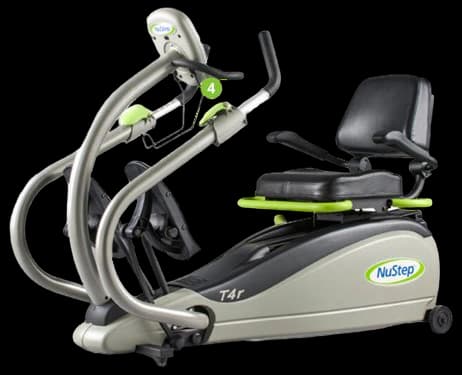
The NuStep T4r is widely regarded as a market-leading recumbent cross trainer for rehabilitation because of its low-impact, reciprocal stepping motion, highly adjustable seating, and clinic-grade durability that deliver reliable long-term ROI for therapy centers. Compared with the other bikes on this list it prioritizes accessibility and multi-planar support for a broad range of impairments, trading a higher upfront cost for extensive programmability and durability that many facilities find more cost-effective over time.
£7000-10000 GBP
Motomed Viva 2
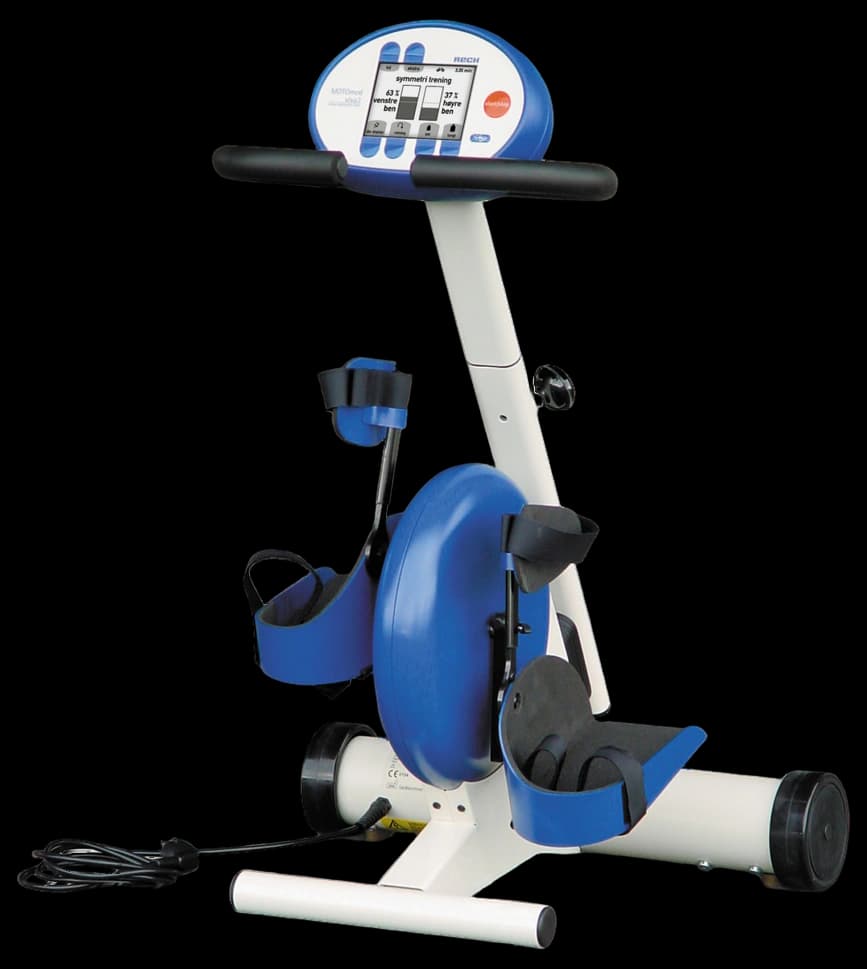
The Motomed Viva 2 stands out for its motor-assisted passive and active modes that enable exercise for users with limited voluntary control, making it especially well suited to neurorehabilitation and home use. Financially and technically it is typically more affordable than large clinic-grade units like the NuStep or SciFit while offering unique passive-assisted therapy functions that those more performance-focused devices do not emphasize.
£1500-2300 GBP
Scifit ISO1000R Recumbent Bike
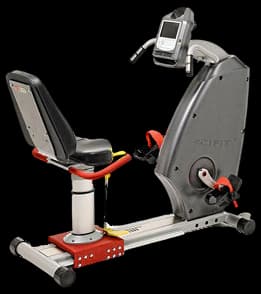
The SCIFIT ISO1000R is a clinical-grade recumbent ergometer prized for precise resistance control, advanced testing and reporting features, and a robust build tailored to rehabilitative assessment and performance tracking. Technically it competes closely with NuStep for clinic use but leans more toward ergometry and objective measurement capability, making it attractive for facilities that need detailed metrics and testing despite generally higher acquisition costs.
£5500-8500 GBP
What research and clinical guidance say about cycling for rehabilitation
A broad body of research and clinical guidance supports the use of stationary cycling as a safe, low impact option to improve cardiovascular fitness, lower limb strength and functional mobility when programmes are tailored to the individual. Systematic reviews and clinical practice guidelines note benefits across common rehabilitation needs, including post-operative recovery, knee osteoarthritis and stroke rehabilitation. Key points emphasise supervised progression, personalised resistance and duration, and integration with broader physiotherapy and home exercise plans to maximise outcomes and reduce risk.
Systematic reviews and Cochrane-style evidence summaries report improvements in aerobic capacity and walking endurance when stationary cycling is included in rehabilitation programmes.
Clinical guidance highlights stationary cycling as a low impact option that can reduce joint loading compared with walking or running, which is useful for people with knee or hip problems.
Randomised and controlled trials in stroke rehabilitation often show better gait speed and mobility when cycling is used alongside task-specific physiotherapy.
Exercise interventions that include cycling can improve glycaemic control and cardiovascular risk markers in people with type 2 diabetes when combined with overall lifestyle changes.
Safety and effectiveness increase with tailored settings: appropriate seat height, resistance progression, monitoring of heart rate and perceived exertion, and clinician or therapist supervision for higher-risk users.
Older adults benefit from recumbent designs that reduce balance demands and from machines with easy step-through access and secure seating to lower fall risk.
Frequently Asked Questions
Which rehabilitation bike is best for full-body limb recovery?
The NuStep T4r Recumbent Cross Trainer is the ideal choice for full-limb rehabilitation because it features a coordinated arm-and-leg cross-trainer motion. This design allows for simultaneous upper and lower body movement, which is highly effective for comprehensive recovery therapy.
Does the Motomed Viva 2 support users with limited movement?
The Motomed Viva 2 features motor-assisted passive, active, and resistive modes specifically designed to support users with limited voluntary movement. This functionality allows individuals to engage in therapy even when they have restricted physical control over their limbs.
Is the Scifit ISO1000R suitable for clinical performance tracking?
The Scifit ISO1000R is highly suitable for clinical assessment as it includes an intuitive console that provides detailed performance metrics and connectivity for rehab monitoring. It is built with a heavy-duty commercial frame and precise, programmable resistance controls for accurate data collection.
Which bike offers the most stable seat for rehabilitation?
The NuStep T4r Recumbent Cross Trainer provides a large cushioned seat with back support, earning it an average rating of 4.7. This design ensures maximum stability and comfort for users during their rehabilitation sessions, complemented by a wide, low step-through frame for easy access.
Conclusion
We currently have no top picks that meet our selection criteria for rehabilitation exercise bikes in the UK for 2026. If you did not find what you were looking for, try broadening or refining your search (for example to recumbent bikes, hand cycles or clinical exercise equipment), or check back later for updated recommendations. We hope this overview helped you understand the category and how to choose a suitable rehabilitation bike.