

Best Gym Rig Anchors & Flooring Hardware for UK Fitness Spaces — 2026 Buying Guide
Short answer: if your gym sits on a sound concrete slab, a mechanical anchor kit matched to your rig's base-plate holes — usually M10 or M12 — is the right fix, and the kits below differ mainly in what else comes in the box (templates, isolation washers, tile-compatible plates). If your gym sits on a suspended timber floor, none of these are a drop-in answer: expansion anchors need masonry, and timber installations should be bolted through joists with spreader plates, tied into wall studs, or signed off by someone who has looked at the framing. Getting that decision right matters more than brand choice, because an anchor that pulls out of thin or cracked concrete under a failed lift is a safety problem, not an inconvenience. Beyond the substrate question, good mounting hardware does three jobs: it spreads equipment load across the slab so you avoid point-load cracking, it keeps the rig from walking or rocking under dynamic load, and — with isolation washers or rubber dampers — it stops some of the impact energy from travelling into the building, which is the difference between a workable and an unworkable gym in a flat or a converted upstairs room. This guide compares five anchor and fixing kits sold into the UK market, covering roll-out surfaces, interlocking rubber tiles, sports-performance floors and bare-slab retrofits.
Inception's AI took the time to understand this market in the UK · · How we pickWe may earn a commission on purchases. It never affects our rankings.
Top Picks Summary
Regupol Gym Floor Anchor Kit
Regupol's Gym Floor Anchor Kit takes the top slot in this 2026 UK roundup because it is engineered around Regupol's own roll and tile flooring, which means the fixings, washers and plate depths are matched to the surface rather than approximated. The German manufacturer's vibration-damping background shows in the isolation hardware, making it the sensible pick for high-impact and heavy-equipment zones and for gyms where noise into adjoining rooms is a real constraint. It costs more than the budget kits on this list; warranty terms are not published in the listings we could verify, so confirm them with the supplier if that is part of your decision.
Flexi-Roll Gym Flooring Fixing Kit
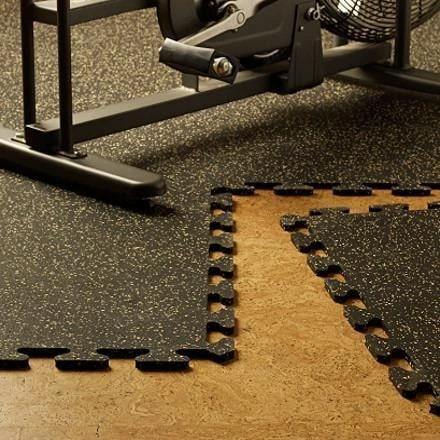
Flexi-Roll’s Fixing Kit is positioned as the best value option for roll-out and semi-permanent surfaces in the UK market, offering rapid installation and a modular component set that reduces labour costs. While it lacks the heavy-duty load ratings of premium systems like Regupol or the Gym Flooring UK heavy kit, its lower upfront cost and ease of use make it the smart choice for start-ups, community centres and pop-up studios.
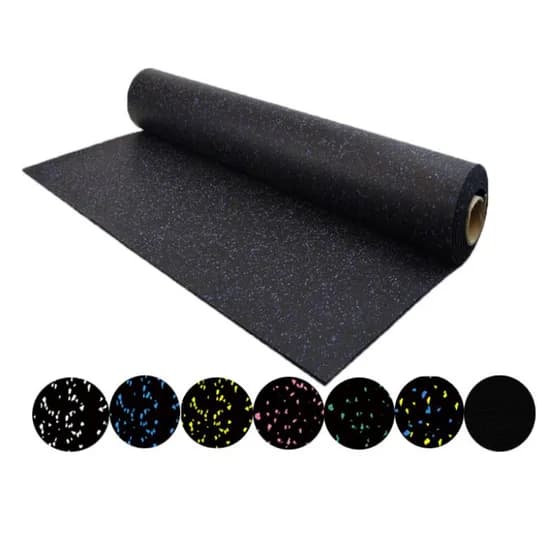
Estimated£40 – £90
Grada Rubber Floor Anchor System
Grada’s Rubber Floor Anchor System stands out for its corrosion-resistant coatings and high tensile anchors tailored for mixed indoor/outdoor and coastal UK sites, providing a middle-ground between premium and economy offerings. The system’s adaptable anchors and tile-compatible plates give installers more versatility than Flexi-Roll, while undercutting Regupol on price without sacrificing essential load-bearing performance.
Pavigym Floor Installation Kit
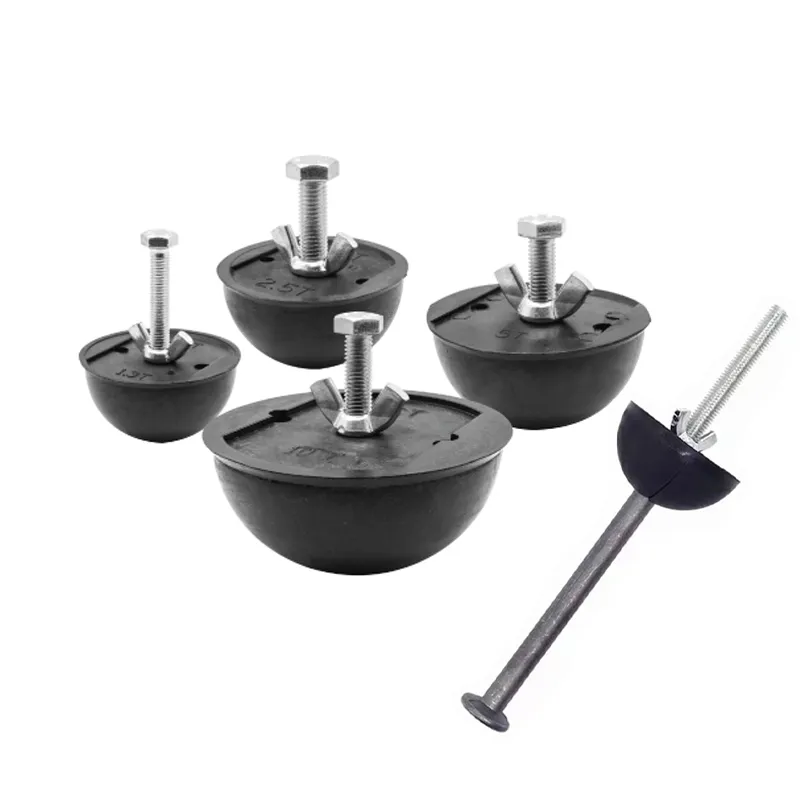
Pavigym’s Floor Installation Kit is a performance-focused solution designed for functional training and studio environments, including torque-controlled fixings and precision templates that reduce installation error and ensure consistent sporting performance. It pairs specialized technical support and sports certification with mid-to-high tier pricing, making it preferable to generalist kits when sport-specific compliance and finish quality are priorities in the UK market.
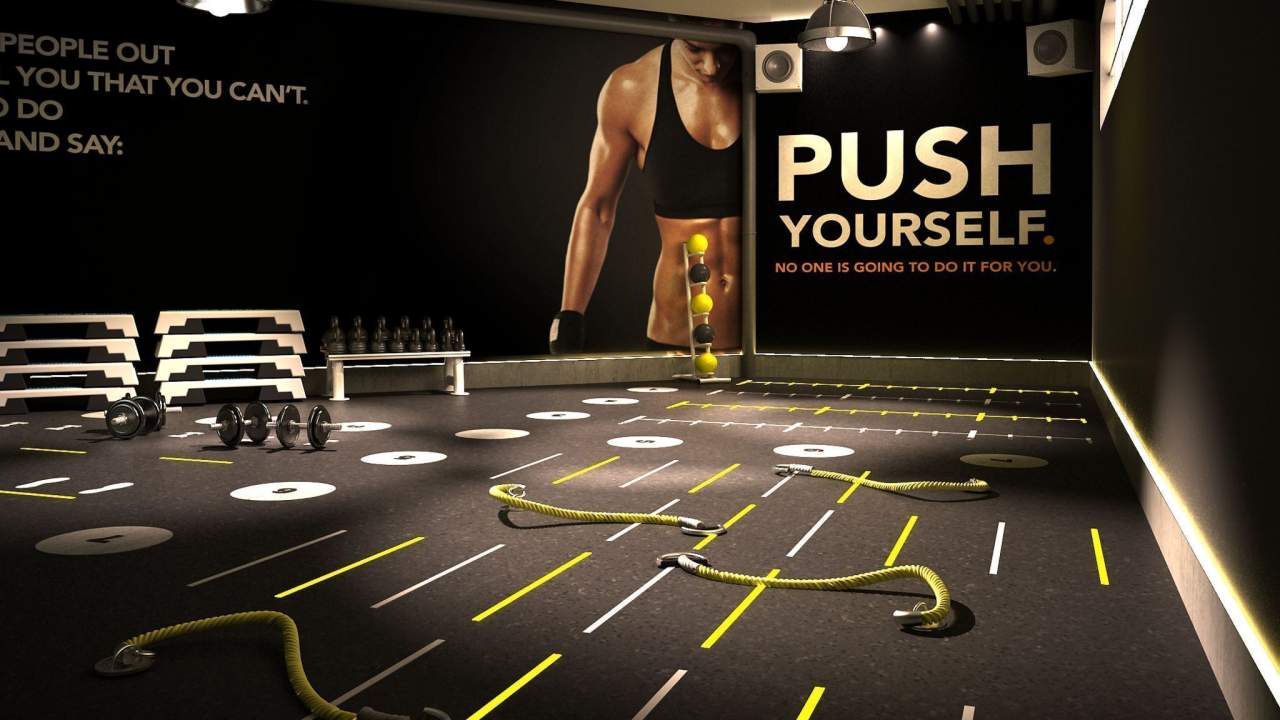
Estimated£150 – £300
Heavy Duty Floor Anchor Kit by Gym Flooring UK
Gym Flooring UK's Heavy Duty Floor Anchor Kit is the straightforward domestic-stock option for retrofitting a weightlifting platform or a bespoke heavy-load zone onto a bare concrete slab. Galvanised anchors handle the damp of a UK garage or basement, and the simple design cuts installation time against the more component-heavy systems, with fast UK delivery and pricing that undercuts imported premium kits like Regupol. Its published load rating is not stated in the listings we could verify, so match the supplied bolt diameter and length to your rig's own fixing specification and to the depth of your slab before you drill.
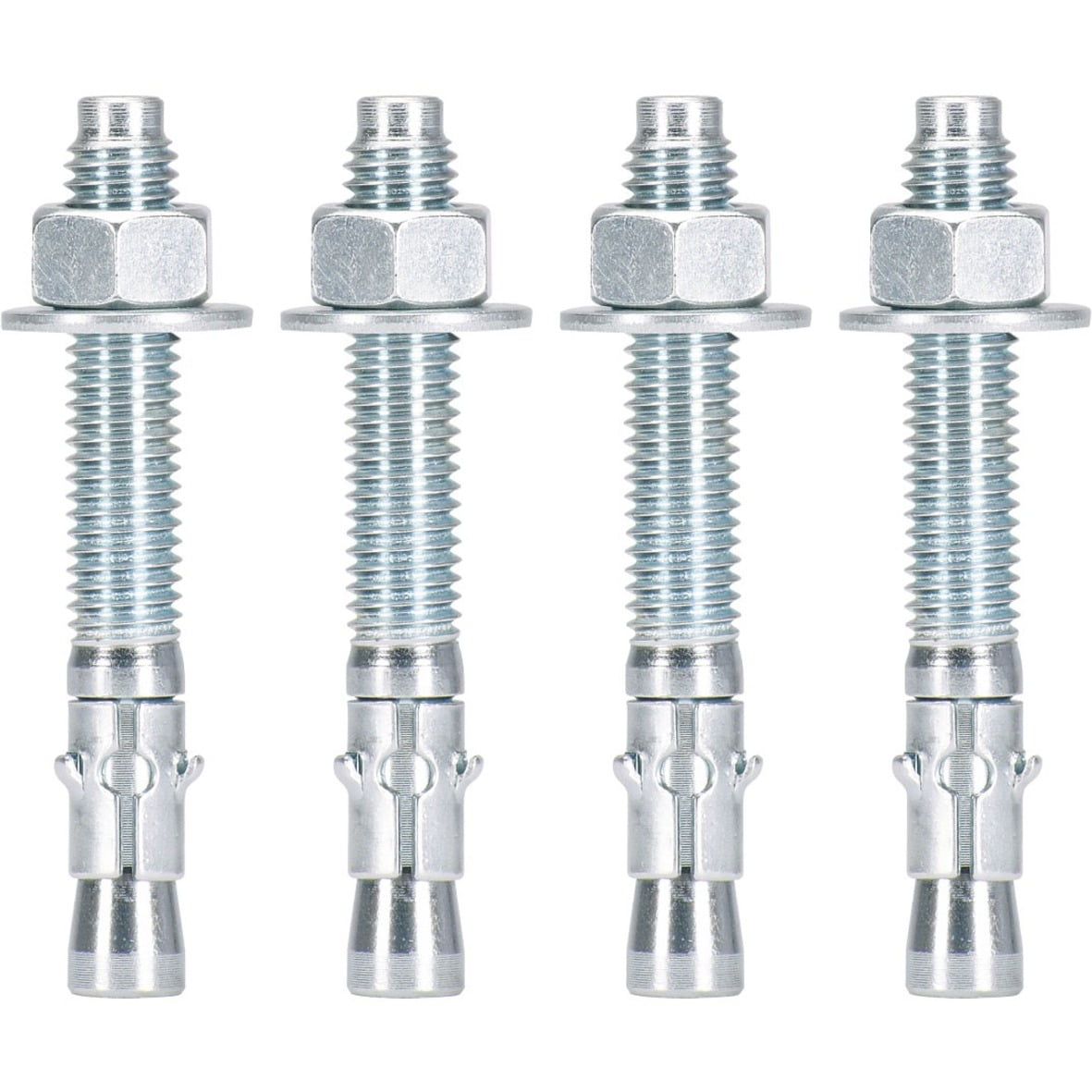
Estimated£100 – £250
The strongest kits here bundle a drilling template with the fixings, so bolt spacing matches the rig base plate on the first attempt, and offer corrosion-resistant stainless or galvanised hardware for damp garages and basements. Vibration isolation washers or rubber dampers are the differentiator for upstairs and shared-wall installations, while tile-compatible plates matter if you are fixing through interlocking rubber rather than into bare slab. Manufacturer technical support and a published fixing spec are worth more than they look — they are what let you verify the anchor against your rack's requirements before you drill.
Understanding Gym Floor Anchoring Systems
Proper gym equipment anchoring involves several parts working together. Floor anchor plates distribute equipment weight across a larger area of concrete, preventing the point-load stress that cracks slabs and tiles. Vibration isolation layers decouple equipment movement from the building structure, cutting noise transfer to adjacent rooms — particularly important in flats and shared buildings. Anchor selection follows the rack, not the other way round: use the hole diameter, embedment depth and torque figure the rig manufacturer publishes, drill to depth plus a little extra, and vacuum the dust out before setting the anchor, because dust left in the hole is one of the most common causes of a fixing that never reaches its rated pull-out load. Placement matters as much as hardware — keep anchors away from visible cracks, spalling, hollow-sounding areas and expansion joints, and shift the rig so every base-plate hole lands on one continuous section of slab. Stainless or hot-dip galvanised fixings are worth the premium in damp garages, basements and unheated outbuildings, where plain steel will bloom rust at the washer face within a season.
Most UK rack and rig base plates take M10 or M12 mechanical anchors — match the anchor to the base-plate hole, not the other way round
Follow the rig manufacturer's published embedment depth and torque figure; drill slightly deeper than the anchor and vacuum out dust before setting
Expansion and wedge anchors need sound concrete or solid masonry — they are not a fixing for suspended timber floors
On timber floors, bolt through joists with spreader plates or tie the uprights into wall studs, and have the framing assessed before loading it
Keep anchors clear of visible cracks, spalling, hollow spots and expansion joints; move the rig so all base-plate holes land on one continuous slab section
Stainless steel and hot-dip galvanised finishes resist the damp of UK garages, basements and unheated outbuildings
Vibration isolation washers and rubber dampers reduce impact noise transmitted through floors and walls
Complete kits remove the need to source individual bolts, washers and fasteners separately, and usually include a drilling template
Frequently Asked Questions
Which gym floor anchor kit suits heavy equipment zones?
The Regupol Gym Floor Anchor Kit is the pick for high-impact, heavy-equipment areas on this list. It is designed to secure Regupol roll or tile flooring, pairs corrosion-resistant fixings with vibration damping, and carries a 4.6 rating. The Heavy Duty Floor Anchor Kit by Gym Flooring UK is the alternative for a bare-slab platform retrofit; check its published bolt diameter against your rig's base plate before ordering.
What spec does Grada Rubber Floor Anchor System include?
The Grada Rubber Floor Anchor System is built around anchors and tile-compatible plates intended for interlocking rubber tile systems, with corrosion-resistant fixings and locking caps. It sits in the middle of this list on price at roughly £120-220. Grada does not publish a full pull-out or load table in the listings we could verify, so confirm the anchor's rated capacity with the supplier before using it under a loaded rig.
How does Flexi-Roll Gym Flooring Fixing Kit price compare?
Flexi-Roll is the cheapest kit on this page at roughly £40-90, against £80-150 for Regupol, £100-250 for the Gym Flooring UK heavy kit, £120-220 for Grada and £150-300 for Pavigym. It is aimed at roll-out and semi-permanent surfaces rather than heavily loaded bolt-down rigs, so it is the value choice for a studio or community-centre floor, not a substitute for rated concrete anchors under a rack.
Is Regupol Gym Floor Anchor Kit only for Regupol flooring?
It is designed specifically around Regupol roll and tile flooring, and that is where it fits best. The corrosion-resistant steel anchors and washers will physically work in other rubber surfaces of similar thickness, but you lose the matched fit that makes the system worth its premium. Warranty duration is not published in the listings we could verify, so ask the supplier before you buy on that basis.
Conclusion
Choosing anchoring hardware for a UK gym comes down to three questions in order: what is under the floor, what does the rig's base plate need, and what else has to come in the box. The five options here — the Regupol Gym Floor Anchor Kit, Flexi-Roll Gym Flooring Fixing Kit, Grada Rubber Floor Anchor System, Pavigym Floor Installation Kit, and the Heavy Duty Floor Anchor Kit by Gym Flooring UK — cover roll-out surfaces, interlocking tiles, sports-performance floors and bare-slab retrofits at different price points. Regupol is the pick if you are anchoring into a Regupol roll or tile floor and want the vibration-damping side handled properly; Flexi-Roll is the value option for roll-out and semi-permanent installs; Gym Flooring UK's heavy kit is the straightforward domestic-stock choice for a weightlifting platform retrofit. Whichever you buy, cross-check the kit's bolt diameter and length against your rig's published fixing spec before ordering, and if the floor is anything other than a sound concrete slab, get the structure looked at first. Anchoring is cheap; a rig that shifts under load is not.