

Top 8 Range of Motion Machines in the UK for 2026
Range of motion machines are motorised and manual devices designed to move joints through controlled angles to maintain or improve flexibility, reduce stiffness and support rehabilitation. In the UK market these machines are popular with physiotherapy clinics, sports therapists, private hospitals, care homes and people recovering at home after surgery. Consumer preferences in 2026 favor compact, user-friendly machines with clear safety features, CE certification and connectivity for remote monitoring. Buyers look for reliable build quality, easy-to-follow settings for passive and active-assisted modes, and value-for-money service and warranty options. Trends driving demand include an ageing population needing long-term joint care, a growing home rehabilitation sector, and the adoption of smart features that let clinicians review progress remotely.
Inception's AI took the time to understand this market in the UK · We may earn a commission on purchases. It never affects our rankings.
Top Picks Summary
The Furniss shoulder CPM machine is notable for pragmatic service offerings and flexible procurement options such as rentals and service packages that reduce upfront financial burden for seasonal or low-volume users. Compared with purchase-focused competitors like Kinetec or BTL, Furniss’s strength is operational flexibility—clinics can scale device access without heavy capital expenditure and benefit from localized support. That combination of affordable access and strong post-sale service makes it especially appealing to smaller hospitals and physiotherapy chains.
Show More Shoulder Continuous Passive Motion (CPM) DevicesKinetec Optima S3 is positioned as the best-in-class Knee CPM for its robust set of programmable protocols, clinical-grade build quality, and patient-focused features like precise range-of-motion control and quiet operation. Compared with the other devices on this list it delivers the most extensive hospital-proven feature set—trading a higher purchase price for long-term durability and lower service costs in high-volume clinical settings.
Show More Knee Continuous Passive Motion (CPM) Devices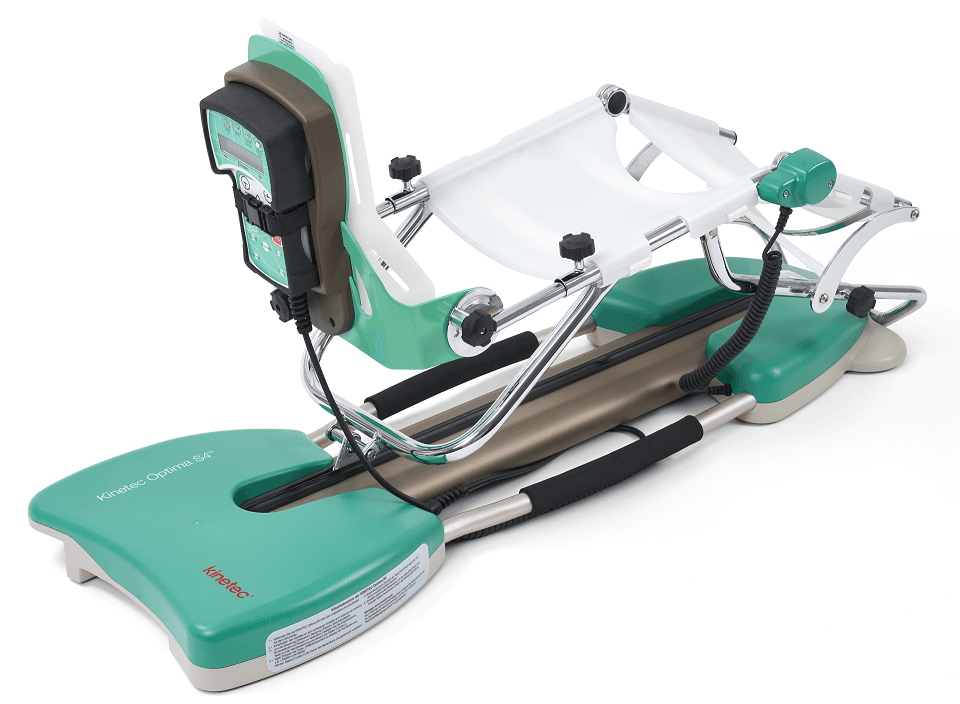
Where to buy Kinetec Optima S3 Knee CPM in UK: we track one retailer, Kinetecusa, and show the price we last observed there; the price you see at checkout may differ.
We may earn a commission on purchases. It never affects our rankings.
£3,000 – £4,500
Prohands Gripmaster Hand Exerciser
Gripmaster's professional-grade hand exerciser provides durable, independent finger resistance with heavy-duty construction preferred by athletes and therapists seeking intense strengthening in Britain. Technically superior to generic spring balls in durability and per-finger focus, it is typically pricier than consumer options like Vive but offers long-term performance and clinic-ready robustness.
Show More Wrist and Hand Range of Motion Therapy Devices
66fit Multi Adjustable Ankle Exerciser stands out as a best-in-class home rehabilitation device with multi-angle adjustment and progressive resistance built for strength and range-of-motion gains; financially it sits between low-cost balance tools and premium braces, offering strong value for users seeking measurable exercise progression in an 'undefined' rehabilitation plan. Technically it delivers targeted, adjustable loading that the wobble board lacks while remaining more portable and typically less expensive than full orthopedic braces.
Show More Ankle and Foot Range of Motion Therapy DevicesWhere to buy 66fit Multi Adjustable Ankle Exerciser in UK: we track one retailer, Walmart, and show the price we last observed there; the price you see at checkout may differ.
We may earn a commission on purchases. It never affects our rankings.
£20 – £40
Patterson Medical Kinetec Performa Knee CPM
Patterson Medical Kinetec Performa Knee CPM is a purpose-built knee device optimised for reliable post-operative ROM management, backed by a broad UK service network and competitive pricing that benefits high-throughput rehab clinics. It does not offer the multi-joint programmability of the Spectra or Rimec systems, but its lower purchase price and strong aftercare make it an operationally and financially sensible choice for clinics focused specifically on knee recovery.
Show More Multi Joint Programmable Range of Motion Systems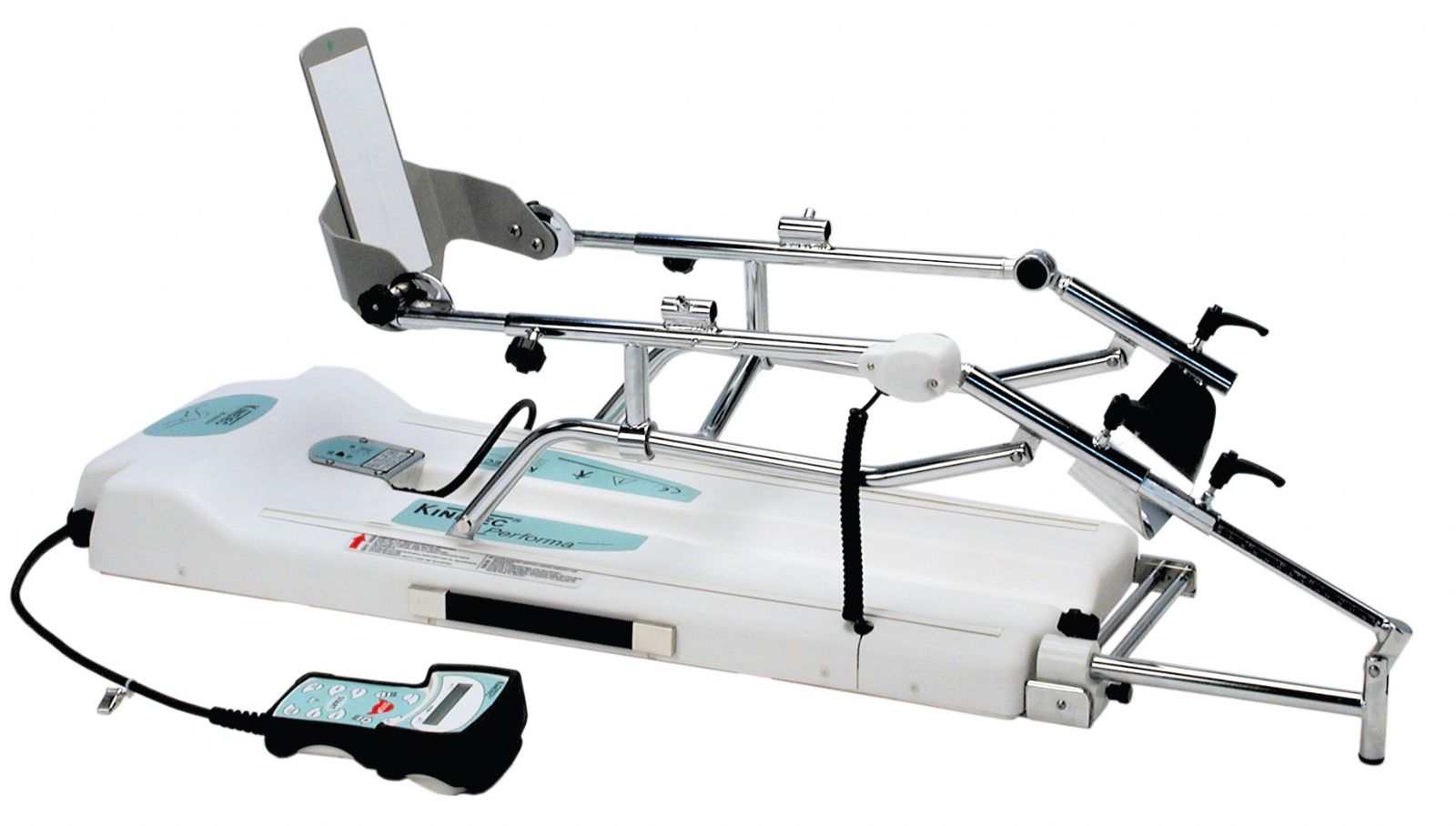
ChewQ TMJ Exerciser and Trainer
ChewQ focuses on bite coordination and proprioceptive retraining with a compact, travel-friendly design that makes it ideal for ongoing maintenance and adjunctive therapy in the UK 2025 selection. Compared to the larger rehab systems on this list it stands out for affordability, convenience and dual-purpose chewing retraining, though it has less maximal resistance and fewer clinical control features than the OraStretch or JawFlex devices.
Show More Motorized Active Assisted Joint Motion DevicesThe Kinetec Prima Advance Knee CPM is the premium offering in this list, delivering the most advanced motion control, fine-tuned programmable protocols, and longer-range settings tailored for complex rehabilitation cases in a portable form. Compared with simpler units like the Fisiotek 2000 or Spectra Essential, Prima Advance commands a higher purchase price but provides superior clinical flexibility and data-driven control that can shorten adjunct therapy time and justify the investment for high-volume clinics or patients with demanding recovery needs.
Show More Portable Range of Motion Units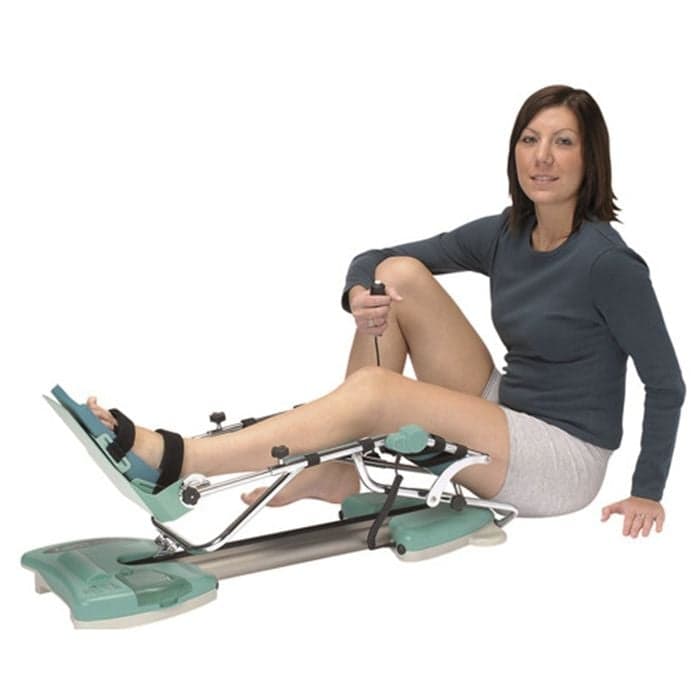
Artromot K1 Standard Knee CPM
The Artromot K1 Standard is recognised for its compact, no-frills reliability and mechanical simplicity, offering exceptional durability and low maintenance demands that appeal to busy NHS and private clinics. Although it lacks some of the advanced programmability of Kinetec or Fisiotek, its lower acquisition and servicing costs make it an economical option for clinics seeking precise, repeatable ROM therapy without complex software overhead. In the 2025 UK market the K1 stands out as a cost-conscious, high-durability unit ideal for high-utilisation environments.
Show More Clinic Grade Stationary Range of Motion Systems
Where to buy Artromot K1 Standard Knee CPM in UK: we track one retailer, Total-wellness, and show the price we last observed there; the price you see at checkout may differ.
We may earn a commission on purchases. It never affects our rankings.
£2,500 – £4,000
What the research says about range of motion machines
Clinical studies and systematic reviews have examined how range of motion devices affect recovery after injury and surgery. Evidence is clearest for early postoperative use in specific procedures, while longer-term functional outcomes depend on combining devices with active physiotherapy and patient adherence. The overall scientific consensus supports the role of these machines as part of a broader rehabilitation plan rather than as a standalone cure.
Continuous passive motion (CPM) devices have been shown in randomized trials to improve early knee range of motion and reduce short-term stiffness after procedures such as total knee arthroplasty.
Controlled passive movement helps maintain joint mobility and can reduce the risk of contractures in immobilised patients, according to clinical studies.
Systematic reviews report mixed results on long-term functional benefits; sustained improvement usually requires active rehabilitation alongside device use.
Early mobilisation supported by motorised devices can improve circulation and reduce swelling, which aids initial recovery phases.
Safety and correct dosing matter: research emphasises supervised settings and individualised protocols to avoid overloading healing tissues.
For connected, data-capable devices, studies indicate remote monitoring can improve adherence and clinician oversight, though data security and clinical governance are important considerations.
Frequently Asked Questions
Which is best for home knee rehab, Kinetec Optima S3?
For home knee rehab, consider Kinetec Optima S3 Knee CPM: it has adjustable range of motion for early post-op knee mobilisation, digital controls with clinician presets, and a 4.6 average rating.
What adjustable range of motion features does Kinetec Optima S3 have?
Kinetec Optima S3 Knee CPM includes a precision motor with a wide, adjustable range of motion for early post-op knee mobilisation, plus advanced programmable therapy cycles and digital controls.
How does Furniss Shoulder CPM Machine price compare for home use?
Furniss Shoulder CPM Machine is described as budget-friendly with a “wallet smiles” benefit, designed for domiciliary rehabilitation and storage, with a 4.3 average rating.
Is Gripmaster Hand Exerciser Pro for athletes or musicians?
Gripmaster Hand Exerciser Pro is popular with musicians, climbers and therapists for targeted rehabilitation and performance training, using spring-loaded individual finger resistance with independent finger control; it has a 4.6 average rating.
Conclusion
Whether you are equipping a clinic, managing post-surgery recovery at home or supporting elderly care, the UK market offers a clear set of reliable range of motion machines to fit different needs. We hope this guide helped you find the right options for 2026. If you want to narrow down results by price, portability, or clinical use, use the search to refine or expand your selection.