

Premium Stockingfoot Waders for UK Anglers 2026: Expert Reviews of Top 7 Models
Stockingfoot waders finish in a snug neoprene sock bonded to the leg rather than a built-in boot, so wading boots are bought separately and pulled on over the stocking foot. That single design choice is why they suit British anglers who fish across the UK's remarkably diverse environments. From the cold, rocky streams of Scotland and Wales to the chalk streams of southern England and the estuarine waters of East Anglia, stockingfoot designs offer flexibility bootfoot models cannot: because the boot is a separate purchase, you match the sole to the riverbed—sticky rubber for rock, studs for greasy bedrock, felt where a fishery still allows it—and replace a worn boot without replacing the waders. This proves particularly valuable for UK conditions where water temperatures fluctuate dramatically with seasons and geography. The lightweight, packable nature of stockingfoot construction appeals to British anglers who frequently travel between multiple fisheries or undertake challenging hill walks to reach remote Scottish lochs and northern streams. Contemporary manufacturing in 2026 emphasises breathable laminates, strategically reinforced panels at high-wear zones, and DWR finishes that resist degradation. Premium brands continue balancing durability with genuine field serviceability, recognising that British anglers value gear that lasts seasons and can be professionally repaired. Whether targeting trout in English rivers, salmon in Scottish waters, or sea trout in Welsh estuaries, today's stockingfoot offerings deliver the performance and adaptability serious UK anglers require.
Inception's AI took the time to understand this market in the UK · We may earn a commission on purchases. It never affects our rankings.
Top Picks Summary
Simms G3 Guide Stockingfoot Waders
Simms G3 Guide Stockingfoot Waders are widely regarded as the best-in-class stockingfoot option thanks to their GORE-TEX construction—a three-layer breathable upper paired with a more abrasion-resistant four-layer lower—reinforced high-wear panels, and field-forward features that maximize durability and repairability on extended fishing trips. Compared with the other waders on this list, the G3 Guide commands a premium price but delivers superior longevity and protective details, making it the market leader for anglers who treat stockingfoot waders as a long-term investment rather than a budget purchase.

Where to buy Simms G3 Guide Stockingfoot Waders in UK: we track one retailer, Simmsfishing, and show the price we last observed there; the price you see at checkout may differ.
We may earn a commission on purchases. It never affects our rankings.
£583 – £742
Patagonia Swiftcurrent Expedition Zip Waders
Patagonia's Swiftcurrent Expedition Zip Waders top the list for 2025 thanks to expedition-grade multi-layer H2No fabric and a zip-entry design that combines durability with field-repairability and Patagonia's strong repair/warranty support. They are the premium choice for UK anglers facing harsh conditions and long seasons, offering long-term value and environmental credentials that justify the higher upfront cost compared with lighter or budget-oriented models like Orvis and Vision.
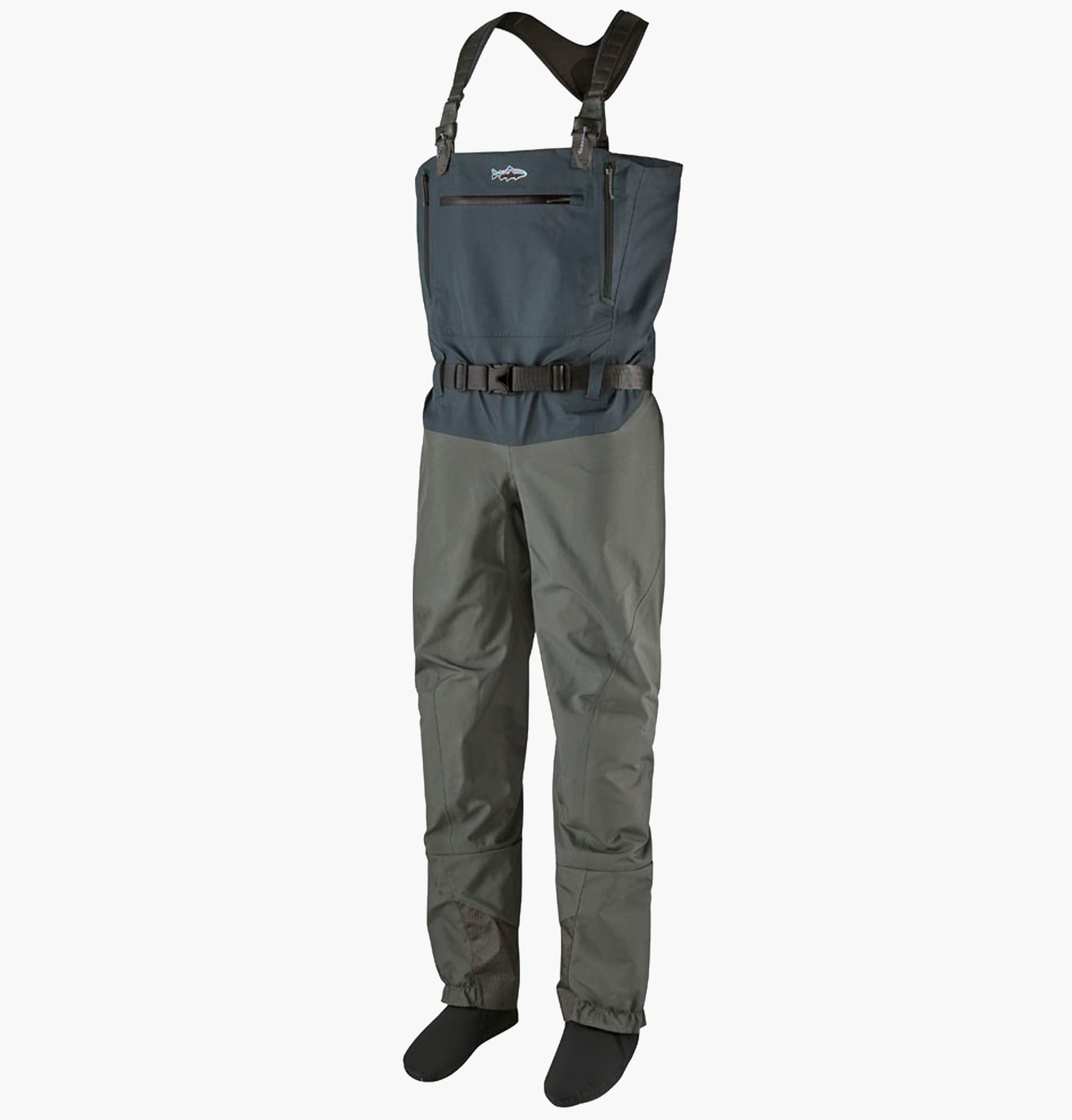
Orvis Ultralight Convertible Wader
The Orvis Ultralight Convertible Wader earns its place for exceptional packability and a convertible design that adapts to travel and changeable UK conditions, delivering a best-in-class weight-to-performance ratio. It is noticeably lighter and more travel-friendly than expedition pieces like Patagonia, and its competitive price-to-weight profile makes it a smart technical choice for anglers prioritising mobility over maximum ruggedness.
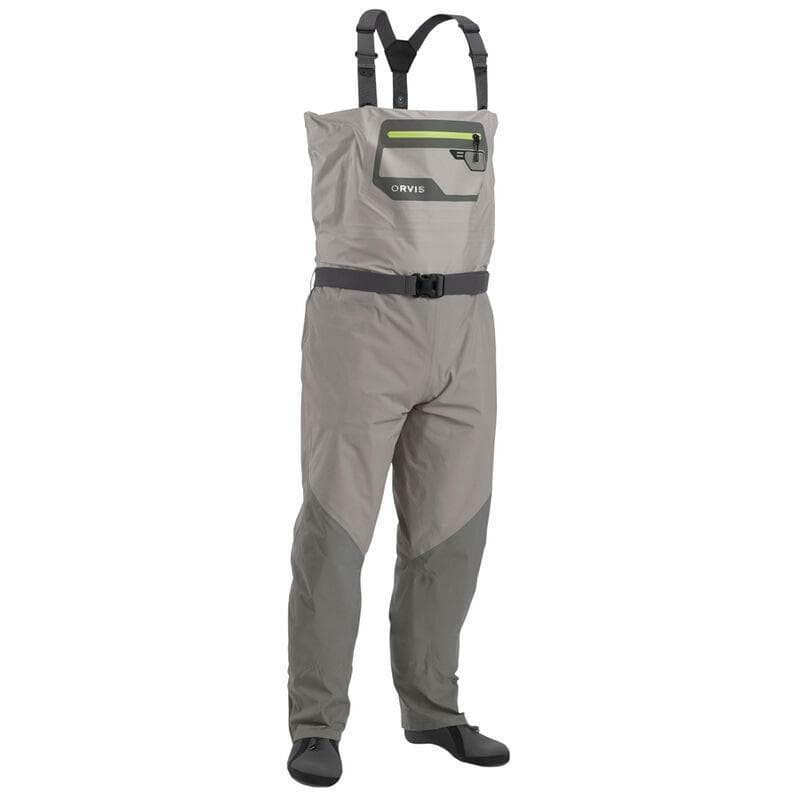
Where to buy Orvis Ultralight Convertible Wader in UK: we track one retailer, Orvis, and show the price we last observed there; the price you see at checkout may differ.
We may earn a commission on purchases. It never affects our rankings.
£280 – £350
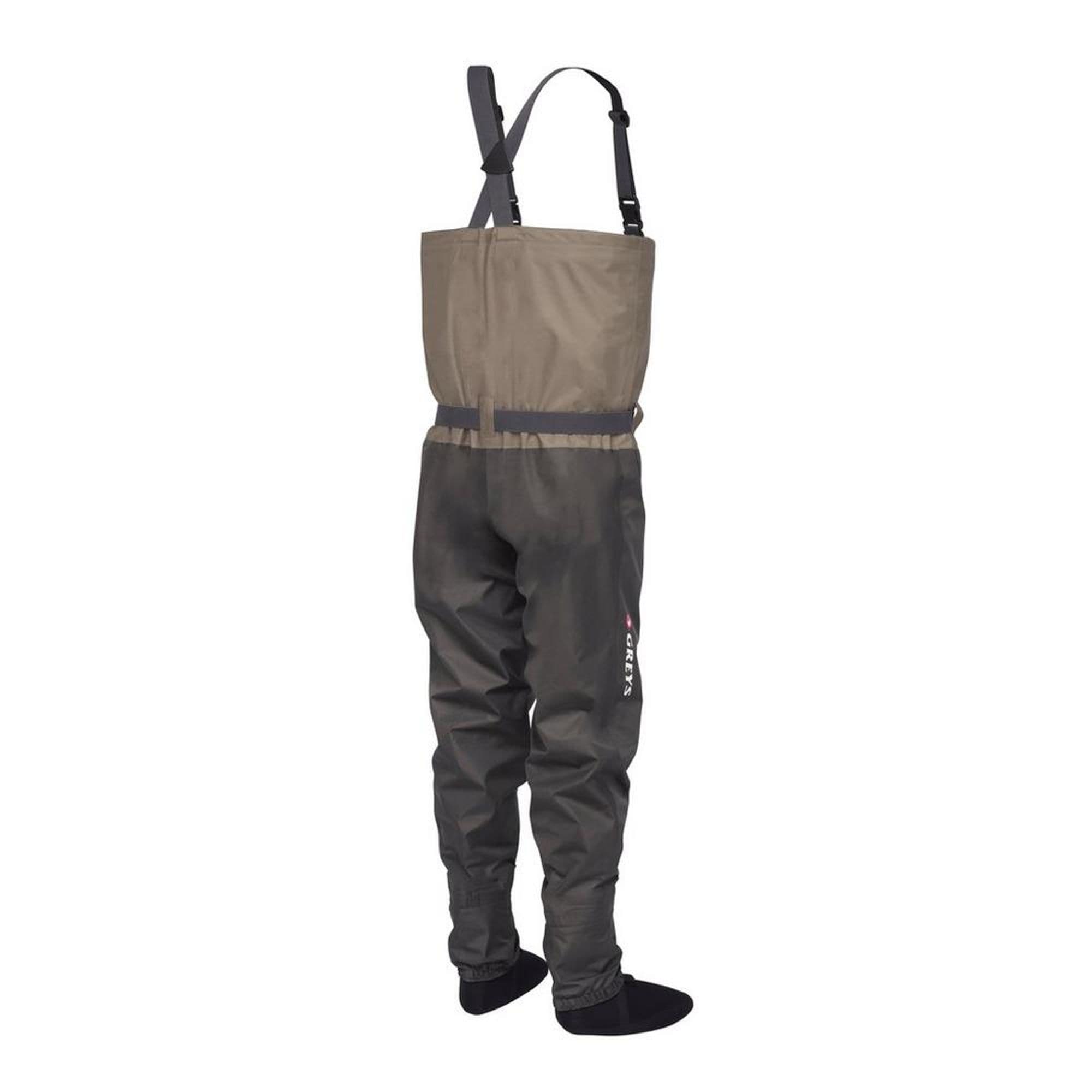
Greys GRXi+ Stockingfoot Waders
Greys' GRXi+ provides a strong mid-market offering tuned to European fits and UK river use, with multi-layer fabric, reinforced stress points and solid breathability that bridge the gap between premium and budget models. Its balanced specification and price make it a market leader for anglers who want technical performance and local fit without paying for Patagonia-level expedition features.
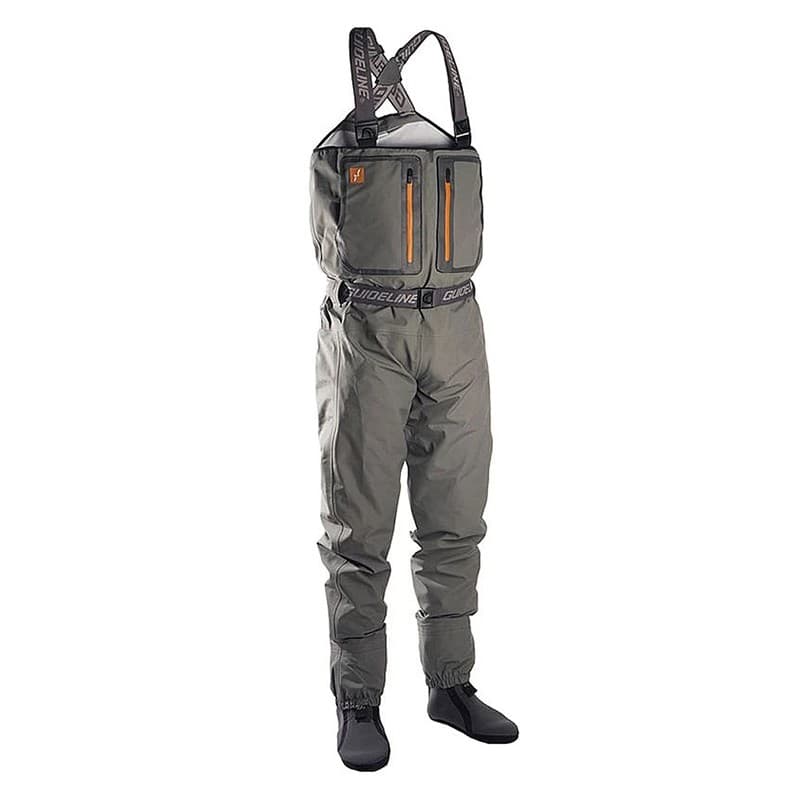
Guideline Laxa 2.0 Stockingfoot Waders
Guideline's Laxa 2.0 is designed for nimble movement and breathability, featuring a slim anatomical cut and efficient multi-layer membrane ideal for chalkstreams, small rivers and precise wading in the UK. Positioned mid-range, it competes with Greys on fit and comfort and with Orvis on manoeuvrability, delivering high technical performance for anglers who want versatility without the top-tier expedition price.
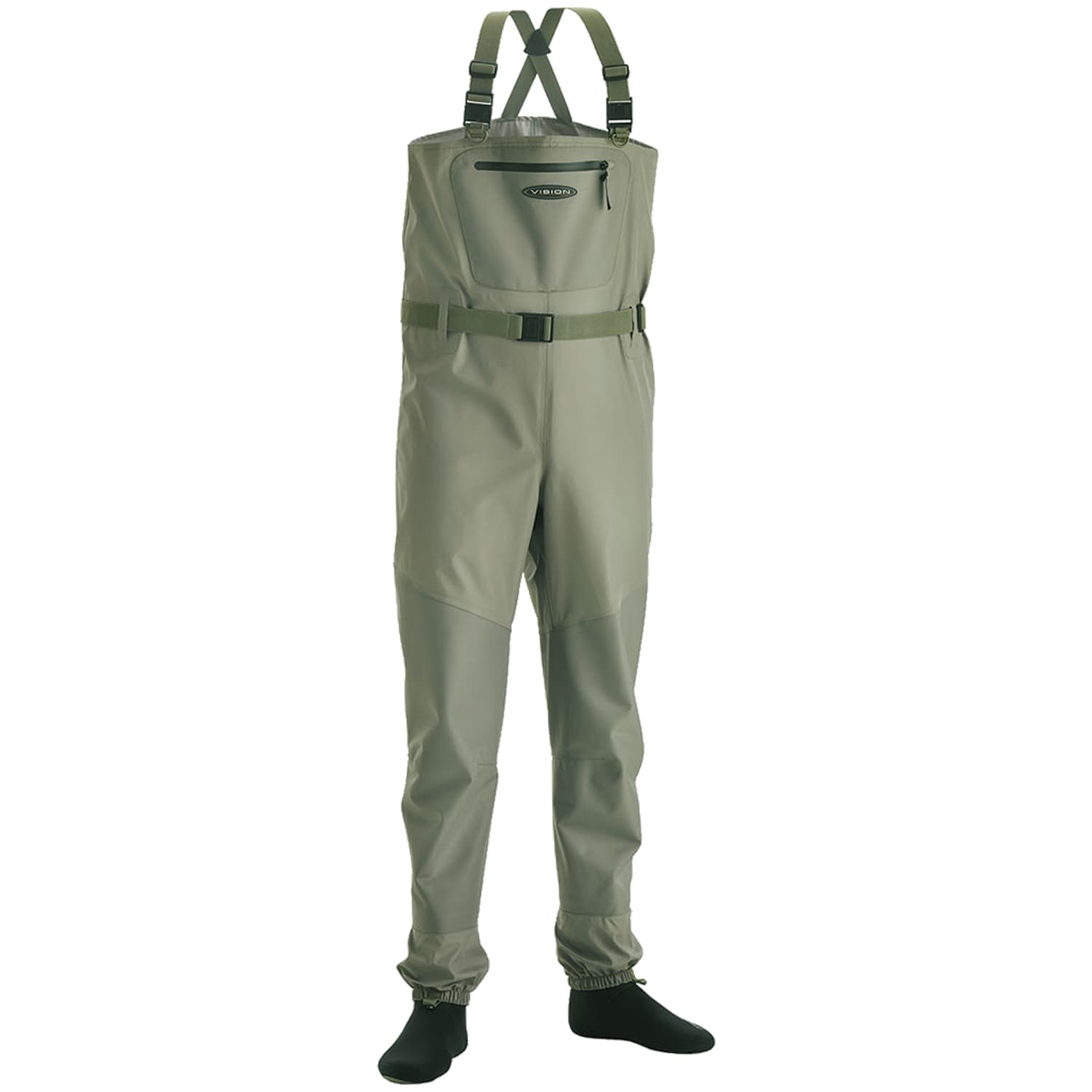
Vision Ikon Stockingfoot Waders
Vision Ikon delivers a compelling value-first stockingfoot wader with modern cut, reinforced wear zones and practical features like adjustable suspenders, making it a strong budget leader for regular UK use. While it lacks the expedition-grade durability of Patagonia and the refined fit of Guideline, its aggressive price and sensible feature set make it an excellent everyday option for serious anglers watching cost.
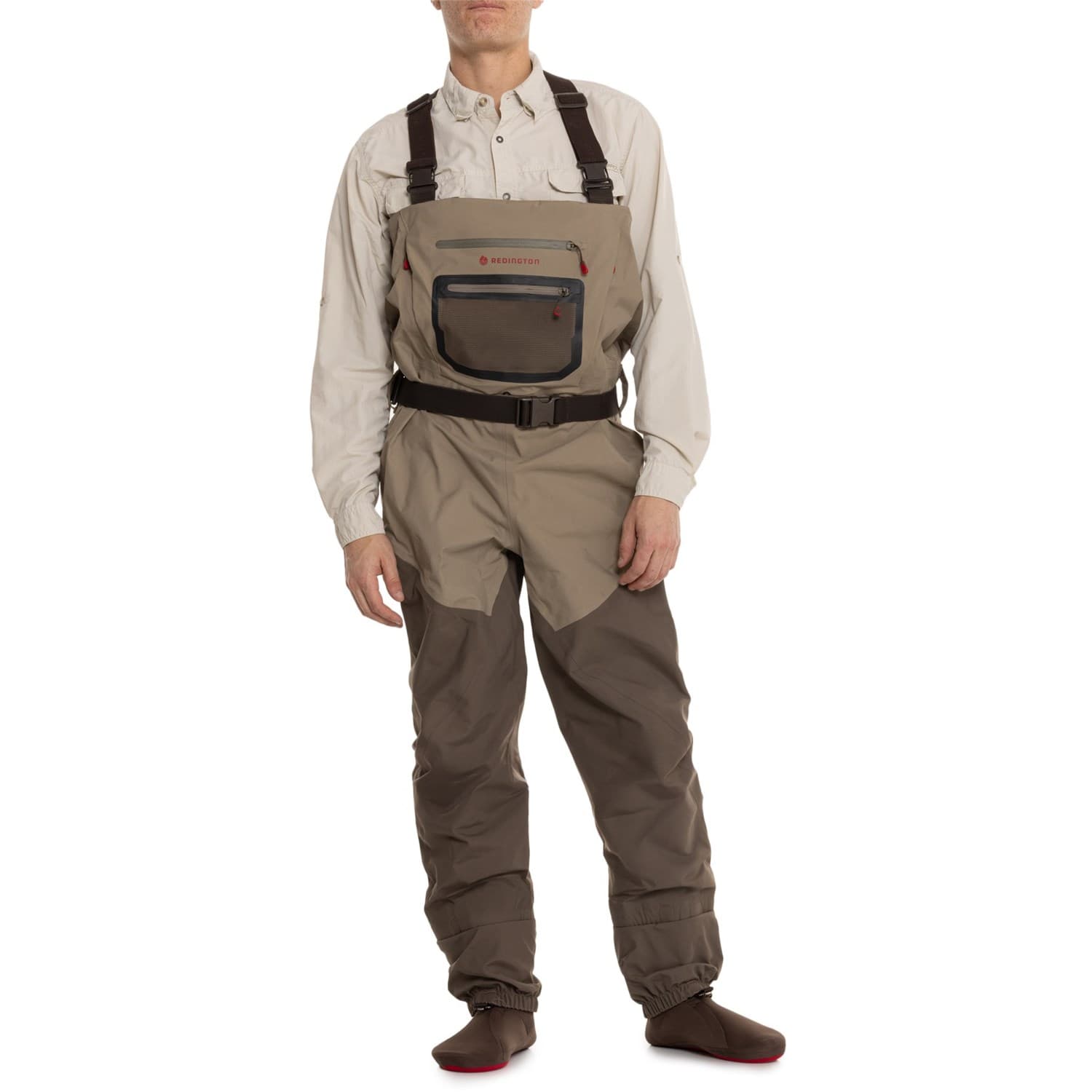
Redington Sonic-Pro HD Waders
Redington's Sonic-Pro HD balances rugged construction and affordability, offering reinforced seams, durable membranes and a workhorse orientation that handles colder UK seasons and abrasive riverbeds well. It sits below Patagonia on premium durability but above many entry-level choices on lifespan and features, making it a go-to option for anglers wanting heavy-duty performance without the highest price tag.
UK stockingfoot waders prioritise breathable membranes for temperate conditions, reinforced panels for rocky terrain common across British waters, professional repair accessibility through UK-based service centres, sizing options accommodating varied UK body types, and compatibility with premium British boot brands available through local retailers.
How Stockingfoot Waders Work, and What the Separate Boot Changes
The stocking foot is a neoprene sock welded to the leg of the wader. It keeps water out and adds a little insulation, but it has no sole and no structure, so it is never walked on directly. Grip, ankle support and toe protection all come from the wading boot you choose, which is why one pair of waders can be set up for greasy limestone one week and loose gravel the next. The practical trade-offs below all follow from that split.
Boot sizing: order wading boots one to two sizes above your normal shoe size. The neoprene stocking plus a wading sock takes up that much room, and boots sized to a bare foot will pinch and cut circulation once you are standing in cold water.
Sole choice stays open: rubber, studded rubber and felt all fit the same waders, and a worn-out boot is replaced on its own. That is the main reason stockingfoot systems last longer in practice than fixed bootfoot pairs.
Warmth comes from layering, not the wader: breathable stockingfoot waders have almost no insulation of their own, so cold-water comfort depends on fleece leggings underneath and on the boot not being laced so tight that it restricts blood flow.
Gravel guards matter: the elasticated cuff that pulls down over the boot keeps grit out of the join between stocking and boot. Trapped grit is the most common cause of abrasion leaks around the ankle.
Leaks are repairable: pinholes in the leg or seat are found by turning the waders inside out and wiping the area with isopropyl alcohol, which darkens as it wicks through a hole, then sealed with the manufacturer's urethane. Lifting seam tape and leaks in the neoprene stocking itself are the cases worth sending to a repair service.
Frequently Asked Questions
Do stockingfoot waders come with boots?
No. Stockingfoot waders end in a neoprene sock and are sold without footwear, so wading boots are a separate purchase on top of the wader price. The sock has no sole and no toe protection, so it should never be walked on over gravel or a car park—it wears through fast. Bootfoot waders are the alternative if you want one item that covers both.
What size wading boots should I buy for stockingfoot waders?
One to two full sizes above your normal shoe size. The neoprene stocking and a wading sock together take up roughly that much room, and boots sized to your bare foot will pinch and cut circulation once you are standing in cold water. If you are between sizes, or expect to wear thick winter socks, take the larger option.
Stockingfoot or bootfoot waders for UK rivers?
Stockingfoot for anything that involves walking or wading over rock: a proper wading boot gives ankle support, a sole matched to the riverbed, and a part you can replace when it wears out. Bootfoot makes more sense when you stand still in cold water—estuary and stillwater fishing from one spot—because the looser boot traps air and stays warmer, and there is nothing to lace at dawn.
Felt or rubber soles for fishing in Britain?
Felt is not banned in the UK, but it holds water and is very slow to dry, which makes it the worst sole for moving invasive species and fish disease between rivers. Studded rubber is the sensible default for most British water. If you do fish felt, follow the Check Clean Dry biosecurity steps between waters; because felt cannot be dried reliably, angling biosecurity guidance recommends immersing the boots in 50°C water for around five minutes instead. Some individual fisheries ban felt outright, so check before you travel.
Conclusion
For British anglers committed to maximising comfort and performance across varied UK waters, stockingfoot waders remain the unambiguous standard. The seven models examined here—Simms G3 Guide, Patagonia Swiftcurrent Expedition Zip, Orvis Ultralight Convertible, Greys GRXi+, Guideline Laxa 2.0, Vision Ikon, and Redington Sonic-Pro HD—span the complete spectrum of serious angling needs, from expedition-grade durability for remote Scottish lochs to lightweight, packable options for travelling anglers and excellent-value picks for regular sessions. Most UK anglers seeking the optimal balance between durability, innovative technology, and robust field support consistently return to the Simms G3 Guide Stockingfoot Waders as their preferred choice. Remember to budget for wading boots as a separate purchase—none of these waders include footwear. Use our refinement tools to narrow selections by thermal rating, fabric composition, price point, or intended fishing type—whether fly fishing English chalkstreams, salmon fishing Scottish rivers, or saltwater work along the Welsh coast.