

Best Medium Heavy to Heavy Freshwater Spinning Rods in the UK — 2026 Guide
Built for larger freshwater species and heavy cover situations, medium heavy to heavy freshwater spinning rods give UK anglers the backbone to handle big lures, heavy jigs, and solid hooksets while still maintaining good casting distance. These rods are popular for targeting big bass, pike, and musky in lakes, reservoirs and larger rivers where weed, reed beds and submerged structure demand power and control. Current trends in the UK market emphasise reinforced blanks, hybrid carbon constructions, and robust guides designed for braided line use and heavy loads. Anglers choosing this category prioritise sensitivity for bite detection, a stiff mid-to-butt section for drive and hooksetting, and reliable components that resist abrasion and corrosion in freshwater environments.
Inception's AI took the time to understand this market in the UK · · How we pickWe may earn a commission on purchases. It never affects our rankings.
Top Picks Summary
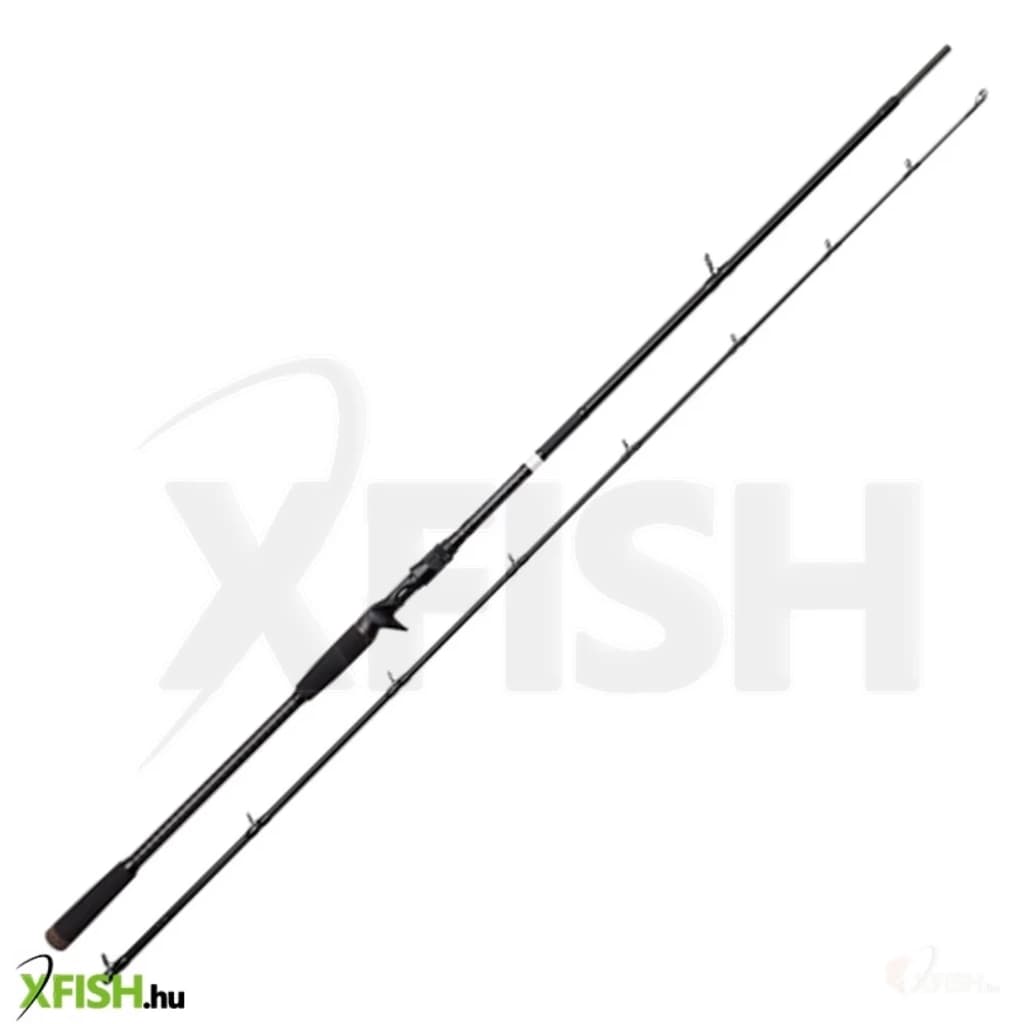
Savage Gear SG2 Heavy Lure Specialist
The SG2 Heavy Lure Specialist earns its spot by pairing a stiff, high-modulus carbon blank with heavy-action tuning that excels at casting and controlling large lures in medium-heavy to heavy freshwater applications. It offers a competitive price-to-performance ratio compared with premium, lighter offerings like the Daiwa Prorex AGS, giving anglers a robust, value-focused option for power work without sacrificing sensitivity needed for big-predator presentations.
Estimated£220 – £300
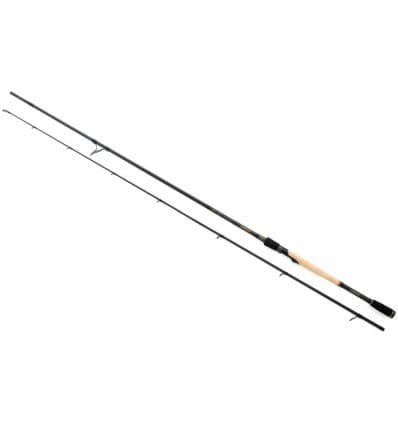
Fox Rage Terminator Pro Jigger
The Terminator Pro Jigger is purpose-built for vertical jigging and tight, powerful hookups, featuring a fast, compact blank that delivers rapid tip recovery and precise jig control in heavy freshwater scenarios. It stands out against more generalist heavy rods on this list by specializing in jigging action while remaining friendlier on price than the top-tier carbon-guide models, making it a strong choice when targeted technique and value matter most.
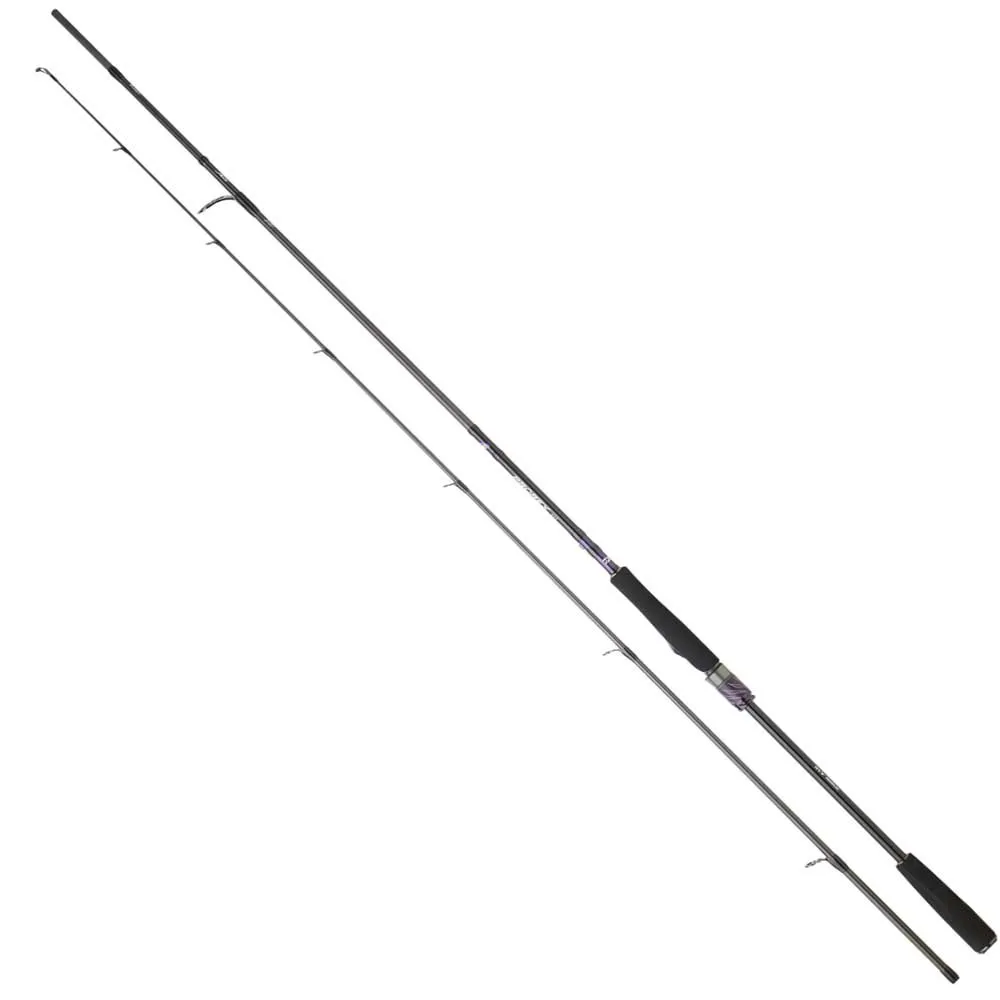
Daiwa Prorex AGS Spinning Rod
The Prorex AGS is the market-leading technical option thanks to Daiwa's AGS carbon guide system and an ultra-light, highly sensitive blank that maximizes bite detection and reduces overall swing weight for extended fishing sessions. While typically at a higher price point than the other rods here, its technical advantages in sensitivity and reduced line friction make it the go-to for anglers prioritizing performance and finesse in medium-heavy to heavy freshwater duties.
Abu Garcia Veritas PLX Spinning Rod
The Veritas PLX balances a stiff backbone with a surprisingly light blank to deliver strong hooksets and long casting capability for heavy freshwater use, positioning it as a high value pick for anglers seeking near-premium performance without the premium price. Compared with the ultralight, tech-forward Daiwa and the purpose-built Fox Rage jigger, the Veritas PLX offers a practical middle ground—solid construction and dependable power at a wallet-friendlier level.

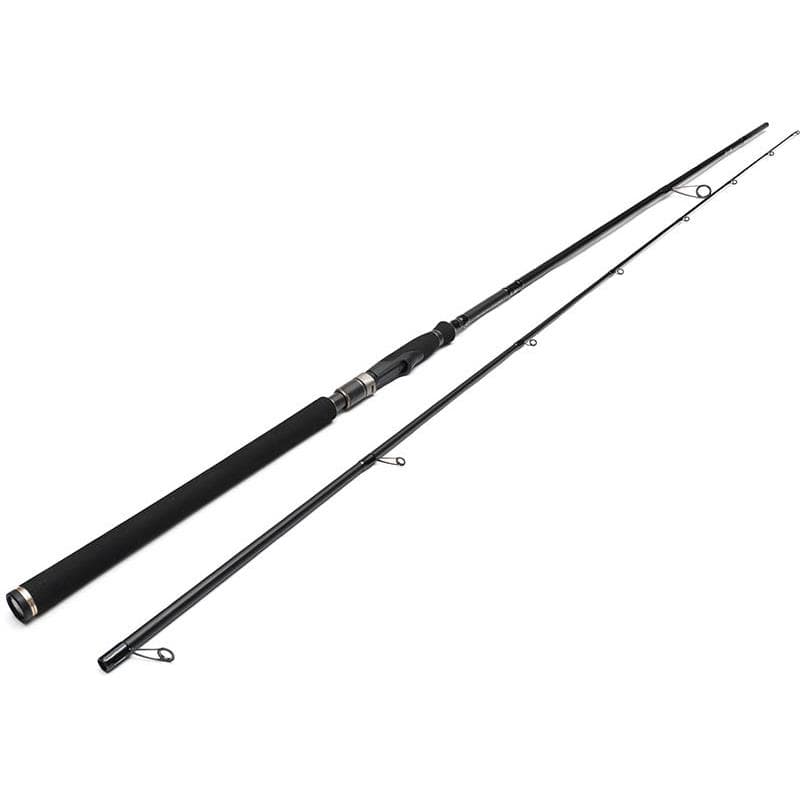
Westin W3 PowerTeez Spinning Rod
The W3 PowerTeez is a heavy-duty freshwater rod engineered for brute power — reinforced blanks, beefy componentry and a pronounced mid-to-butt section deliver the muscle needed for large lures and big fish. It trades some of the featherweight sensitivity of the Prorex AGS for raw strength and durability, making it the preferred choice when the mission is lifting and controlling trophy predators rather than maximizing light-touch feel.
Estimated£110 – £160
Why power and reinforced construction matter — simple science for anglers
Materials science and angling research explain why medium heavy to heavy rods perform well for large freshwater predators. Higher-modulus carbon and hybrid blank layups increase stiffness-to-weight ratio, giving rods the strength to turn larger hooks and control heavy fish without becoming excessively heavy for the angler. Guide design and placement influence casting efficiency and line wear: low-friction ceramic or treated silicon carbide guides reduce heat and abrasion when using braided lines, preserving line strength and improving lure distance. Biomechanics studies of hooksets and fish fighting show that a stiffer butt section improves hook drive and reduces lost fish when using large lures or in thick cover.
High-modulus carbon and hybrid layups increase stiffness while keeping rod weight manageable, improving power-to-weight performance.
Low-friction guide materials such as SIC reduce line abrasion and heat, particularly important for braid and heavy fluorocarbon leaders.
Taper engineering (progressive vs fast action) affects casting distance and fish control: progressive rods give more forgiving fight characteristics, fast action offers rapid hookset power.
Stronger butt sections reduce hook pull and improve leverage in heavy cover, which studies of angling biomechanics link to higher landing rates for large freshwater predators.
Frequently Asked Questions
Which rod should I choose for big lures UK bass?
Choose the Savage Gear SG2 Heavy Lure Specialist if you want a stiff, high-modulus carbon blank and heavy-action tuning for casting and controlling large lures, with an average rating of 4.6.
Does the Daiwa Prorex AGS use AGS carbon guides?
Yes—the Daiwa Prorex AGS Spinning Rod is equipped with ultra-light AGS carbon guides, paired with a high-volume, high-modulus carbon blank for crisp fast action and strong backbone, rating 4.7.
Is the Daiwa Prorex AGS worth the higher price?
Price isn’t provided for any of these rods, so I can’t compare value by cost; what we do have is ratings: Daiwa Prorex AGS Spinning Rod is 4.7, compared with Savage Gear SG2 at 4.6 and Fox Rage Terminator Pro Jigger at 4.4.
Which rod is best for vertical jigging heavy freshwater?
The Fox Rage Terminator Pro Jigger is purpose-built for vertical jigging, with a sensitive, stout blank tuned for vertical jigs and precise bite detection, plus a reinforced butt section; its average rating is 4.4.
Conclusion
These medium heavy to heavy freshwater spinning rods are built to handle the toughest UK predator scenarios. The five top options covered here are the Savage Gear SG2 Heavy Lure Specialist, Fox Rage Terminator Pro Jigger, Daiwa Prorex AGS Spinning Rod, Abu Garcia Veritas PLX Spinning Rod, and Westin W3 PowerTeez Spinning Rod. For most anglers seeking the best balance of sensitivity, reinforced construction and guide technology, the Daiwa Prorex AGS Spinning Rod stands out as the top choice. I hope you found the information you needed — use the site search to refine by species, rod length, casting weight or price if you want to expand or narrow your options.