

Best Running Recovery Tools in the UK 2025: Essential Massage Guns, Foam Rollers, Compression Gear & Recovery Footwear
British runners face unique challenges—unpredictable weather, demanding parkland terrain, and the pressure of maintaining fitness year-round across winter months and summer heat. Recovery tools have become essential for managing these demands. Foam rollers, percussion massage devices, compression garments, and specialist recovery footwear work together to accelerate muscle repair, reduce delayed-onset muscle soreness, and keep you training consistently. UK runners increasingly value equipment that performs in damp conditions, withstands regular use, and delivers clinically proven results without requiring expensive physiotherapy appointments. The British running community prioritises tools offering genuine durability through cold, wet seasons, reliable battery performance for commuters and travelling competitors, transparent scientific backing, and authentic comfort improvements. Local purchasing considerations matter too—rapid UK delivery, reliable warranty support from established retailers, and fair pricing relative to performance all influence which recovery kit runners actually invest in. Whether you're preparing for a spring marathon, recovering from winter training blocks, or simply trying to extend your running career injury-free, the right recovery approach can meaningfully reduce downtime and boost consistency.
Inception's AI took the time to understand this market in the UK · · How we pickWe may earn a commission on purchases. It never affects our rankings.
Top Picks Summary
TriggerPoint GRID Foam Roller
The GRID foam roller is a top-value self-myofascial release tool that combines a durable, multi-density core with a textured sleeve to simulate hands-on massage along large muscle groups, making it particularly useful for runners on a budget. It’s far more affordable than motorized percussive or pneumatic systems and excels at broad, longitudinal work that complements targeted devices like Theragun or mobility-focused footwear such as OOFOS.

Estimated£21 – £42
Theragun Prime
The Theragun Prime is a market-leading percussion massage gun prized in Britain 2025 for its deep-amplitude strokes, quiet motor and smart app guidance that make targeted post-run recovery simple and effective. Technically it delivers more therapeutic force than many compact rivals like the Compex Fixx 1.0 while remaining competitively priced against premium devices, making it the go-to for runners who want clinic-level percussive therapy without needing multiple recovery tools.
We may earn a commission on purchases. It never affects our rankings.
Estimated£200 – £260
Hyperice Normatec 3 Legs
The Normatec 3 Legs is the market-leading pneumatic compression system for runners who need whole-leg recovery; its sequential compression and patented pulse technology efficiently reduce swelling and accelerate circulation across both legs simultaneously. Although it sits at the higher end of the price spectrum, its time-saving, clinically oriented recovery sessions provide distinct advantages over single-point tools like percussive devices or foam rollers, and it pairs well with compression socks for daily maintenance.

We may earn a commission on purchases. It never affects our rankings.
£779.00GBP
OOFOS OOriginal Recovery Sandal
The OOFOS OOriginal recovery sandal uses proprietary OOfoam to absorb impact and promote natural gait recovery, offering an inexpensive, everyday recovery solution for British runners that complements more technical tools like massage guns and foam rollers. Financially accessible compared with high-end compression wear, the sandal is ideal for post-run wear, reducing load on joints and filling the low-cost, high-comfort slot in a balanced recovery kit.
We may earn a commission on purchases. It never affects our rankings.
Estimated£55 – £80
2XU Compression Tights
2XU Compression Tights deliver medical-grade graduated compression and targeted muscle support, making them a top choice in Britain 2025 for sustained post-run circulation and reduced soreness; they tend to sit at a premium price point but justify it with durability, moisture management and race-ready features. Compared with mid-range compression options like SKINS Series-5, 2XU skews more technical and structured, offering runners who prioritise performance recovery a stronger compression profile.
We may earn a commission on purchases. It never affects our rankings.
Estimated£80 – £130
Compex Fixx 1.0 Massage Gun
The Compex Fixx 1.0 is a value-focused percussion device from a Swiss brand that delivers reliable percussive relief in a compact, travel-friendly package, undercutting many pricier massage guns while still offering multiple speed settings and solid battery life. Technically it offers a slightly lower amplitude than the Theragun Prime but compensates with affordability and build quality, making it a practical second-tool for runners assembling a cost-effective recovery setup in Britain.

Estimated£120 – £160
SKINS Series-5 Compression Long Tights
SKINS Series-5 Compression Long Tights balance performance and comfort with anatomically zoned compression and breathable fabrics, often providing better day-to-day wearability for long recovery periods than stiffer, more expensive alternatives. Priced competitively against 2XU, SKINS targets runners who want effective graduated support and flexibility without paying a premium for race-level features, positioning it as a high-value option in a British runner’s recovery wardrobe.
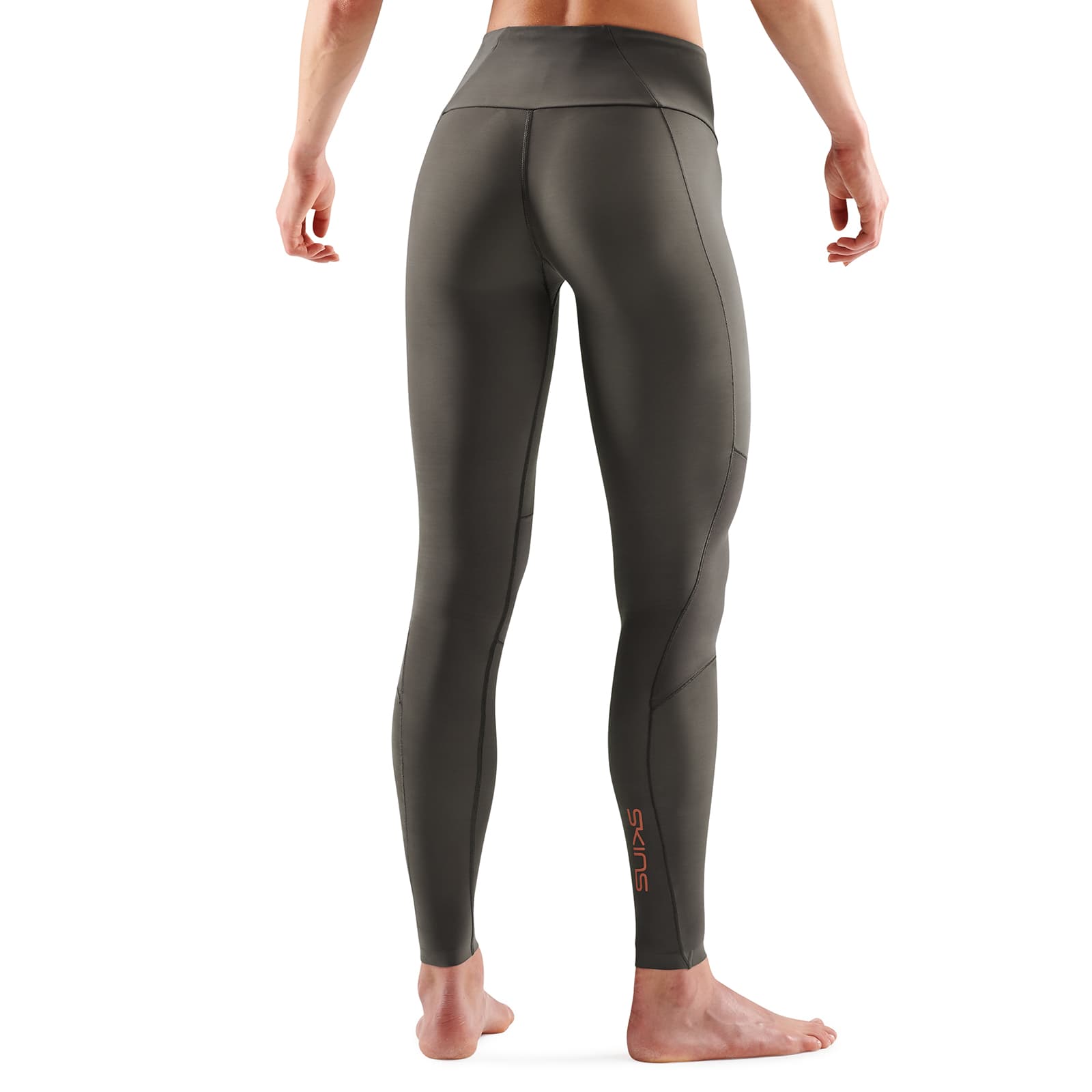
Estimated£120 – £180
LSKD Marble Foam Roller
The LSKD Marble Foam Roller is a durable, medium-density roller that offers cost-effective self-myofascial release for runners, ideal for loosening calves, IT bands and glutes after British road or trail sessions. Technically simpler than electronic tools like massage guns, its financial advantage is clear—low upfront cost and long lifespan—making it the most wallet-friendly way to get targeted pressure work alongside footwear and compression solutions in a 2025 recovery kit.
Estimated£20 – £40
Percussion massage technology proven to reduce muscle tension; graduated compression systems backed by sports science research; durable construction withstanding British climate conditions; rechargeable battery systems offering extended use between charges; lightweight, portable designs suitable for runners on the move.
What the Research Says About Recovery Tools
Scientific studies and systematic reviews show that a combination of mobility work, targeted massage, compression, and active recovery can reduce delayed onset muscle soreness (DOMS), improve perceived recovery, and in some cases speed return of performance. Evidence indicates different tools offer different benefits: foam rolling tends to improve short-term range of motion and reduce stiffness, percussion massage devices can reduce muscle pain and perceived fatigue when used correctly, compression garments may help limit post-exercise swelling and perceived soreness, and recovery footwear supports passive recovery by improving comfort and reducing impact during low-intensity activities. Results vary by protocol, athlete level, and timing, but using these tools as part of a planned recovery routine is supported by current sports science.
Foam rolling: Randomized studies and meta-analyses suggest short bouts of self-myofascial release (typically 30 to 120 seconds per muscle group) can increase flexibility and reduce perceived soreness without reducing muscle strength.
Percussion/massage guns: Controlled trials show percussion therapy can reduce pain and perceived fatigue and may improve short-term range of motion; start with low to moderate intensity and limit 1 to 3 minutes per muscle area.
Compression garments: Evidence from trials indicates graduated compression socks and sleeves can reduce post-exercise swelling and perceived soreness, and may help recovery between repeated efforts when worn during and after exercise for several hours.
Recovery footwear: Research on recovery shoes and sandals shows they can lower plantar pressure and improve comfort during passive recovery and light activity, which helps reduce overall discomfort in the lower limbs.
Practical tip: Combine strategies—use mobility and foam rolling immediately after hard runs, percussion therapy for targeted tight spots, and compression wear in the hours after intense sessions to get complementary benefits.
Frequently Asked Questions
Which recovery tool should I pick for post-run tightness?
For runners on a budget, choose the TriggerPoint GRID Foam Roller: it uses a multi-density grid surface to simulate massage and release tight fascia, making it a targeted self-myofascial option after training (rating 4.6).
Does the Theragun Prime have adjustable intensity settings?
Yes—the Theragun Prime delivers deep percussive therapy with adjustable speed settings, plus an ergonomic multi-grip handle for targeted reach and comfort (average rating 4.5).
How does the GRID foam roller price compare for value?
The provided data doesn’t include the TriggerPoint GRID Foam Roller or any other listed product prices, so I can’t compare value by cost from here (GRID rating 4.6; Theragun Prime 4.5; Hyperice Normatec 3 Legs 4.4).
Who is Hyperice Normatec 3 Legs for, and not?
Hyperice Normatec 3 Legs is for whole-leg recovery: it uses sequential pulsing compression with zone control to address running-related fatigue and swelling in both legs simultaneously (rating 4.4); the data doesn’t specify who it isn’t for.
Conclusion
Building an effective recovery system helps British runners train smarter across all seasons and terrain types. The five products featured here represent the main recovery strategies: the Therabody Theragun PRO (5th Generation) delivers powerful, adjustable percussion therapy with impressive battery life; Hyperice Normatec 3 Legs offers compression-based recovery specifically designed for leg fatigue following long runs; TriggerPoint GRID Foam Roller provides affordable, practical self-massage without requiring electricity; OOFOS OOahh Slide combines proven footwear comfort with genuine recovery benefits for post-run wear; and CEP Run Compression Socks 4.0 deliver graduated compression during and after training. For runners seeking one versatile, clinic-quality investment, the Therabody Theragun PRO (5th Generation) stands out due to its adaptability, proven performance, and strong UK retailer availability. Explore the full comparison using our filters to narrow by budget, specific recovery priorities, or local stock availability. Your recovery toolkit awaits.