Essential Repair Solutions for Bivouac Shelters and Emergency Tarps — UK Hillwalker's 2025 Comparison
Publié le lundi 25 août 2025
When you're wild camping in the Scottish Highlands or caught in an unexpected downpour on Dartmoor, a damaged bivvy sack or emergency shelter can quickly become a serious problem. Whether it's a small puncture from gorse, a seam separation from freeze-thaw cycles, or a tear sustained during rapid deployment, field repairs need to be swift, reliable, and effective in wet British conditions. This guide examines five specialist patch kits designed specifically for the demands of UK outdoor pursuits — from fell walking and mountaineering to expedition-style backpacking and remote site work. Unlike general-purpose repair solutions, these kits address the unique challenges posed by modern shelter fabrics: silnylon's smooth surface, GORE-TEX membranes' delicate construction, and coated polyesters' temperature sensitivity. British outdoor enthusiasts consistently prioritise portable, lightweight repair systems that function without requiring heat sources (crucial when working in damp, windswept conditions), remain adhesive at near-freezing temperatures, and operate efficiently whilst wearing insulated gloves. This comparison helps you identify which kit matches your typical adventures, whether you're a regular bothie visitor, a Mountain Rescue volunteer, or an outdoor educator managing group equipment.
Les meilleurs choix
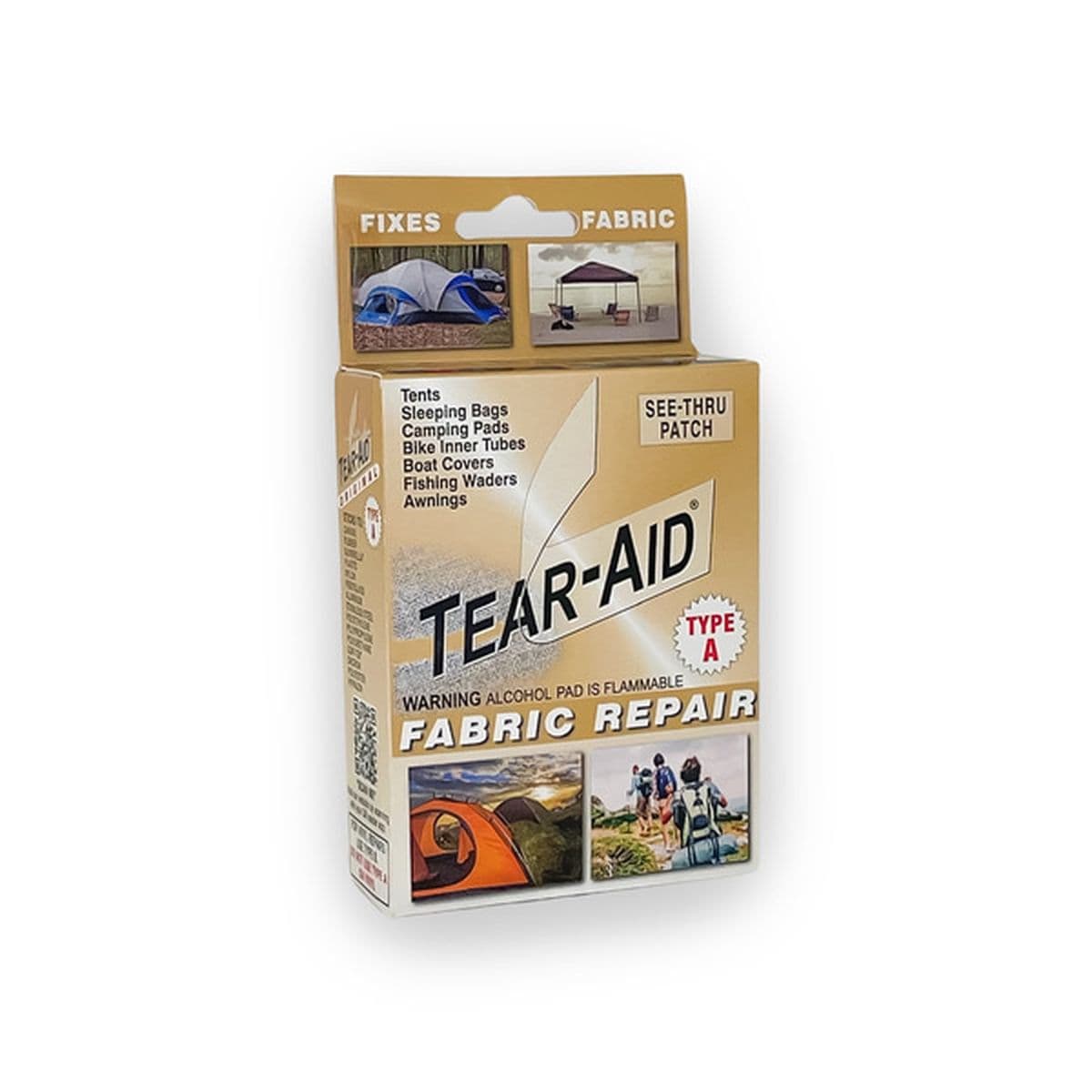
Tear-Aid Type A Fabric Repair Kit
Tear-Aid Type A earns a top spot because its clear, pressure-sensitive patches form an almost invisible, permanently flexible repair that withstands moisture and abrasion — ideal for emergency shelters and bivvy sacks in windy, wet British conditions. Compared with tape-based options like McNett Tenacious Tape it offers a neater, longer-lasting finish, and it needs no cure time unlike liquid adhesives such as Stormsure or Seam Grip WP, which makes it the fastest field-ready solution despite a slightly higher per-patch cost. Its technical edge is the combination of UV resistance and elasticity that keeps seams and fabric tears sealed without stiffening crucial shelter panels.
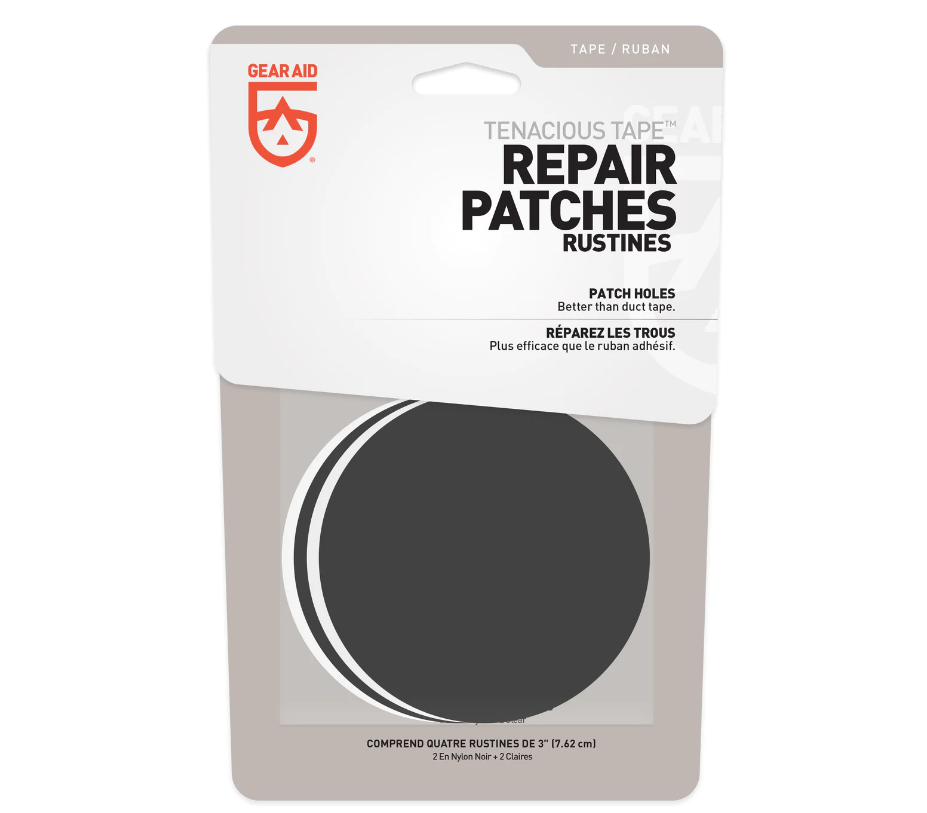
McNett Tenacious Tape Repair Tape
McNett Tenacious Tape is the most cost-effective, field-friendly choice for quick fixes, available in rolls and pre-cut patches suited to a wide range of fabrics from ripstop nylon to CCF bivvy materials. While not as invisible as Tear-Aid or as conforming as a liquid adhesive like Stormsure, Tenacious Tape’s low price and immediate tack make it ideal for rapid emergency repairs where speed and economy matter most in a British backcountry scenario. For teams wanting to carry minimal kit, its light weight and variety of colours/materials deliver strong shear resistance and durable weatherproofing at a fraction of the cost of specialist sealants.
Stormsure Flexible Repair Adhesive
Stormsure takes the middle ground with a flexible, solvent-based adhesive that bonds and seals irregular or ragged tears better than flat tapes, creating a waterproof, washable repair that remains supple in cooler UK climates. Compared with pressure-applied patches it requires cure time, but its ability to conform to seams, zips and multi-texture joins gives it a technical advantage for long-term shelter repairs where tapes struggle to bridge gaps. Financially it represents good value for multi-repair use in the field: a single tube can service many shelters, making it an economical choice for groups and rescue teams.

Vango Tent Repair Kit
Vango’s branded tent repair kit is a practical, all-in-one option aimed at tent and shelter owners who want manufacturer-compatible patches, poles/peg spares and simple repair accessories tailored to common campsite failures. It’s more comprehensive than single-item fixes like Tear-Aid or Seam Grip WP but less specialised — the kit is cost-effective for Vango tent users and useful for emergency shelter maintenance on British trips, though it lacks the high-performance adhesives that liquids and specialist tapes deliver. The kit’s chief advantage is convenience and compatibility with Vango fabrics, making it the go-to choice for owners needing a ready-to-use, compact repair pack.

Gear Aid Seam Grip WP Waterproof Sealant and Adhesive
Gear Aid Seam Grip WP is the market-leader for seam sealing and re-bonding because its durable urethane formula restores original waterproofing and remains highly flexible through temperature changes common in the UK, outperforming most tapes on longevity. It requires curing time and careful application compared with instant tapes like Tenacious Tape, but for critical seam repairs and long-term waterproof restoration it justifies the higher price by keeping shelters dry and mobile over many seasons. Technically superior for heavy-duty seam work, Seam Grip WP is the go-to for pre-trip maintenance and permanent emergency repairs where long-term performance matters.

These specialist kits distinguish themselves through cold-weather adhesive formulations that remain tacky below freezing, compatibility with high-tech shelter fabrics (silnylon, GORE-TEX, nylon ripstop), application ease whilst wearing insulated gloves, and genuinely compact pack weight. Each solution has proven reliable across genuine UK field conditions including Scottish winter, Welsh mountain exposure, and sustained wet weather.
Understanding Bivvy and Emergency Shelter Repair Requirements
UK outdoor conditions present specific challenges for shelter fabric integrity. Modern bivvy sacks employ thin, ultralight fabrics engineered for packability rather than durability — silnylon offers exceptional weather resistance but can tear if snagged; GORE-TEX membranes provide breathability but require specialised repair approaches; traditional nylon remains robust but demands proper adhesive selection. Field repairs succeed when matching patch chemistry to fabric type, understanding application temperature ranges, and recognising when repairs serve as temporary solutions versus permanent fixes.
Silnylon repairs require adhesives that bond to slippery coated surfaces without compromising fabric waterproofing
GORE-TEX patches must protect the membrane layer whilst allowing moisture transmission — standard patches can fail catastrophically
Temperature performance matters significantly: British winter expeditions and high-altitude ventures expose adhesives to -5°C conditions where many consumer patches lose effectiveness
Gloved application is essential — test kits work with insulated mountaineering gloves rather than requiring bare-handed precision
Temporary field patches (lasting 1-3 days) differ fundamentally from semi-permanent solutions (lasting weeks); understanding your requirements prevents false expectations
Seam-taped shelter fabrics require edge-matching repairs to maintain structural integrity; random patch placement compromises load distribution
Questions régulièrement posées
Which repair kit is best for invisible bivvy sack patches?
The Tear-Aid Type A Fabric Repair Kit is the best choice for near-invisible repairs because its transparent, pressure-sensitive patches bond seamlessly to nylon and canvas fabrics.
What is the average rating for the McNett Tenacious Tape?
The McNett Tenacious Tape Repair Tape holds an average rating of 4.5 stars from users for its ultra-tough grip on ripstop nylon and polyester shelter materials.
Is Stormsure Flexible Repair Adhesive better than tape for ragged tears?
Stormsure Flexible Repair Adhesive is superior for ragged tears because its solvent-based formula bonds and seals irregular shapes, creating a waterproof, elastic finish that remains supple in cool UK climates.
Does the Tear-Aid Type A kit require sewing for field repairs?
The Tear-Aid Type A kit does not require sewing, as it features a simple self-adhesive application designed for quick, permanent field repairs on bivvy sacks and emergency shelters.
Conclusion
Selecting the right patch kit transforms a potential crisis into a manageable inconvenience during your UK backcountry ventures. The five solutions featured here — GEAR AID Tenacious Tape Repair Patches, GEAR AID Tenacious Tape Silnylon Patches, TEAR-AID Type A Repair Kit, Coghlan's Nylon Repair Kit, and GEAR AID GORE-TEX Fabric Repair Kit — collectively address every shelter fabric scenario encountered by British walkers and mountaineers. Whether you prioritise versatility across multiple shelter types, require silnylon-specific solutions for modern three-season shelters, need membrane-compatible patches for premium equipment, or prefer straightforward nylon strip repairs, these options deliver field-proven performance. Most UK users find the GEAR AID Tenacious Tape Repair Patches offer the optimal combination of broad compatibility, consistent adhesion in cold damp conditions, and genuine packability — essential qualities when every gramme counts on extended trips. Rather than choosing based on marketing alone, consider your typical shelter type, expected repair scenarios, and willingness to manage application in challenging weather. Explore alternative filter options on our site to refine selections by fabric material, operating temperature range, or total weight if you wish to compare additional categories.