HDR Drones UK 2026 — Guide to the Category (Top 5 Picks)
Published on Monday, 26 January 2026
HDR drones capture a wider range of light and shadow than standard aerial cameras, producing images and video with more visible detail in both bright and dark areas. In the UK market HDR-capable drones appeal to professional photographers, filmmakers, surveyors, inspection teams and real estate agents who need reliable, high-quality imagery in variable lighting and often challenging weather. Consumers in the UK also value compact, weather-resistant systems, strong image stabilization and software-driven HDR processing because these features reduce retakes and simplify post production. With evolving sensor and computational photography advances, HDR functionality is increasingly integrated into mainstream drone models rather than limited to specialist units, which affects available shortlistable options.
Top Picks Summary
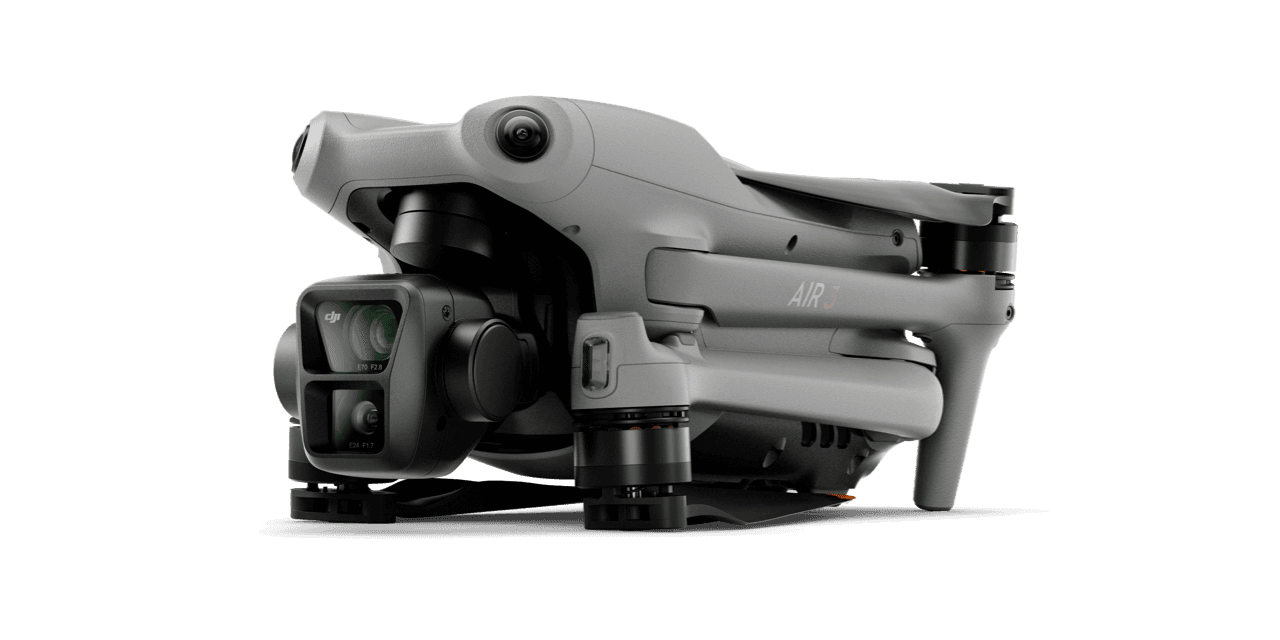
DJI Air 3
The DJI Air 3 is a high-value HDR-capable consumer drone that balances a large sensor and dual-camera flexibility with a midrange price, making it the best choice for users who want professional-looking HDR footage without the premium cost of flagship cinema models. Compared with the Mavic 3 Pro it trades a bit of ultimate dynamic range for affordability and lighter weight, while outperforming the Mini 4 Pro in sensor capability and low-light HDR, and offering a more traditional cinematic platform than the FPV-focused Avata 2.
DJI Mavic 3 Pro
The DJI Mavic 3 Pro is the market-leading HDR drone, offering the largest sensor and highest dynamic range in the lineup for truly cinematic HDR imagery and professional workflows; its multi-focal camera system and high bitrate recording make it the technical leader for demanding projects. It costs more than the Air 3 and EVO Lite+ but delivers superior raw latitude and color retention, and while heavier and pricier than the Mini 4 Pro, it remains the go-to for production-level HDR capture that the Avata 2 cannot match due to its FPV focus.
DJI Mini 4 Pro
The DJI Mini 4 Pro brings HDR imaging to the lightweight, sub-250 g category, providing impressive computational HDR and portability that make it ideal for travel, casual shooters, and situations with regulatory advantages. It doesn’t match the sensor size or raw dynamic range of the Mavic 3 Pro or Air 3, but its low weight and lower price point deliver unique financial and logistical advantages over larger HDR drones, and it’s far more accessible than the specialized Avata 2.
%2Fcdn.vox-cdn.com%2Fuploads%2Fchorus_asset%2Ffile%2F24952800%2Fmini_4_pro_dji.jpg&w=3840&q=75)
£650-900 GBP
Autel Robotics EVO Lite+
The Autel EVO Lite+ is a strong HDR contender with a large 1-inch sensor and variable aperture that delivers excellent low-light HDR performance and attractive out-of-camera color—making it a cost-effective alternative for users seeking high dynamic range without DJI’s flagship price. Technically it sits between the Mini and full-size DJI models by offering better low-light HDR than the Mini 4 Pro and a more competitive price-to-performance ratio versus the Mavic 3 Pro, giving buyers strong value when color science and flexible exposure control matter.
£750-1,100 GBP
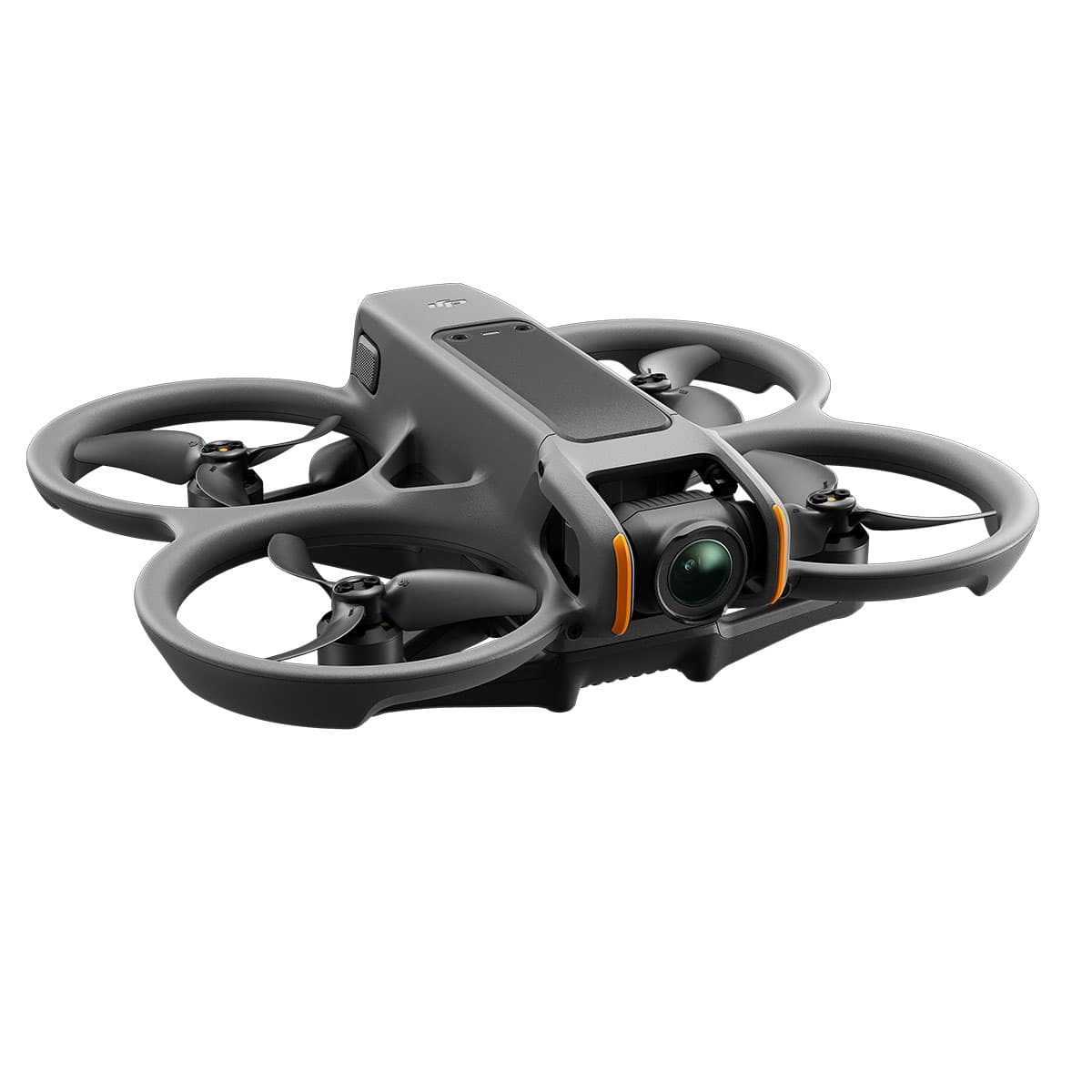
DJI Avata 2
The DJI Avata 2 is an HDR-capable FPV drone designed for immersive, kinetic HDR footage rather than traditional cinematic gimbal moves, offering a unique way to capture high-contrast scenes from dynamic angles that conventional drones on this list can’t replicate. While it won’t match the Mavic 3 Pro’s raw dynamic range or the Air 3’s stable cinematic platform, it provides an affordable, niche option for action-oriented HDR capture that complements the other drones rather than replaces them.
Why HDR Matters for Drone Imaging — Research and Practical Benefits
High dynamic range imaging increases the amount of usable information in scenes that include bright skies, reflective surfaces and deep shadows. Research in imaging science, computational photography and remote sensing shows that combining exposures or using multi-gain sensors preserves highlight and shadow detail, improving visual quality and the accuracy of derived data products such as orthomosaics and inspection imagery. For drone operators this translates into fewer exposure errors in the field, reduced time spent on manual exposure blending in post production, and more consistent inputs for automated analysis tools. Scientific and applied studies across photogrammetry and remote sensing communities support HDR workflows when dealing with high-contrast environments.
Improved exposure balance: HDR reduces blown highlights and blocked shadows, giving clearer, more usable images in high-contrast scenes.
Better photogrammetry and mapping: More evenly exposed images can improve feature matching and the quality of orthomosaics and 3D models.
Enhanced inspection outcomes: HDR helps reveal detail on reflective or shadowed surfaces, useful for infrastructure and asset inspections.
Reduced post-production time: In-camera or automated HDR workflows cut down the need for manual bracket merging and tone mapping.
Stronger inputs for AI: Consistent exposure and detail support machine learning algorithms used in automated analysis and defect detection.
Weather resilience: In the UK, variable light and frequently cloudy conditions make HDR a practical feature for reliable results across sessions.
Frequently Asked Questions
Which HDR drone is best for professional filmmakers in the UK?
The DJI Mavic 3 Pro is the best choice for professional filmmakers because it features a large-format main sensor and supports 10-bit color profiles for advanced HDR color grading.
Does the DJI Mini 4 Pro support 4K HDR video recording?
Yes, the DJI Mini 4 Pro features a 3-axis gimbal that delivers stabilized 4K HDR video despite its compact, sub-250g airframe.
Is the DJI Air 3 a good value for HDR aerial photography?
The DJI Air 3 is a high-value choice for users wanting professional-looking HDR footage, offering a dual-camera system and 48MP detail at a midrange price point.
Which HDR drone is most suitable for travel and casual use?
The DJI Mini 4 Pro is the most suitable option for travel, as it weighs under 250g and holds a 4.7 average rating for its portable, foldable design.
Conclusion
As of 2026 this page lists zero top picks under the strict HDR drones criteria used for our shortlists. That reflects how HDR capability is now commonly packaged as a feature across many drone models rather than a separate category with clear standouts. We hope this guide helped you understand what HDR drones do and why they matter in the UK. If you did not find what you were looking for, try refining or expanding your search to include terms like "drones with HDR features", "aerial cameras" or "2026 drone reviews" using the site search.