Top 7 Cloud Server Processors in the UK for 2026: Best Picks for Performance and Efficiency
Published on Thursday, 26 February 2026
In today's rapidly evolving digital landscape, selecting the right server processor is paramount for organisations seeking to establish robust cloud networking infrastructure across the United Kingdom. Whether you are managing enterprise data centres, supporting distributed networks, or optimising mission-critical applications, the processor you choose fundamentally impacts performance, reliability, and operational costs. Modern cloud networking demands processors that excel at handling virtualisation workloads, containerised applications, and real-time data processing while maintaining strong energy efficiency. British businesses across finance, telecommunications, healthcare, and e-commerce increasingly recognise that investing in high-calibre server processors directly translates to improved system responsiveness, reduced latency, and enhanced security. Buyers in the UK typically prioritise a mix of raw core counts, single-thread performance, memory bandwidth, platform stability, vendor support, and total cost of ownership. They also look for processors that integrate well with common cloud orchestration tools, deliver consistent performance under virtualised loads, and reduce power and cooling costs on a per-workload basis. This guide focuses on cloud server processors within the Server Processors category and presents the top seven options for UK deployments in 2026, comparing their strengths for different cloud networking scenarios so IT decision makers can align product choice with workload profiles and business objectives.
Top Picks Summary
AMD EPYC 9654 96-Core Processor
The AMD EPYC 9654 stands out in the 2025 UK cloud networking market for delivering industry-leading socket-level throughput with 96 cores, 12-channel DDR5 memory, and abundant PCIe Gen5 lanes—making it the top choice for high-density NFV and carrier-grade routing. Compared with the other processors on this list it offers superior raw multi-threaded performance and mature x86 application compatibility, and although its power draw is higher than some Arm alternatives, its price-performance and broad OEM support translate to strong total cost of ownership for large-scale UK cloud deployments.
Intel Xeon Platinum 8480
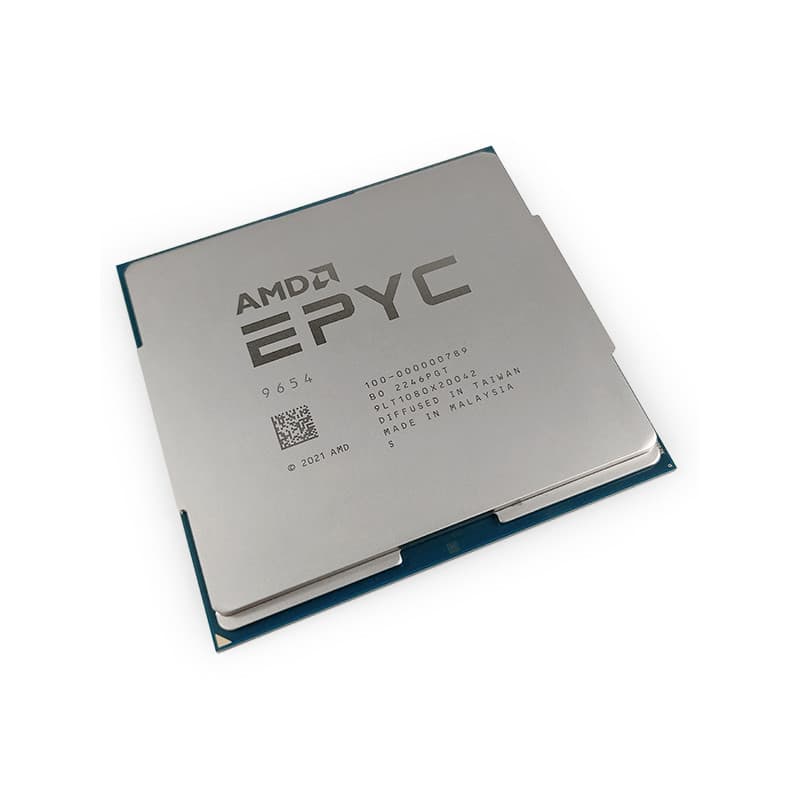
The Intel Xeon Platinum 8480+ is a market leader in the enterprise CPU space, offering unparalleled performance and security features. Known for its robust architecture, it supports advanced analytics and artificial intelligence workloads efficiently. With its built-in Intel AVX-512 instruction set, it excels in high-performance computing applications, making it a reliable choice for mission-critical environments. Additionally, it benefits from Intel's cutting-edge technology, ensuring businesses stay competitive in a rapidly evolving digital landscape.

£7,000 – £8,000
AMD EPYC 9534 64-Core Processor
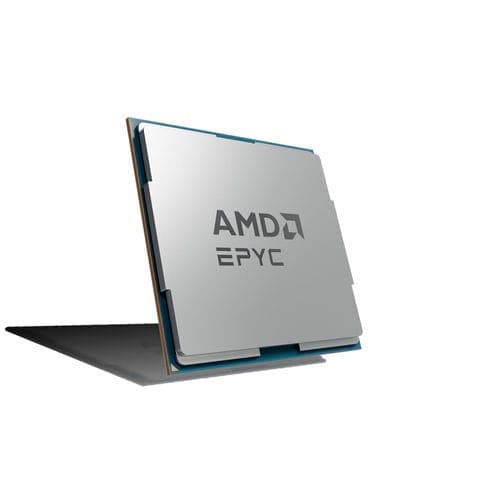
The AMD EPYC 9534 delivers a balanced, cost-optimized 64-core platform tailored for mid-tier cloud networking in the UK in 2025, preserving much of EPYC's memory and I/O advantages while cutting upfront and operating costs versus the 9654. Compared to the 9654 it offers better near-term ROI for many virtualized network functions, and versus Intel and Arm offerings it hits a sweet spot of proven x86 ecosystem support and competitive power efficiency for mixed workloads.
Intel Xeon Gold 6548Y+
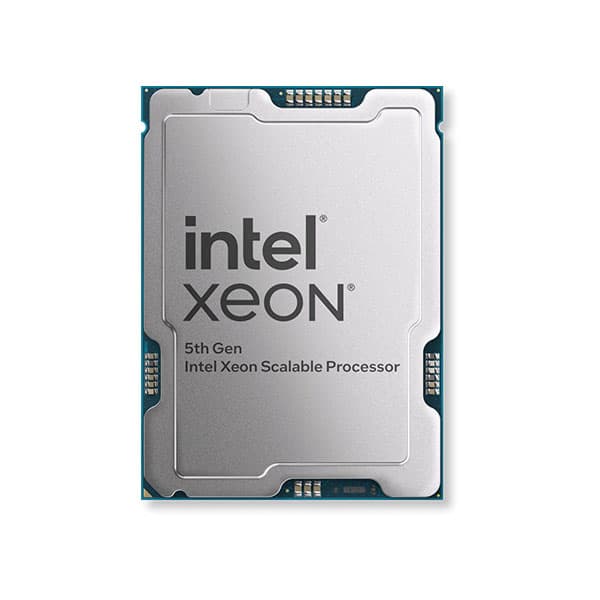
The Intel Xeon Gold 6548Y+ is positioned for network operators in the UK who prioritize established x86 software compatibility, certified telco platforms, and predictable vendor support in 2025; it delivers strong per-core performance and specialized acceleration support that eases migration of legacy network functions. While it typically trails the AMD EPYC parts in raw core density and the Ampere Altra Max in watt-per-core efficiency, its mature toolchain, ISV certifications and ecosystem reliability can reduce integration risk and operational costs for enterprise and carrier customers.
Ampere Altra Max M128-30
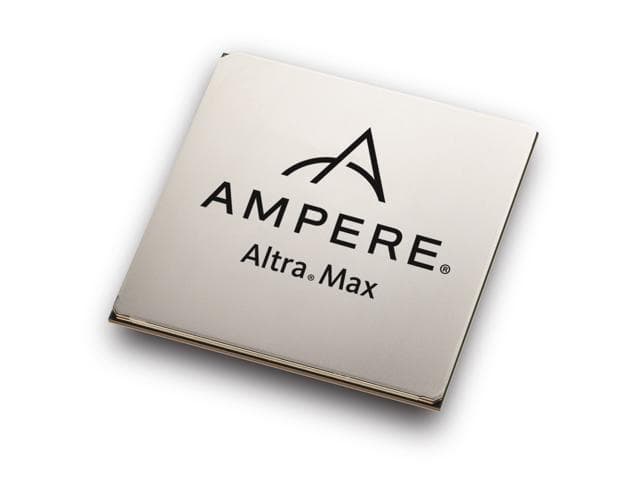
The Ampere Altra Max M128-30 brings a 128-core Arm-based architecture that excels in power efficiency and scale-out cloud-native networking workloads across UK data centers in 2025, offering the best watt-per-core and highly predictable performance under dense container and microservice loads. Compared with the x86 entries it often delivers lower license and operating costs and unmatched core counts for massively parallel packet-processing, though buyers should weigh ecosystem maturity and legacy x86 compatibility when planning migrations.
Intel Xeon Silver 4516Y+
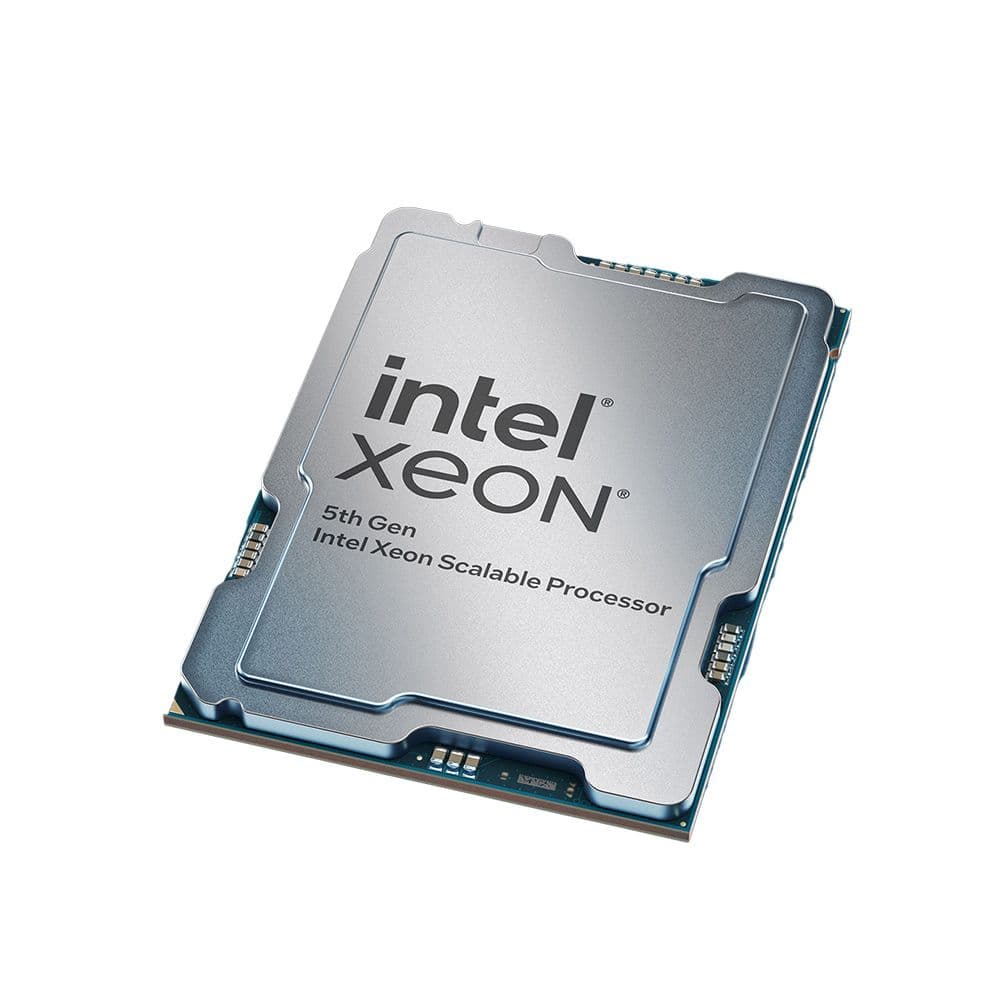
The Intel Xeon Silver 4516Y+ stands out for its balanced per‑core performance and mature ecosystem, making it a reliable choice compared with the higher‑core‑count AMD EPYC 9274F 24‑Core. Its predictable single‑thread performance, broad vendor support and platform stability can reduce integration and support costs for the undefined use case.
£350 – £650
AMD EPYC 9274F 24-Core Processor
The AMD EPYC 9274F 24-Core Processor leads on raw multi‑threaded throughput and core density, delivering stronger parallel performance and a more attractive price‑per‑core tradeoff than the Intel Xeon Silver 4516Y+. For an undefined use case that prioritizes throughput and energy efficiency, its higher core count and I/O bandwidth provide superior performance‑per‑dollar and server consolidation benefits.

What research and benchmarks tell us
Benchmarks and independent studies help translate technical claims into practical expectations for cloud deployments. Multiple industry-standard suites and research reports provide repeatable measurements of throughput, latency, virtualisation density, and energy impact. For a beginner-friendly view, these results explain why some processors are better for high-density scale-out clouds, while others suit fewer, very high-performance virtual machines or latency sensitive services.
SPEC CPU, SPECvirt and SPECjbb are widely used to compare raw compute performance and virtualisation efficiency across server processors. High scores typically correlate with faster application response under load.
TPC benchmark results and database throughput studies show the importance of memory bandwidth and I/O paths; processors with greater memory channels and PCIe lanes generally yield better database and analytics performance.
Energy efficiency research from organisations such as Lawrence Berkeley National Laboratory and Uptime Institute highlights that CPU architecture choices materially affect datacentre power use. ARM-based designs and high-core-count x86 parts both deliver gains depending on workload mix and utilisation.
Academic and vendor studies into containerised workloads demonstrate that processor cache sizes, thread scheduling, and core topology influence scaling of microservices and serverless functions.
Independent evaluations of recent AMD EPYC, Intel Xeon, and ARM-based servers indicate trade offs: AMD EPYC models tend to excel at core density and memory bandwidth, Intel Xeon variants often lead in single-thread and legacy-optimized workloads, and Ampere-style ARM processors are competitive for energy-efficient scale-out cloud services.
Frequently Asked Questions
Which processor is best for high-density cloud networking in the UK?
The AMD EPYC 9654 96-Core Processor is the top choice for high-density NFV and carrier-grade routing due to its 96 Zen 4 cores and 12-channel DDR5 memory support.
How many PCIe 5.0 lanes does the AMD EPYC 9654 provide?
The AMD EPYC 9654 provides up to 128 PCIe 5.0 lanes, which allows for extensive connectivity for large NICs, accelerators, and high memory bandwidth.
Is the AMD EPYC 9534 a more cost-effective option than the 9654?
The AMD EPYC 9534 is a cost-optimized 64-core platform that reduces both upfront and operating costs compared to the 9654 while maintaining essential memory and I/O advantages.
What is the average customer rating for the Intel Xeon Platinum 8480?
The Intel Xeon Platinum 8480 holds an average rating of 4.7, reflecting its strong performance in enterprise environments and its capability for handling data-intensive AI workloads.
Conclusion
This UK-focused overview highlights seven leading cloud server processors for 2026: AMD EPYC 9654 96-Core Processor, Intel Xeon Platinum 8480+, AMD EPYC 9534 64-Core Processor, Intel Xeon Gold 6548Y+, Ampere Altra Max M128-30, Intel Xeon Silver 4516Y+, and AMD EPYC 9274F 24-Core Processor. Each of these options suits specific cloud networking roles: the Intel Xeon Platinum 8480+ targets high single-thread throughput and legacy enterprise workloads; the AMD EPYC 9534 and 9274F give strong multi-socket and edge options; the Intel Xeon Gold 6548Y+ and Silver 4516Y+ serve tiered reliability and cost-sensitive scale-out cases; Ampere Altra Max M128-30 is attractive for energy efficient, high-density ARM deployments. For most large UK cloud environments seeking a balance of core count, memory bandwidth, platform maturity, and power efficiency, the AMD EPYC 9654 96-Core Processor stands out as the best overall choice. We hope you found the information you needed. If you want to refine or expand your search, use the search to filter by cores, power draw, cost, or vendor support to match your exact deployment requirements.