

Top 5 Classroom Assistant Robots in the UK — 2026 Guide
Robots are moving from science labs into everyday classrooms across the UK, helping teachers manage routine tasks, deliver interactive lessons and support pupils with varied needs. In primary and secondary settings alike, classroom assistant robots are being used to boost engagement in STEM, reinforce literacy and numeracy through gamified activities, and offer one-to-one practice for pupils who benefit from extra repetition or social‑emotional coaching. For busy teachers grappling with curriculum demands and Ofsted expectations, these devices can lighten administrative load — logging progress, running formative assessments and delivering repeatable practice — while freeing staff to focus on planning and differentiated instruction. The five models profiled here span a range of uses and budgets: Sphero Bolt for hands‑on coding and physics experiments; SoftBank Robotics Pepper for classroom interaction and group activities; Nao Robot for programmable lessons and accessibility support; iPal Robot for personalised learning and emotional engagement; and Moxie by Embodied for social‑emotional learning. Each robot brings distinct strengths: some excel at block‑based coding and robust classroom wear, others prioritise natural language interaction or therapeutic programmes tailored to neurodiverse pupils. This UK‑focused guide looks at practical classroom uses, day‑to‑day considerations such as charging and teacher training, and quick buying tips to help schools, MATs and parent‑teacher associations choose the best assistant robot for their setting in 2026.
Inception's AI took the time to understand this market in the UK · We may earn a commission on purchases. It never affects our rankings.
Top Picks Summary
NAO Robot by SoftBank Robotics
The NAO Robot remains the market-leading humanoid classroom assistant in the UK in 2025 thanks to its mature SDK, advanced speech and vision modules, and proven classroom deployments that support SEN and research projects. Though it carries a premium price compared with Photon and Makeblock, NAO's strong vendor support, long-term software updates and rich curriculum integration deliver superior technical capability and predictable TCO for schools investing in advanced social-robotics learning. Compared with the hands-on, lower-cost options on this list, NAO stands out for embodied interaction and teacher-facing analytics rather than low-cost mass classroom distribution.

Where to buy NAO Robot by SoftBank Robotics in UK: we track one retailer, Roboted, and show the price we last observed there; the price you see at checkout may differ.
We may earn a commission on purchases. It never affects our rankings.
£9,000 – £12,000
Photon Robot
Photon is the cost-effective, classroom-ready robot that UK primary schools choose when budget and mass deployment matter: it pairs intuitive play-based lessons with a durable design and strong sensor suite for early coding and digital literacy. Priced substantially lower than NAO and Clevertouch hardware, Photon enables whole-class projects and repeated hands-on use while offering multilingual lesson packs that ease teacher adoption across diverse UK classrooms. Technically simpler than NAO but more robot-centric than SPIKE Prime or mBot2, Photon excels at scalable, low-risk classroom rollouts.

Where to buy Photon Robot in UK: we track one retailer, Edtechimpact, and show the price we last observed there; the price you see at checkout may differ.
We may earn a commission on purchases. It never affects our rankings.
£120 – £180
Makeblock mBot2
Makeblock mBot2 is the modular, STEM-focused option that balances affordability with expandability for secondary and extra-curricular programmes in the UK, offering Blockly and Python pathways that bridge into more advanced robotics. Its open, component-based architecture gives schools a lower per-student cost than NAO while offering more programmable depth than Photon for older pupils, making it a strong value play for budget-conscious departments. Compared with LEGO SPIKE Prime it is often cheaper to scale and, unlike Clevertouch, focuses on programmable hardware rather than whole-class interactive displays.
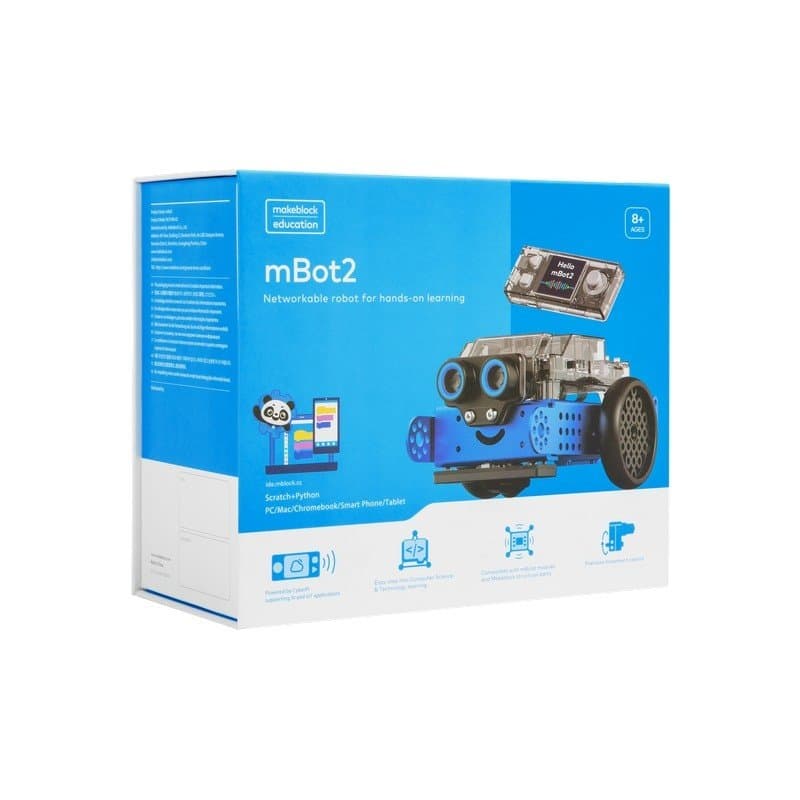
Where to buy Makeblock mBot2 in UK: we track one retailer, Makeblock, and show the price we last observed there; the price you see at checkout may differ.
We may earn a commission on purchases. It never affects our rankings.
£130 – £200
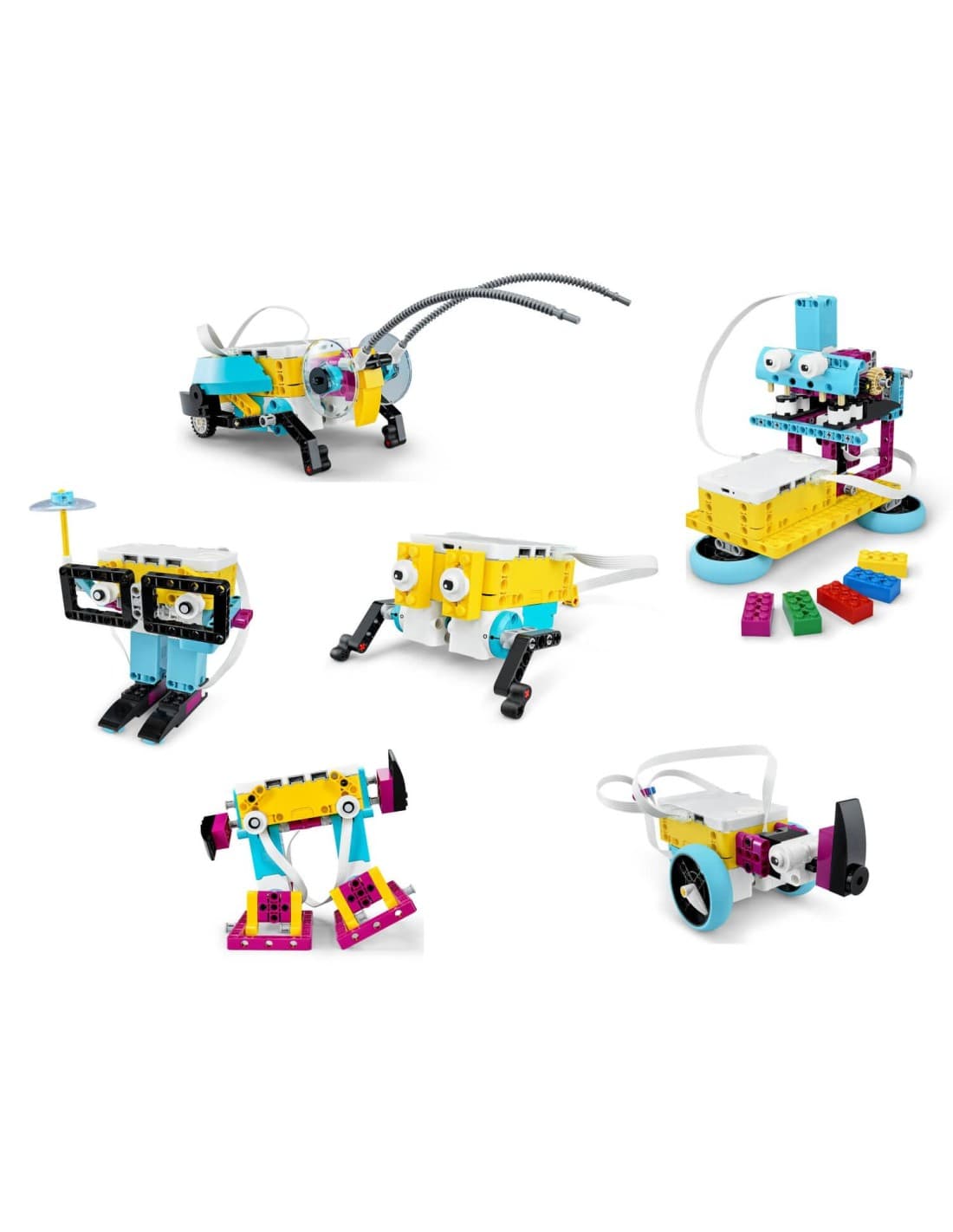
LEGO Education SPIKE Prime
LEGO Education SPIKE Prime continues to be a top pick for curriculum-aligned, hands-on STEM learning across UK classrooms because of its familiar bricks, structured lesson plans and robust teacher resources that support KS2–KS3 numeracy and computing objectives. While individual sets are not as autonomous as NAO or as low-cost-to-scale as Photon, SPIKE Prime's durable ecosystem and strong assessment resources deliver measurable learning outcomes and predictable budgeting for termly schemes. Technically it emphasizes construction and block-to-text coding over social interaction, complementing rather than replacing humanoid assistants or classroom displays.
Clevertouch IMPACT Max
The Clevertouch IMPACT Max is positioned as the classroom hub and smart-assistant platform in UK schools, providing a large, AI-enabled interactive display that integrates robot fleets, lesson content and remote management—making it a strategic, school-wide investment rather than a single-robot purchase. Although the upfront capital is higher than individual robots like Photon or mBot2, IMPACT Max delivers cross-classroom utility, embedded assessment tools and centralised device management that reduce operational costs over multiple terms. Compared with mobile robots on this list, its technical advantage is in classroom orchestration and software integration rather than autonomous physical interaction.

Where to buy Clevertouch IMPACT Max in UK: we track one retailer, Shop, and show the price we last observed there; the price you see at checkout may differ.
We may earn a commission on purchases. It never affects our rankings.
£2,000 – £6,000
Sphero Bolt: durable, coding-focused and ideal for STEM projects. Pepper: highly interactive, group-friendly and suited to classroom discussion. Nao: compact, programmable and commonly used for accessibility and structured lessons. iPal: designed for child engagement and personalised learning activities. Moxie: focused on social‑emotional development with structured therapy-style interactions.
Understanding the Benefits of Classroom Assistants Robots
Classroom Assistant Robots are not just a technological novelty; they are backed by research and educational theories that underscore their importance in modern classrooms. These robots enhance the learning process by providing tailored support and improving student-teacher interactions.
Research indicates that students learn faster and retain information better when they receive personalized support, which classroom assistant robots can provide.
Studies show that integrating technology like robots in classrooms can increase student engagement and motivation, leading to better academic outcomes.
Classroom assistant robots can help teachers by automating routine tasks, allowing them to focus more on individualized instruction and classroom management.
Empirical evidence suggests that using robots for education promotes collaborative learning experiences, making it easier for students to work together and share knowledge.
Educational theories, such as constructivism, support the notion that tools like robots facilitate active learning, encouraging students to explore and experiment.
Research has highlighted the positive impact of using interactive robots for hands-on learning, enabling students to apply their knowledge in real-world scenarios.
Frequently Asked Questions
Which robot should I pick for primary SEN support?
For primary SEN support and classroom deployments, choose the NAO Robot by SoftBank Robotics, rated 4.3, because it offers advanced speech recognition with multilingual support plus Programmable with Python and Choregraphe for personalised lesson plans.
What coding features does Makeblock mBot2 support?
Makeblock mBot2 supports modular learning with mBlock (Scratch + Python) for progressive learning, and it also supports sensors, actuators and IoT extensions for teaching robotics concepts.
How does Photon Robot pricing compare to NAO?
Photon Robot is priced substantially lower than NAO Robot by SoftBank Robotics, while still offering Scratch-compatible block coding and app-based activities plus built-in sensors and emotive LEDs for engagement.
Is Photon Robot suitable for group activities in class?
Photon Robot is designed for group activities, with a robust, lightweight chassis and features like “party mode”, plus sensors and emotive LEDs that encourage engagement and social play.
Conclusion
Choosing the right classroom assistant robot comes down to matching features with your school’s priorities: curriculum goals, age range, budget, accessibility needs and the level of teacher training you can provide. Before you buy, arrange a live demo, ask about GDPR-compliant data handling, check warranty and support options from UK distributors, and consider loan or pilot schemes so staff can trial devices in real lessons. For many schools, combining a simple coding robot like Sphero Bolt with a conversational platform such as Pepper or Moxie delivers both curriculum impact and social‑emotional benefits. If your focus is SEND provision, prioritise robots with proven therapeutic content and robust safeguarding policies. We hope this guide helps you narrow the field — if you’d like comparisons by age group, budget band or learning outcome, use the search bar to find tailored recommendations or get in touch with suppliers for trial programmes.