Top 6 Prosthetic Hands in the UK for 2026: Dexterity, Grip and Natural Appearance
Published on Monday, 26 January 2026
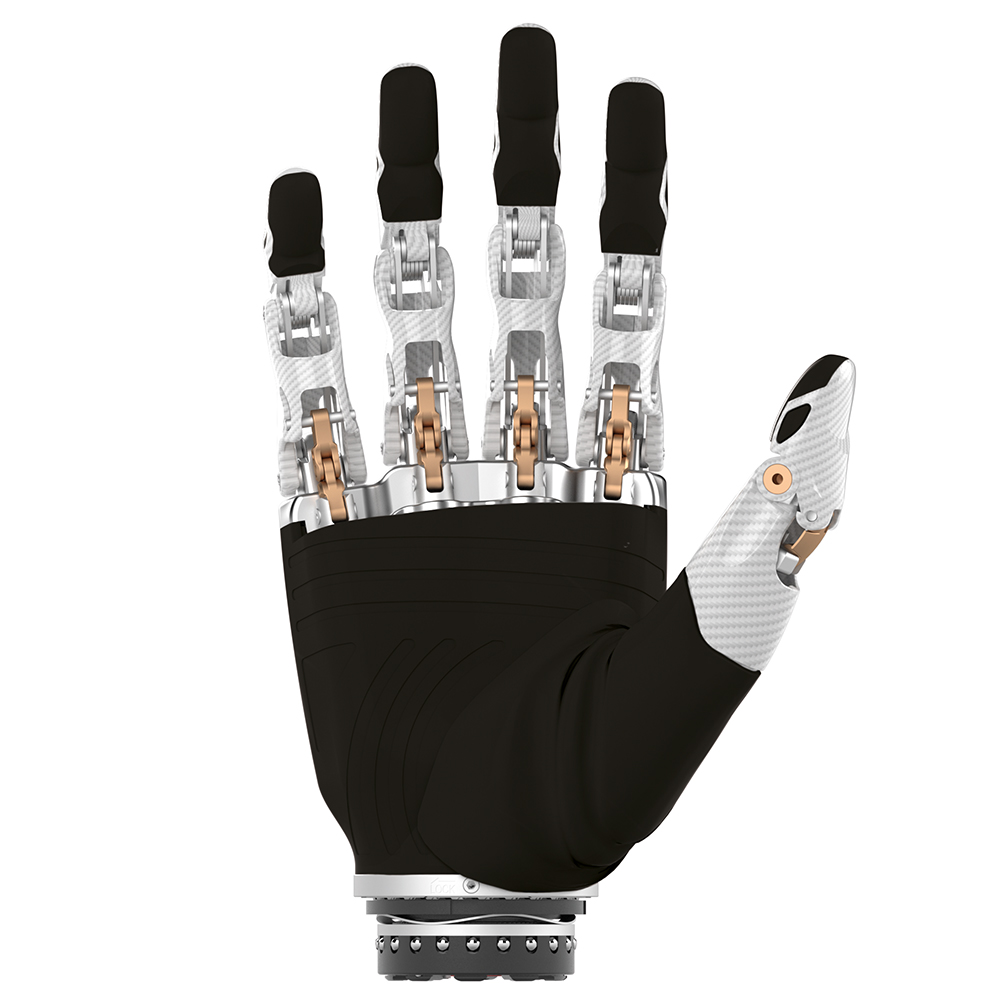
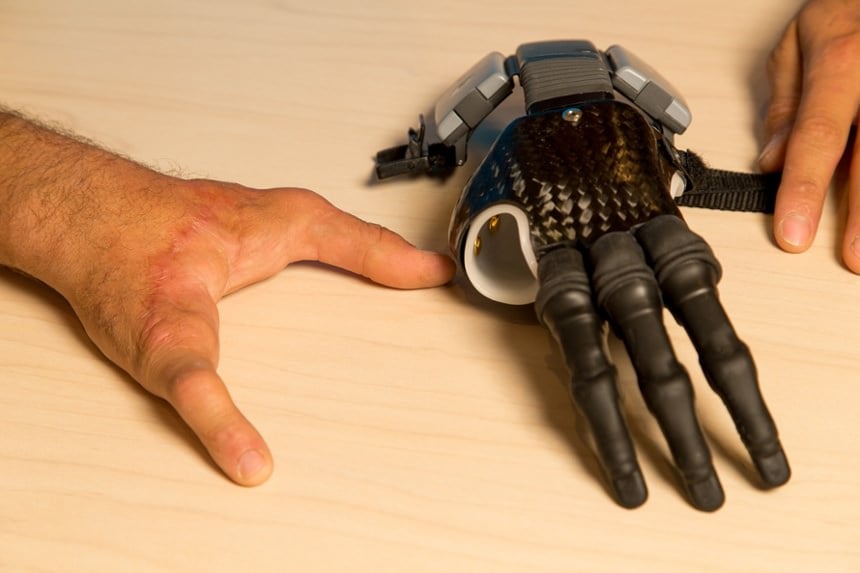
Prosthetic hands have advanced rapidly, offering amputees in the UK a new generation of devices that combine dexterity, grip strength and a natural appearance. This category covers myoelectric and body-powered hands, bionic systems with sensory feedback, and options that prioritise comfort, battery life and cosmetic realism. UK consumers tend to choose solutions that balance real-world functionality for daily tasks, reliable aftercare through NHS or private clinics, and long-term value. Key preferences include intuitive control, lightweight materials, socket comfort or osseointegration options, and strong local service and warranty support. Whether you are comparing hospital-prescribed models or private innovations, the top choices for 2026 focus on improved task performance, ease of use and a realistic look that supports confidence and independence.
Top Picks Summary
What the Research Shows About Modern Prosthetic Hands
Clinical and engineering research supports the benefits of modern prosthetic hands in improving daily function and user satisfaction. Studies of myoelectric and pattern recognition control show better fine motor task performance compared with older mechanical systems. Research on targeted muscle reinnervation and advanced signal processing has increased intuitive control options, while trials of sensory feedback and osseointegration report gains in prosthesis embodiment, reduced socket complications and higher long term use. UK-based research groups and international clinical trials continue to refine safety, durability and user training to make these devices more practical and accessible.
Myoelectric and pattern recognition control improve precision and reduce cognitive load during complex tasks, leading to faster task completion in trials.
Targeted muscle reinnervation (TMR) enhances control signals for multiarticulated hands, enabling more natural movement patterns.
Sensory feedback systems, including tactile and pressure cues, increase prosthesis embodiment and reduce phantom limb pain for many users.
Osseointegration provides a stable skeletal attachment that can decrease socket discomfort and improve load transfer, with careful selection and follow up.
Lightweight composite materials and efficient battery systems increase daily wear time and user comfort, boosting real world acceptance.
Frequently Asked Questions
Which hand should I choose for NHS fitting support?
Choose Steeper Bebionic v3 if you want UK-centred clinical services and clinician-programmable grip presets, plus an easy-swap battery for reliable daily runtime; it’s rated 4/5. It’s designed for quick bespoke adjustments and pathway integration.
Does the Steeper Bebionic Hand offer multi-grip patterns?
Yes—Steeper Bebionic Hand includes multiple pre-programmable grip patterns for pinch, tripod, and power for everyday tasks, with reliable myoelectric control; it’s rated 4.4/5. It also uses durable build with lifelike cosmetic covers and extensive UK clinical support.
Is the Open Bionics Hero Arm cheaper than Steeper?
The provided product info doesn’t list prices for Steeper Bebionic v3, Steeper Bebionic Hand, or Open Bionics Hero Arm, so I can’t compare costs exactly. It does say Hero Arm is a lower-cost, 3D-printed hybrid focused on accessibility and rapid fitting; rating 4.4/5.
What grip style does Open Bionics Hero Arm support?
Open Bionics Hero Arm is a lightweight, 3D-printed multi-grip arm, with rapid customisation and app-enabled control via modular electronics; it’s rated 4.4/5. The info doesn’t mention specific grip types or a warranty duration.
Conclusion
These top prosthetic hands for 2026 reflect the UK market focus on practical performance, clinical support and realistic aesthetics. We hope you found the overview and research highlights helpful as you compare options. If you want to refine results by price, control type, or clinic location, use the search or filters to narrow or expand your choices.