Best Resistance Bands in the UK 2026: Top 7 Picks for Strength, Mobility and Travel
Published on Monday, 26 January 2026
Resistance bands are versatile, portable exercise tools that provide progressive, adjustable resistance for strength, mobility and rehabilitation. Popular across the UK for home workouts, physiotherapy and travel, they suit every fitness level from beginners to advanced users. UK shoppers favour bands that are durable, clearly labelled by resistance level, latex free or fabric backed for comfort, and backed by easy returns and reliable delivery. Recent trends include compact sets designed for small flats, heavier loop bands for strength training, eco-conscious materials, and multi-piece kits with handles, ankle straps and door anchors. Because they are affordable and usable without bulky equipment, resistance bands have become a go-to option for people who want efficient, space-saving workouts, for older adults improving balance, for athletes adding variety, and for anyone following online classes or physiotherapy plans.
Top Picks Summary
Bodylastics Stackable Tube Resistance Bands earn a best-in-class spot for home and serious trainers thanks to their patented anti-snap design and metal carabiner stackability that lets users combine precise resistance levels safely. Compared with medical-focused TheraBand and budget sets like Fit Simplify and Gritin, Bodylastics trades a higher upfront cost for superior durability, modular progression and a stronger warranty, while remaining more user-friendly for progressive strength work than the gym-oriented SPRI Xertube.
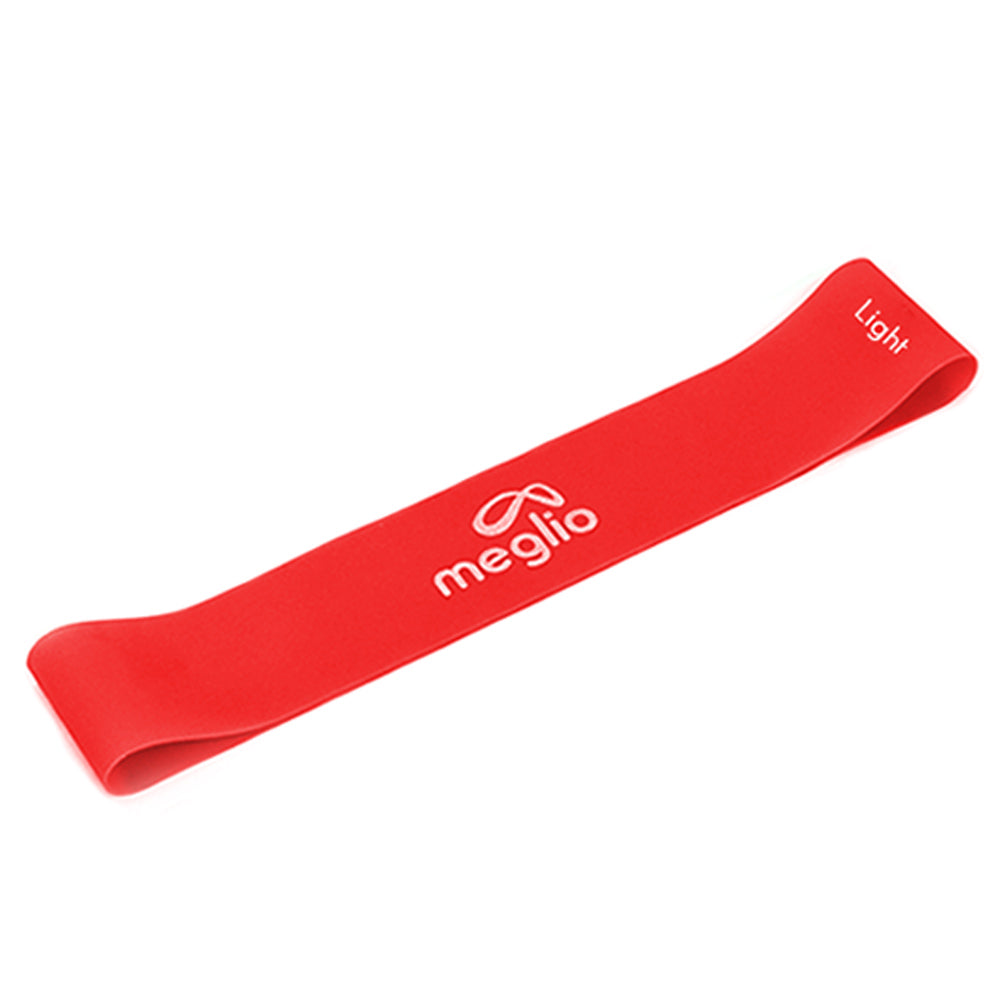
Meglio’s latex resistance bands are a cost-effective, mid-range option that balances durability and variety—sold in multi-packs with loop and tube choices that suit both strength work and rehab exercises. They undercut TheraBand on price while providing more consistent resistance and better material quality than the lowest-cost alternatives, although they don’t carry the same clinical pedigree or research-driven resistance grading.
The TheraBand CLX Figure 8 stands out as the clinical choice, providing finely graded resistance and predictable, rehab-friendly performance that physical therapists prefer over general fitness brands. Compared to SPRI’s gym orientation and Everlast’s budget appeal, TheraBand CLX emphasizes progressive therapy and controlled loading, which is particularly valuable for rehabilitation and precise strength gains using figure-8 configurations. Its technical advantage is in graduated resistance options and consistent stretch characteristics that support measurable clinical outcomes.

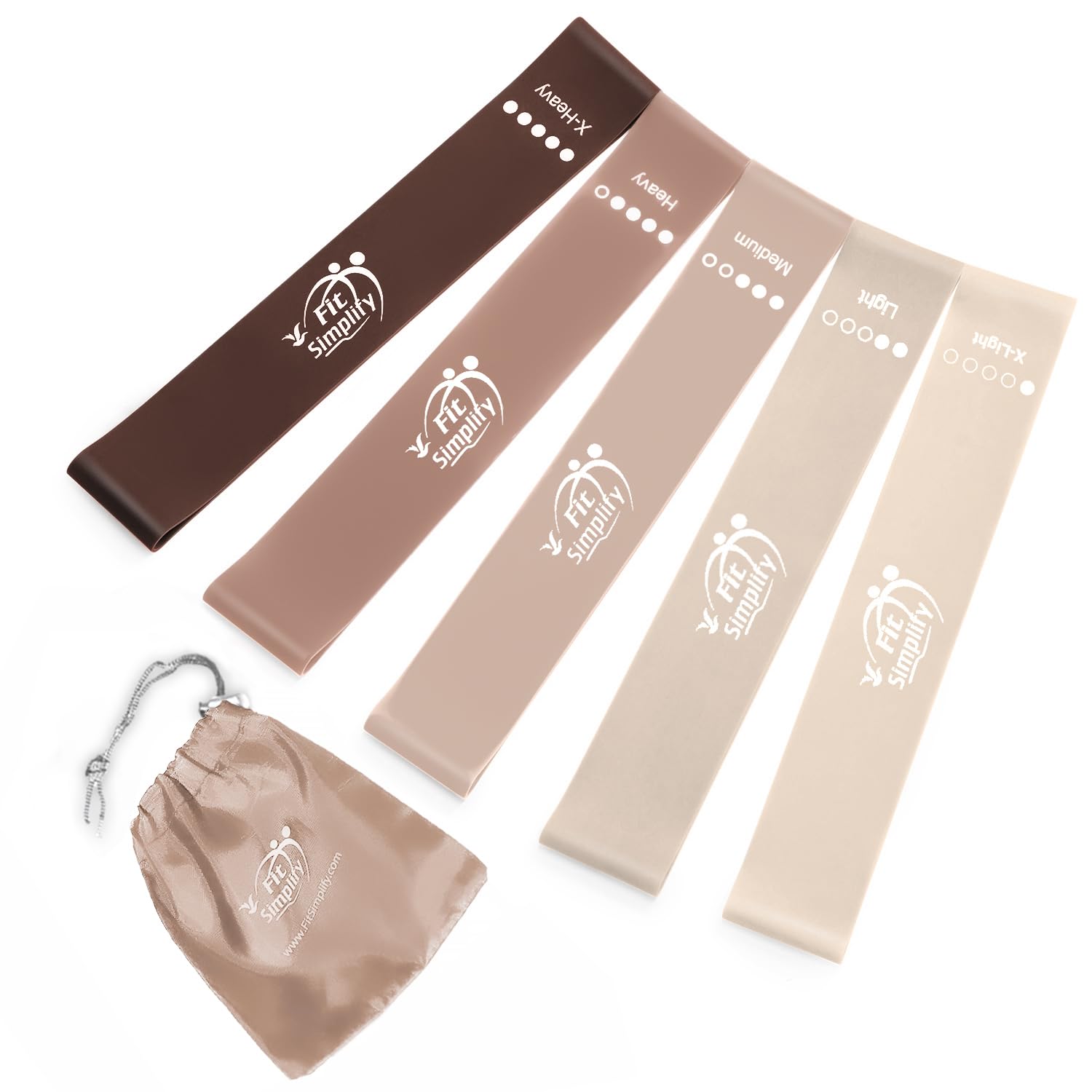
Fit Simplify is recognized as a market leader for its beginner-friendly, reliably consistent loop bands that combine simple design with broad retail availability and strong customer support. Against the other products, Fit Simplify trades some advanced features for exceptional accessibility and predictable resistance ratings, making it an economical and low-friction option for new users or group classes. Financially, its mass-market positioning and frequent promotions often make it one of the most cost-effective choices per band for standard ring resistance routines.
WOD Nation Resistance Hip Circle Band
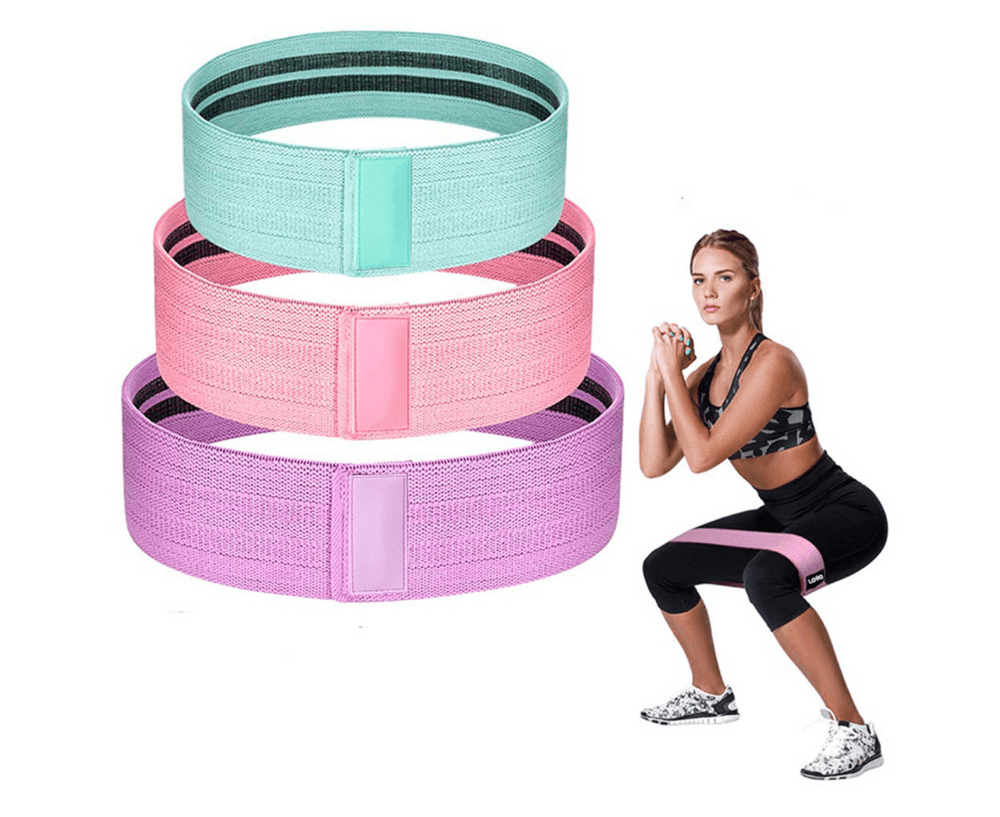
WOD Nation's Resistance Hip Circle Band is a market-leading, cost-effective option prized for its balance of durability and value, targeted at CrossFitters and functional trainers who want reliable lateral resistance without premium pricing. It offers more consistent tension and a broader size range than budget multi-packs like Gritin, while being more affordable than specialist heavy-duty bands such as the Sling Shot. Technically versatile for warm-ups, activation drills, and higher-rep conditioning, it sits between entry-level fabric bands and the commercial-grade mini bands from Perform Better in both price and performance.
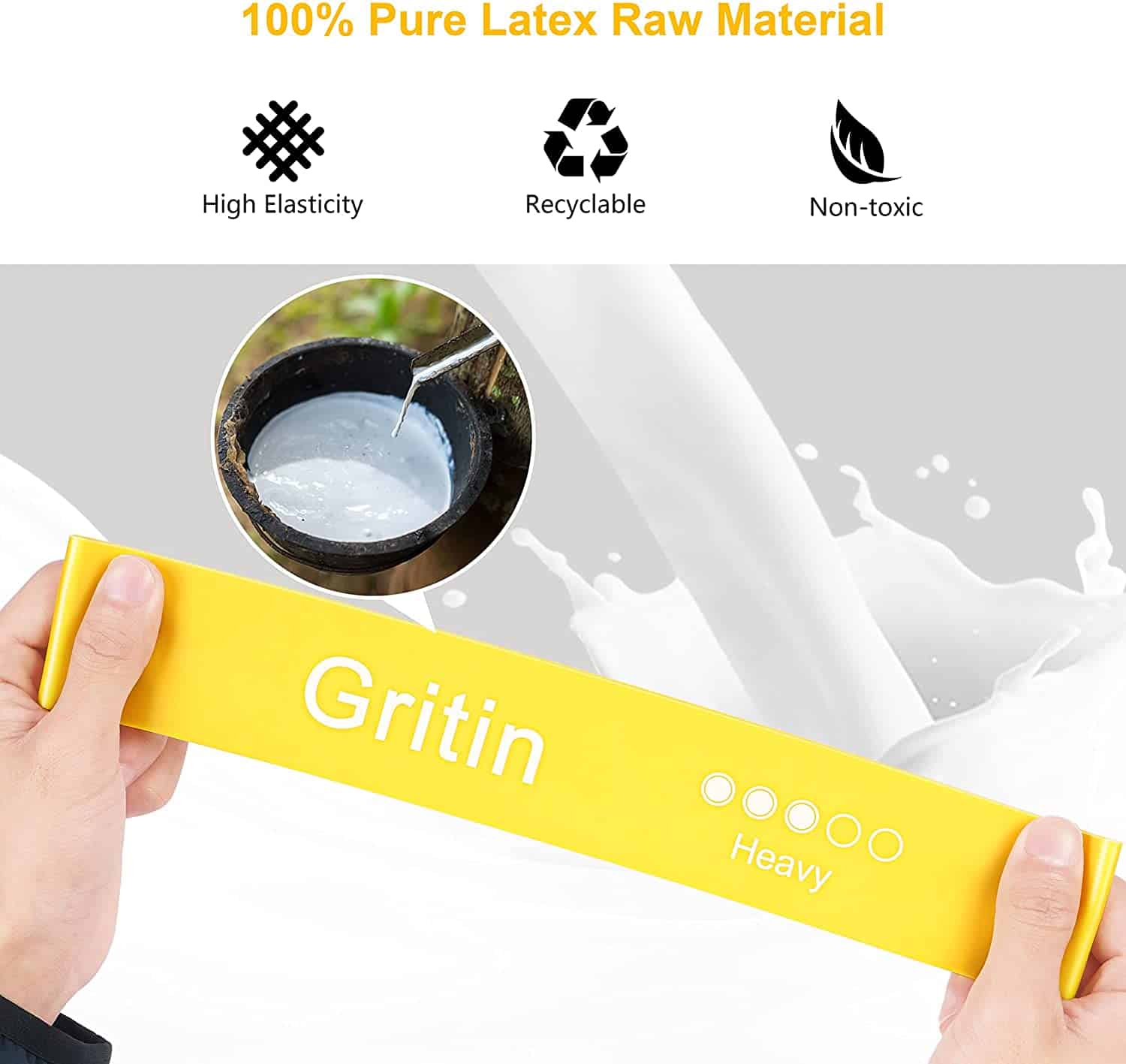
Gritin Resistance Bands Set holds the value-position on this list by offering large multi-band kits and accessories at a lower price point, making it an economical entry for home users who want lots of variety. While the rubber consistency and resistance labeling can be less uniform than TheraBand’s clinical-grade loops, Gritin beats many competitors on sheer cost-per-band and accessory count, which is attractive for beginners or group classes. If budget and accessory variety are the priority for mini band routines, Gritin delivers more for less compared with premium or single-purpose options.
The Myprotein Glute Band targets budget-conscious users seeking functional hip circle bands, offering multiple resistances and competitive per-band pricing for beginners and at-home trainers. Compared to Gymshark and WIT it is usually cheaper, though it can sacrifice some material longevity versus pro-grade options like Sling Shot and Perform Better, making it a practical value choice for those prioritizing cost over club-level durability.
Science and practical evidence: why resistance bands work
A growing body of research and national exercise guidance supports the use of resistance bands for building strength, improving mobility, and aiding rehabilitation. Health organisations recommend regular muscle-strengthening activities, and studies show elastic resistance offers measurable improvements in strength and function when used in structured programmes. Below are clear, beginner-friendly takeaways from the evidence.
Official guidance: Public health authorities, including NHS guidance, recommend regular muscle-strengthening activities at least twice a week for adults; resistance bands are an accessible way to meet this recommendation.
Strength gains: Randomised trials and systematic reviews show elastic resistance can produce meaningful increases in muscle strength and endurance, especially in older adults and beginners, comparable to traditional weights when used progressively.
Rehabilitation: Elastic bands are widely used in physiotherapy for joint rehab, rotator cuff recovery and knee strengthening because they allow controlled, low-impact loading and progressive progressions.
Function and mobility: Studies report improvements in functional performance, balance and range of motion when band-based exercises are included in training, which can reduce fall risk in older adults.
Safety and scalability: Bands offer variable tension and low-impact resistance, lowering injury risk and making it easy to increase or decrease load by changing band thickness or range of motion.
Practical benefits: Because bands are portable and cheap, adherence to home exercise programmes tends to be higher, which supports long-term benefits from consistent training.
Frequently Asked Questions
Is the Sling Shot Hip Circle good for serious lifters?
The Sling Shot Hip Circle by Mark Bell is aimed at serious lifters needing consistent, high-level glute and hip engagement, with a thicker, high-tension latex build and a textured, non-roll design to reduce slipping during lateral band walks (rating 4.7).
What makes the Sling Shot Hip Circle different from fabric bands?
It uses a thicker, high-tension rubber/latex construction for strong lateral resistance and longevity, plus a non-roll design and textured surface to reduce slipping during lateral band walks.
How does Sling Shot Hip Circle price compare for home workouts?
No UK price is provided for the Sling Shot Hip Circle by Mark Bell, but the listed focus is gym-grade tension with durable rubber meant for consistent glute activation and warm-ups (average rating 4.7).
Is Sling Shot Hip Circle better for travel workouts or rehab?
The Sling Shot Hip Circle by Mark Bell is described as favoured by strength athletes for consistent glute activation and warm-ups, but there’s no stated rehab or travel-specific warranty or compatibility details in the provided information (rating 4.7).
Conclusion
Whether you want a compact set for home workouts, heavy loop bands for strength, or fabric bands for comfort during rehabilitation, the top eight options listed here reflect the needs of UK buyers in 2026. We hope you found what you were looking for. Use the site search to refine by resistance level, material, price or user reviews to narrow or expand your options.