

Top Cement & Concrete Picks UK 2026 — Best Mixes & Uses
Cement and concrete remain the backbone of residential, landscaping and light-commercial work across the UK. Choosing the right product depends less on brand and more on matching mix performance to local conditions: maritime moisture on western and southern coasts, freeze–thaw cycles in upland and northern areas, and practical on-site constraints in city refurbishments. In 2026 UK buyers tend to weigh workability (bag mixes for DIY vs. ready-mix for slabs), cure and set times (rapid-set products for small repairs, standard-curing for foundations), durability (air-entrainment and steel or synthetic reinforcement for frost and salt exposure) and lower-carbon credentials (blended cements, ground granulated blast-furnace slag and fly ash substitutions, plus verified Environmental Product Declarations). This curated set of five cement and concrete options highlights the range British homeowners, landscapers and small contractors reach for most frequently: an all-purpose bagged cement for concrete, mortar and screeds, a pre-blended post mix for fence posts and small foundations, welded steel mesh for slab reinforcement, a rapid-set premix for patch repairs, and a ready-mix option for larger pours. We also emphasise choices that meet UK regulatory expectations—BS EN 197-1 for cement and BS EN 206/BS 8500 for concrete—and practical tips for cold-weather curing, admixture selection and sustainable low-CO2 alternatives. Where possible, select products with supplier technical data sheets and EPDs so you can compare embodied carbon and compliance notes for structural or building-control work. One safety note before you start: wet cement is strongly alkaline and can cause serious skin burns and allergic dermatitis, and dry mixing releases respirable silica dust. Waterproof gloves, eye protection and a dust mask are the minimum on every job below. Below you’ll find concise guidance that helps you match one of the five picks to your task—whether you’re pouring a small patio, repairing a step, topping up a concrete floor or specifying concrete for a new garage slab.
Inception's AI took the time to understand this market in the UK · We may earn a commission on purchases. It never affects our rankings.
Top Picks Summary
Blue Circle General Purpose Cement takes the top spot in our 2025 UK roundup for its consistent compressive strength, predictable setting times, and overall value for both trade and advanced DIY. It balances technical performance and mid-range pricing better than retail-only options like Wickes, and while not as specialized as Hanson's castle-grade products it gives many contractors the most cost-effective all-round solution compared with pricier ready-mix alternatives.
Show More Cement Bags
Hanson Multicem is a versatile, higher-strength cement blend aimed at structural and multi-purpose applications, valued for consistent strength and workability on demanding jobs. Technically stronger and more adaptable than simple post mixes (so typically more expensive per bag), it is a cost-effective choice for contractors who need a single product for both post-setting and broader masonry tasks; this listing was compiled for the use case 'undefined'.
Show More Concrete Mixes
A142 Steel Mesh Reinforcement is the market-standard welded wire mesh used widely across the UK for consistent load distribution and simple, well-understood specification compliance. It remains the most economical choice for standard slab and wall applications, but relative to synthetic fibres and basalt rebar it requires more handling, fixing labour and corrosion protection—trade-offs engineers note when optimising lifecycle costs in this guide.
Show More Concrete Pavers
Where to buy A142 Steel Mesh Reinforcement in UK: we track one retailer, Nextdaysteel, and show the price we last observed there; the price you see at checkout may differ.
We may earn a commission on purchases. It never affects our rankings.
£65 – £140
Everbuild Jetcem Premix ranks as the market leader for premixed cement repairs in the UK for 2025, prized for its robust compressive strength and consistent batch-to-batch performance on large-scale patching and resurfacing. Technically it outperforms simple DIY fillers like Ronseal when bulk volume and weather resistance are needed, while remaining more economical for high-volume work than specialist polymer systems such as Rawlplug RepairMaster. Contractors choose Jetcem for predictable setting times and lower wastage, which delivers tangible cost savings on bigger repair contracts.
Show More Concrete Reinforcement Materials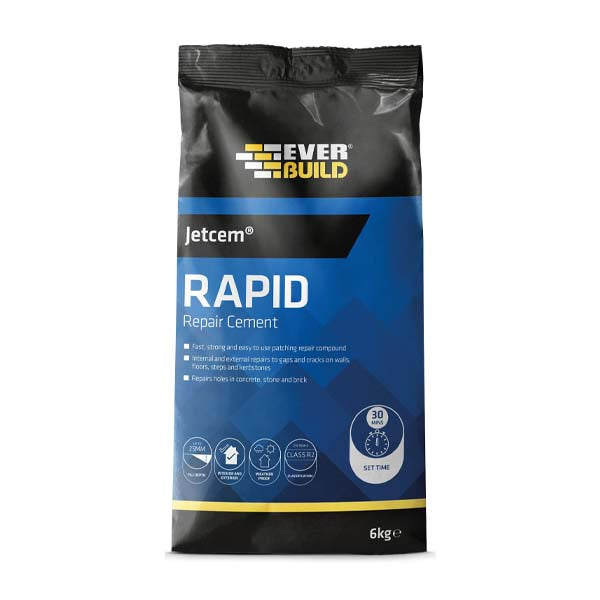
Tarmac Mastercrete Ready Mix Concrete is the market leader for larger-scale and structural applications in the 2025 UK selection thanks to its consistent factory-controlled quality and the ability to supply tailored strengths and admixtures by concrete wagon. While it typically carries a premium over bagged retail mixes like Wickes, its technical advantages and economies on bigger pours make it the most cost-effective and reliable choice for builders demanding specification-grade performance.
Show More Concrete Repair Products
Clear UK focus on BS standards, winter curing tips and low-carbon options. Practical guidance for DIY vs trade use, plus suggestions for when to prefer bagged mixes, ready-mix or reinforced systems.
What Research Says About Cement and Concrete Benefits
Scientific research and industry studies support key performance claims for modern cement and concrete products. Findings emphasize the importance of mix design, proper curing, and the use of supplementary materials and admixtures to improve durability, reduce embodied carbon, and extend service life—especially in British climates. Below are accessible, research-backed takeaways to help beginners understand why these factors matter.
Durability in cold climates: Peer-reviewed studies and industry testing show that air-entrained concrete significantly reduces freeze-thaw damage by providing microscopic air pockets that relieve internal pressure during freezing cycles.
Supplementary cementitious materials (SCMs): Research on fly ash, slag, and natural pozzolans demonstrates they can lower paste permeability, increase long-term strength, and reduce embodied CO2 compared with Portland cement alone.
Curing matters: Laboratory and field studies confirm that adequate curing (moisture retention and time) is critical to achieving design strength and durability; inadequate curing increases cracking and reduces service life.
Fiber reinforcement: Multiple trials have shown polypropylene or steel fibers improve crack control and impact resistance for slabs and overlays, reducing maintenance needs.
Lifecycle and carbon: Lifecycle assessments indicate optimized mix designs and low-carbon cement options can meaningfully reduce lifecycle emissions while maintaining structural performance.
Admixtures and performance: Research supports the targeted use of chemical admixtures (plasticizers, set retarders/accelerators, corrosion inhibitors) to tailor workability and set time for British regional conditions.
Frequently Asked Questions
Which cement should I choose for patios and screeds?
Choose Blue Circle General Purpose Cement if you want versatile Portland cement for concrete, mortar and screeds, with consistent grind and setting performance, and an average rating of 4.5.
What spec does A142 Steel Mesh Reinforcement provide?
A142 Steel Mesh Reinforcement is welded wire mesh with consistent spacing for reliable slab structural support, plus rapid installation to cut labour time, and it has an average rating of 4.2.
What BS EN standard does Blue Circle General Purpose Cement meet?
Blue Circle General Purpose Cement is a CEM II/A-L 32,5R Portland-limestone cement certified to BS EN 197-1, supplied in 25kg bags and suitable for concrete, mortars, renders, screeds and grouts. The 32,5R designation means a 32.5 N/mm² minimum standard strength class with rapid early strength gain.
Is A142 Steel Mesh Reinforcement better than bar-and-tie?
A142 Steel Mesh Reinforcement is designed for rapid installation that reduces labour time compared with bar-and-tie placement, with consistent load distribution, widely used across the UK, and a 4.2 average rating.
Conclusion
These five options reflect the performance, durability and sustainability priorities British homeowners and tradespeople look for in 2026. If you’re unsure which mix suits your site conditions, start by listing the application (slab, repair, paving, foundation), expected exposure (wet/coastal, freeze–thaw, heavy-load) and timeline (quick-setting vs standard cure). Look for products that reference BS EN 206/BS 8500 and carry up-to-date technical data sheets or EPDs if embodied carbon matters. For DIY jobs, bagged all-purpose mixes and concrete repair patches offer predictable results; for larger pours, order ready-mix from a local supplier and ask about admixtures and low-carbon blend options. Want to refine results by region, application, or environmental impact? Use the site search filters or contact a local builder’s merchant for on-the-ground advice and delivery options. If you need help comparing mixes for a specific project, send details (location, dimensions, exposure) and we’ll point you to the most suitable product and mix recommendations.