

Best Junction Boxes for UK Electrical Projects 2026 - Complete Buyer's Guide
For UK outdoor and garden wiring, an IP66-rated box is the sensible default. The Wiska Combi 308 (IP66/IP67, 85 x 85 x 51 mm, halogen-free polypropylene) and the BG Nexus Storm weatherproof junction box (IP66, 5-pole terminal block rated to 10 mm²) are the two most widely stocked choices, while the compact Spelsberg Abox 025 (IP65, 80 x 80 x 52 mm) suits sheltered and indoor junctions. Junction boxes act as protective enclosures for electrical connections, safeguarding wiring from physical damage, moisture ingress and environmental hazards, which matters in the UK's damp and changeable climate. This guide covers five junction boxes used across residential, commercial and light-industrial work, from sealed weatherproof enclosures for fully exposed locations to simple moulded boxes for standard indoor installations. The choice comes down to three things rather than box shape: the IP rating the position demands, whether the joint will stay accessible for inspection and testing, and the cable diameters and gland entries you need.
Inception's AI took the time to understand this market in the UK · We may earn a commission on purchases. It never affects our rankings.
Top Picks Summary
MK Electric Sentry Junction Box IP65
MK Electric’s Sentry IP65 is presented as the market-leading choice for UK electricians thanks to a balance of proven build quality, broad accessory compatibility and strong local availability — traits that keep installation times and total project cost down. Compared with the other boxes on this list it offers very competitive pricing and straightforward installation for most outdoor and sheltered applications, though it trades the extreme ingress protection of the Niglon IP66 model for easier handling and slightly lower cost. Its UK heritage and wide distributor network make it a practical default for residential and light-commercial jobs across the United Kingdom.
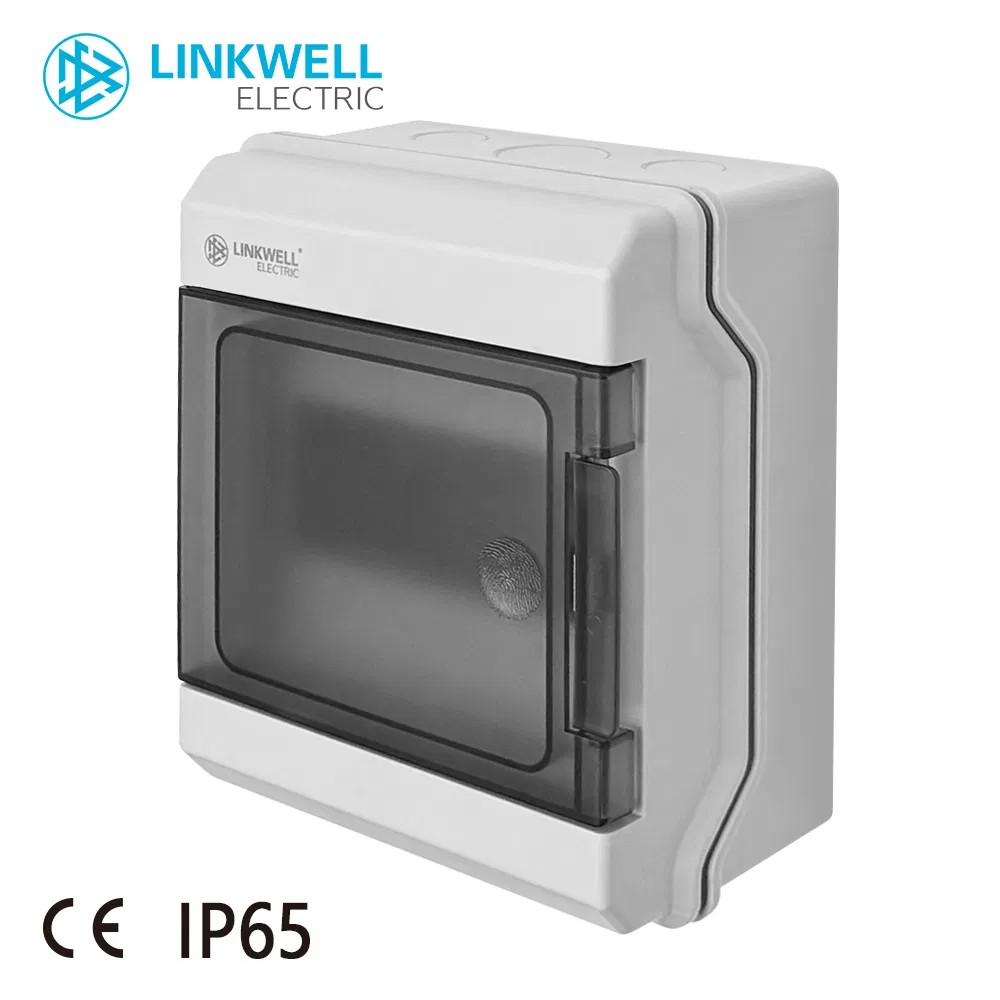
Wiska Combi 308 Weatherproof Junction Box
Wiska's Combi 308 stands out for its range of cable-entry and accessory options, making it a technical favourite for bespoke commercial and industrial installations in the UK despite a higher upfront cost. Compared with MK, BG and Spelsberg it delivers greater flexibility and connector variety, which can reduce labour and material costs on complex jobs, while its IP66/IP67 rating is the highest in this group. For specifiers who value adaptability and future-proofing, the Combi 308 offers a premium, engineering-led alternative to more basic enclosures.
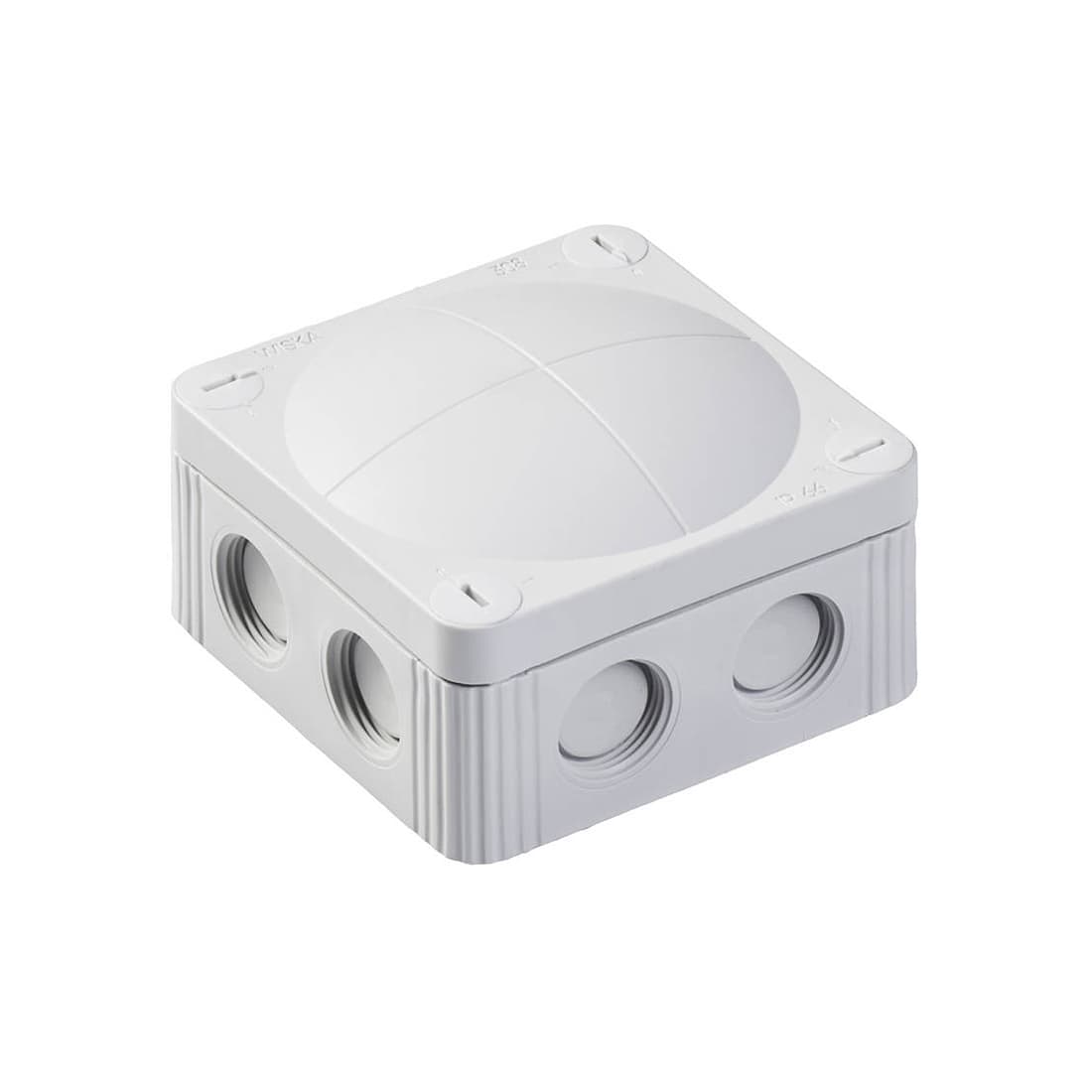
Spelsberg Abox 025 IP65 Junction Box
The Spelsberg Abox 025 is a compact, cost-effective German-made IP65 enclosure prized for its durable construction and neat footprint, making it ideal for tight or concealed installations around the United Kingdom. It typically undercuts the Wiska in price while delivering comparable German engineering reliability, although it is less modular and has fewer bespoke accessory options, so it suits straightforward junction needs rather than complex systems. For contractors seeking a solid mid-range option with good longevity, the Abox 025 represents strong value for money.
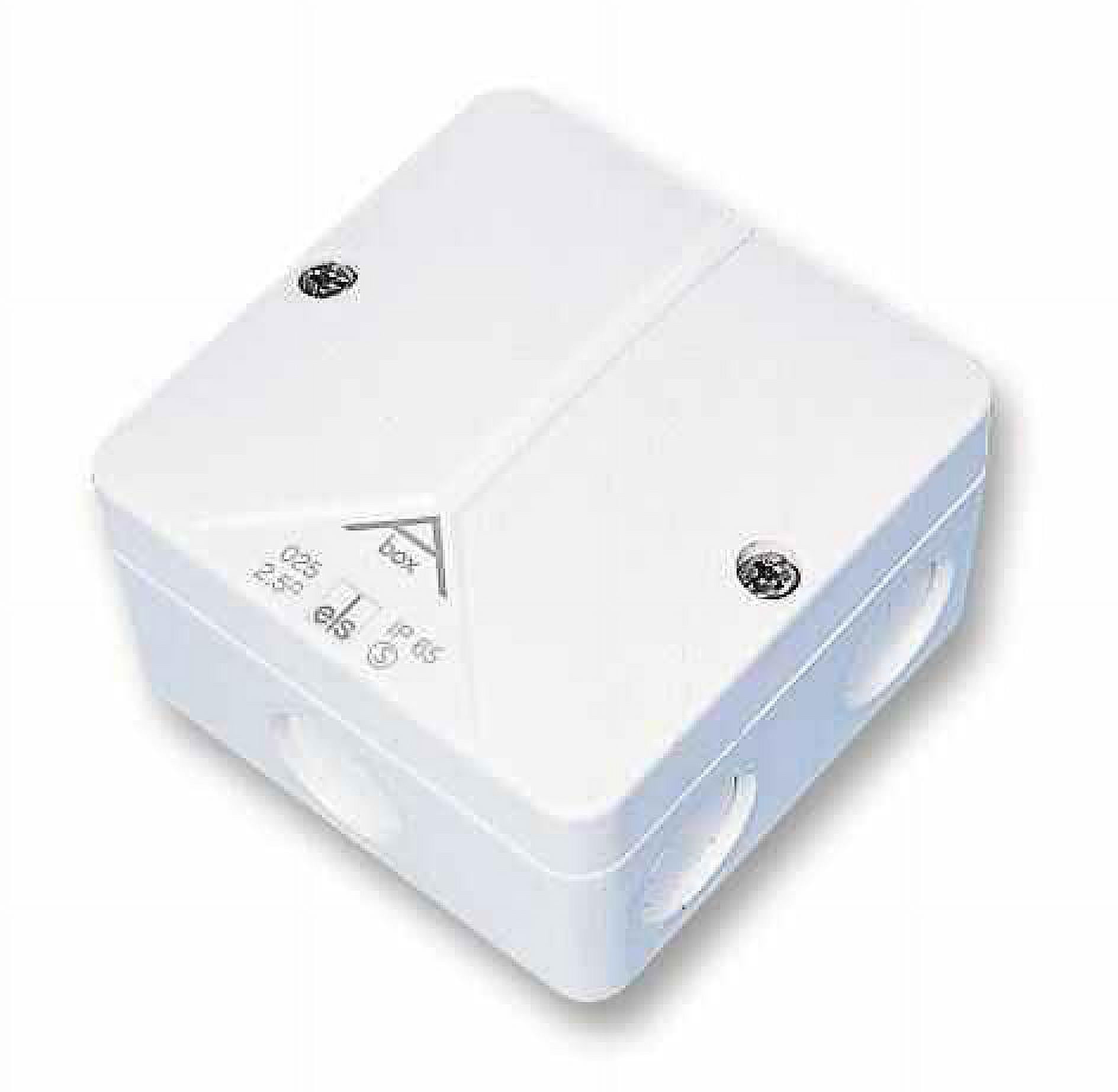
BG Electrical Nexus Weatherproof Junction Box
BG Electrical's Nexus Storm weatherproof box targets the UK market with an emphasis on affordability, rapid availability from local wholesalers and simple, installer-friendly features that reduce on-site fitting time. It is generally priced below specialist German enclosures and trades some advanced modularity for quicker handling and lower purchase cost, a sensible choice for large-volume residential or maintenance contracts where budget and stocking convenience matter most. It matches the Niglon at IP66 and, unlike the empty boxes here, arrives with a 5-pole terminal block rated to 10 mm², though it lacks the modular accessory range of Wiska.

Niglon IP66 Weatherproof Enclosure Junction Box
Niglon's IP66-rated enclosure is positioned for the harshest UK exposures, including coastal, industrial and pressure-wash environments, and it does so at a lower price than the premium German enclosures on this list. It matches the BG Nexus Storm at IP66 and betters the IP65 boxes here on water-jet resistance, reducing replacement and maintenance costs in aggressive conditions, though it lacks the modular accessories of the Wiska range and comes as an empty box with no terminals fitted. For projects where maximum protection matters on a tight budget, the NG86-50 series is the pragmatic choice.
These junction boxes distinguish themselves through superior construction quality, compliance with UK electrical regulations, weather-resistant designs suitable for British climate conditions, and user-friendly installation features. Each option provides exceptional value whilst maintaining the safety standards required for residential and commercial applications throughout the UK.
Understanding Junction Boxes: Essential Knowledge for UK Installations
Junction boxes function as critical safety components within electrical systems, containing and protecting the connections where cables meet or branch. UK installations are governed by BS 7671, the IET Wiring Regulations, alongside Part P of the Building Regulations: every connection must remain accessible for inspection and testing unless it is made in a maintenance-free accessory to BS 5733, marked MF.
Connections hidden under floors, in ceiling voids or behind plaster must use a maintenance-free (MF) box marked to BS 5733, not a conventional screw-terminal box
IP65 is dust-tight and resists low-pressure water jets; IP66 resists high-pressure jets, which is what exposed walls, coastal sites and pressure-washing call for
PVC and polypropylene junction boxes offer lightweight, corrosion-resistant solutions for damp environments
Steel options provide superior durability for industrial applications and high-traffic areas
Weather-resistant ratings protect outdoor installations from rain, frost, and temperature fluctuations
Cable entries vary by model: the Wiska Combi 308 seals cable from 3 mm to 12 mm diameter, so check your cable size before buying
Depth variations impact wire-bending space; deeper boxes ease installation for complex connections
Proper earthing and bonding requirements must be observed regardless of box material or type
Installation height and accessibility should follow Building Regulations guidance for safety and maintenance
Frequently Asked Questions
Which junction box is best for outdoor UK electrical projects?
For fully exposed positions choose an IP66-rated box. The Wiska Combi 308 is rated IP66/IP67 and its eight self-sealing inlets seal cable from 3 mm to 12 mm without separate glands. The BG Nexus Storm weatherproof junction box is also IP66 and adds a 5-pole terminal block rated to 10 mm². IP65 boxes such as the Spelsberg Abox 025 are better kept to sheltered or indoor positions.
What is the ingress protection rating of the Wiska Combi 308?
IP66/IP67. The COMBI 308 is a halogen-free polypropylene box measuring 85 x 85 x 51 mm, rated 400 V, with eight self-sealing cable inlets for 3 mm to 12 mm cable and a 4 mm² rated conductor size. Empty and pre-terminalled versions are both sold.
Is the Spelsberg Abox 025 cheaper than the Wiska Combi 308?
Yes, it typically costs less. The Abox 025 is an 80 x 80 x 52 mm polystyrene box rated IP65 with IK08 impact resistance and eight M20 self-sealing membrane entries, seven in the sides and one in the back. It is the smaller, cheaper choice for sheltered junctions rather than fully exposed ones.
Can a junction box be buried under a floor or in a ceiling void?
Only if it is maintenance-free. BS 7671 requires connections to remain accessible for inspection and testing, with an exception for maintenance-free accessories to BS 5733 that carry the MF mark. A conventional screw-terminal junction box must stay accessible, so an inaccessible joint needs an MF-marked box or maintenance-free push-in connectors inside a suitable enclosure.
Conclusion
Choosing a junction box is a straightforward but consequential decision that affects the safety and longevity of an installation. Of the five reviewed here, the Wiska Combi 308 is the strongest default for UK outdoor work: IP66/IP67, halogen-free polypropylene, 85 x 85 x 51 mm, with eight self-sealing inlets that take 3 mm to 12 mm cable so there are no glands to buy separately. The BG Nexus Storm weatherproof box matches it at IP66 and adds a 5-pole terminal block rated to 10 mm², which suits SWA tails and larger sub-main joints the smaller boxes cannot accommodate. The Niglon NG86-50 is the low-cost IP66 option, and the Spelsberg Abox 025 (IP65, 80 x 80 x 52 mm, IK08) covers neat indoor and sheltered junctions. When comparing boxes, weigh environmental exposure, IP rating, cable-entry and gland requirements, how often the joint will need access, and whether BS 7671 permits a screw-terminal joint in that position at all. Should you require additional products or more specialised solutions, our catalogue contains alternatives for electrical projects across the United Kingdom.