

Essential Guide to Hydrolysed Protein Cat Foods Available in the UK for 2026 — Clinical Solutions for Feline Food Sensitivities
When your beloved cat develops troublesome food sensitivities or allergic reactions, hydrolysed protein diets offer a scientifically-backed solution that British veterinarians increasingly recommend. These specialised formulations break proteins down into minuscule components, effectively bypassing the immune system's trigger points that cause digestive upset or skin irritation in susceptible felines. Across the UK, pet owners and their vets are turning to hydrolysed protein options as a methodical, evidence-based tool for pinpointing food-related issues and providing lasting relief. The choice of hydrolysed diet has become quite straightforward for British households, with particular attention paid to veterinary endorsement, clinically-proven results, ingredient transparency, availability in both kibble and tinned varieties, realistic pricing structures, and comprehensive guidance for conducting proper elimination trials. Leading veterinary nutrition specialists such as Royal Canin, Hill's, and Purina have established themselves as go-to brands throughout UK clinics and pet retailers, with British consumers increasingly valuing products that combine rigorous clinical backing with practical accessibility and smooth dietary transitions for their cats.
Inception's AI took the time to understand this market in the UK · · How we pickWe may earn a commission on purchases. It never affects our rankings.
Top Picks Summary
Royal Canin Veterinary Hypoallergenic Cat Food
Royal Canin Veterinary Hypoallergenic is a vet-formulated hydrolysed protein diet designed to reduce allergic reactions while supporting digestive health and skin condition. It stands out in this list for balancing clinical performance with broad availability in UK veterinary practices, offering both wet and dry formats that make long‑term management easier and often more affordable than the ultra‑specialist elemental options.

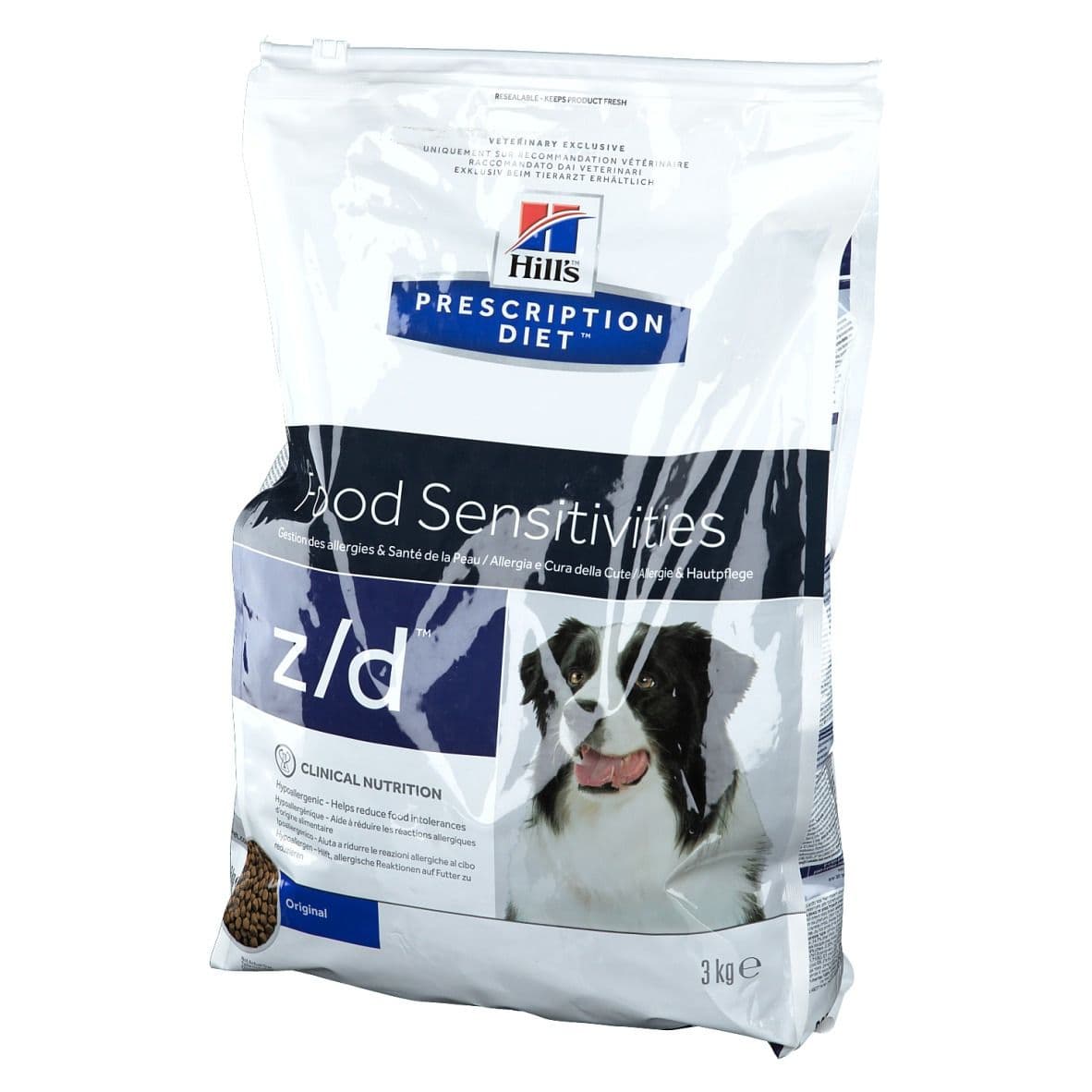
Hill's Prescription Diet z/d Food Sensitivities
Hill's Prescription Diet z/d is a widely recommended hydrolysed-protein prescription diet with a strong clinical track record for controlling food‑related skin and gastrointestinal issues. Compared with the other options here, z/d is frequently highlighted in peer-reviewed studies and by clinicians for predictable results, although it can sit at a premium price point; its clinical evidence and consistent availability through vets justify that cost for many owners.
Estimated£30 – £75
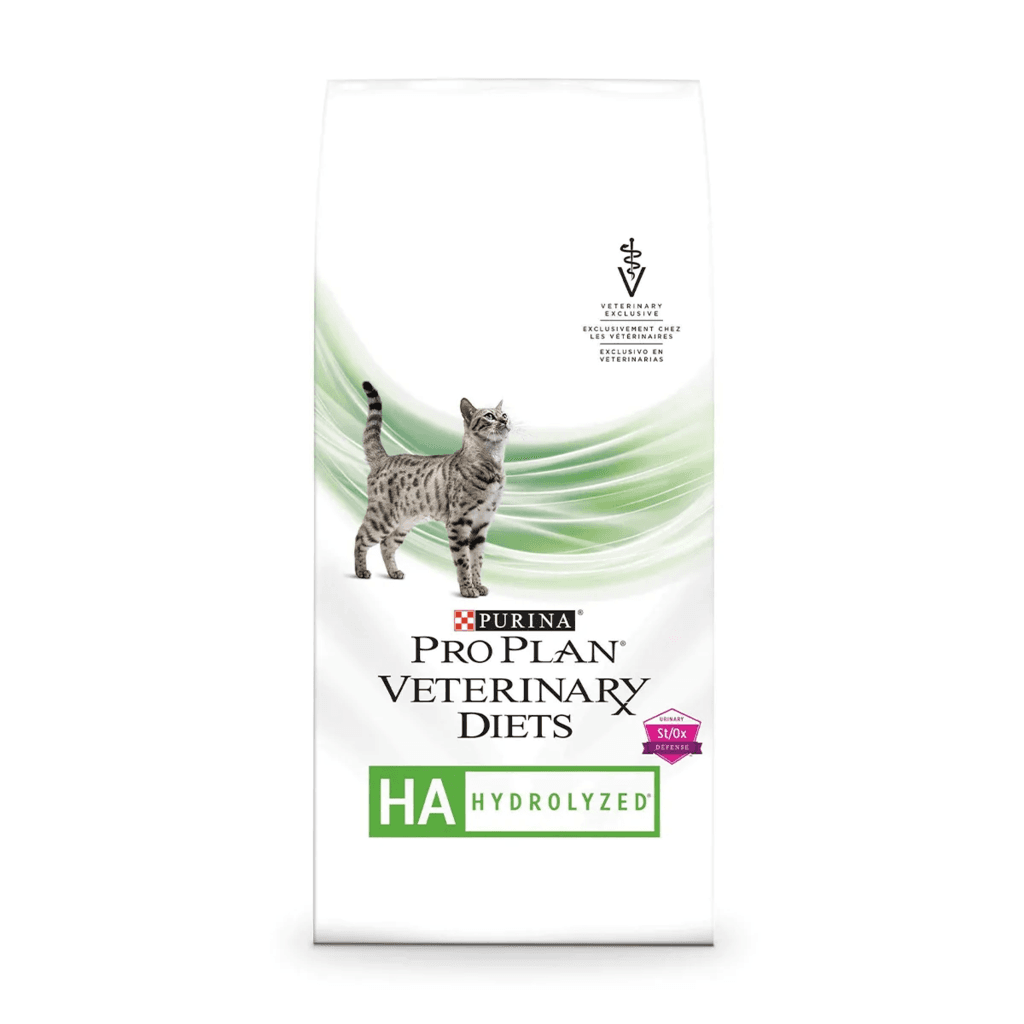
Purina Pro Plan Veterinary Diets HA Hydrolyzed
Purina Pro Plan Veterinary Diets HA offers a hydrolysed-protein formula that emphasises palatability and value, making it a go-to for owners seeking an effective but cost-conscious prescription option. Versus Hill's and Royal Canin formulas, Purina HA often competes strongly on price and tasty formulations while still delivering the hydrolysed approach vets recommend for adverse food reactions.
Estimated£20 – £50
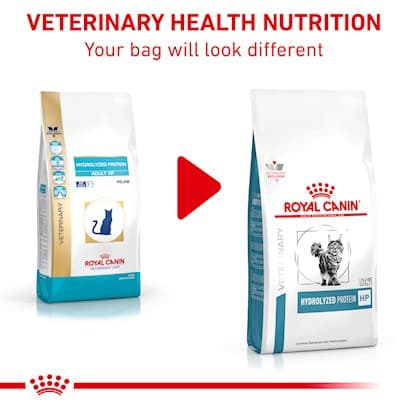
Royal Canin Veterinary Anallergenic Cat Food
Royal Canin Veterinary Anallergenic is the ultra‑hydrolysed/elemental end of the spectrum intended for cats with severe or refractory food allergies, offering maximal protein hydrolysis and minimal antigenic potential. It is typically reserved by vets when other hydrolysed diets fail; while it tends to be the most specialised and costly option on this list, its technical profile makes it the most appropriate choice for difficult-to-manage cases.
We may earn a commission on purchases. It never affects our rankings.
£29.99GBP
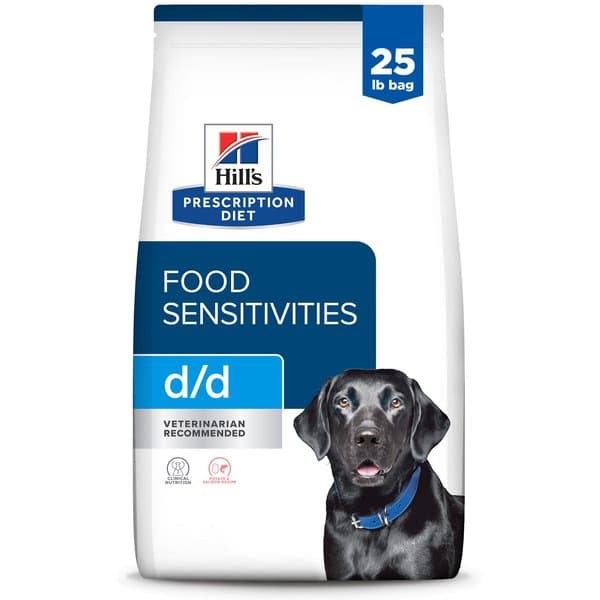
Hill's Prescription Diet d/d Food Sensitivities
Hill's Prescription Diet d/d is a vet-backed limited‑ingredient/novel‑protein programme often used alongside hydrolysed diets as a practical alternative for cats that respond to single-source proteins. In the context of hydrolysed options, d/d is useful because it offers a different technical strategy (novel or controlled ingredients) that can be more affordable and easier to source for some owners, making it a complementary choice when hydrolysed feeding is not tolerated or available.
We may earn a commission on purchases. It never affects our rankings.
Estimated£22 – £60
These premium formulations distinguish themselves through veterinary prescription status, clinical validation through rigorous trial programmes, consistent palatability ratings, simultaneous availability in both dry and moist formats suited to varied feeding preferences, transparent ingredient labelling that supports elimination diet protocols, and established distribution networks throughout UK veterinary practices and specialised pet nutrition shops.
Understanding Hydrolysed Protein Diets for Cats
Hydrolysed protein represents a sophisticated nutritional intervention developed specifically to assist cats experiencing adverse reactions to conventional protein sources. The hydrolysis process—a controlled breakdown of protein molecules—cuts them into fragments small enough that the feline immune system is far less likely to recognise them as allergens. It reduces reactivity rather than removing it outright: a minority of cats still react to an extensively hydrolysed diet, which is why the trial itself, not the label, is what confirms a diagnosis. Royal Canin's UK Hypoallergenic formula, for example, is built on hydrolysed soya protein isolate (23.5%) with rice (42.1%) as its single carbohydrate, while Anallergenic goes further, using feather hydrolysate broken down to oligopeptides and free amino acids. This mechanism proves particularly valuable during diagnostic elimination diets, enabling veterinary surgeons to systematically identify problematic ingredients whilst simultaneously providing nutritional completeness. British vets commonly prescribe these diets for persistent vomiting, chronic diarrhoea, or troublesome skin conditions when food sensitivity is suspected.
Hydrolysed proteins are enzymatically cut into low-molecular-weight peptides that are far less likely to trigger an immune response, though residual reactivity remains possible in a minority of cats
Elimination diet protocols using hydrolysed formulations typically require 8-12 weeks for accurate diagnostic assessment; Royal Canin's own UK feeding guidance for Hypoallergenic specifies 3 to 8 weeks, extendable to a year once signs resolve
Both Royal Canin and Hill's formulations contain single, easily-digestible carbohydrate sources to minimise additional irritation
Prescription diets require veterinary authorisation and are unavailable through standard pet shop channels in the UK
Canned varieties often provide superior palatability for fastidious eaters during sensitive transition periods
Gastrointestinal signs frequently settle within 2-4 weeks, whilst dermatological improvement usually needs the full 8-week trial before it can be judged
UK pet insurance policies frequently provide partial coverage for prescription hydrolysed diets when recommended by registered veterinarians
Not every diet used for food sensitivities is hydrolysed: Hill's d/d relies on a single intact novel protein (such as venison with green pea) instead, and is a different diagnostic strategy rather than a hydrolysed option
Frequently Asked Questions
Which hydrolysed cat food suits most sensitive cats best?
Royal Canin Veterinary Hypoallergenic Cat Food is a strong all-round choice for many cat food sensitivities, with a 4.5 average rating and a hydrolysed-protein formulation designed to reduce immune recognition and allergic response, plus wet and dry options to fit vet-managed feeding plans.
What hydrolysed protein spec does Hill's z/d use?
Hill's Prescription Diet z/d Feline is built on hydrolysed chicken liver paired with a single carbohydrate source, so the peptides are too small for most cats' immune systems to react to. It is supplemented with omega-3 fatty acids and antioxidants to support skin and gut health, and is supplied in wet and dry formats through veterinary practices.
Is Purina Pro Plan HA cheaper than Hill's z/d?
Broadly, yes. Purina Pro Plan Veterinary Diets HA typically retails from around £20 to £50 in the UK, while Hill's Prescription Diet z/d tends to sit higher, from roughly £30 to £75, depending on bag size and retailer. Exact pricing varies by pack size and whether you choose wet or dry, so it's worth comparing a few registered UK sellers before you decide.
Do these hydrolysed diets come with veterinary prescription?
Yes. All five diets on this page are prescription-only veterinary diets. Royal Canin Veterinary Hypoallergenic, Royal Canin Veterinary Anallergenic, Hill's Prescription Diet z/d, Hill's Prescription Diet d/d, and Purina Pro Plan Veterinary Diets HA are all sold only against a valid recommendation or prescription from your cat's own vet, and UK retailers will typically ask you to confirm this before dispatching an order.
Conclusion
Throughout 2026, hydrolysed protein diets continue to represent the gold standard therapeutic approach for managing feline food allergies and digestive sensitivities across British households. The five formulations examined on this page—specifically Royal Canin Veterinary Hypoallergenic Cat Food, Hill's Prescription Diet z/d Food Sensitivities, Purina Pro Plan Veterinary Diets HA Hydrolyzed, Royal Canin Veterinary Anallergenic Cat Food, and Hill's Prescription Diet d/d Food Sensitivities—represent the most recommended prescription solutions you'll discover through UK veterinary surgeries and independent pet nutrition retailers. When weighing clinical credibility, product availability throughout the United Kingdom, and genuine feline acceptance rates during elimination protocols, Hill's Prescription Diet z/d Food Sensitivities frequently emerges as the preferred recommendation for many British cat owners seeking a reliable, well-researched first option. Should you wish to explore additional specifics regarding nutritional composition, detailed veterinary guidance, regional purchasing routes, or product comparisons, our comprehensive search facility enables you to filter and compare options based on your particular circumstances and preferences.