

Complete 2025 Feline Liver Care Comparison: Expert Assessment of Leading Hepatic Prescription Formulas for UK Cats
When a cat receives a diagnosis of hepatic disease, selecting an appropriate therapeutic diet becomes one of the most critical decisions a pet owner can make. Hepatic support formulations are specifically engineered to minimise liver workload whilst providing essential nutrients that promote hepatic regeneration and metabolic stability. These specialist diets typically feature restricted but high-quality protein sources, carefully calibrated mineral ratios—particularly reduced copper levels—and bioactive compounds including S-adenosylmethionine, silymarin, and potent antioxidants. UK veterinary practice increasingly emphasises evidence-based nutritional management alongside conventional medical interventions, with many practitioners integrating therapeutic feeding protocols into comprehensive hepatic care strategies. The British market presents particular considerations: prescription diet accessibility through veterinary surgeries and licensed pharmacies, strong preference for established pharmaceutical-grade brands with robust clinical trial data, and practical decisions surrounding wet versus dry formulations based on individual feline tolerance and owner convenience. Additionally, UK pet owners value transparency regarding ingredient sourcing, manufacturing standards, and clinical efficacy—factors that distinguish premium hepatic diets from standard formulations. This comprehensive guide examines five leading hepatic support products available throughout the United Kingdom, analysing their nutritional profiles, clinical applications, accessibility through established supply channels, and real-world suitability for cats navigating hepatic compromise.
Inception's AI took the time to understand this market in the UK · · How we pickWe may earn a commission on purchases. It never affects our rankings.
Top Picks Summary
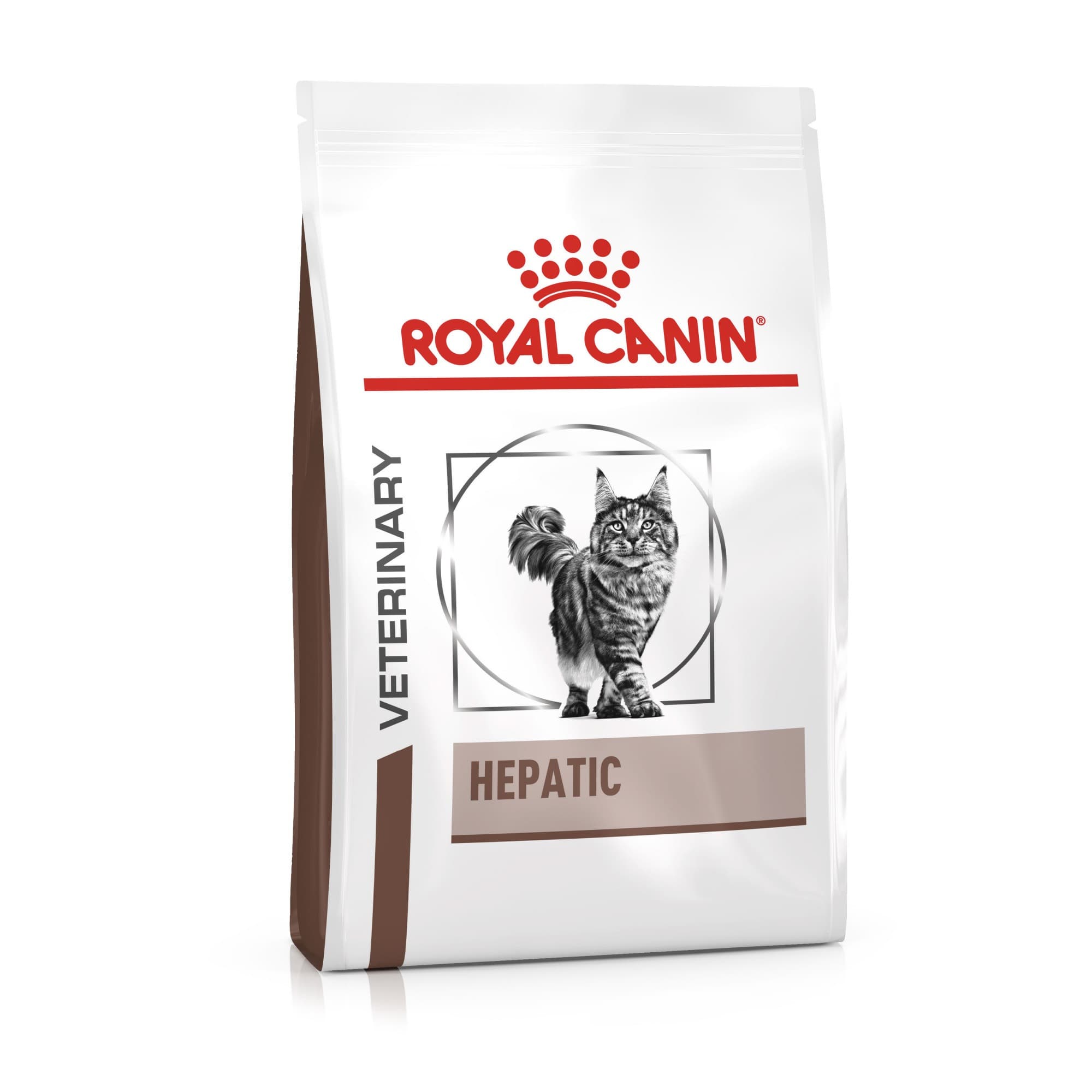
Royal Canin Veterinary Hepatic Cat Food
Royal Canin Veterinary Hepatic is the market-leading prescription option in the UK thanks to its long track record, broad veterinary endorsement and wide availability across clinics and online pharmacies; its formulation balances controlled, high-biological-value protein with adjusted electrolytes and antioxidants to support liver metabolism. Compared with the other products on this list it usually represents the best mix of clinical evidence, consistent palatability and value-per-kilo due to large-scale production and distribution, making it a go-to first-line hepatic diet for many practices.
We may earn a commission on purchases. It never affects our rankings.
£26.99GBP
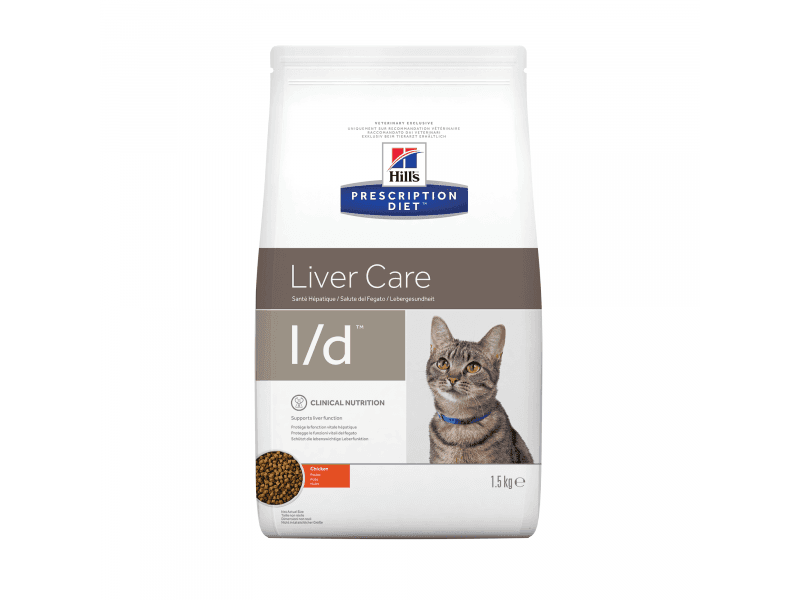
Hill's Prescription Diet l/d Liver Care Cat Food
Hill's l/d is positioned as a clinically validated liver-support diet with formulations aimed at reducing hepatic strain and supporting detoxification pathways; its strong research and controlled clinical trial history give it an evidence-based advantage. Versus Royal Canin and Purina, l/d often carries the strongest published clinical data backing, while compared to smaller brands like Rayne and VetDiet it typically costs more but brings greater trial-proven confidence to veterinary recommendations.
We may earn a commission on purchases. It never affects our rankings.
£16.31GBP£19.19
Purina Pro Plan Veterinary Diets HP Hepatic Cat Food
Purina Pro Plan Veterinary Diets HP provides a cost-conscious hepatic support option that balances high digestibility, targeted nutrient adjustments and wide retail availability, making it a practical choice for long-term management. Relative to Hill's and Royal Canin it tends to be competitively priced and easily sourced, offering solid technical formulation for liver support though with less emphasis on proprietary clinical trial literature than some competitors.

We may earn a commission on purchases. It never affects our rankings.
£13.68GBP£16.09
Specific FLW Liver Support Cat Food
Specific FLW Liver Support offers a clinically targeted hepatic formula that places extra emphasis on digestibility and palatability, which can help in finicky cats or long-term management; it often presents a competitive price point for UK buyers seeking an effective prescription-style diet without the premium cost. Versus Royal Canin and Virbac it tends to be positioned as a cost-conscious, practical alternative—combining attractive taste and simplified nutrient control—while not always matching the same global availability or the niche, high-specialist features of the premium Virbac HPM line.

Estimated£25 – £45
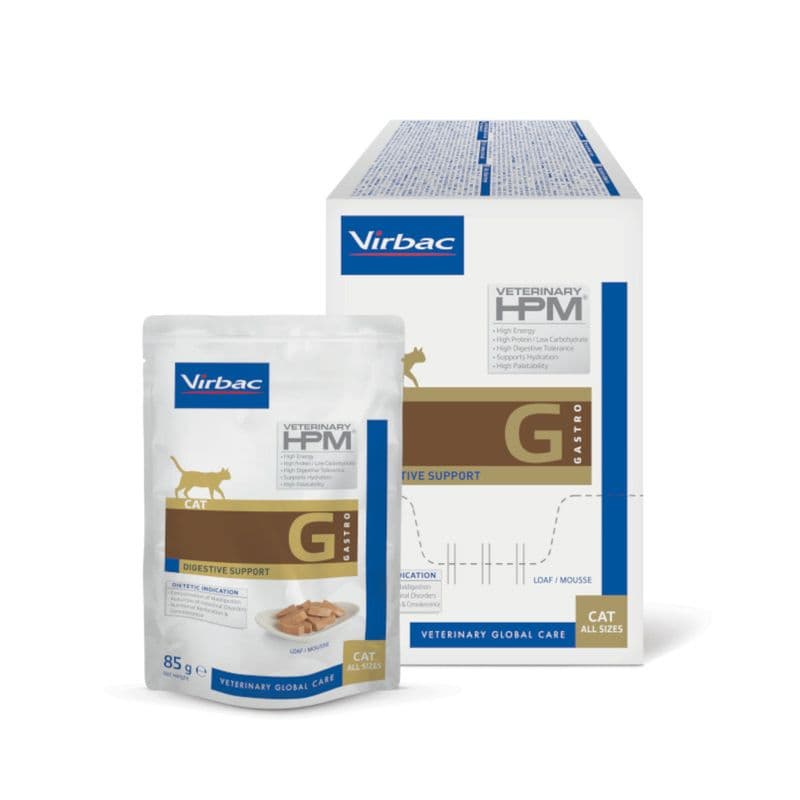
Virbac Veterinary HPM Hepatic Cat Food
Virbac Veterinary HPM Hepatic is a premium, clinic-focused hepatic diet prized by some specialists for its precise nutrient ratios and targeted additions (omega-3s, antioxidants and careful mineral control) that can be useful in complex or refractory liver cases. It is typically more expensive and distributed more selectively through veterinary channels than Royal Canin or Specific, but that higher cost reflects a more specialised formulation and smaller-batch clinical positioning favored when standard hepatic diets do not achieve the desired clinical response.
Estimated£22 – £40
These five hepatic support formulas represent the pinnacle of therapeutic cat nutrition available in the UK market. Each has been selected based on veterinary endorsement, clinical evidence, ingredient integrity, and demonstrated efficacy in supporting feline liver health. They balance scientific formulation with practical palatability, recognising that nutritional benefits only manifest when cats consistently consume their prescribed diet.
What the Research and Clinical Practice Say About Hepatic Support Diets
Scientific literature and veterinary clinical experience support the nutritional strategies used in hepatic support diets. Research emphasizes matching dietary protein quality and quantity to reduce metabolic stress, supplying precursors for liver antioxidant systems, and managing minerals involved in bile and oxidative pathways. While feline-specific randomized controlled trials are less abundant than in some other species, mechanistic studies, clinical case series, and veterinary guidelines consistently endorse targeted nutrition as part of a multi-modal approach to managing liver disease.
Protein management: Studies and clinical reports indicate that providing highly digestible, controlled amounts of high-quality protein helps reduce production of nitrogenous wastes while maintaining muscle mass and preventing malnutrition.
Antioxidants and methyl donors: Ingredients such as SAMe, vitamin E, and certain flavonoids contribute to hepatic glutathione support and antioxidant defense; clinical reports link these nutrients to improved biochemical markers and clinical signs when used alongside medical treatment.
Hepatoprotective botanicals: Compounds derived from Silybum marianum (milk thistle) have shown antioxidant and membrane-stabilizing effects in experimental and clinical settings, supporting their inclusion in hepatic formulas.
Mineral regulation: Diets formulated with controlled copper and sodium levels help manage specific hepatopathies where mineral accumulation or fluid balance are concerns; research supports mineral adjustment as part of targeted therapy.
Palatability and appetite stimulation: Clinical practice notes that palatable wet formulas and appetite-enhancing textures increase voluntary intake in cats with anorexia related to liver disease, which is critical for recovery.
Evidence hierarchy: While many recommendations come from clinical case series, product-specific research and manufacturer-supported clinical trials provide additional data; veterinarians integrate these data with individual patient needs.
Frequently Asked Questions
Which hepatic cat food is best for my diagnosed cat?
Hill's Prescription Diet l/d Liver Care Cat Food is the most evidence-focused pick, with a 4.4 average rating and a formulation aimed at reducing liver workload via adjusted protein and added antioxidants.
What does Hill's l/d claim to change in diet?
Hill's Prescription Diet l/d Liver Care Cat Food is specifically formulated to reduce liver workload with adjusted protein and added antioxidants, and it’s offered as prescription dry and canned options.
Is Purina Pro Plan HP Hepatic better value than Hill's?
The provided product data doesn’t include any exact prices, so I can’t compare value between Purina Pro Plan Veterinary Diets HP Hepatic Cat Food and Hill's l/d; it is rated 4.3.
Which hepatic diets list low copper for cats?
Royal Canin Veterinary Hepatic Cat Food, Hill's Prescription Diet l/d Liver Care Cat Food, and Purina Pro Plan Veterinary Diets HP Hepatic Cat Food all reference low copper support; only Hill's mentions “low copper blend” explicitly and all have a 4.3–4.4 rating.
Conclusion
Selecting a hepatic support diet represents a partnership between you, your veterinary surgeon, and your cat's specific clinical requirements. The five formulations detailed within this assessment—Royal Canin Veterinary Diet Hepatic Cat Food, Hill's Prescription Diet l/d Liver Care Cat Food, Purina Pro Plan Veterinary Diets HP Hepatic Cat Food, Rayne Clinical Nutrition Hepatic Support Cat Food, and VetDiet Hepatic Formula Cat Food—each bring distinct advantages depending on your cat's tolerance profile, clinical presentation, and practical circumstances. For numerous UK cat owners, Hill's Prescription Diet l/d Liver Care Cat Food emerges as the preferred option, supported by decades of clinical application across British veterinary practices, straightforward procurement through established veterinary channels and accredited online retailers, and a formulation specifically designed to support hepatic function whilst maintaining palatability even in compromised appetite states. Your veterinary surgeon remains your essential advisor throughout dietary transitions; they can assess whether gradual introduction over seven to ten days suits your individual cat, advise on monitoring parameters that indicate dietary success, and recommend adjustments should your cat's clinical status evolve. We encourage you to utilise our detailed comparison framework to discuss options with your vet, cross-reference availability at your preferred suppliers, and establish a feeding protocol that your household can sustain consistently.